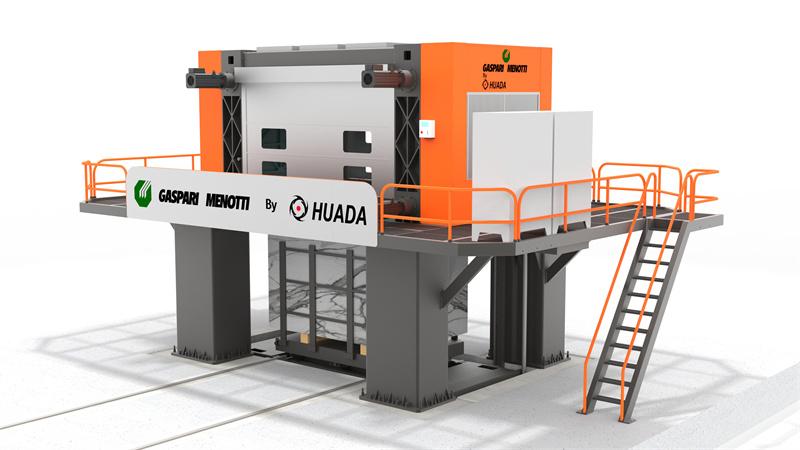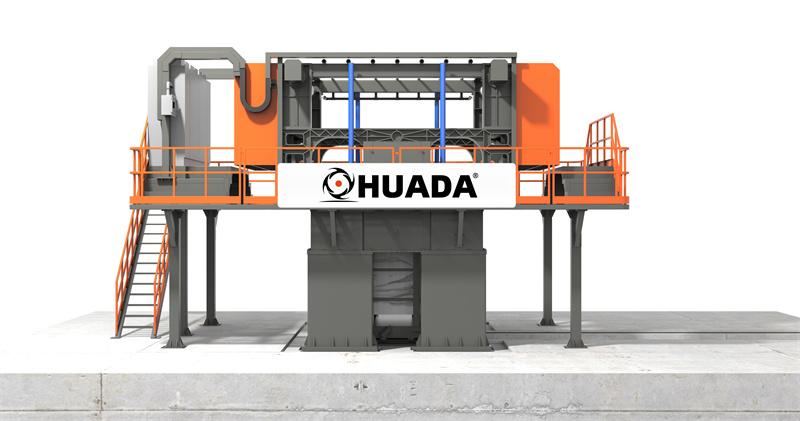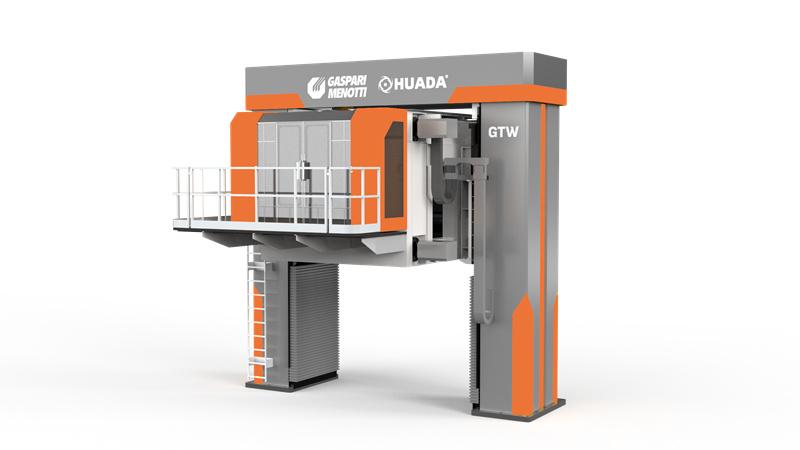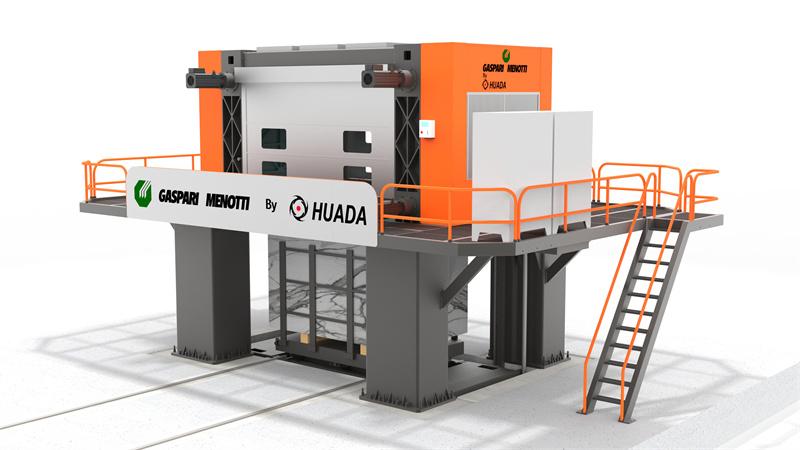

This super-thin multiwire saw integrates lifting and swinging motion for hard, brittle materials. Its source distinguishes the model through a dual-axis cutting path, split-cast roller frame, dual-row wire layout and linear-motor tension control.
Dual-axis contact control
Lifting changes the machine's vertical relationship to the work, while swinging manages wire trajectory and contact pressure. The page presents that combination for sapphire, silicon, quartz, ceramics and compound semiconductors. Commissioning should record both motion profiles with the same wire set; otherwise a change in tension or surface quality cannot be traced to the correct axis.
The stated applications also include semiconductor, photovoltaic, LED and precision-optics production.
Split frame and dual-row wire system
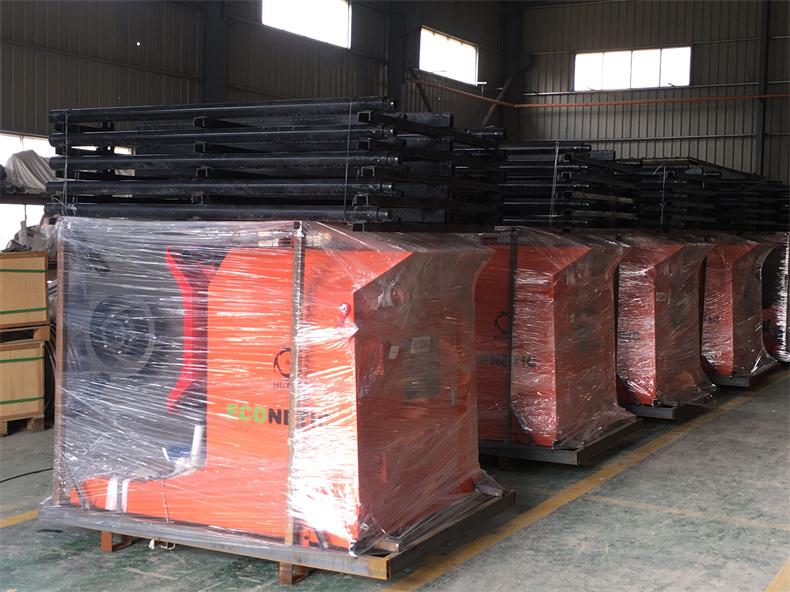
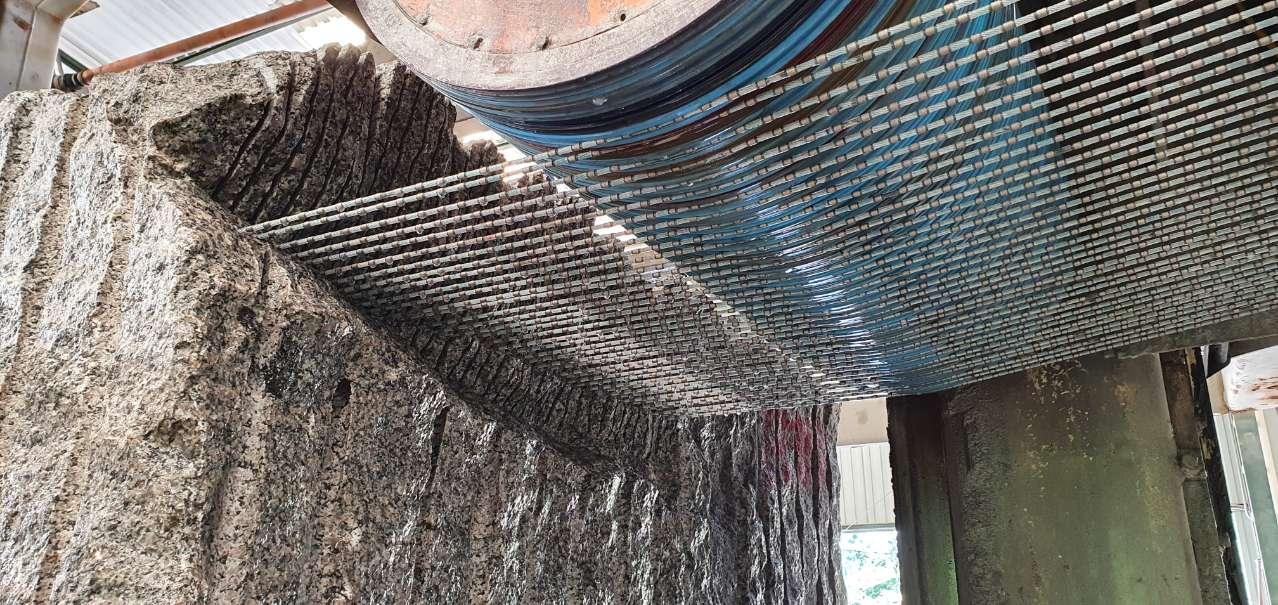
The split-cast roller frame is described as improving transport and installation while retaining rigidity. Verify assembled alignment after the modular sections are installed. A dual-row super-thin wire configuration is intended to distribute tension across multiple wires, and servo linear motors are said to make high-response tension adjustments. The equipment list should show wire count, row geometry, motors, sensors, diagnostics and maintenance access.
The source calls the design compact but provides the full saved envelope, so plan from dimensions rather than the adjective.
Installation and acceptance data
The parameter table lists 11000 mm length, 7000 mm width and 6500 mm maximum height. Cutting length is 3700 mm; cutting height and width are 2200 mm. Four 64 kW main motors total 256 kW, installed power is 300 kW, linear speed is 35 m/s and rising speed is 0–420 mm/min. The listed block dimension is 3500 × 2200 mm.
- Material and target thin-section quality
- Split-frame delivery and alignment plan
- Lifting/swinging profiles and dual-row layout
- Linear-motor tension and alarm records
- Kerf, surface, breakage and output results
Original product images