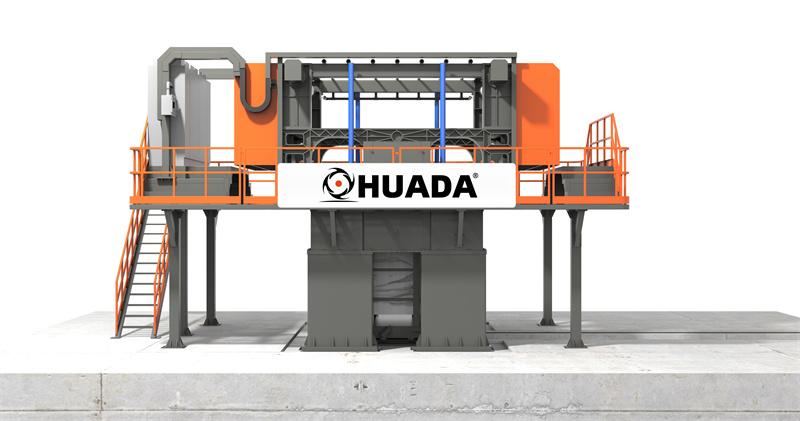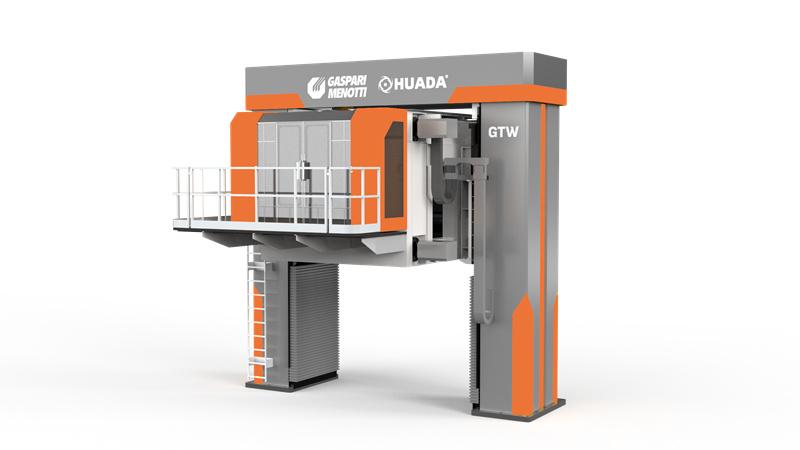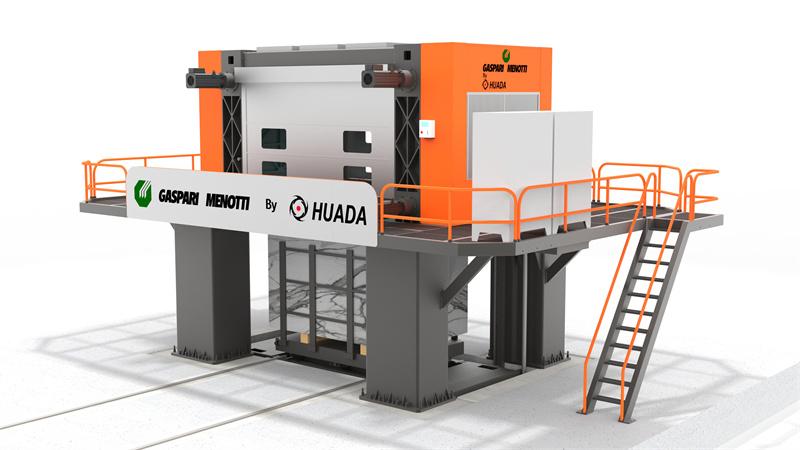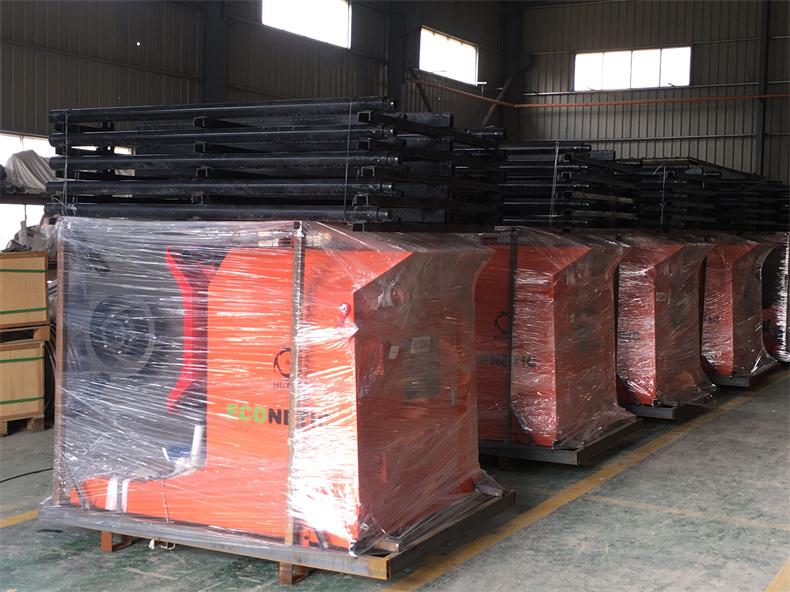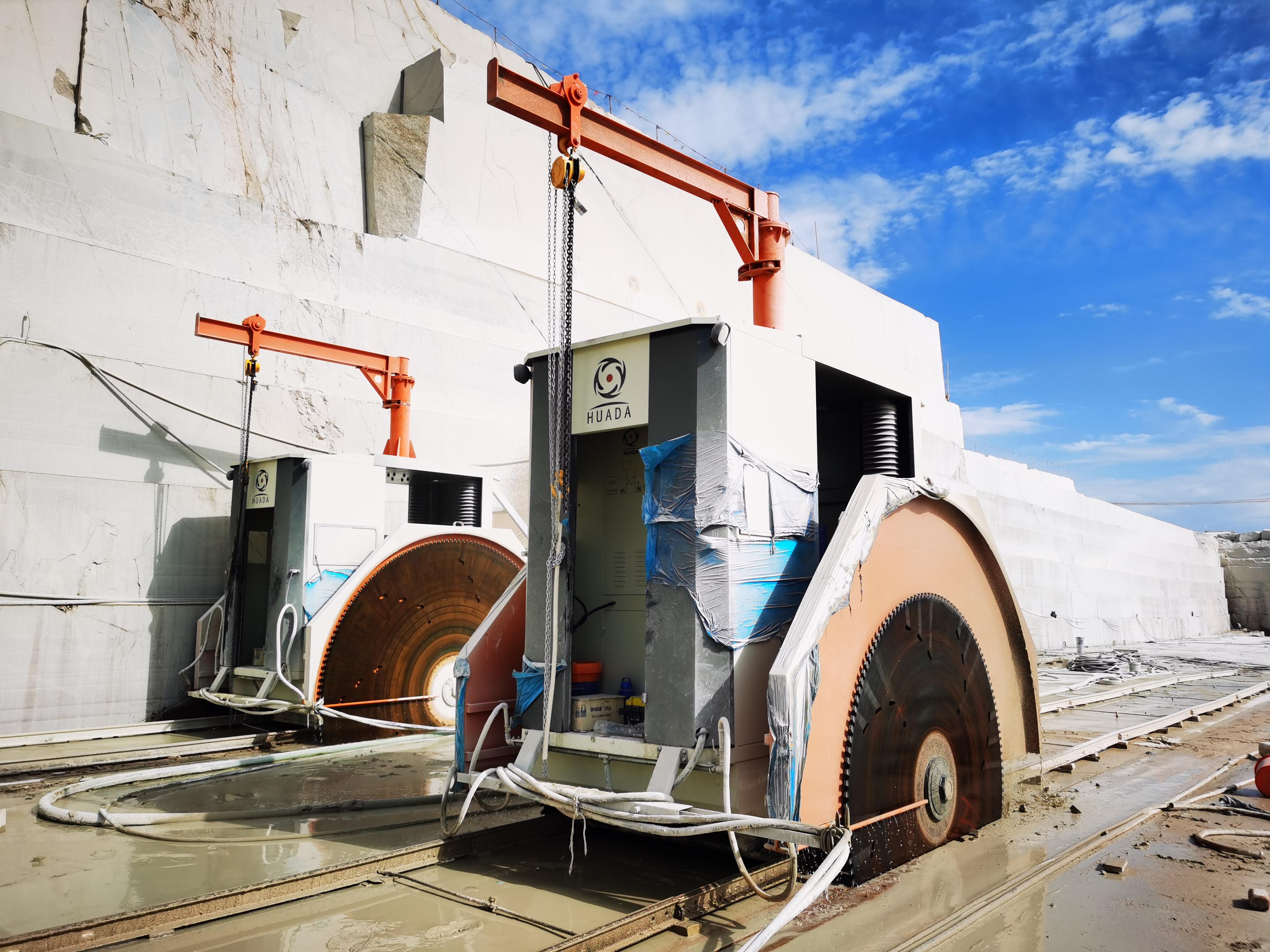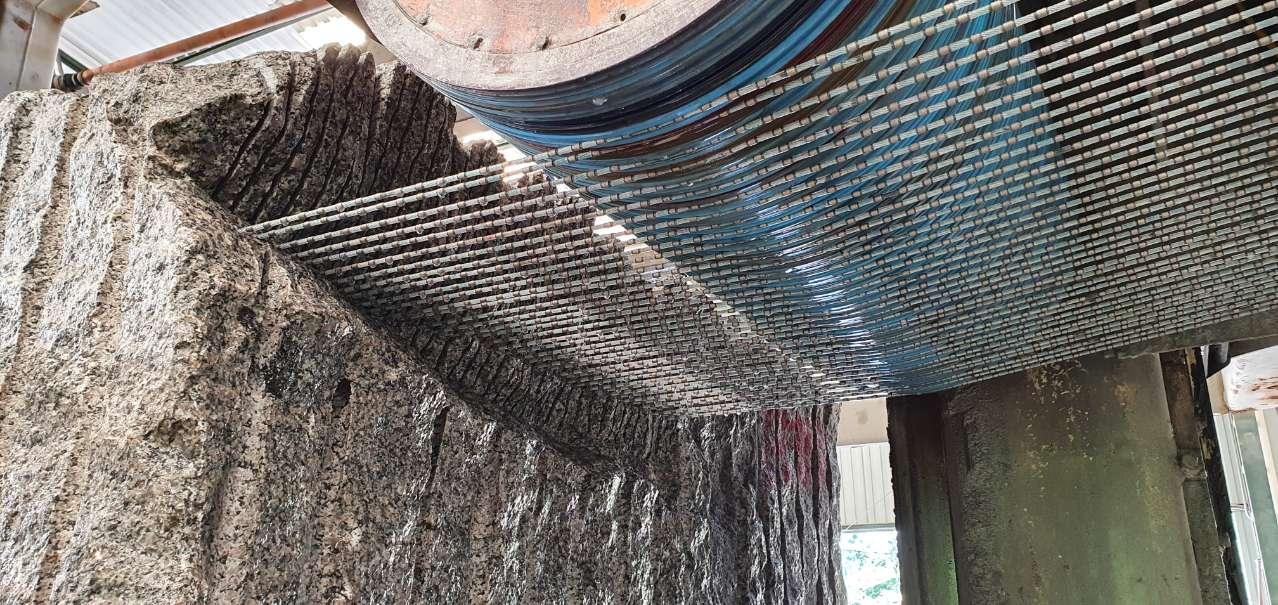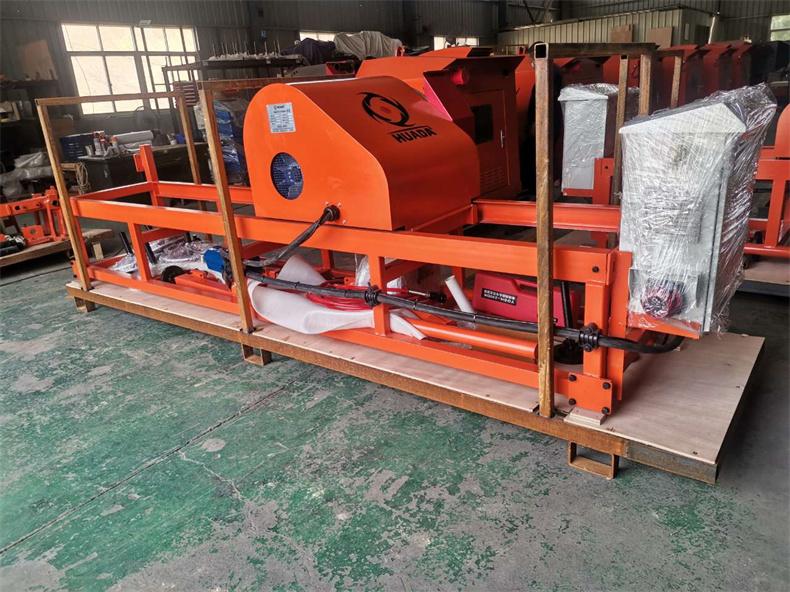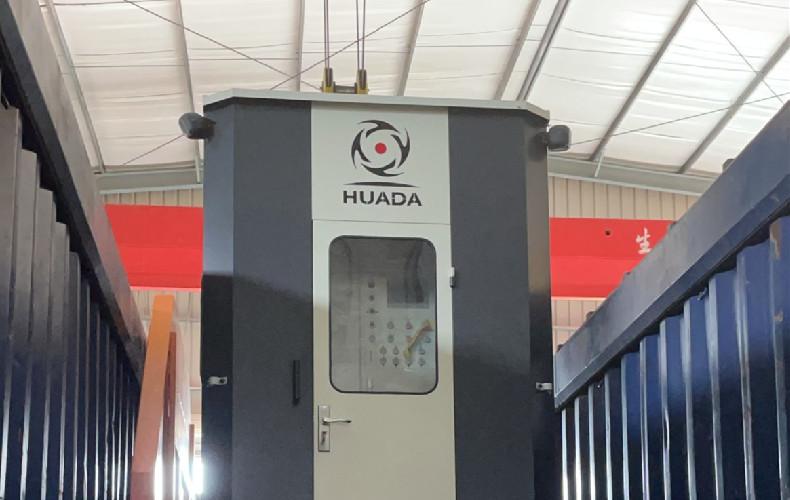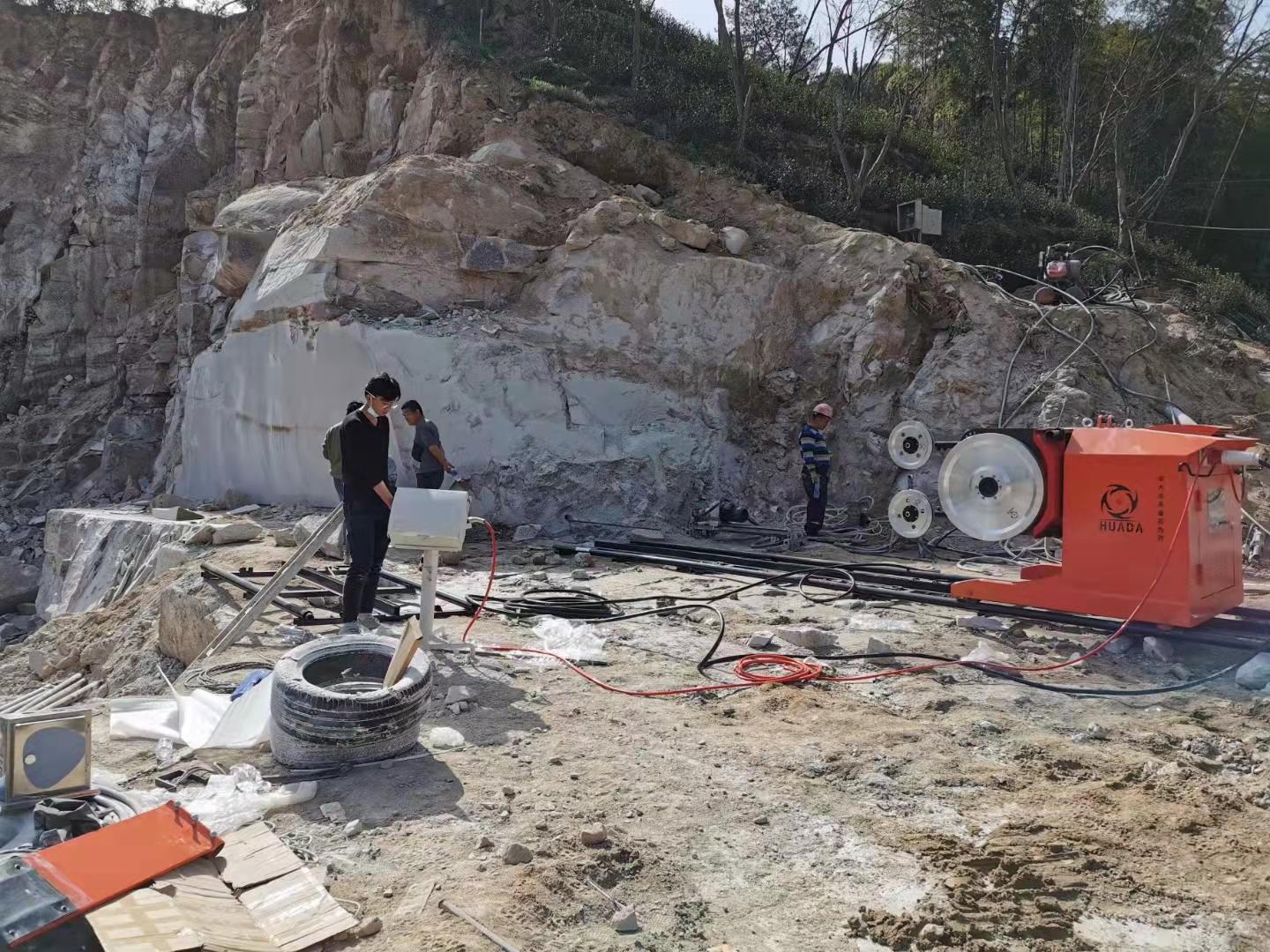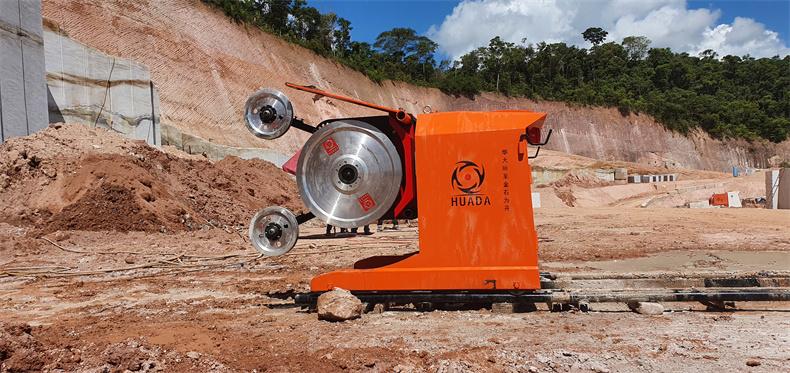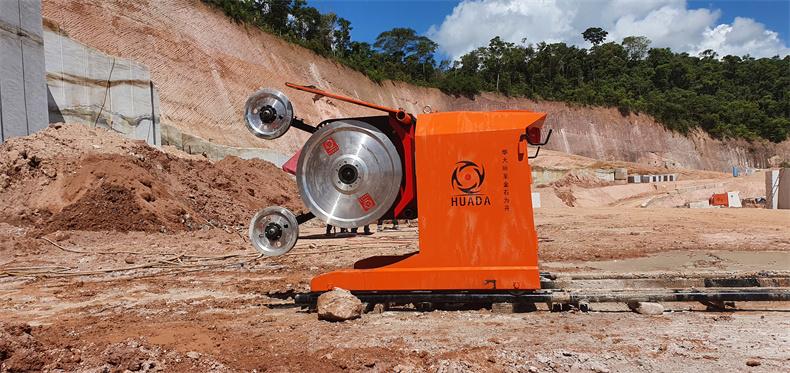

This lifting super-thin wire saw uses a press-down cutting arrangement for hard, brittle materials such as sapphire, quartz, silicon and specialty ceramics. The original record emphasizes structural rigidity, roller control and predictive wire-tension management.
Structure and casting control
The source says Huada and Gaspari co-developed a four-pillar internal structure refined through finite-element analysis. It also states that castings receive an 8-day-plus thermal stress-relief cycle in a PID-controlled furnace, followed by cooling at 20°C per hour. Bearing housings are described as single-clamp precision-ground in a controlled environment and checked through an 18-step process. These are manufacturing statements; request inspection documentation when they are part of the acceptance requirement.
Four rollers and predicted tension
A synchronized constant-torque algorithm across four rollers is intended to stabilize continuous cutting and reduce wire breakage. The page separately describes real-time, AI-based wire-tension monitoring and prediction that adjusts to fluctuation. The delivered control list should name sensors, recorded values, alarms and operator actions. Modular access and diagnostic warnings are also stated, so define maintenance clearance and service items in the factory layout.
Machine envelope and process record
The saved table lists a 11000 × 7000 × 6500 mm machine envelope, 3700 mm cutting length, 2200 mm cutting height and width, four 64 kW main motors, 300 kW installed power, 35 m/s line speed and 0–420 mm/min rising speed. The listed block dimension is 3500 × 2200 mm.
- Material, block and target thin-section dimensions
- Wire set and four-roller path
- Foundation, access and installed utilities
- Tension data, alarms and maintenance plan
- Kerf, surface, breakage and yield record
Validate the claimed thin-cut finish on representative material under the accepted wire and control setup.
Original product images