
Two production reports can describe the same multi wire saw machine and appear to disagree without either containing an arithmetic error. One may count block volume entering the saw, another the area of sawn slabs, and another the area accepted for sale. Before comparing their totals, establish what crossed the measurement boundary and how much time the report actually covers.
The unit tells only half the story
Cubic metres describe volume. Square metres describe area. Neither unit says whether the material is a purchased block, an unfinished slab or an accepted product. A production figure needs a noun beside its unit: block volume processed, gross slab area produced, or accepted finished slab area.
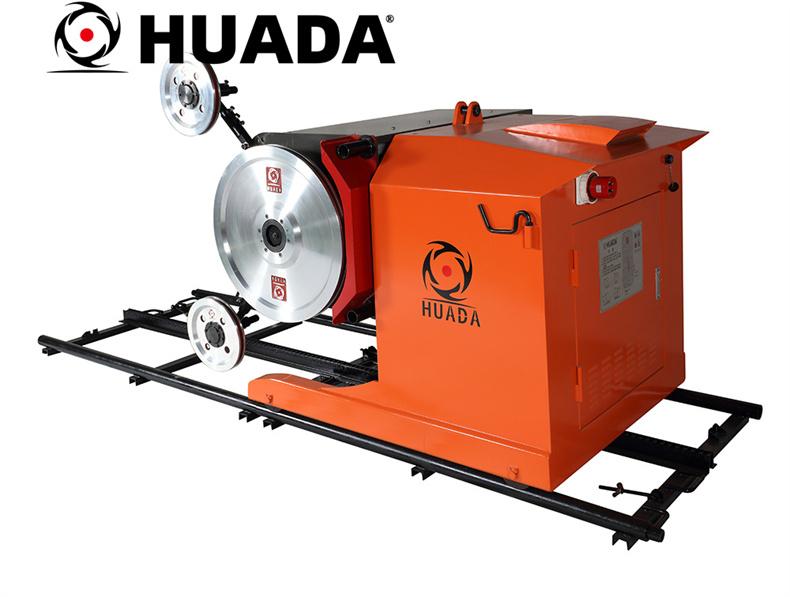
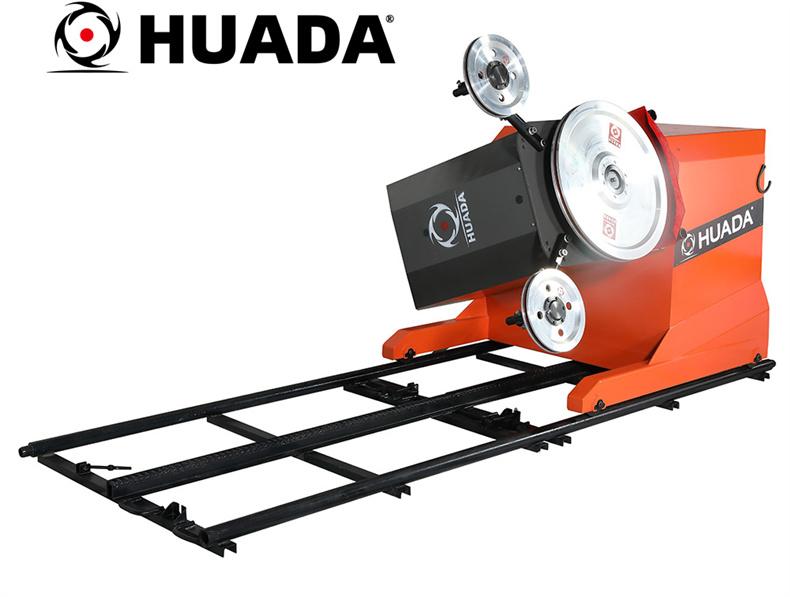
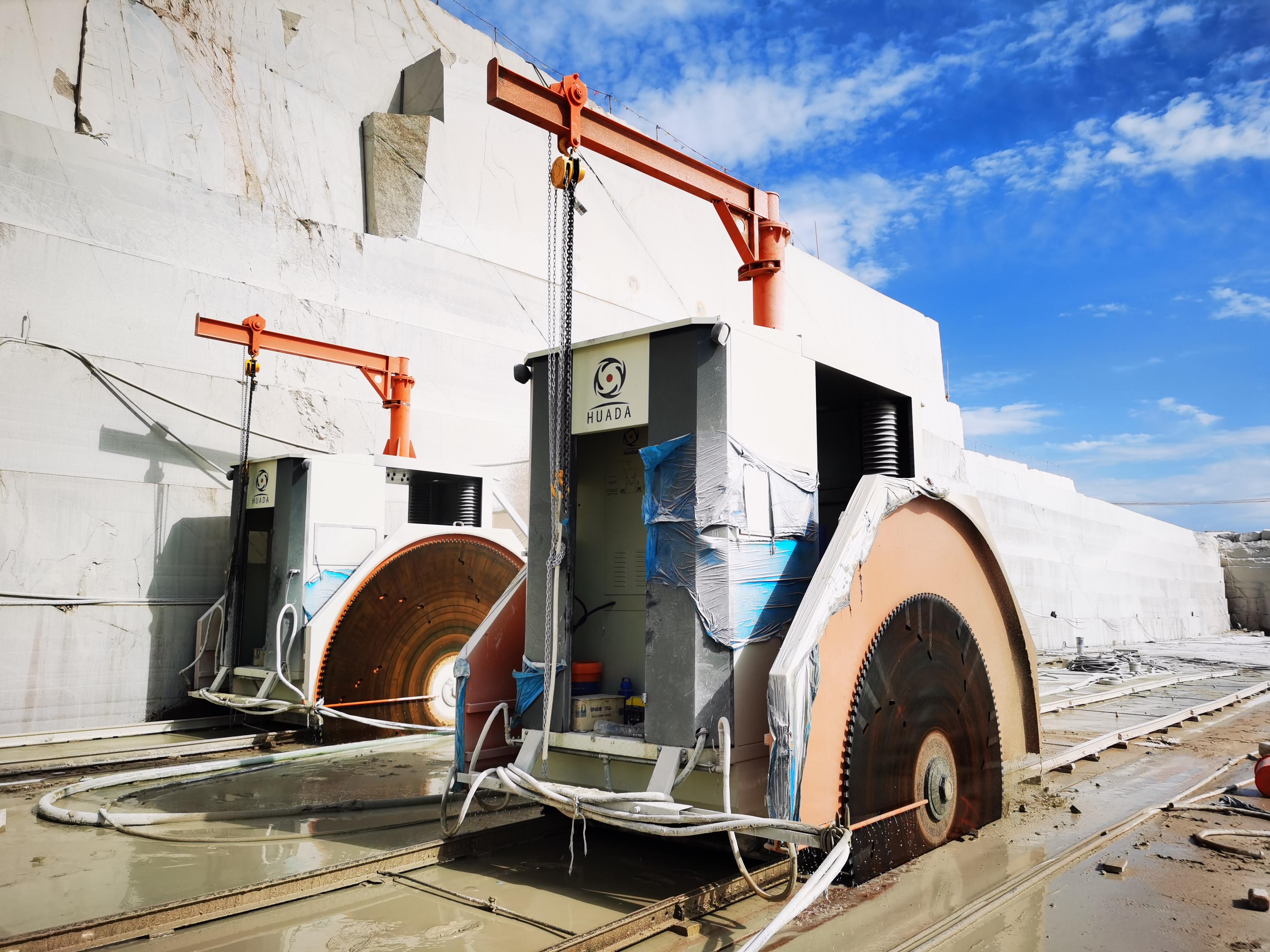
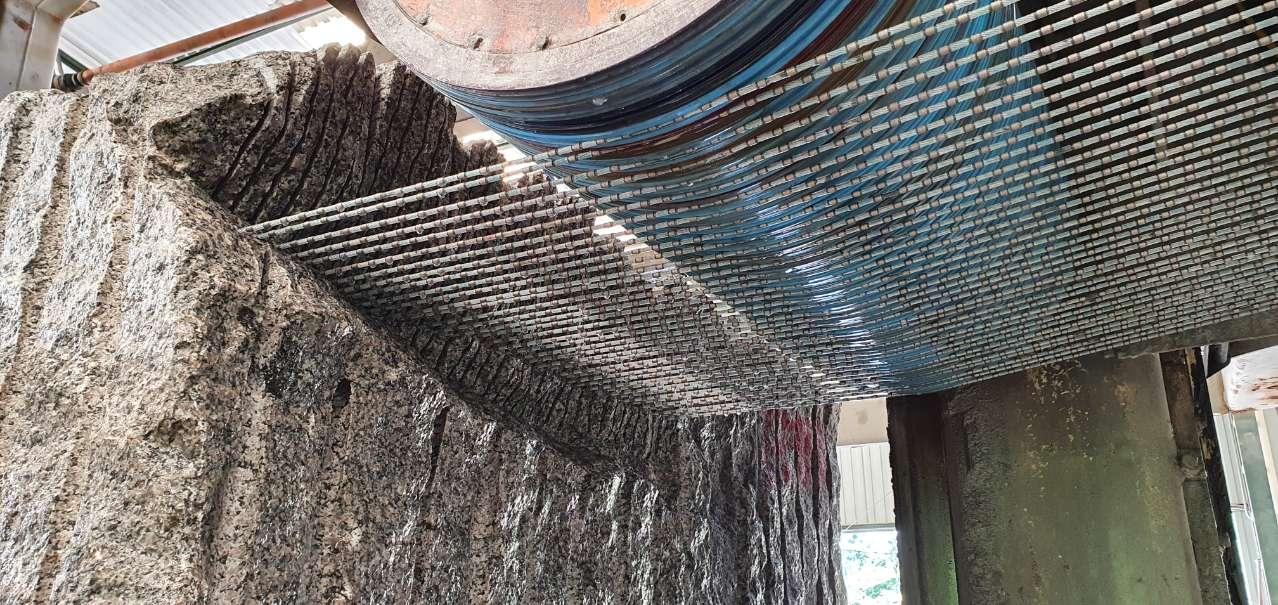
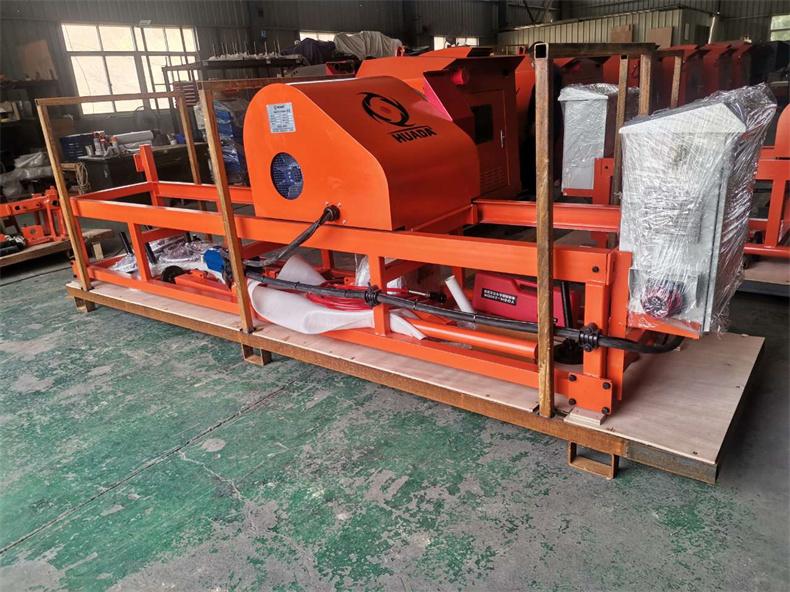
Huada's thin multi wire saw cutting machine is intended for slicing stone into slabs. Its machine dimensions and cutting envelope describe equipment geometry; they are not a factory output total. Even a block that fits the equipment does not by itself establish how much saleable area will emerge from it.
The reporting boundary is therefore as important as the unit printed on the dashboard.

Four useful measures, four different questions
| Measure | Question it answers | What it leaves open |
|---|---|---|
| Block volume processed | How much input stone passed through slabbing? | How much became accepted product? |
| Cutting area | What area of cutting planes was completed? | How were simultaneous cuts counted? |
| Gross slab area | What nominal face area emerged as slabs? | What will trimming and rejection remove? |
| Saleable slab area | What area meets the defined product requirements? | At which thickness and finish? |
These measures can sit alongside each other. Trouble begins when one is substituted for another. A purchasing forecast based on block volume cannot be checked against slab area without a stated conversion basis and an account of material losses.
A cut produces surfaces, not an extra slab for each face
One separating cut creates opposing surfaces in the stone. Those surfaces should not automatically be booked as two saleable slabs. Slabs are physical pieces with their own boundaries, and each piece is counted once when reporting conventional slab area.
A separate finishing report might measure the area treated on both sides of a piece. That can be legitimate process accounting, but it measures treated surface area. Calling it slab output would inflate the apparent quantity available for an order.
Multiwire cutting adds another distinction: several cutting planes may be completed during the same cycle. A cutting-area rate must state whether it refers to one plane or the sum across the active set. The label 'square metres per hour' cannot resolve that ambiguity on its own.
Follow an illustrative batch through acceptance
Consider an illustrative batch, not a Huada measurement. Twenty sawn slabs each have a gross face measuring three metres by two metres. Their gross slab area is 120 square metres. Counting both broad faces would produce 240 square metres of surface, but there are still only twenty slabs.
Suppose sixteen slabs meet the order after trimming, each contributing five square metres of accepted area. Saleable output for that order is then eighty square metres. The remaining material needs its own disposition; it cannot be silently added back because it may later find another use.
Huada's separate beaded diamond wire for multiwire saws illustrates a conventional consumable family. The same accounting logic applies, while its machine compatibility and cutting results must be evaluated independently of the thin-wire system.

Thickness is hidden inside an area comparison
Thinner finished slabs can represent more face area for a given volume of retained stone. That makes an area-only comparison misleading when orders have different thicknesses. The higher area total may reflect the product mix rather than better use of the machine.
For uniform pieces, area multiplied by thickness gives their volume when consistent units are used. Applying that relationship to a whole block requires more care: cutting channels, outer remnants, trimming and finishing removal all consume material that is absent from the finished slabs.
A practical production report therefore groups accepted area by finished thickness and product category. It can also show accepted finished volume, allowing the reader to distinguish product-mix effects from changes in material recovery.
An hour also needs a boundary
Cutting hours, occupied machine hours and elapsed shift hours are different denominators. Cutting hours isolate the active process. Occupied hours may include preparation and waiting around a block. Shift hours reveal the output available from the production resource over the period the business has scheduled.
Each supports a useful question, but comparisons must retain the same definition. Dividing one batch by active cutting time and another by an entire shift creates an apparent performance difference even if their cutting behaviour is identical.
There is also a delay between sawing and final acceptance. A day's accepted area can include slabs cut earlier. To assess a specific cutting batch, follow that batch through finishing; to assess daily shipping capacity, count what actually becomes available that day.
Write a result that another department can use
A meaningful output statement names the material, product thickness, acceptance stage, counting convention and time period. For example, 'accepted slab area at the ordered thickness per scheduled shift' tells sales far more than an unexplained area rate.
The saw team may still need cutting area per active hour, while purchasing needs block consumption and finance needs conversion cost. These are complementary views of production. Connecting them through batch identity prevents a fast cutting result from being mistaken for finished stock already available to customers.
Once those definitions are stable, changes in output become interpretable. The factory can see whether it has processed more stone, changed its thickness mix, reduced losses or simply shifted work between reporting periods.