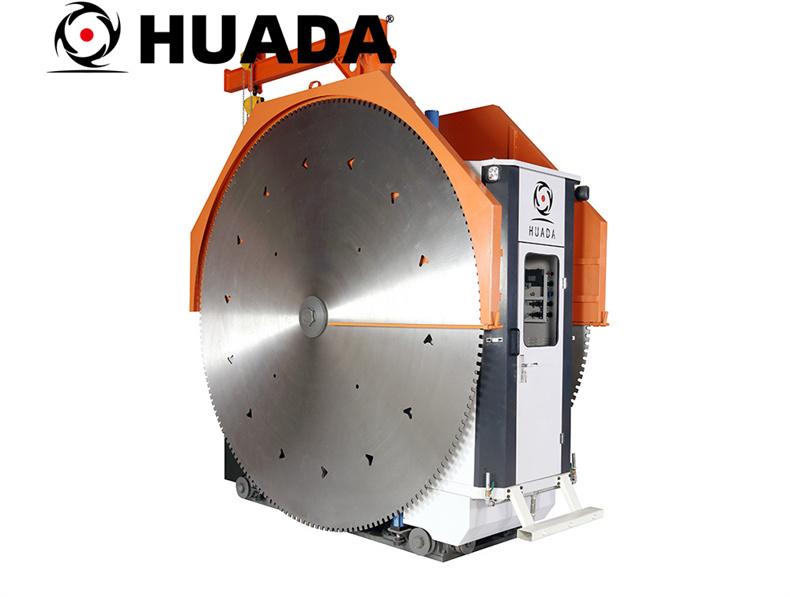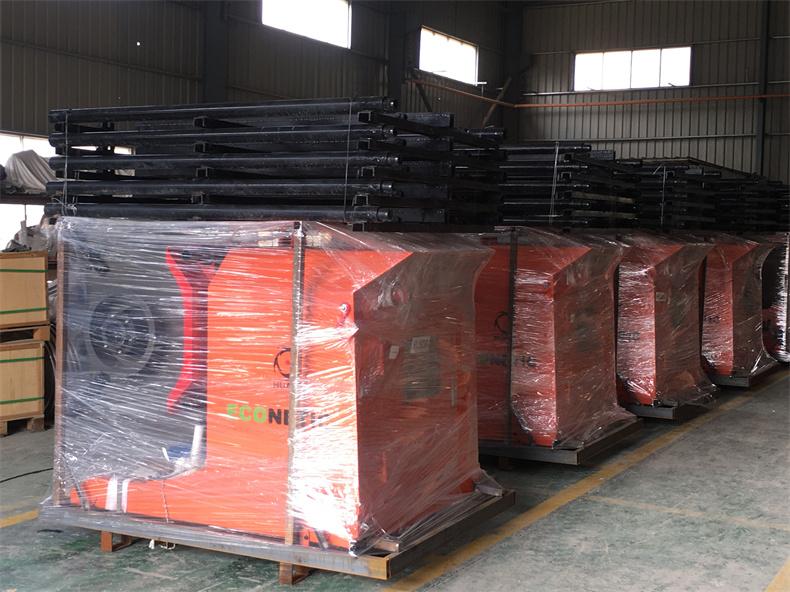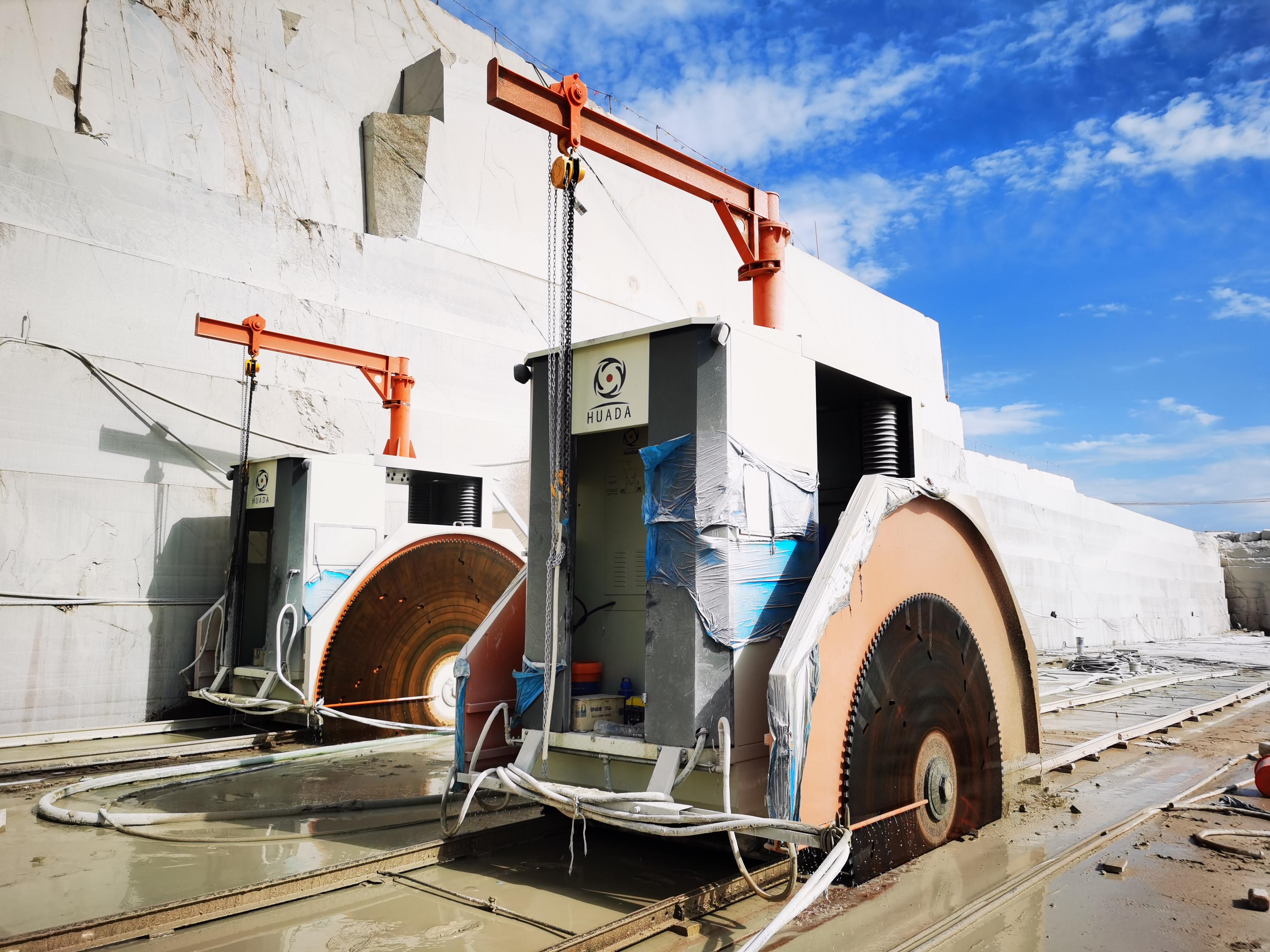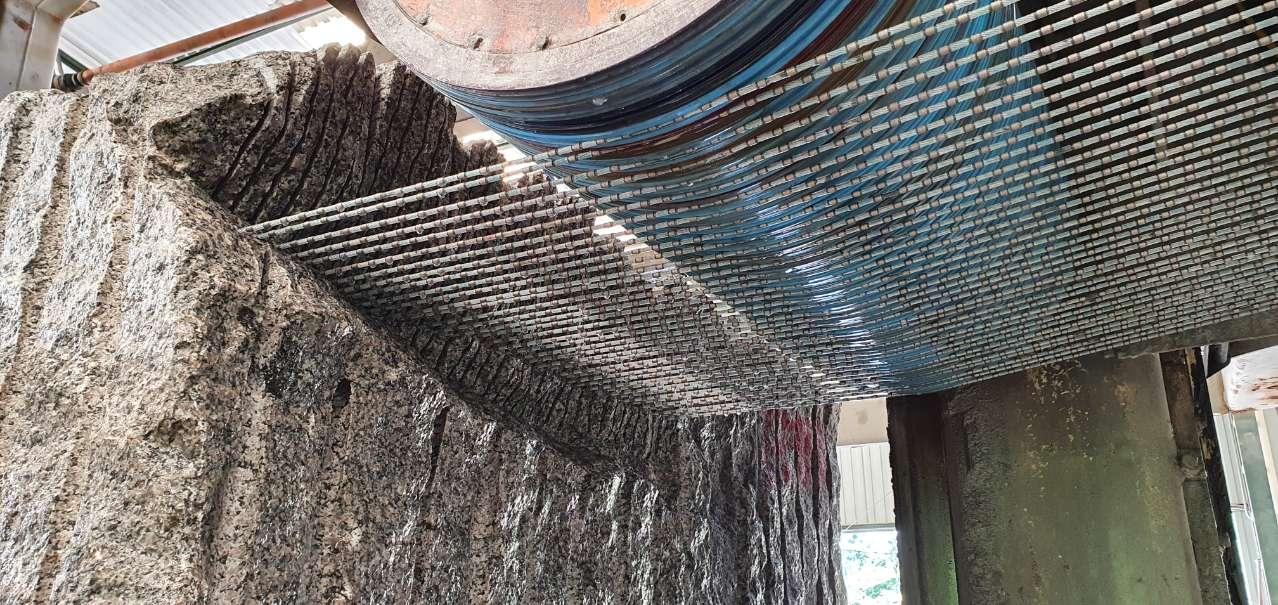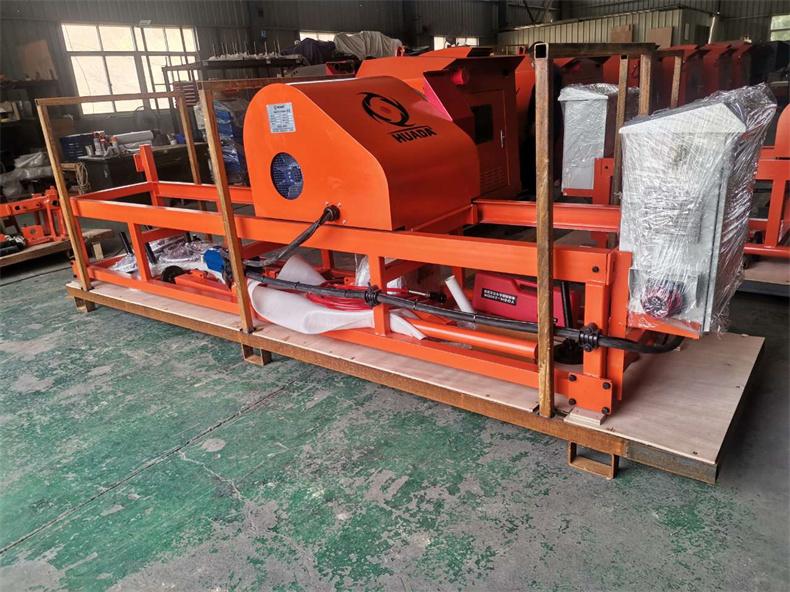

A diamond saw blade for granite should be selected as part of a bridge-saw application, not from diameter alone. Huada's frozen product page documents a range for granite slabs with multiple diameters, segment geometries, bore choices and silent or regular cores. This guide turns those recorded options into a purchasing and acceptance evidence map without asserting an unsupported bond or speed outcome.
Identify the machine before naming the blade
The official source places this blade range on bridge saws and small cutter machines for granite slabs. That scope is narrower than quarry block cutting, wall sawing or a general-purpose diamond-tool claim. The enquiry should name the actual saw, spindle interface, guarding arrangement and available blade envelope so Huada can identify which catalog rows are relevant.
Machine identity also controls the documentation needed for the bore and mounting faces. A buyer can submit the saw manufacturer's drawing or an approved interface record and ask the blade supplier to confirm compatibility. This is a design and procurement check; mounting and operation remain governed by the machine and blade manuals and by qualified personnel.
Translate the catalog table into a specification
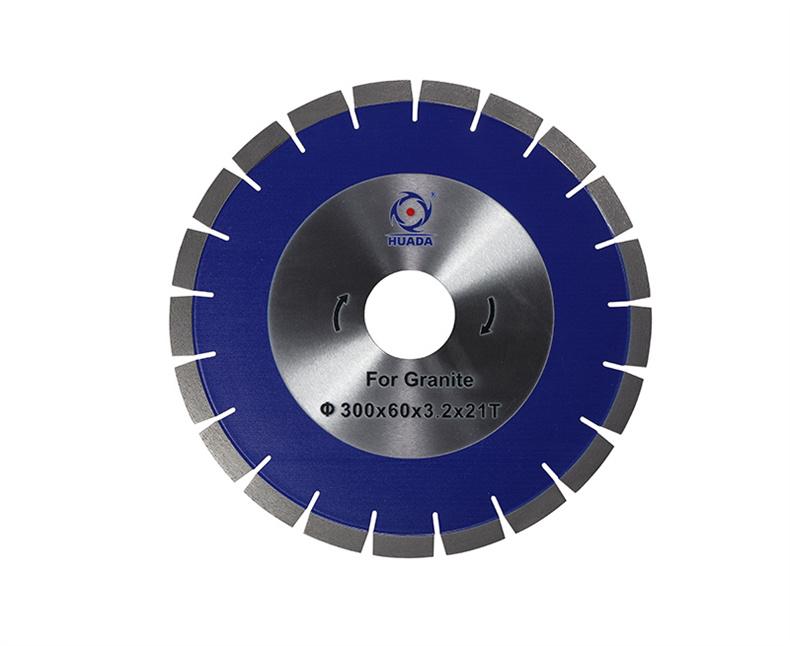
Huada's page records diameter, segment length, segment width, segment-height options, segment count, bore and core type. The final order should carry those fields in one line item rather than leaving them scattered across emails. Silent and regular cores are both shown in the source, so the selected core must be explicit instead of assumed.
The saved table also shows that segment count does not form a simple rising sequence across every diameter. That is a useful warning against extrapolation. The buyer should request a current drawing for the selected blade and compare every field with the quotation before approving manufacture or shipment.
Describe the granite and finished slab requirement
The local product record says the blades are developed around granite characteristics and customer requests, but it does not supply a universal result for every granite. A source-grounded enquiry can identify the granite by commercial name, representative sample or existing production record and state the slab thickness and edge-quality requirement expected by the project.
Descriptions such as “hard granite” or “stable cutting” are not enough for a technical agreement. Huada should return a blade specification tied to the submitted material information and machine interface. If the recommendation depends on further testing, that dependency should appear in the quotation rather than being converted into an unsupported performance promise.
Use a blade decision sheet
| Decision area | Evidence to attach | Approval question |
|---|---|---|
| Saw interface | Machine model, spindle and flange documentation | Does the selected bore and blade envelope match the approved saw? |
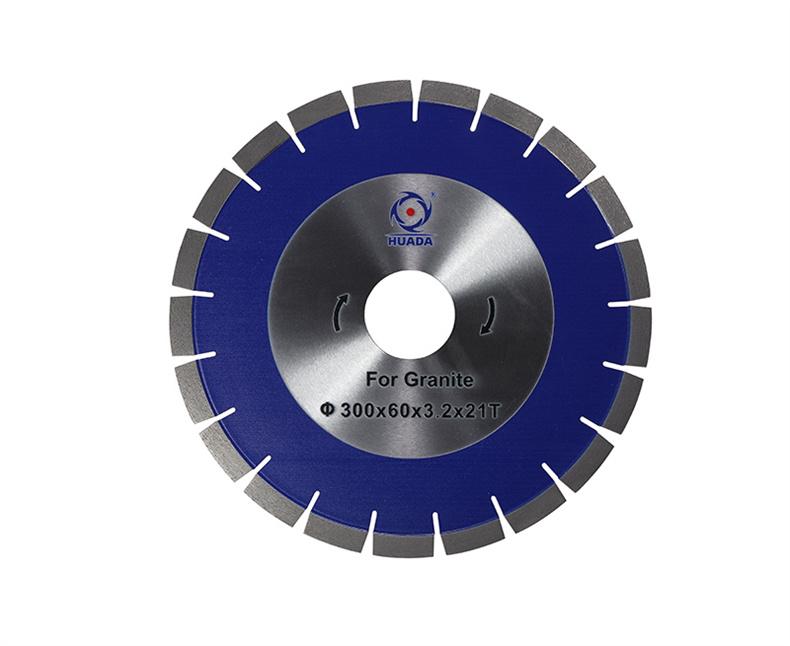
| Blade construction | Supplier drawing and catalog row | Are diameter, core type and segment fields complete and current? |
| Material | Granite identity and representative evidence | Has Huada tied the offered blade to the submitted stone information? |
| Finished slab | Thickness and edge-quality requirement | Is the acceptance method written and measurable? |
| Handover | Manual, marking, inspection and traceability records | Can the delivered blade be reconciled with the approved drawing? |
Keep condition checks separate from operating advice
Local Huada Blog sources discuss installation stability, machine speed, cooling, wear and blade condition. Those topics justify asking for documented compatibility and inspection criteria. They do not justify publishing a universal rotational speed, cutting depth, coolant setting or corrective action for every saw and granite combination.
The purchase package should therefore include the applicable Huada instructions, machine-manufacturer limits and the training responsibility. Pre-use and service decisions belong to those controlled documents. If a blade shows unexpected wear, vibration or edge-quality change, qualified personnel should preserve the evidence and refer it through the approved technical-support route.
Define a representative trial as a record
A commercial trial can identify the granite, saw, blade reference, drawing revision and finished-slab criteria. The supplier-approved method should state who conducts the work and who records the result. The report may include edge observations, blade condition and any machine data the parties have agreed to retain.
This evidence can answer whether the delivered item matches the specification and whether the sample meets the agreed acceptance criteria. It cannot prove a universal bond behavior or establish one peripheral-speed rule. Those causal claims were removed because the reviewed local sources did not support them.
Check receipt against the approved drawing
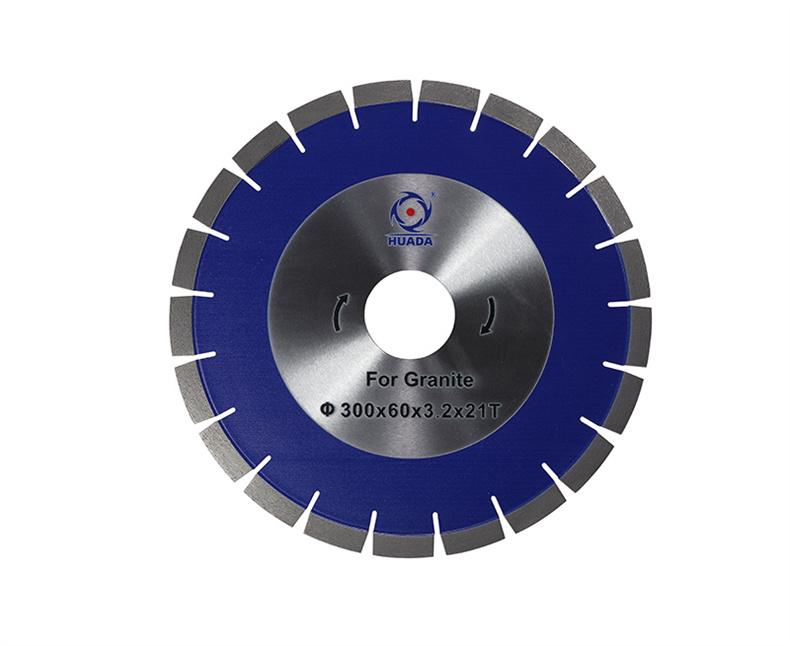
Receiving inspection can compare the blade marking, bore, core type, segment layout and visible condition with the signed documentation. Packaging records and the supplier's inspection certificate, when actually supplied for the order, should be filed as documents rather than advertised as a general certification claim.
Any mismatch should follow the contract's nonconformance process before the blade is released. This keeps commercial resolution distinct from operation and avoids asking site personnel to compensate for an incorrect or undocumented item.
Questions to close before purchase
- Is this a quarry blade guide?
- No. The frozen source identifies a granite slab blade range for bridge saws and small cutter machines.
- Does the article recommend a segment bond?
- No. Huada must bind the offered construction to the submitted granite, machine interface and project requirement.
- Where do operating limits come from?
- They come from the delivered blade instructions, the saw manufacturer and qualified personnel, not from this procurement article.
Conclusion
Granite bridge-saw blade selection is defensible when the saw interface, catalog row, granite record, supplier drawing and acceptance report all describe the same item. That chain of evidence is more useful than an unsupported promise about bond behavior or operating speed.