
A narrow cut leaves more stone in the block, but it does not put every saved fragment on an invoice. For a factory assessing a multi wire saw machine, kerf is one part of a longer conversion from purchased block to accepted slab. Following that conversion explains why a promising cutting result and a disappointing sales yield can occur in the same batch.
Start with the material removed by the cut
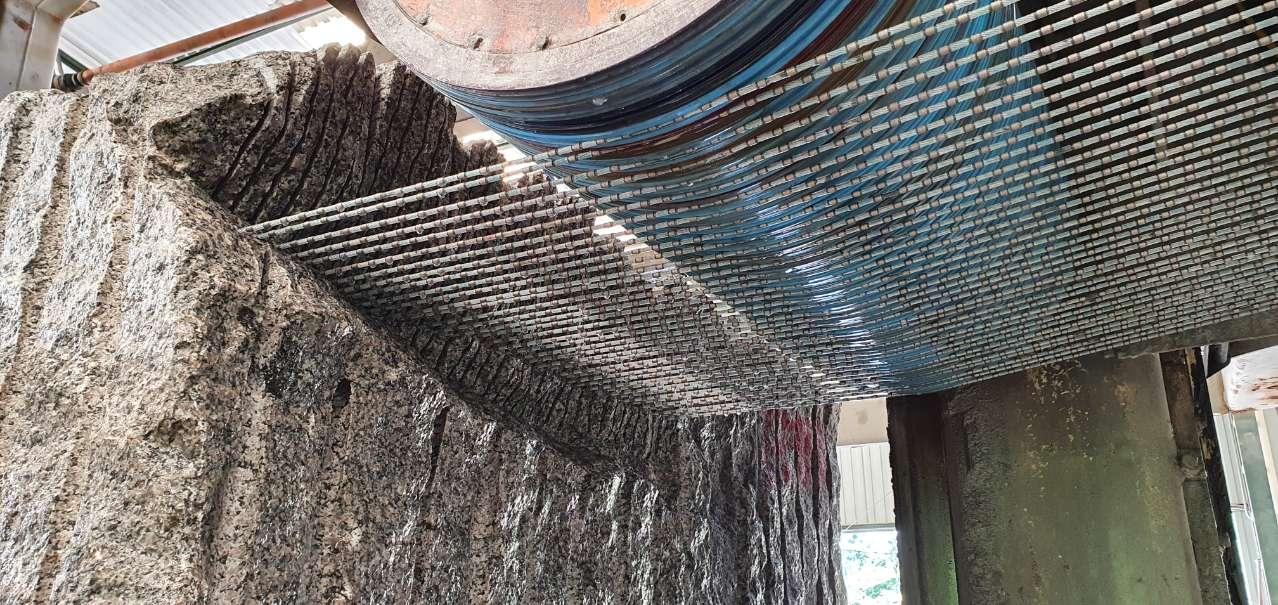
Kerf is the width of the channel created as a cutting tool passes through stone. Across a block containing many parallel cuts, the material removed by those channels is a real part of consumption. A narrower channel can leave more material available for slabs, provided the required slab geometry and subsequent processing remain achievable.
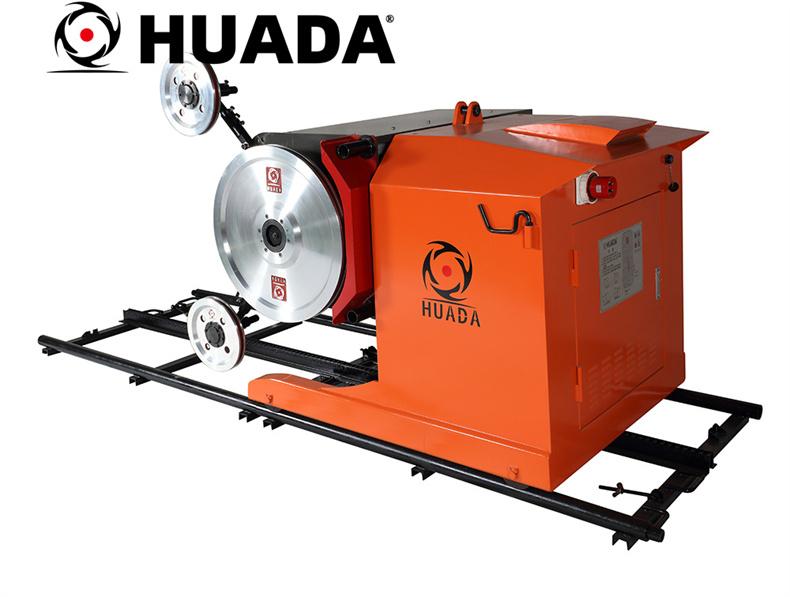
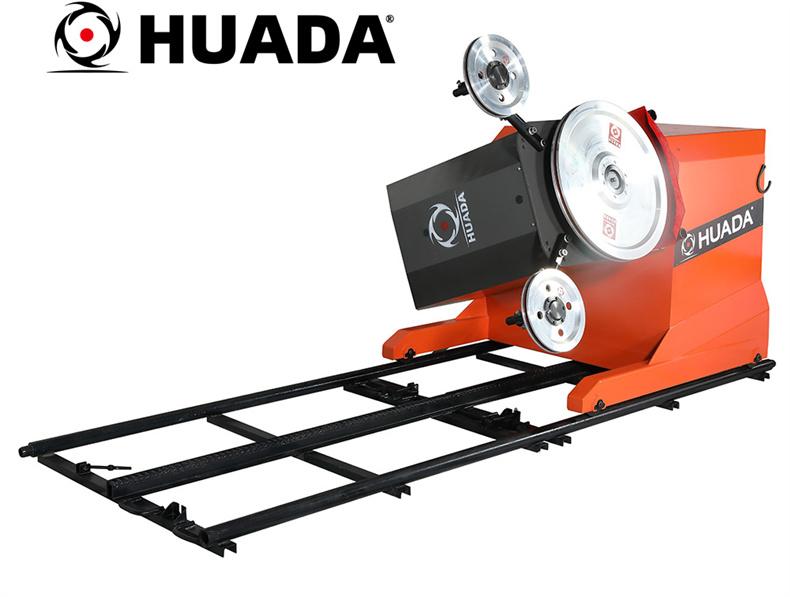
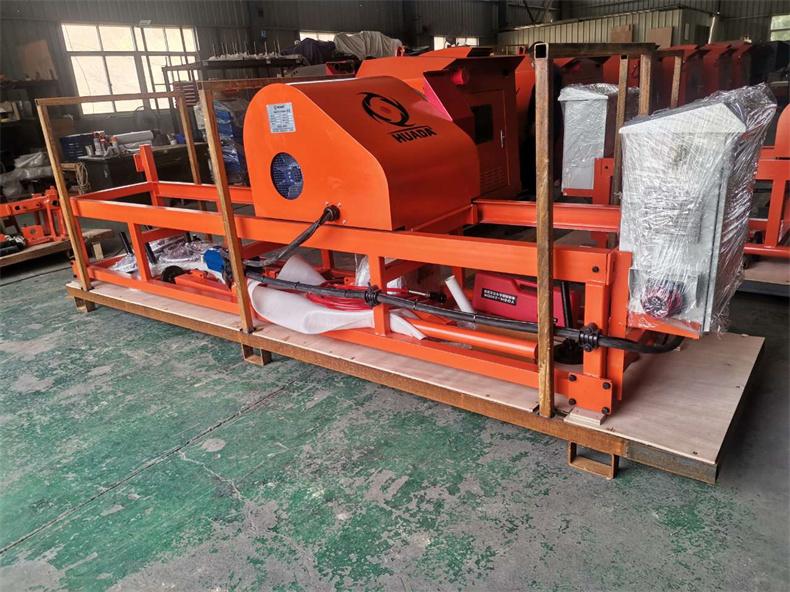
Huada presents its thin multi wire saw cutting machine for stone slicing. Its relevance to recovery is the cutting system's potential to reduce the space consumed between slabs. The actual recovered product still has to be established on the stone and specification being sold.
Wire diameter alone is therefore an incomplete economic measure. The useful question is how much acceptable product remains after the complete conversion, with cutting loss identified separately.

Give each loss its own place
A block does not lose all its unusable material at the saw. An irregular outer shape can require preparation, while the final order may require edges to be trimmed beyond that initial preparation. Combining these losses with kerf makes the saw appear responsible for decisions taken elsewhere.
- Block preparation
- Stone removed to establish the block geometry needed for the intended product.
- Cutting loss
- Material consumed in the channels separating the slabs.
- Product conversion
- Edge trimming and face removal needed to reach the ordered dimensions and finish.
- Quality disposition
- Slabs or portions redirected or rejected because they do not meet the agreed requirements.
These categories explain different problems. Improving the cutting channel cannot recover an edge deliberately excluded from a customer order, and an unsuitable colour match is not evidence of excessive kerf.
Block shape changes the opportunity
Consider two blocks with similar purchased volume but different outlines. One might offer a large regular section suited to the requested slab format. Another might contain protrusions and narrowed ends that contribute to its volume without contributing equally to full-size slabs. Identical cutting performance would not make those blocks commercially equivalent.
Huada's diamond wire for squaring and profiling serves factory block work, including squaring. That preparation role belongs in the recovery discussion because the chosen block geometry determines what reaches the slabbing stage.
The decision is not simply to remove as little stone as possible. Retaining awkward material may add little value when the order requires uninterrupted rectangular pieces. Conversely, a usable smaller format may give an otherwise excluded portion a legitimate destination.

Define saleable before calculating yield
A slab can be physically intact yet unsuitable for its intended order. Appearance, usable dimensions and the required finished face all influence acceptance. A vein interruption might be acceptable for individual tiles but unacceptable in a planned set of adjoining panels. Saleable yield therefore needs a product definition as well as a measurement.
For a material recovery percentage, compare accepted finished volume with the declared input volume. Comparing square metres of slabs directly with cubic metres of block gives an area-per-volume ratio, not a percentage. That ratio can be useful, but its interpretation depends strongly on slab thickness.
Keep downgraded pieces visible. Material sold into a smaller or lower-value product has not become waste, but treating it as equivalent to the original order conceals the commercial consequence. Unsold remnants should not be counted as completed sales merely because a possible use exists.
More recovered stone needs a useful destination
The value of reduced kerf depends on whether the saved material changes the usable output. It may enable another acceptable slab, preserve material for finishing, or leave an end portion that has little immediate demand. Those outcomes have different values even though each involves less cutting loss.
Huada also offers conventional plastic-assembled beaded diamond wire for multiwire saws. That consumable family is distinct from the thin-wire machine discussed here. A comparison between the systems must account for the complete machine and tooling arrangement; the beaded wire is not an interchangeable thin-wire component.
Commercially, additional recovery becomes attractive when its selling value exceeds the extra conversion, storage and handling costs attached to it. There is no automatic margin improvement simply because a mass balance shows less material removed.

Read the recovery result as an explanation
A useful batch account connects purchased stone, prepared block, sawn slabs and accepted finished products. Keep the measurement basis consistent and identify retained remnants separately. Differences between stages then point toward block selection, cutting loss, finishing removal or order acceptance instead of collapsing into one unexplained yield figure.
Comparisons are strongest when stone characteristics, thickness, saleable dimensions and finish requirements are comparable. If those conditions change, explain the change alongside the result. An apparent improvement may come from a more forgiving order rather than the cutting system.
The practical benefit is a better investment question: which loss could this machine actually influence, and what would the recovered material become? That connects kerf to a customer product and a commercial return without asking the cutting process to solve every source of waste.