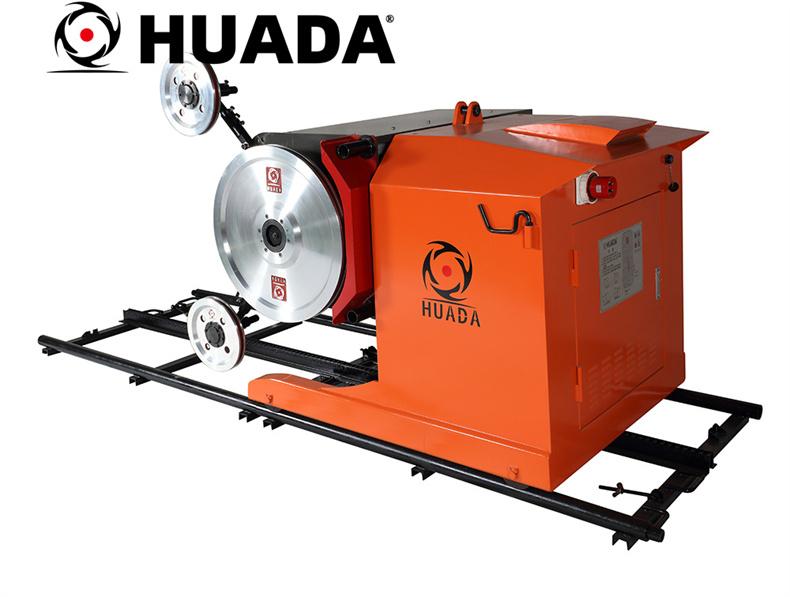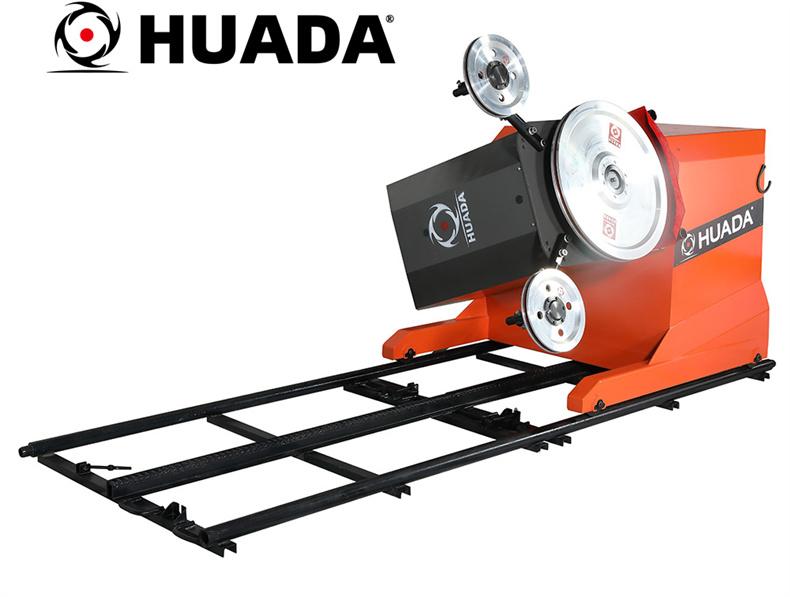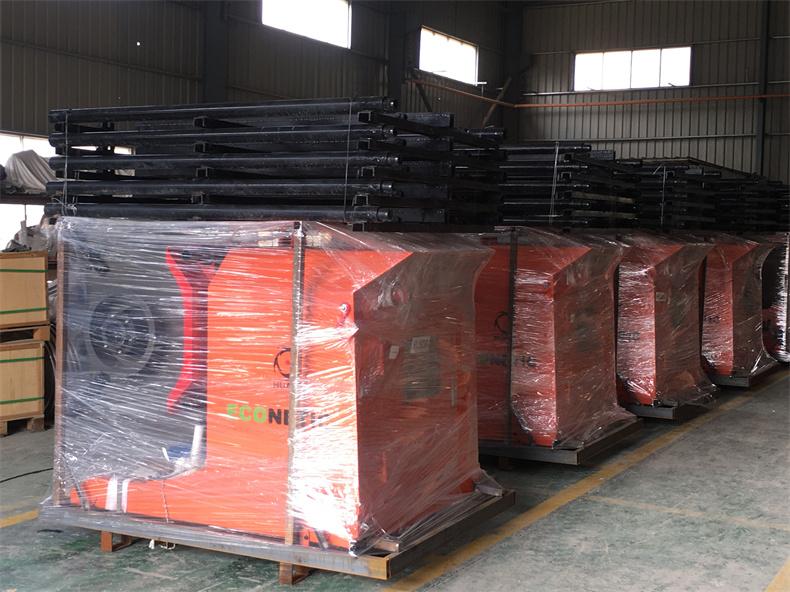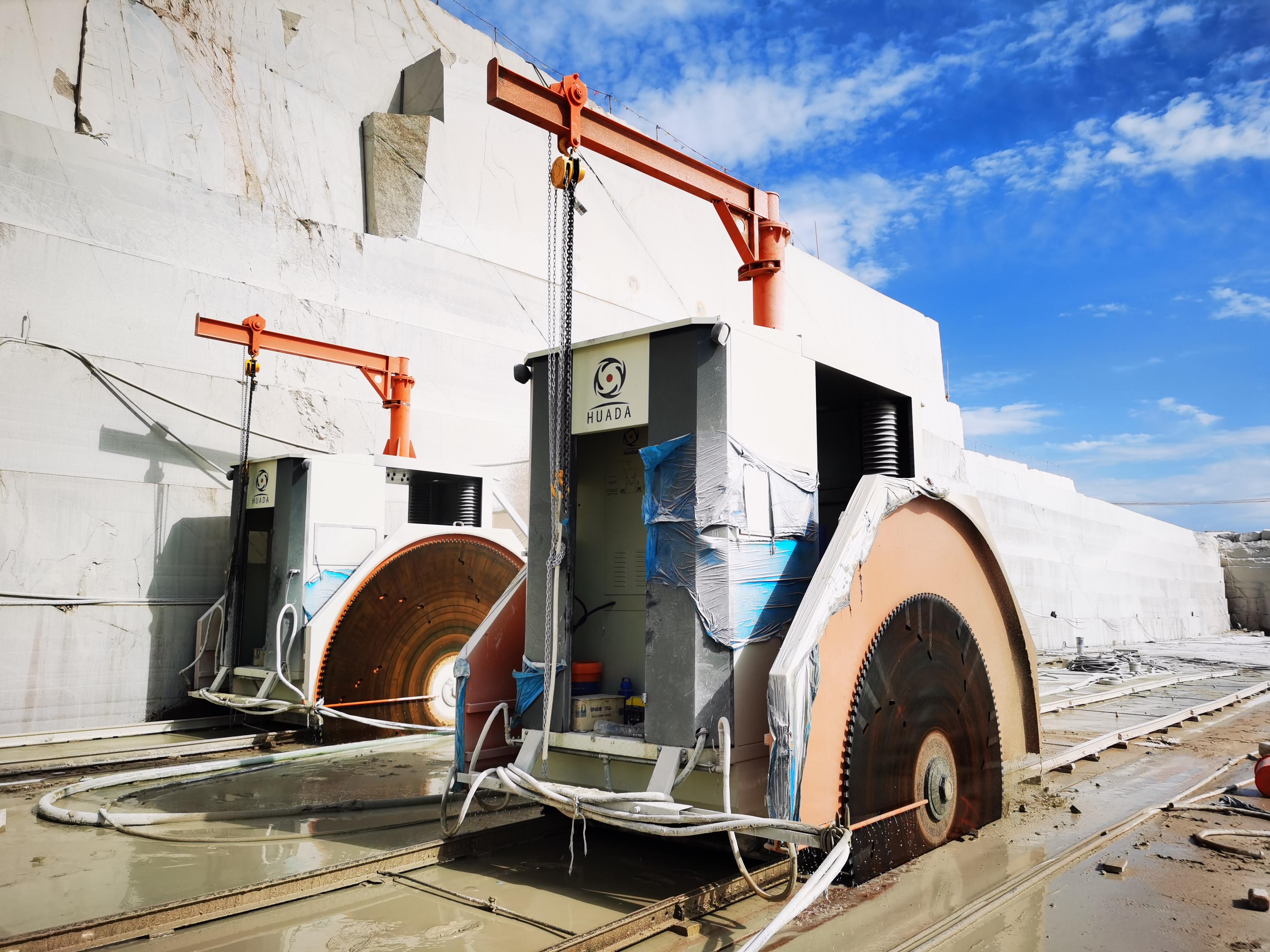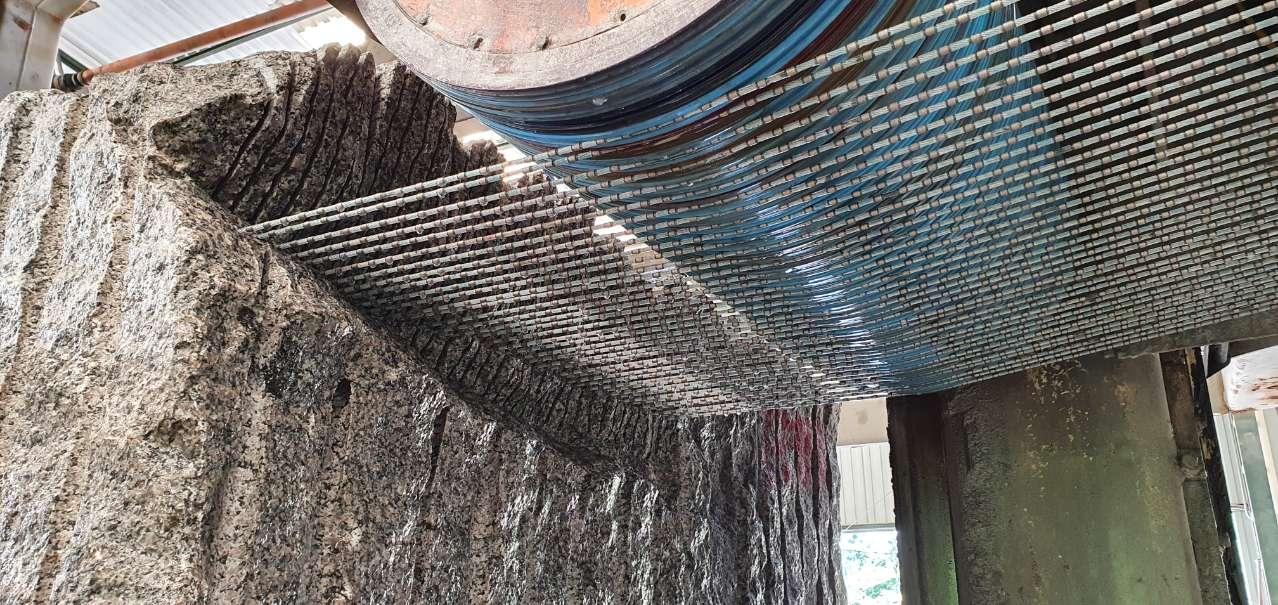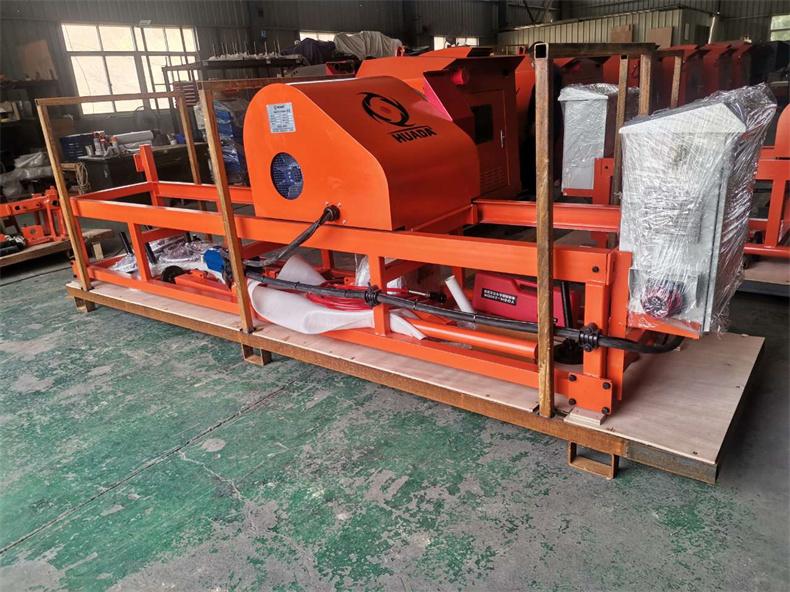

Slab thickness control on a multi wire saw machine is best treated as a measurement system rather than a single adjustment. Huada's local records support thin-wire stone processing, multiple slabs in one cycle, wire-tension control and machine images tied to the product family. A useful purchase file defines how wire identity, slab positions, measurements and control records will be connected.
Create a wire-set register before discussing tolerance
The multi-wire source material describes stone processing with thin wires and includes granite and marble among the applications. It also presents tension management as an important machine function. That evidence supports a register that identifies the wire set, guides or rollers, spacing components and the control configuration offered for the machine.
The register should be a supplier-controlled document, not a list reconstructed from a photograph. Each wire position needs a stable reference that can be carried into the slab inspection sheet. Consumable changes and permitted substitutions should have their own approval record so a later wire purchase does not silently change the accepted configuration.

Design a slab map that represents the whole block
A few isolated caliper readings cannot describe every wire plane across a multi-slab set. The inspection plan should give each slab a position code and define where thickness and surface observations are recorded. Center and edge locations can be represented in the map when the parties agree that they are relevant to the acceptance objective.
The quarry or factory should provide the target slab description and the measurement method it expects. Huada can then state how the machine and supplied wire arrangement will be demonstrated on representative stone. The agreed form should preserve raw readings, not only a pass/fail summary, so repeated position patterns remain visible during review.
Separate machine envelope from process evidence
The official thin-wire pages contain machine-envelope and drive information. Those values are useful for foundation, access and utility design, but they do not automatically prove slab quality. The factory layout package should therefore remain separate from the trial record, with cross-references only where a utility or access condition affects the agreed demonstration.
This separation also keeps procurement language honest. A large installed machine, an advanced control description or a thin-wire claim is not a substitute for measured slabs from declared material. Conversely, a good sample cannot replace the need to verify the delivered machine identity, wire path, guarding, maintenance access and documentation.

Specify the calibration evidence, not the adjustments
| Evidence block | Fields to preserve |
|---|---|
| Reference material | Stone name, block identity, dimensions supplied by the buyer and visible condition. |
| Machine state | Model, control revision, wire-set register and relevant maintenance release. |
| Slab map | Slab position, measurement locations, readings and surface observations. |
| Control record | Tension-related data, alarms and events available from the supplied system. |
| Disposition | Accepted result, open deviation, responsible reviewer and supporting files. |
The adjustment method itself belongs to Huada's manual and qualified commissioning personnel. The buyer's specification should avoid publishing a universal tension, feed or line-speed instruction. Its role is to state what evidence must exist before the slab set is accepted.
Ask what the tension system actually records
One frozen Huada product page describes synchronized roller control and predictive wire-tension monitoring. The older stone-processing source separately identifies the multi-wire machine and its slab-cutting purpose. A technical agreement may use both records, but it should ask which sensors, values, alarms and exports are present on the offered configuration instead of assuming that every family member has the same controls.
Where a tension feature is included, the acceptance form can link its recorded events to slab positions and wire identities. That creates evidence for supplier analysis if a pattern appears. It does not authorize an operator to change control parameters outside the manufacturer manual.
The data-retention question belongs in the quotation as well. The buyer should know whether records can be exported, how timestamps and wire positions are identified, and which software revision produced the file. Those details make later thickness reviews reproducible.
Review the reference-block proposal commercially
The parties can agree on representative granite or marble, the number and location of measurements, the finish observations and the documents required at completion. The source material supports these stone applications but does not justify a universal tolerance or yield promise. Those values must come from the project specification and signed quotation.
The proposal should also explain what happens to an outlying slab. A documented route may call for measurement confirmation, material review or supplier analysis. Keeping that route in the contract reduces pressure to diagnose a machine, wire or stone issue from one unverified reading.

Complete the handover package
- Machine model, control revision and documented wire path
- Wire, guide, roller and spacing-component references
- Foundation, utility and maintenance-access drawings
- Manufacturer manual, alarm list and training scope
- Blank slab map, reference-block report and deviation workflow
Purchasing can use this package to distinguish included controls from optional claims and to keep later consumable orders tied to the accepted machine configuration.
Conclusion
A multi wire saw machine thickness program is credible when every slab reading can be traced back to a position, wire set, material record and machine configuration. That evidence-centered approach supports supplier review and repeatable purchasing decisions without publishing operating parameters.