
A blade table may offer the same size with either a silent or a regular core. The choice sounds straightforward until the word 'silent' is treated as a complete noise specification. It is an option label, and a useful discussion separates what that label identifies from what still needs to be established about the blade, the stone and the workshop.
What the two columns actually tell the buyer
Huada's marble blade range marks silent and regular core options. The granite and engineered-material blade ranges also show both. Their presence establishes that core choice is an attribute to identify in the supplied blade. It does not establish a measured sound reduction for every size or every stone.
The regular label should not be read as an acoustic measurement either. It identifies the alternative listed by the supplier, without stating how loud the complete cutting process will be. A quotation that names the selected core resolves product identity, while a noise comparison requires separate evidence.
This distinction is useful when several people handle the purchase. A buyer may intend to order a particular core option while production interprets the same wording as a promised workshop result. Giving those two questions separate answers prevents a simple catalogue label from carrying an unintended guarantee.
The core and cutting segments have different jobs
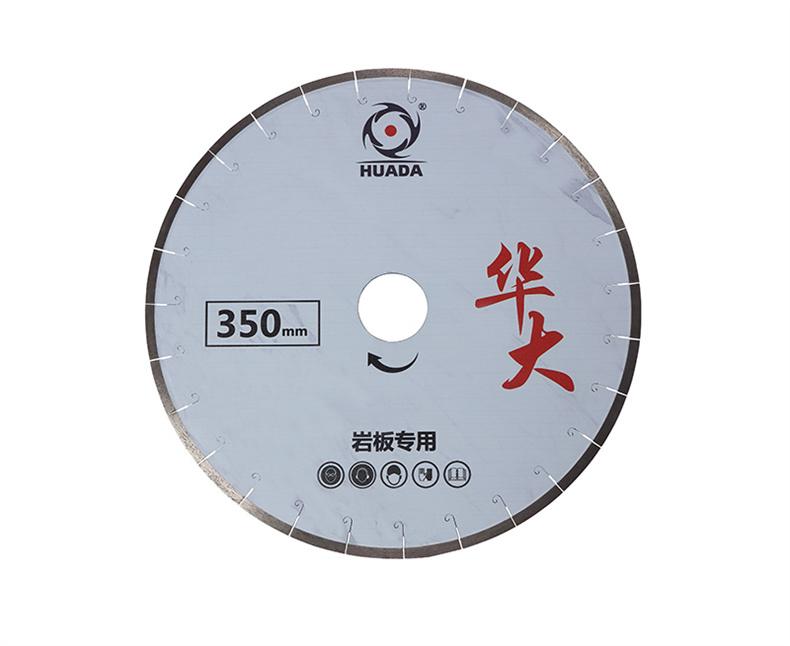
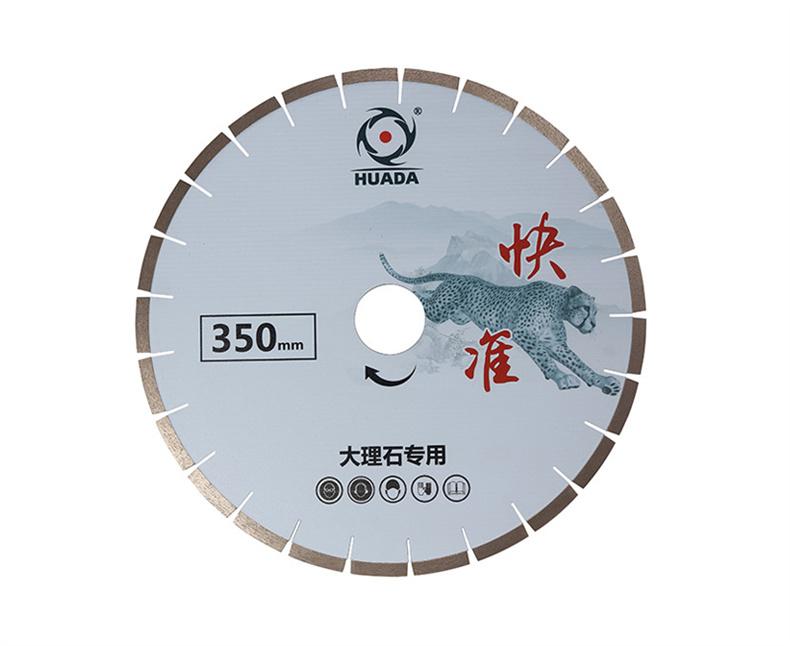
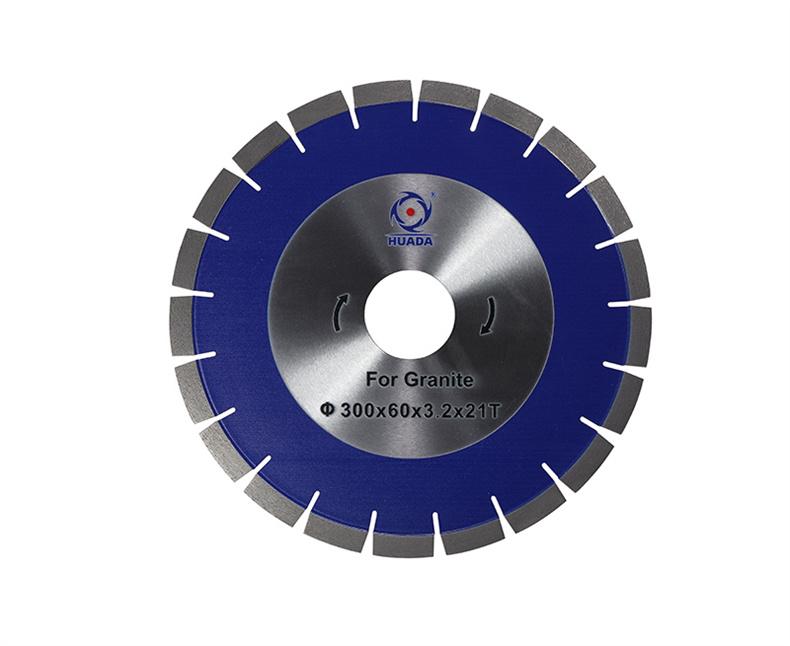
In a segmented circular diamond blade, the core is the supporting disc and the segments are the cutting elements around it. Core selection and material-specific segment selection are related within a complete blade, but they describe different parts of that blade. Choosing a silent option does not, by itself, establish suitability for a particular granite or marble.
Huada's blade information links its marble and granite offerings to the characteristics of the stone and the customer's requirements. That material discussion remains necessary whichever core option is considered. Likewise, the saw's permitted blade configuration remains relevant; an acoustic preference does not replace compatibility.
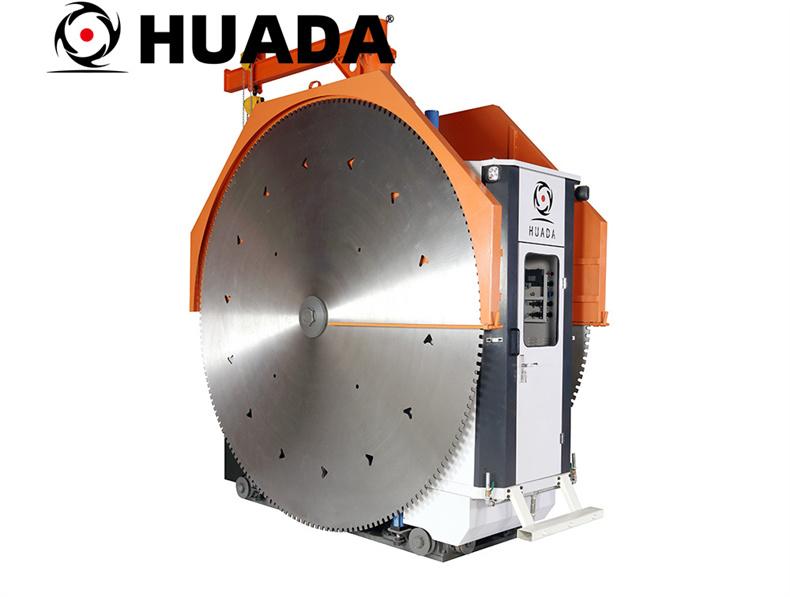
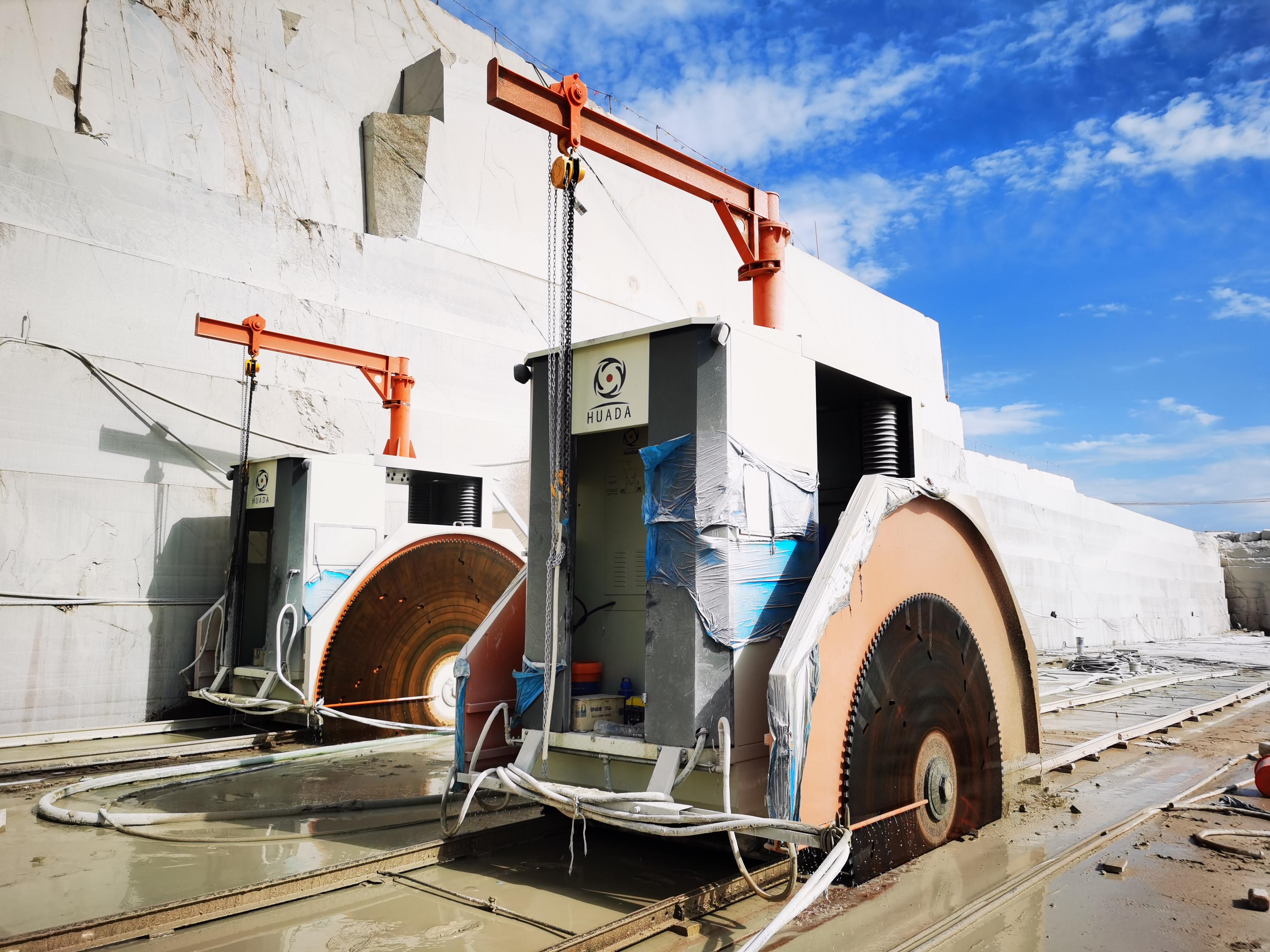
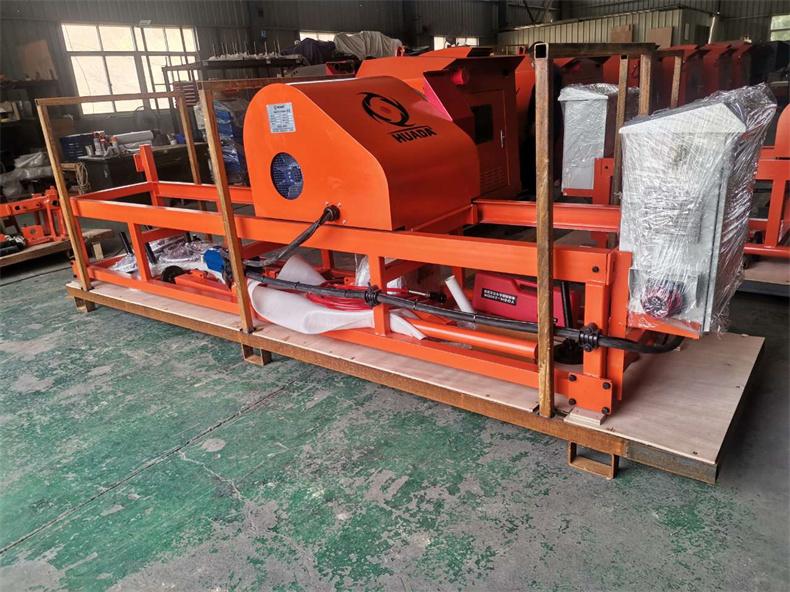
The labels alone also leave the exact core construction unresolved. A reader should not assume a particular layered structure, damping material or slot arrangement from the word 'silent.' Those details belong to the offered design. A photograph may help identify a product family, but it cannot reveal every internal feature or substantiate an acoustic claim.
Workshop sound has more than one contributor
During cutting, sound can come from the blade and stone interaction, the machine and other equipment nearby. Reflections within the building and the position of the listener also affect the observed sound. A change to one component therefore does not translate automatically into the same change everywhere in the workshop.
This explains why a quieter impression at one location and a measured difference at another need not answer the same question. It also explains why an idle demonstration cannot describe the full sound of cutting the intended material. The relevant event is the defined production task, with its surrounding conditions made clear.
Even if a particular silent-core option is demonstrated to reduce part of the sound, the process still has other contributors. 'Silent' should therefore be read as the supplier's core designation, not as noise-free operation or as proof that the workshop's overall noise concerns have been resolved.
Make a comparison about a defined question
Before interpreting an acoustic comparison, establish whether it concerns sound at a particular workstation, a characteristic of the machine, or a listener's subjective impression. These are different forms of evidence. A figure without its measurement method and conditions cannot answer all of them.
A meaningful comparison identifies the blades, machine, material and cutting task, with equivalent measurement conditions. Background activity matters because it can obscure the contribution being compared. If the core is the feature under discussion, changes in other blade attributes should remain visible rather than being attributed to the core without explanation. Qualified acoustic assessment can establish an appropriate method where measured sound is a purchase requirement.
The result should retain its boundaries. Evidence from an identified saw and material may support that application, but it does not establish the same benefit across every workshop. No universal reduction follows from the core label, and Huada lists these core options without a quantified acoustic comparison.
An option can be valuable without becoming a universal promise
A factory can reasonably prefer a silent-core option while still evaluating cut quality, material suitability and total purchase cost. Those considerations need not collapse into a single ranking. An acoustic preference may matter greatly at one workstation, while another buyer's immediate concern is compatibility with a specific material and machine.
Huada's engineered-material blade range illustrates the point: it identifies material applications and segment alternatives alongside the core choice. Selecting one attribute does not settle the others. The complete offered blade, rather than the most appealing word in its description, is the item being purchased.
The useful final statement is precise: this blade is supplied with this core option for this agreed application; any claimed acoustic benefit is supported by the stated evidence. That wording leaves room for a worthwhile product choice without turning 'silent' into an unmeasured promise about the entire factory.