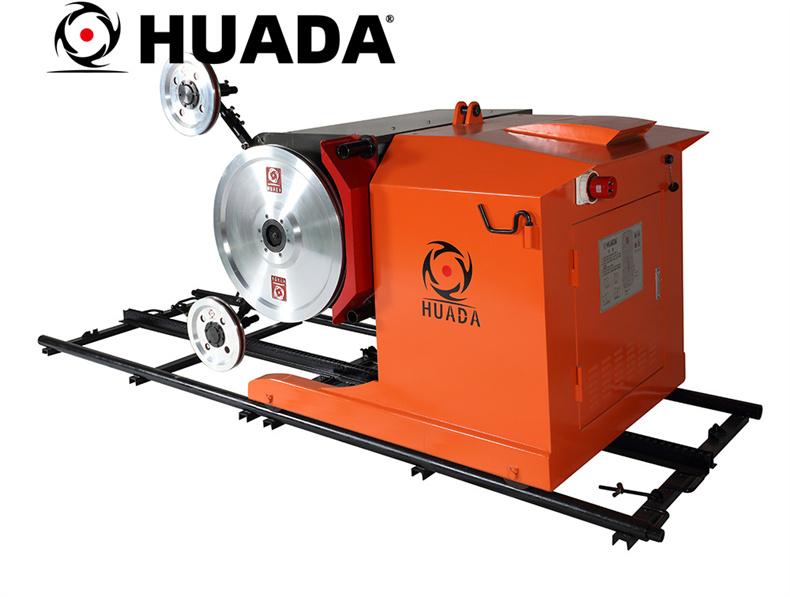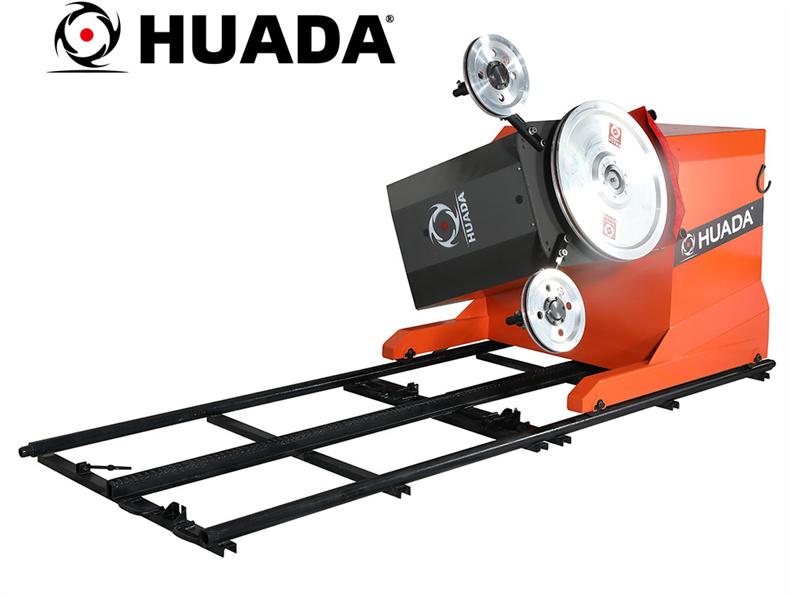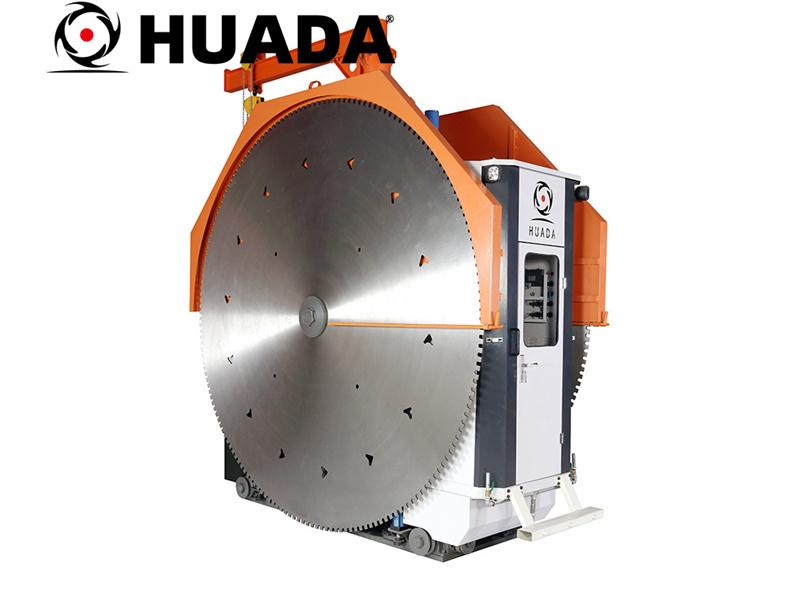

A double-blade machine and a quarry wire saw cannot be ranked responsibly from one headline number. Huada's local sources describe different equipment identities and more than one granite-mining layout, but they do not provide a controlled side-by-side trial proving a universal winner. A defensible choice therefore compares project drawings, supply scope and acceptance evidence for each option.
Set the evidence boundary before comparing methods
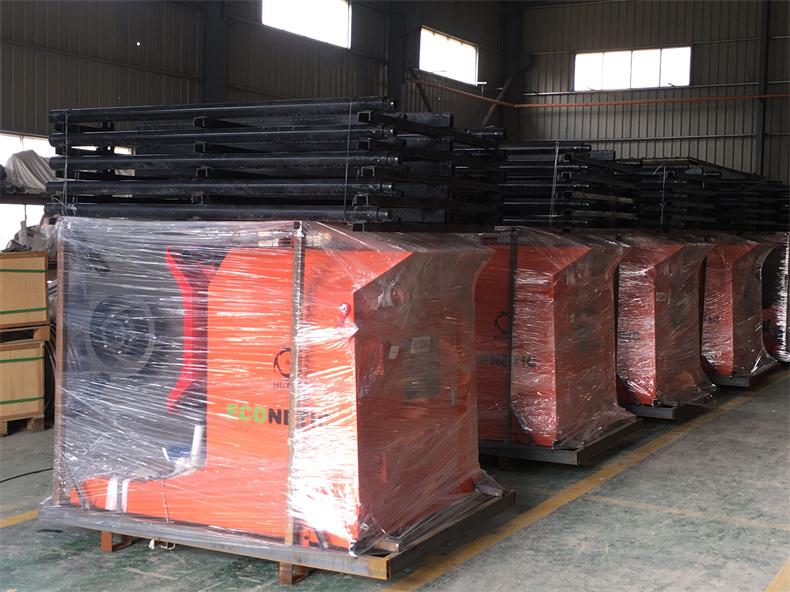
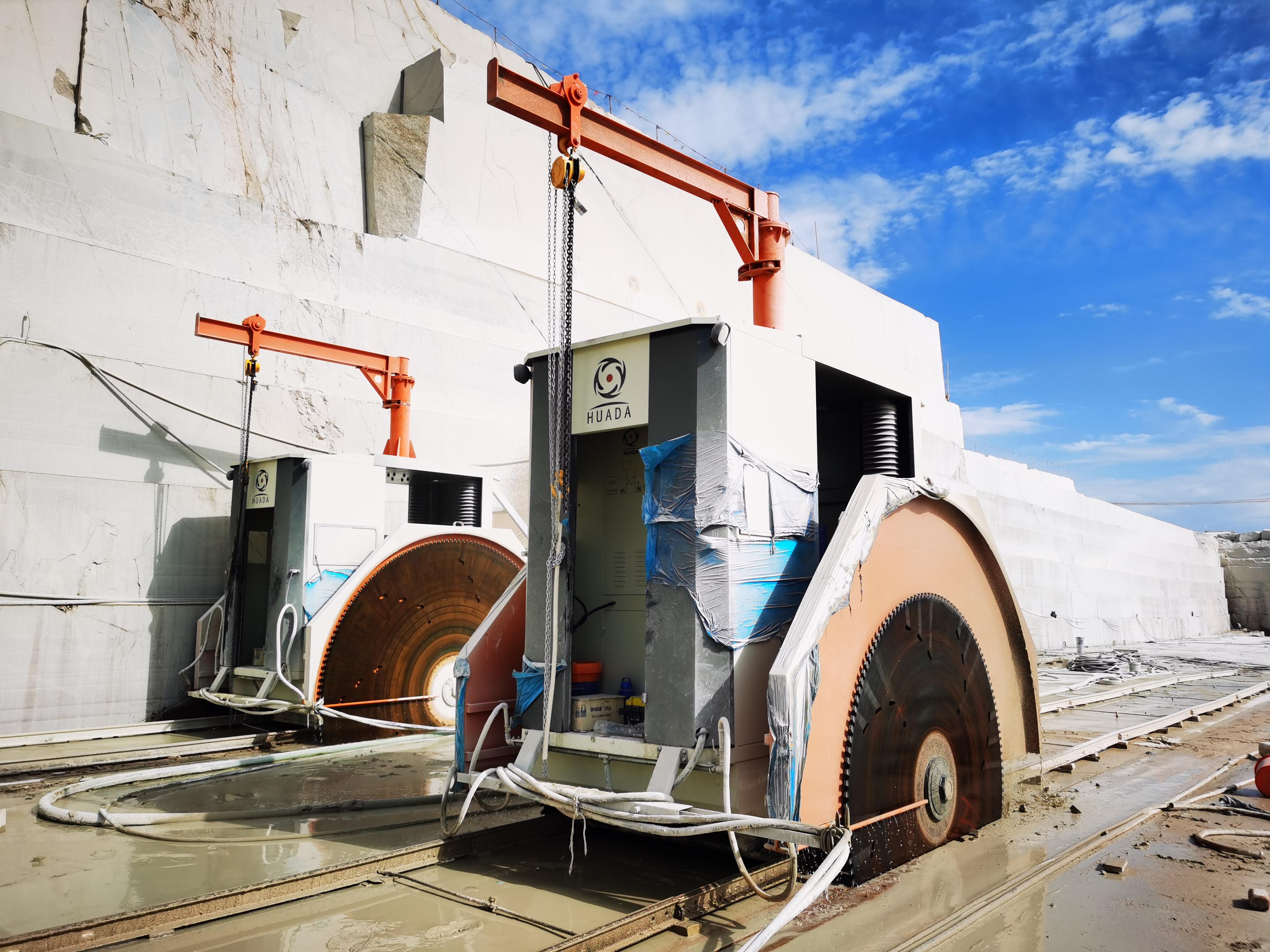
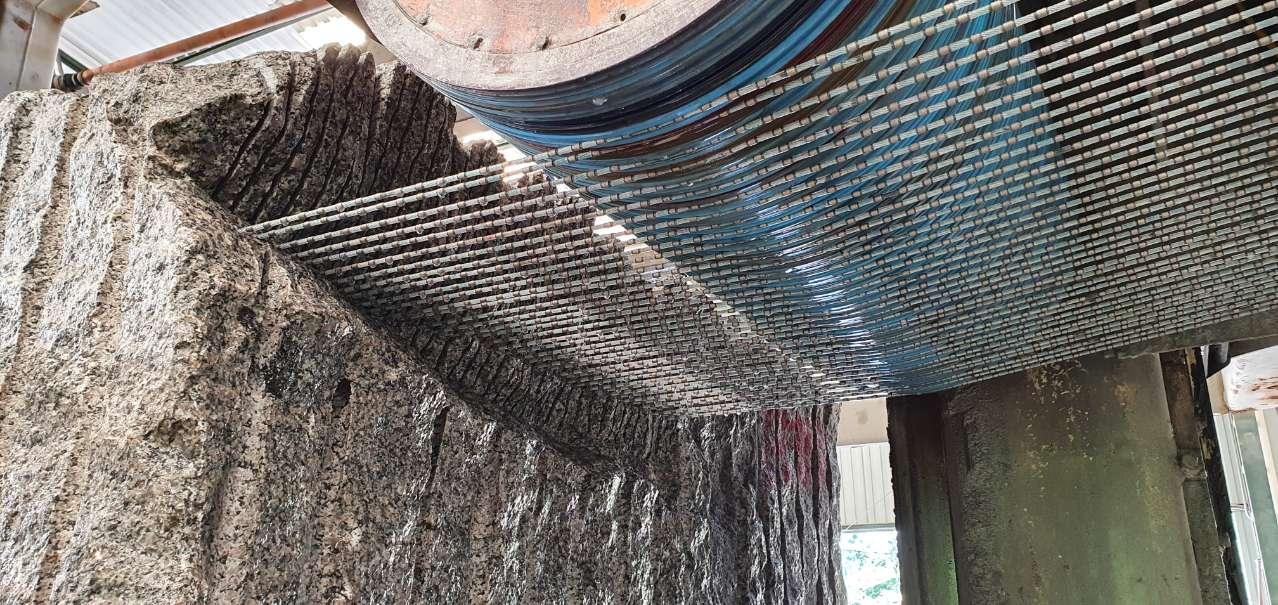
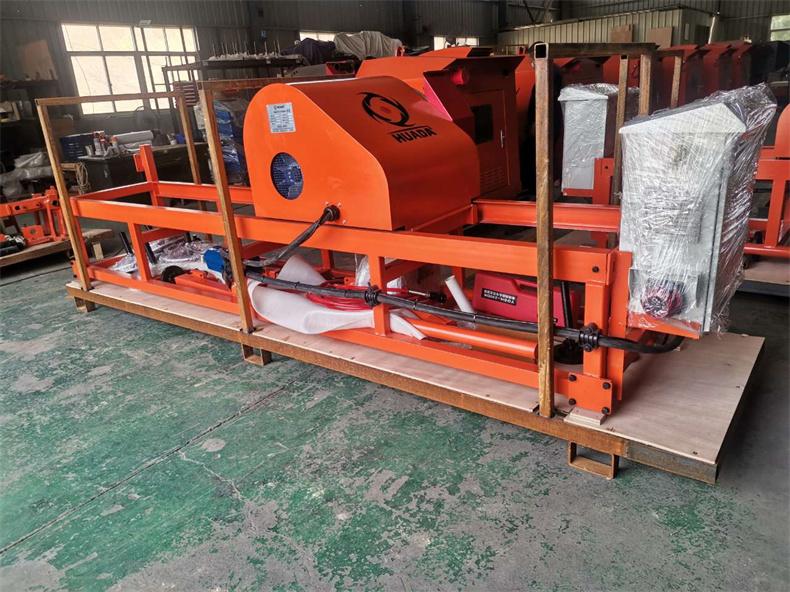
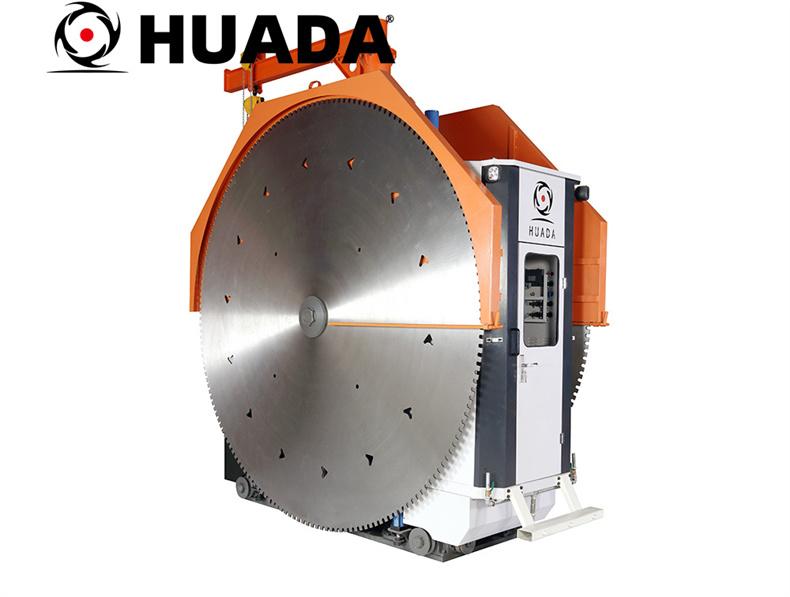
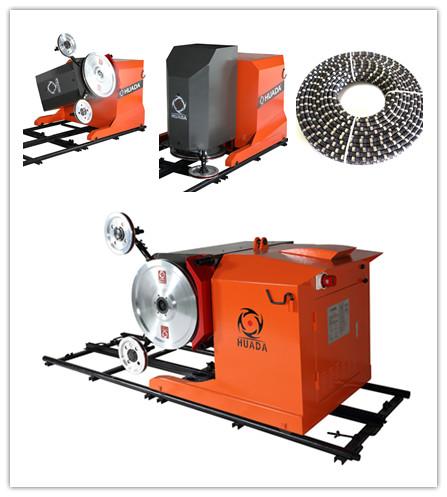
The Huada DWS product record describes wire-saw-only granite extraction and a combined layout in which a circular saw cuts vertical faces while diamond wire makes the horizontal bottom cut. The HD1360 page describes a granite double-blade machine with belt drive, protected guide pillars, double-chain travel drives and quarry-oriented electrical controls. These facts establish two product families; they do not establish equal test conditions.
An older Huada Blog compares wire sawing with flame cutting, not with a double-blade machine. Its statements about kerf and cutting direction cannot be reused as proof of a double-blade-versus-wire-saw advantage. Likewise, the circular-saw process article explains parallel vertical sawing and staged blade use without measuring the DWS product against the HD1360 on the same bench.
Describe the quarry job once for both suppliers
A fair enquiry uses one project brief. It should show the stone and bench, required faces, intended block dimensions, access, existing civil works, utilities, handling route and downstream acceptance needs. If the two offers assume different cut boundaries or block-removal work, their prices and production claims are not yet comparable.
The drawing should distinguish vertical, horizontal and any other required faces without assigning them prematurely. Each supplier can then mark which faces its proposed equipment covers and identify any drilling, track, pulley, lifting or secondary-machine scope that remains outside the offer.
Compare evidence categories instead of slogans
| Decision file | Double-blade proposal | Wire-saw proposal |
|---|---|---|
| Equipment identity | Exact model, blade range, track and current HD/DBM/GV clarification | Exact DWS model, rail, supplied wire and guide-component scope |
| Faces in scope | Faces assigned to circular-saw work on the shared drawing | Faces assigned to wire cutting on the same drawing |
| Site interfaces | Civil, track, electrical, water, handling and controlled-area documents | Machine location, rails, pulley-layout review, services, access and block handling |
| Commercial boundary | Included blades, installation support, training, spares and exclusions | Included wire, guides, installation support, training, spares and exclusions |
| Acceptance evidence | Representative record tied to granite, geometry and delivered configuration | Representative record tied to the same project boundary and delivered configuration |
The table does not assume that both methods will perform the same work. Its purpose is to expose differences in scope before anyone compares cost, time or recovery.
Where the combined layout fits the discussion
Product 325 associates its combined circular-saw vertical cuts and wire-saw bottom cut with small and medium mechanized granite quarries having a complete ore body. That source statement makes a combined proposal legitimate to investigate when the site description matches, but it is not a recommendation for an unnamed quarry. The project team still has to confirm geology, faces, access, equipment compatibility and release planning.
A combined offer should be priced and documented as a system boundary. The file needs to say which supplier owns the interface between vertical and bottom cuts, which machines are included, how identities are recorded and what evidence closes the handover between work packages.
Ask each offer to explain its assumptions
- What part of the quarry drawing is included?
- The response should mark the faces, relocations and auxiliary work covered by the quoted scope.
- Which source page and current document define the offered machine?
- Family names are insufficient; model, accessories, consumables and revisions should be named.
- Which site conditions were reviewed?
- The supplier should list the stone, bench, services, access and handling information actually considered.
- How will a result be judged?
- Any target should remain connected to the granite, geometry, delivered configuration, measurement method and stated exclusions.
A commercial comparison should also normalize exclusions. Civil works, drilling, rails, guide components, blades, wire, lifting, installation assistance and training can sit in different parts of two quotations. Recording each item as included, excluded or buyer-supplied prevents an apparent equipment-price difference from concealing a scope difference.
Do not turn the comparison into operating advice
This article does not tell a quarry how to install blades, route wire, set speed, apply tension, change feed or release a block. Those actions require the current manuals, engineered work plans, qualified personnel and site safety controls for the selected system. The comparison ends at evidence, responsibility and acceptance design.
Use both official product paths
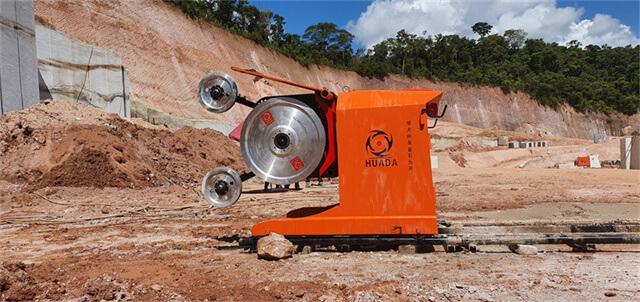
Review the double blade granite stone mining machine and the quarrying wire saw granite cutting machine against the same project brief. The Blog retains one CMS product tag, “stone quarry cutting machine,” while the two links make the comparison scope explicit.
Conclusion
The right outcome is not a generic declaration that one technology always wins. It is a quarry-specific record showing what each proposal covers, which source facts support it, which assumptions remain open and how the delivered configuration will be evaluated. That record can support a double-blade, wire-saw or combined discussion without inventing comparative performance, cutting-loss or customer-result claims.