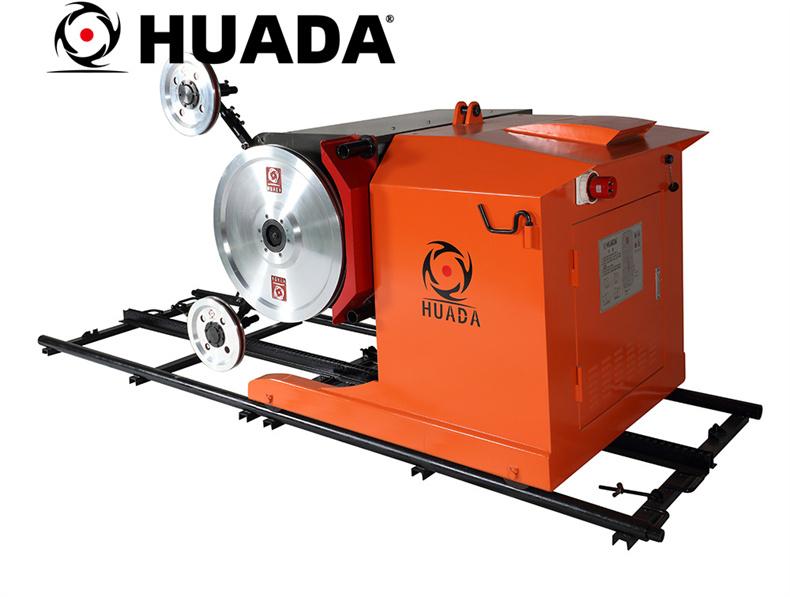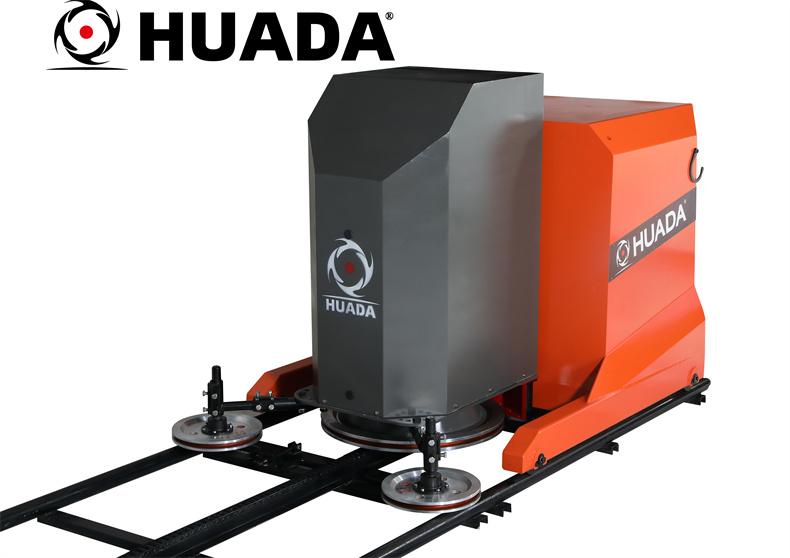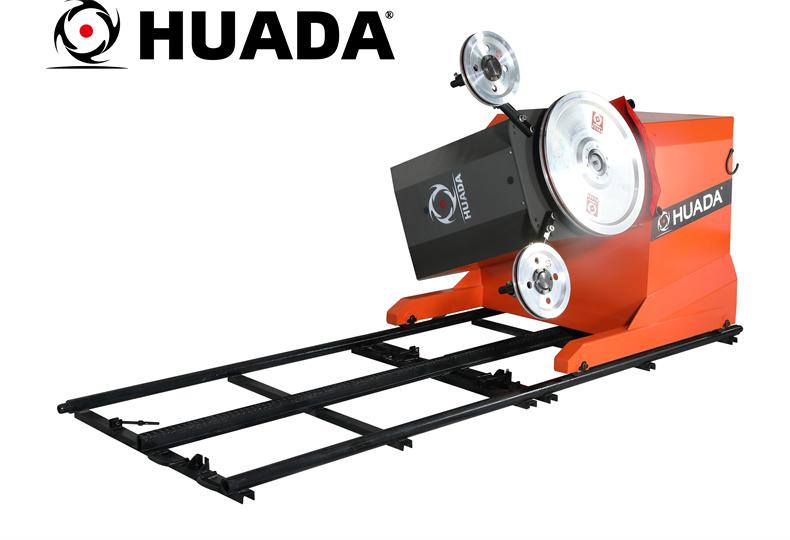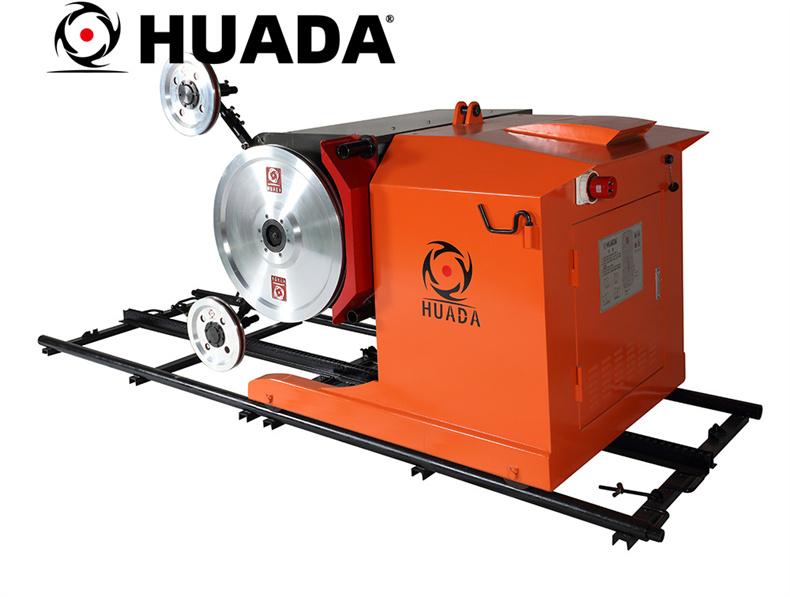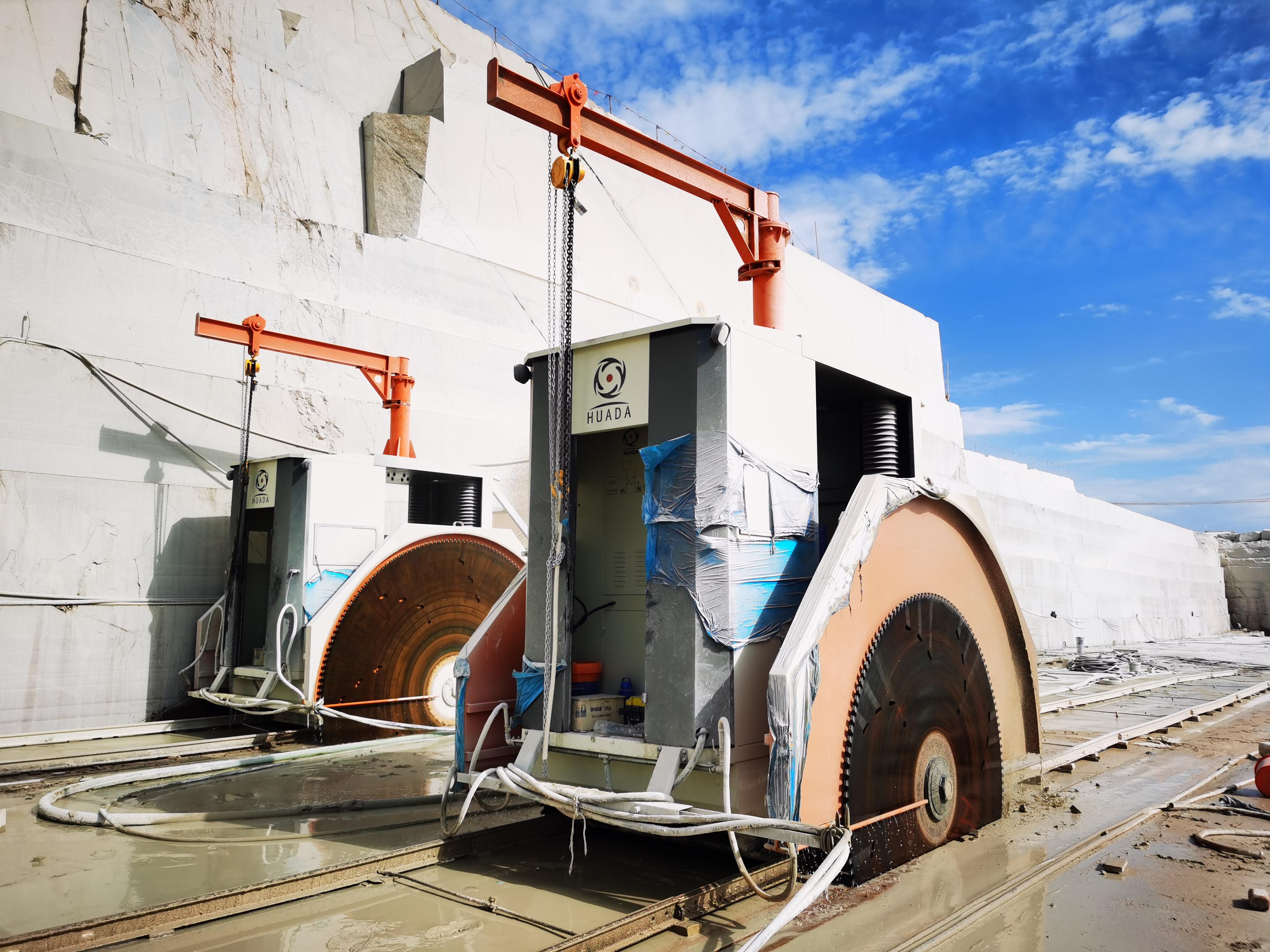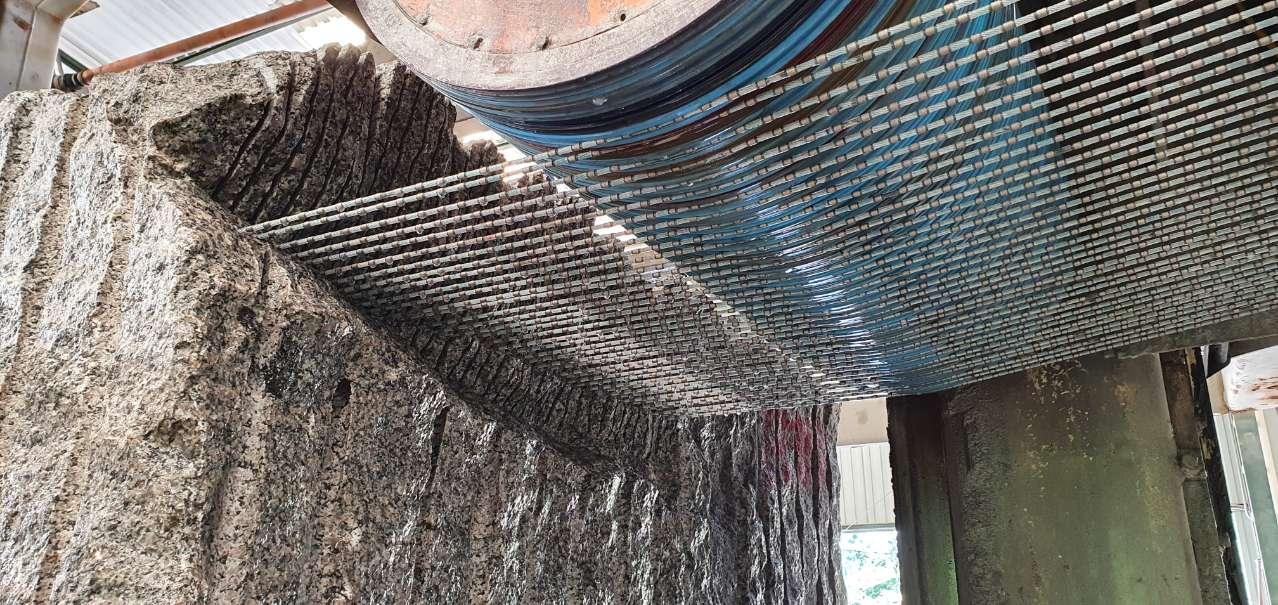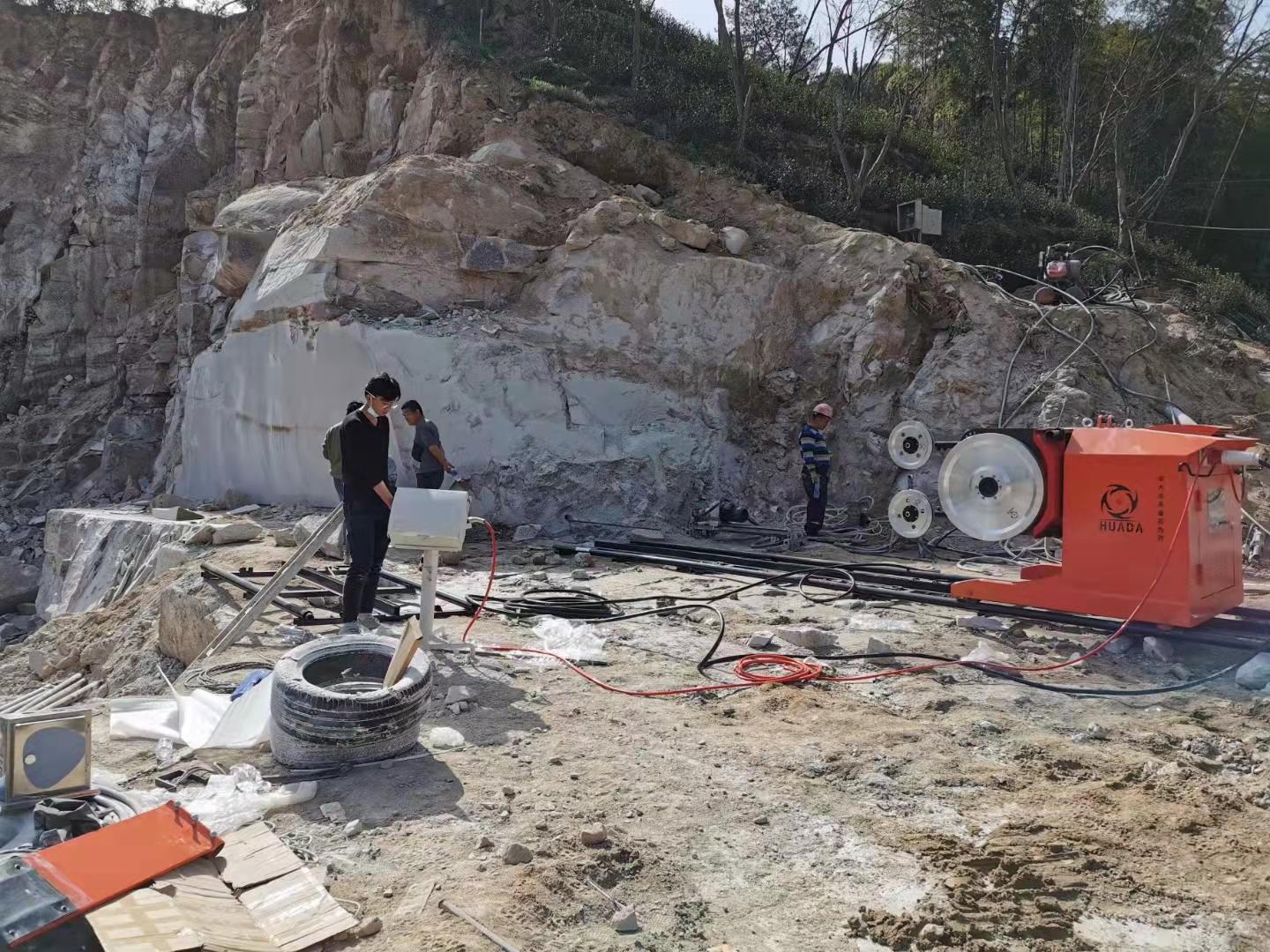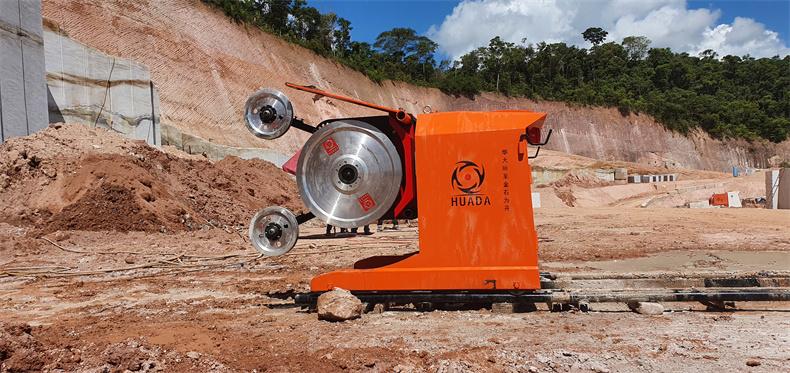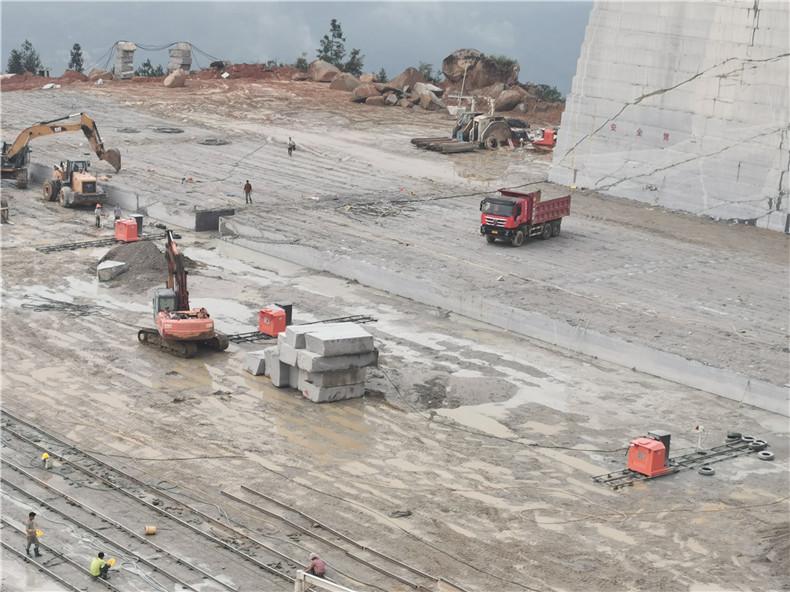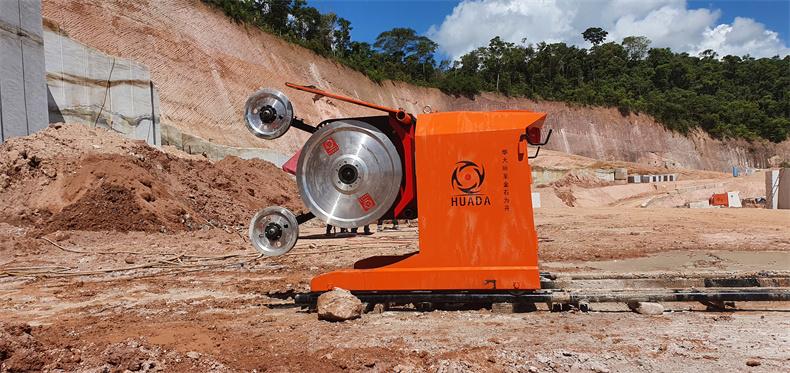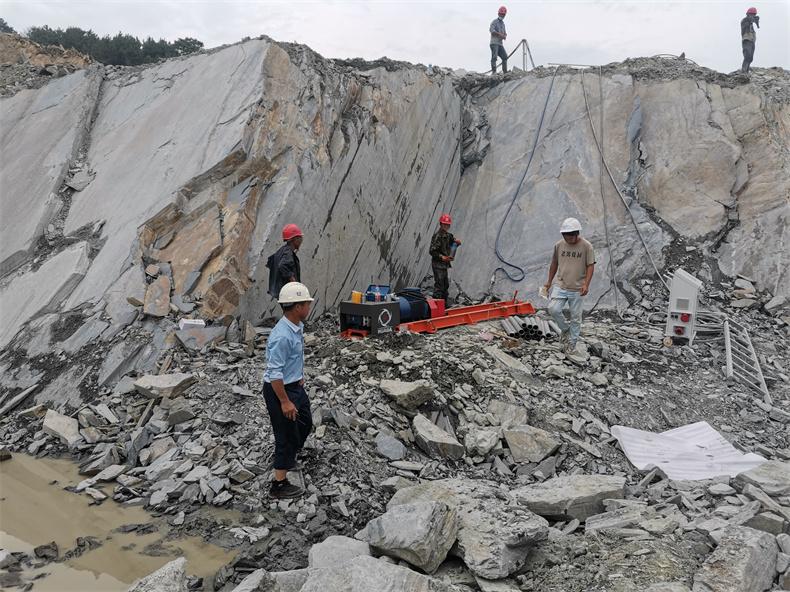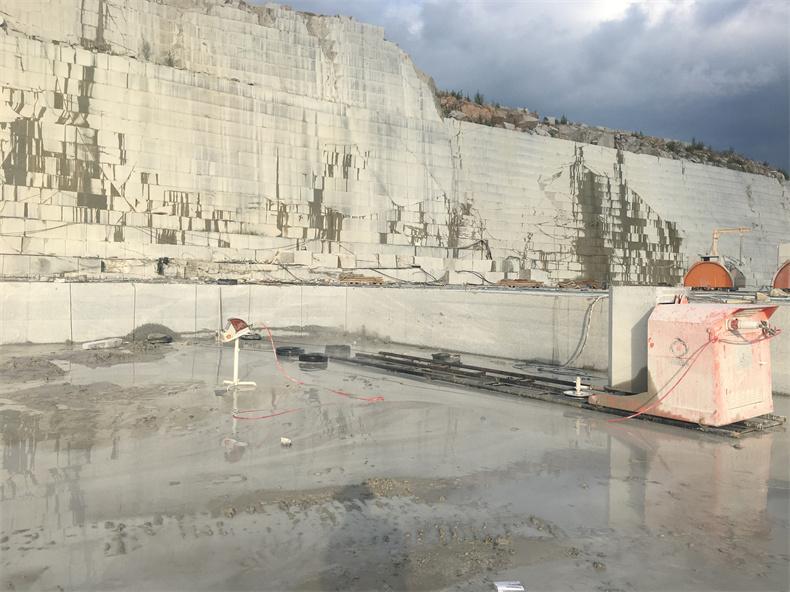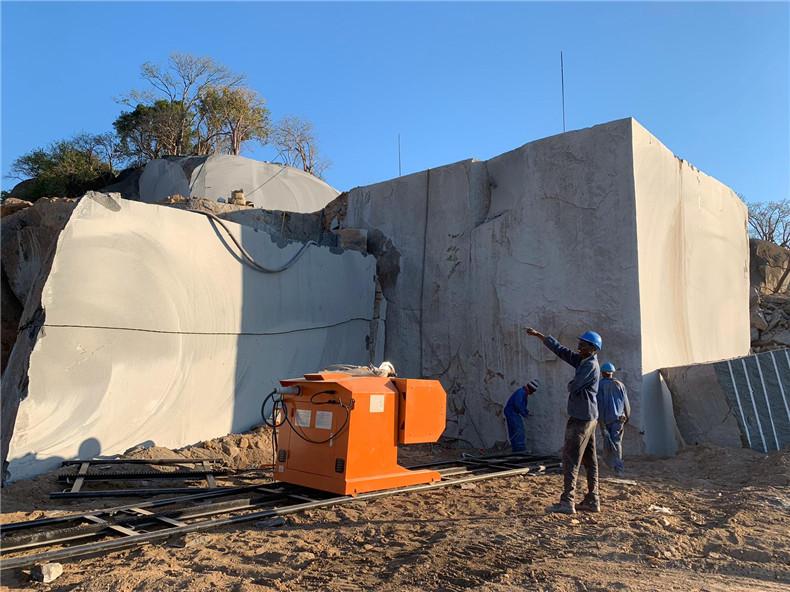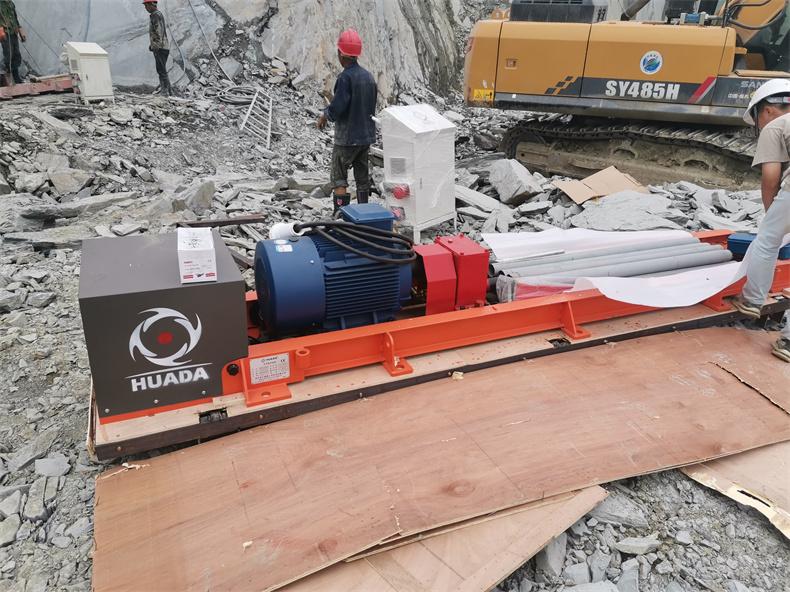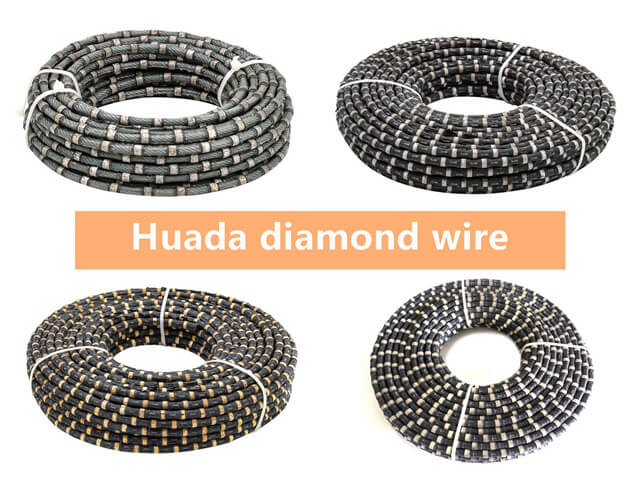

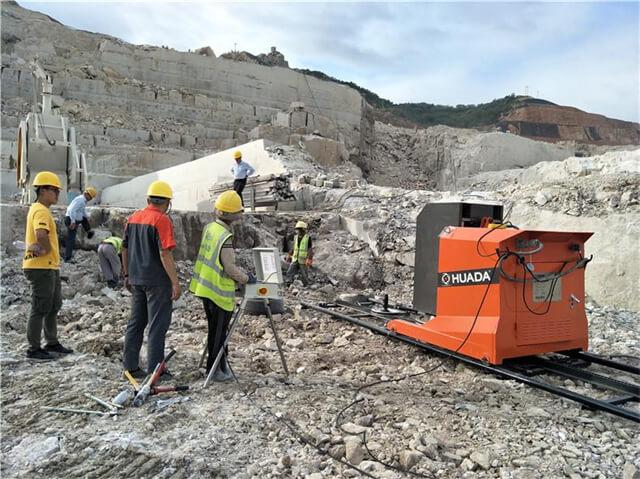
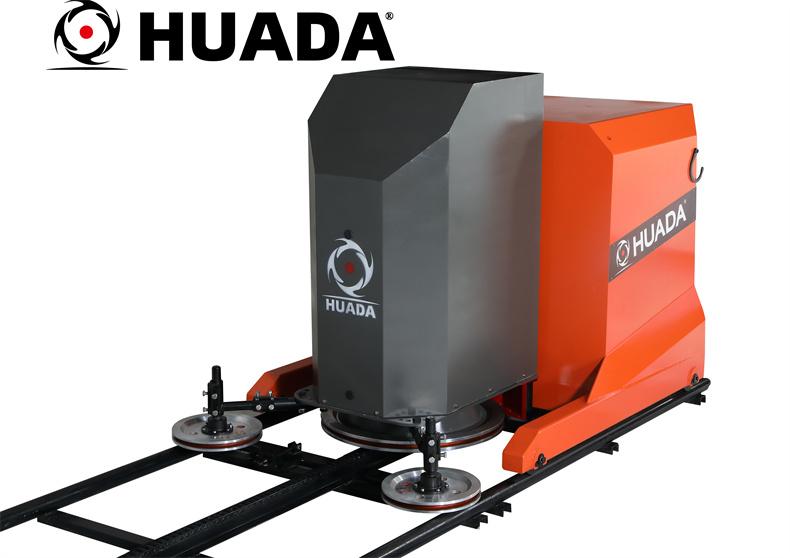
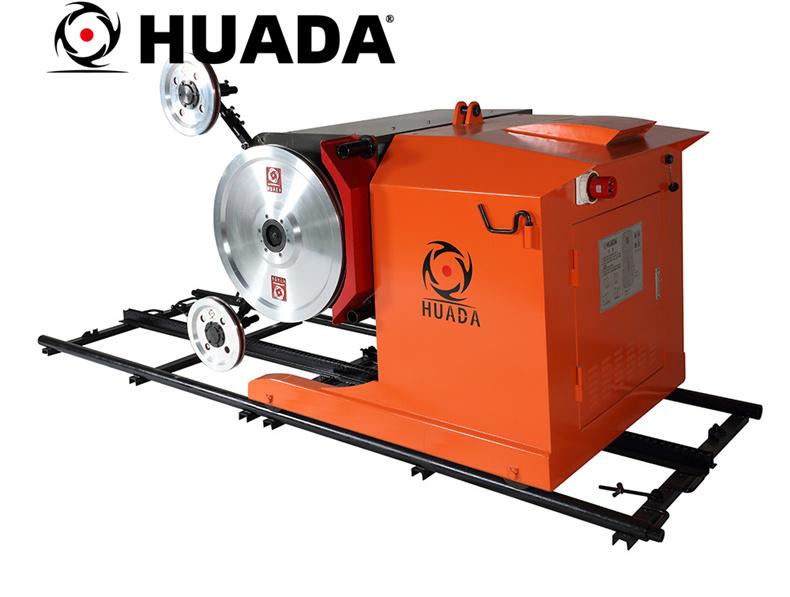
This hard-stone cutting page places the Econetic wire saw in granite mining, where the saved narrative says industrial wire-saw use followed marble quarrying and has a history of more than 20 years.
Hard-stone extraction routes in the old record
The source names wire saw plus rock drilling and splitting, a route combining wire saw, flame cutter, rock drill and splitting, and a full-sawing method. Select from the actual granite structure, quarry access and planned block faces. The article's history statement does not establish which method is best for a specific site.
For mechanisation planning, record the present drilling or splitting process and identify which cuts will move to the wire saw. That creates a measurable comparison instead of a general claim about improved yield.
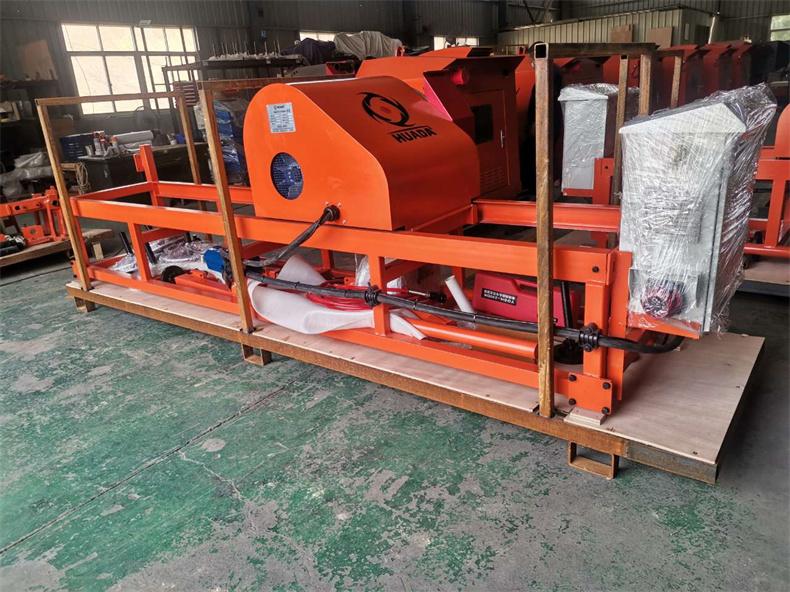
Machine range for hard stone
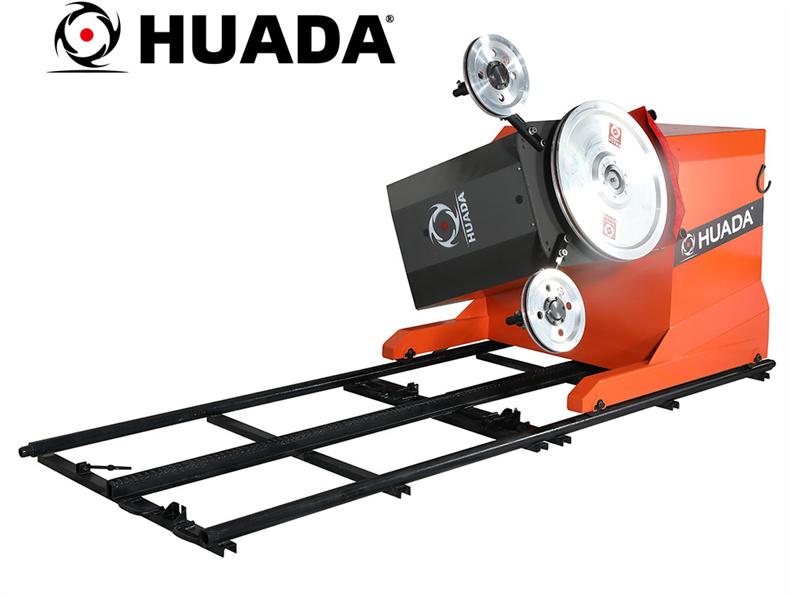
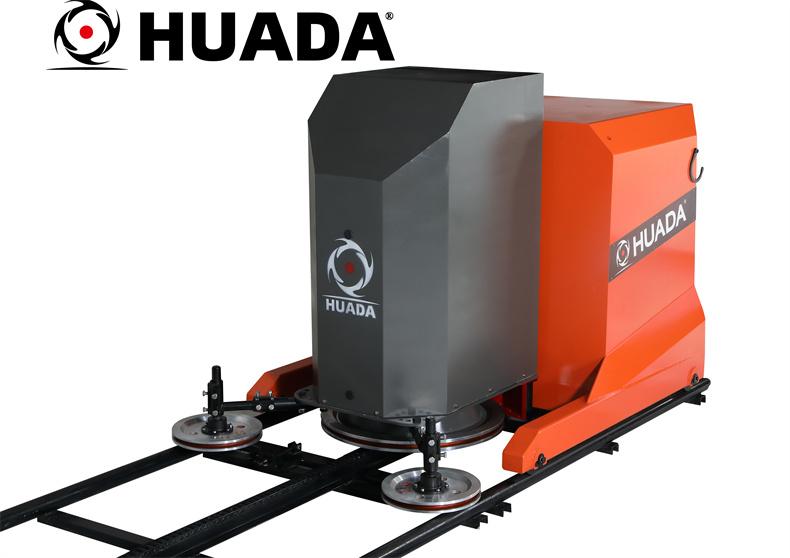
DWS-37M, DWS-55M and DWS-75M use 37, 55 and 75 kW main motors, with maximum cut spacing of 1750, 1950 and 2100 mm. All rows list ±180° head overturning and 0–40 m/s main-flywheel speed. Rail packages and main-unit weights rise with the selected model.
Granite trial record
- Describe the granite and existing mining route.
- Mark each planned cut and separation step.
- Confirm DWS model, wire, utilities and rail position.
- Measure accepted block geometry, time and wire use.
- Review the result before extending the method to another bench.
Treat the old 30% efficiency statement as a manufacturer claim requiring comparable test conditions.
Original product images