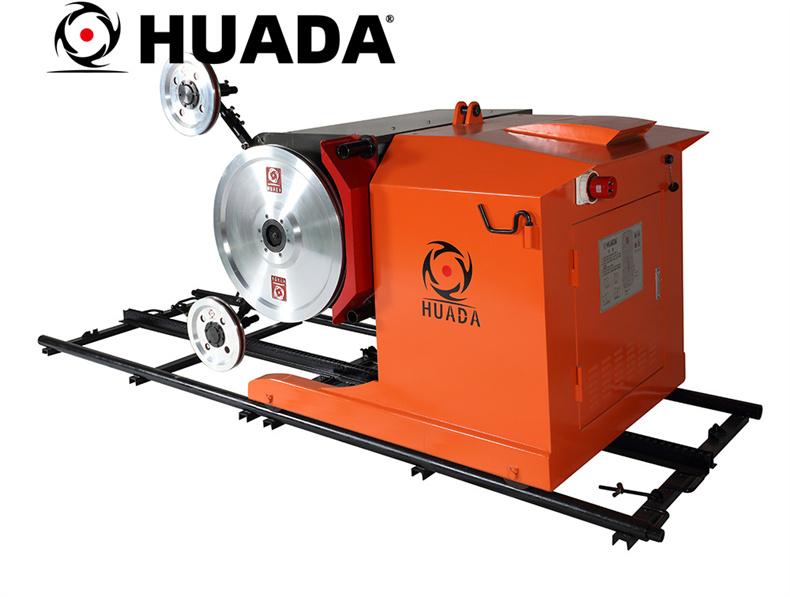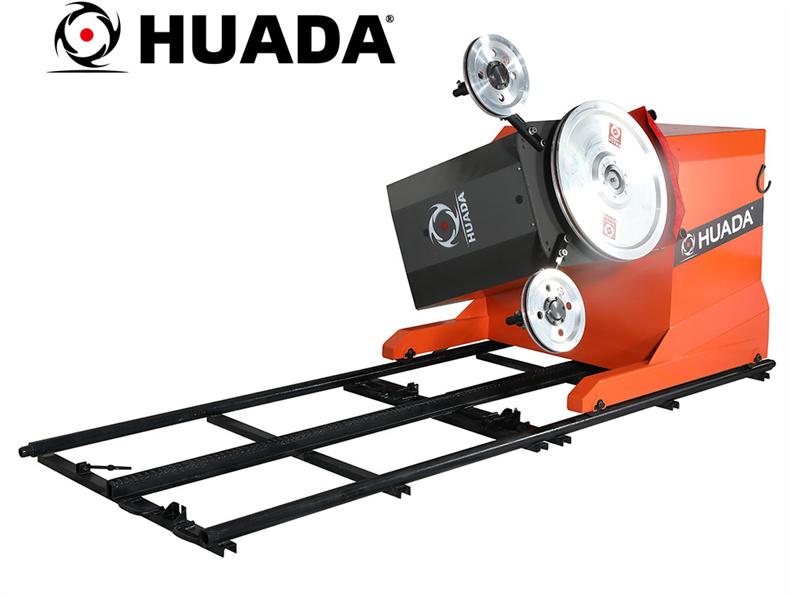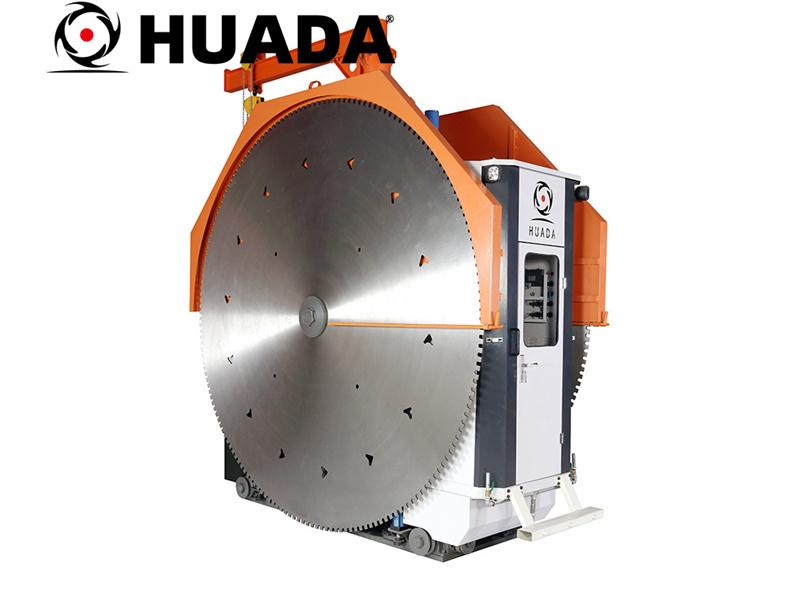

Selecting a stone chain saw machine is a traceability task before it is a size comparison. The quarry needs a written link between the named CSM machine, its arm, the supplied chain or cutting tools, the approved stone and the proposed cut direction. This guide organizes that evidence without turning a product page into an operating manual.
Separate the four identities in the quotation
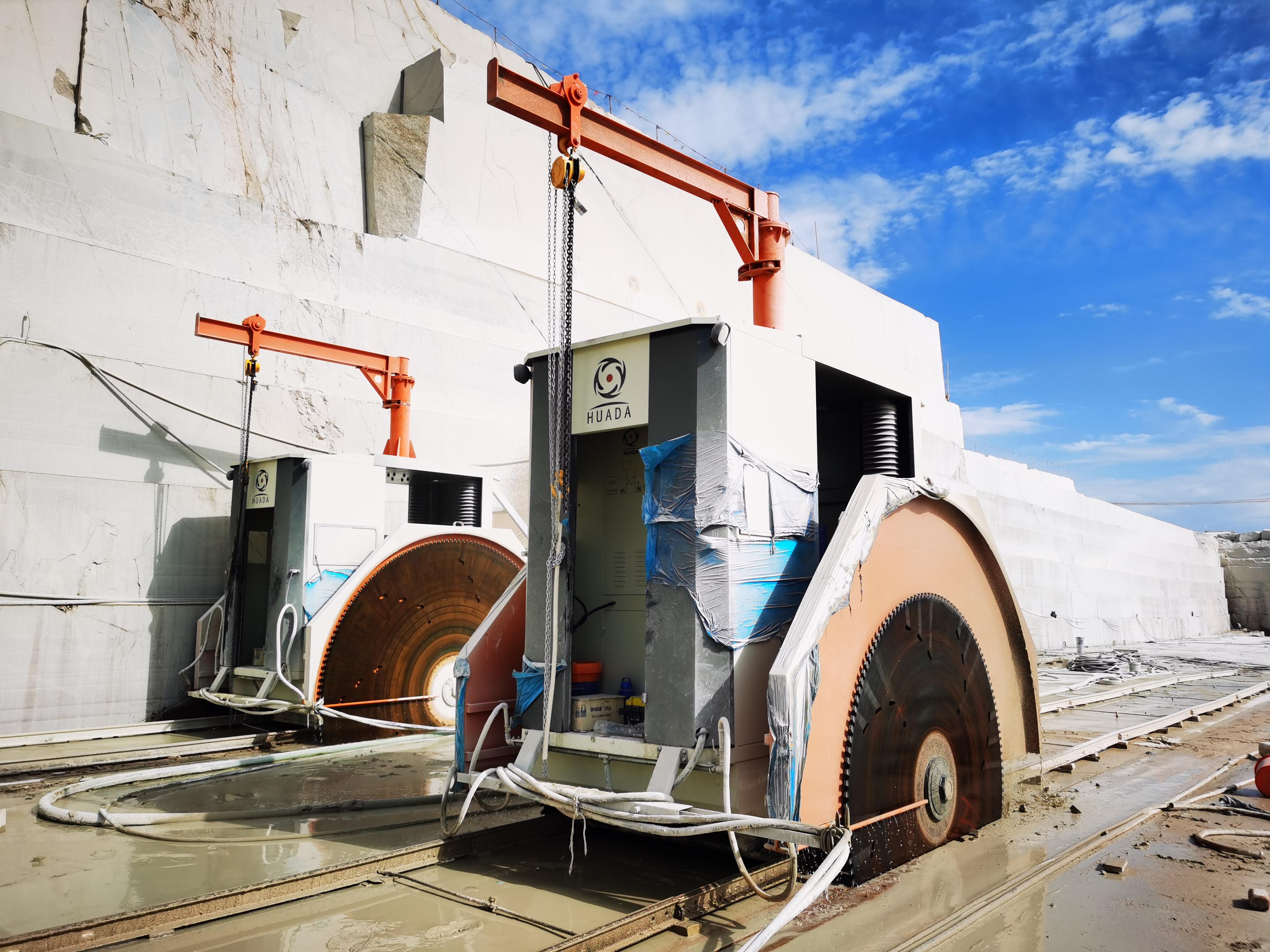
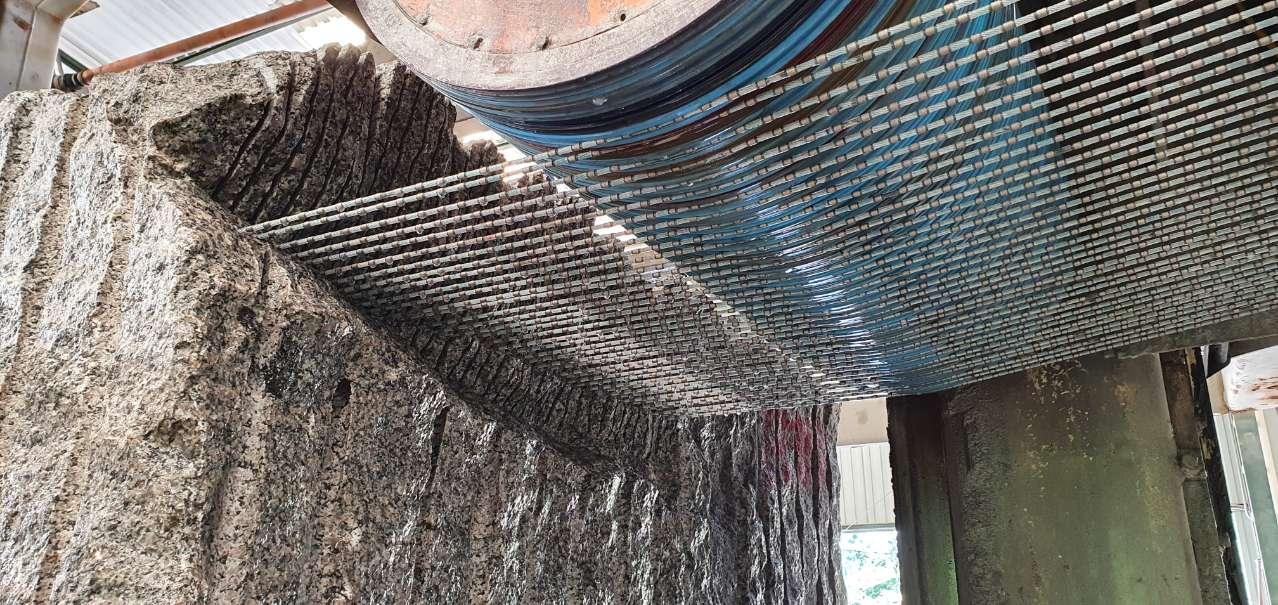
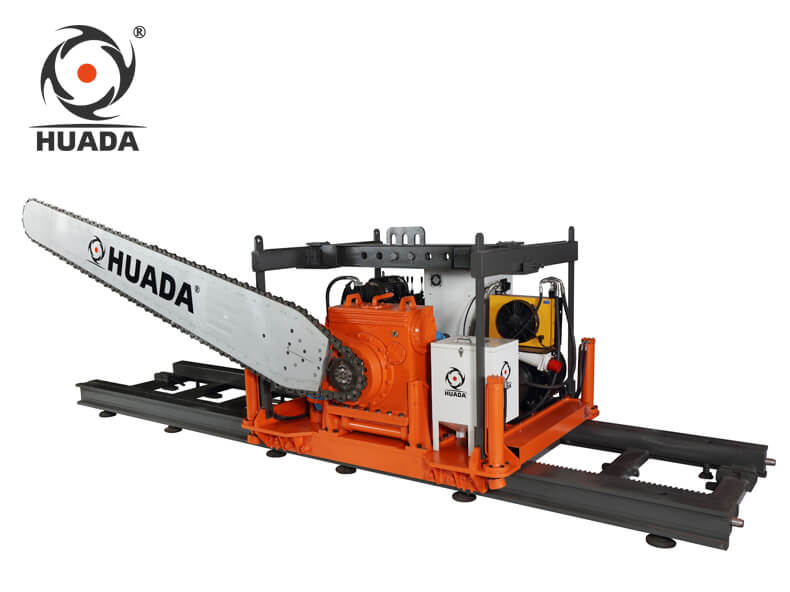
Huada's local chain-saw records describe a CSM family with more than one depth class. They also describe dry horizontal and vertical cutting, while the recorded material wording varies between marble, soft stone and a broader rock-cutter description. Those statements should not be blended into one universal capability. A quotation is clearer when it identifies the exact machine model, arm configuration, chain specification and material approval as four separate entries.
The stone entry should come from the buyer's actual quarry information rather than a generic word such as “rock.” Useful evidence includes the commercial stone name, a representative sample or photographs, existing cutting records and any variation across the intended bench. Huada can then state which chain or tool set belongs with that material and whether the requested direction is covered by the offered configuration.
Use arm depth as a requirement, not a promise
The saved product information lists CSM model classes by maximum cutting depth. That is useful for screening, but the catalog boundary does not by itself approve a quarry application. The purchasing brief should show the required cut geometry on a drawing and ask the supplier to name the shortest approved arm and the matching chain arrangement for that geometry.
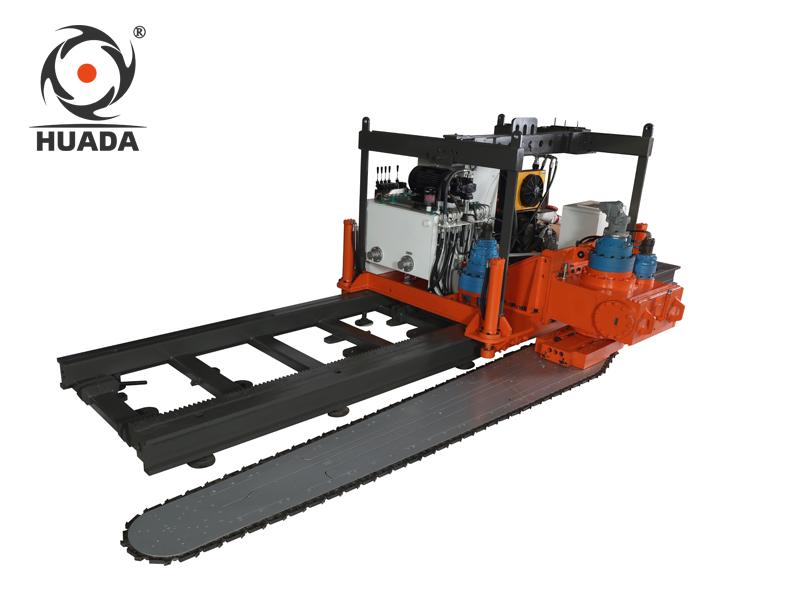
An arm decision also affects handling, access and the commercial scope of delivery. The drawing set should therefore identify the machine envelope, arm transport condition, lifting points, service clearance and any rail or supporting components included in the offer. These are document questions for Huada and the project engineer; they are not instructions for assembling or running the machine.
Ask for a material-and-tooling declaration
The local sources describe hydraulic adjustment in response to stone hardness and list control options such as remote monitoring. They do not justify assuming that one chain will suit every stone named on a category page. The supplier declaration should name the approved material range, chain or tooth identity, expected inspection items and the conditions attached to dry cutting. Where a statement depends on an option, the quotation should say whether that option is included.
A useful declaration also distinguishes standard equipment from alternatives. It should identify consumable part numbers, holders, guides and other wear components that belong to the delivered chain system. If substitutions are permitted, the approval route should be written down so a later purchase does not introduce an unreviewed geometry or material.
Build the procurement evidence pack
| Record | What it must settle |
|---|---|
| Application drawing | Cut direction, required depth, available access and handling boundaries. |
| Configuration schedule | CSM model, arm, chain or tooling, controls and included supporting equipment. |
| Material approval | Stone identity, representative evidence and the supplier's approved cutting scope. |
| Consumables list | Traceable part references, inspection criteria and permitted substitutions. |
| Safety file | Manufacturer manual, guarding information, dust-control responsibilities and training scope. |
These documents give purchasing, engineering and site management the same configuration reference. They also prevent optional monitoring or remote-control language from being mistaken for equipment that is automatically included.
Frame acceptance around evidence
A representative quarry trial can be part of the commercial agreement, but its method and limits belong in a supplier-approved plan prepared for qualified personnel. The acceptance record should connect the tested stone, delivered chain, arm identity and cut drawing. Observations may include cut geometry, chain condition, alarms and the completeness of dust-control arrangements, provided the measuring method is agreed in advance.
Acceptance should not be reduced to a single output claim. The more durable question is whether the delivered configuration matches the signed schedule and produces a repeatable record on the declared material within the manufacturer's limits. If the test stone differs from the production bench, that difference should remain visible rather than being hidden in an average result.
Keep delivery and support traceable
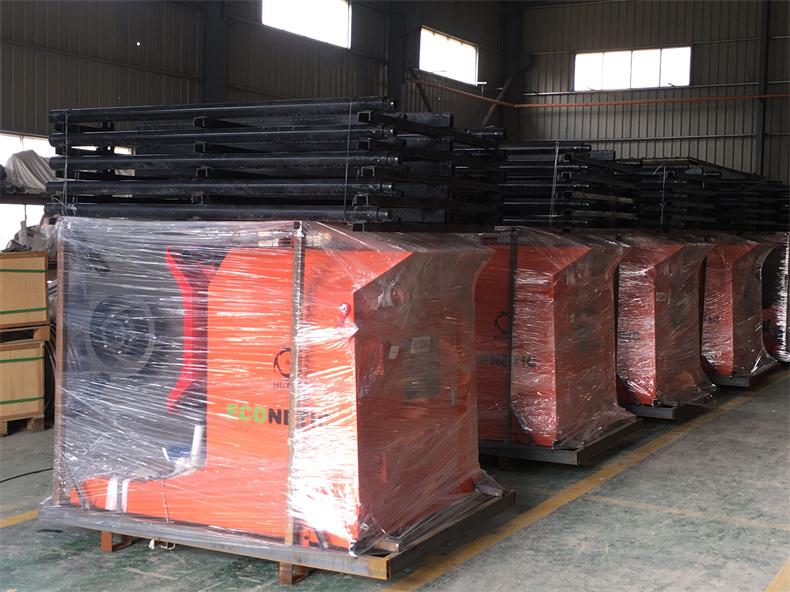
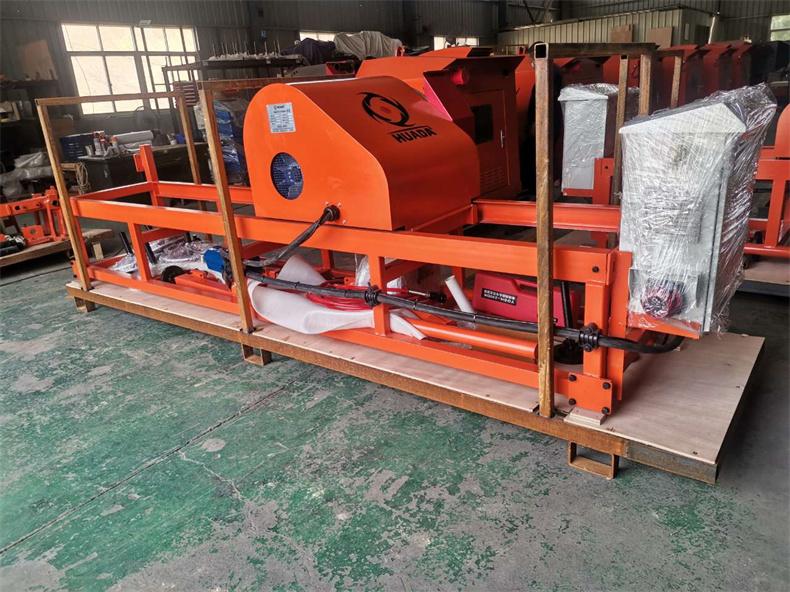
Before dispatch, the packing list can be reconciled with the configuration schedule so the arm, chain, holders, guides, control options and spares have identifiable references. The manual revision and training agenda should travel with that record. This creates a baseline for later service discussions without asking an operator to infer limits from a marketing article.
After delivery, requests for technical support are easier to evaluate when they cite the model, chain reference, material record and observed condition. Photographs and inspection notes can document what changed, while Huada or another authorized specialist decides whether the issue concerns tooling, machine condition or the application.
Questions for the technical agreement
- Which material statement controls the order?
- The signed approval for the submitted stone and tooling combination, not the broadest wording found on a category or legacy page.
- What should identify the arm decision?
- The application drawing, selected CSM model, arm configuration and supplier-confirmed chain scope should point to one another.
- Who defines operating limits?
- The delivered manufacturer manual, project safety plan and qualified personnel define those limits; this purchasing guide does not.
Conclusion
A defensible stone chain saw machine order is built from matched identities and signed evidence. When the CSM model, arm, chain, stone, direction and support documents remain connected, the quarry can compare offers and record acceptance without extending a catalog statement beyond its source.