
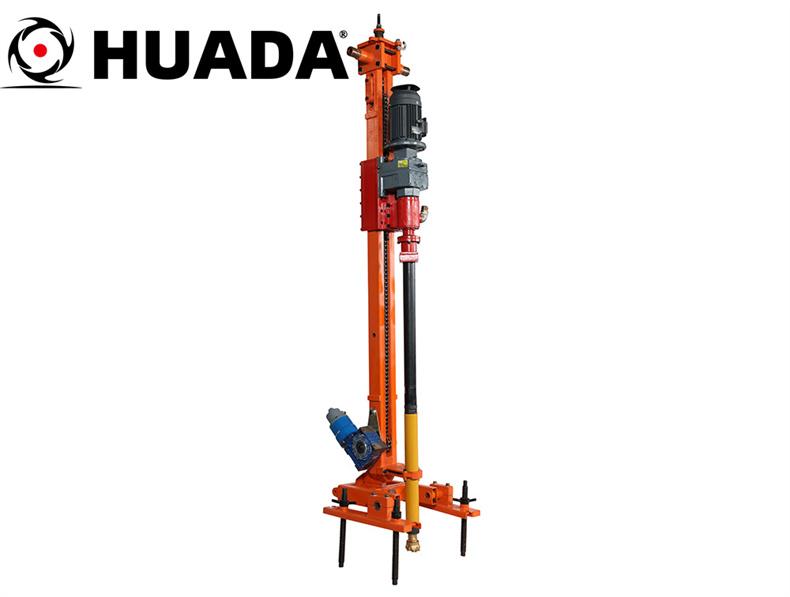
A pneumatic electric DTH drilling machine should be reviewed as a combined utility, positioning and tooling package. Huada's DTH90-E record supports quarry drilling in vertical, horizontal or inclined directions, relocation in confined areas, and matching hammers and bits to stone requirements. It does not establish an intersecting wire-passage application, so this guide stays within the documented scope.
Read the mixed power arrangement first
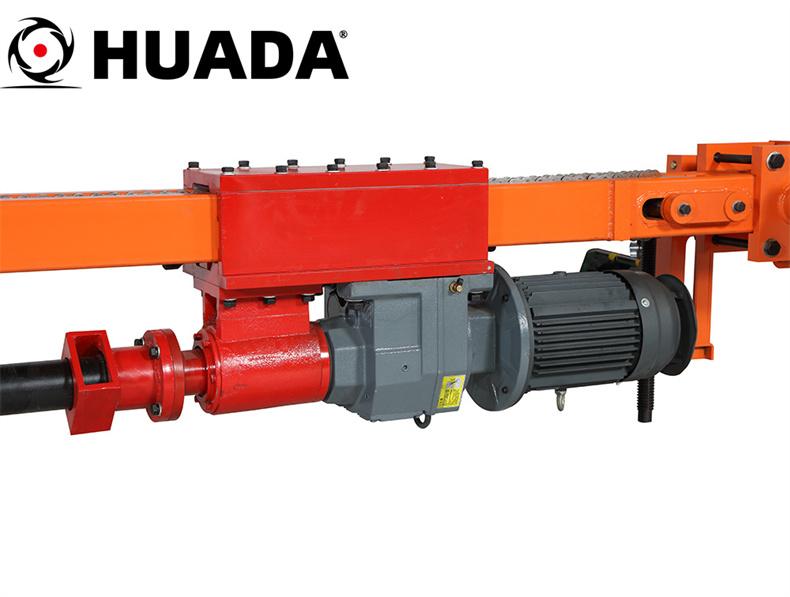
The frozen DTH90-E page identifies electric rotation and pneumatic feed. It also explains that compressed air serves the down-the-hole hammer and clears the hole. A buyer therefore needs more than a general statement that “power is available.” The enquiry should separate the electrical supply from the compressed-air supply and ask Huada to confirm the required interface for the exact machine package.
Utility evidence can include the planned connection point, available compressor record, hose route, elevation and the other users that may share the supply. Huada's product sheet contains model values, but the project decision should be based on a signed utility schedule for the real site. Selection and verification belong to the supplier and qualified site engineers, not to an assumed setting copied from an article.
Describe direction without inventing an application
Huada's source describes a double-hinge or universal ball connection between the headpiece and main frame, allowing vertical, horizontal or inclined holes. That supports a multi-angle quarry-drilling brief. It does not prove that two holes will intersect, that a particular cut plan will be achieved, or that a specific survey method is appropriate.
The site brief should show each required hole as an independent item with its intended direction, nominal diameter, depth envelope and accessible working area. A qualified survey or engineering team remains responsible for project geometry. The supplier's responsibility is to state whether the offered DTH configuration covers the documented orientation and access conditions.
Make relocation part of the equipment review
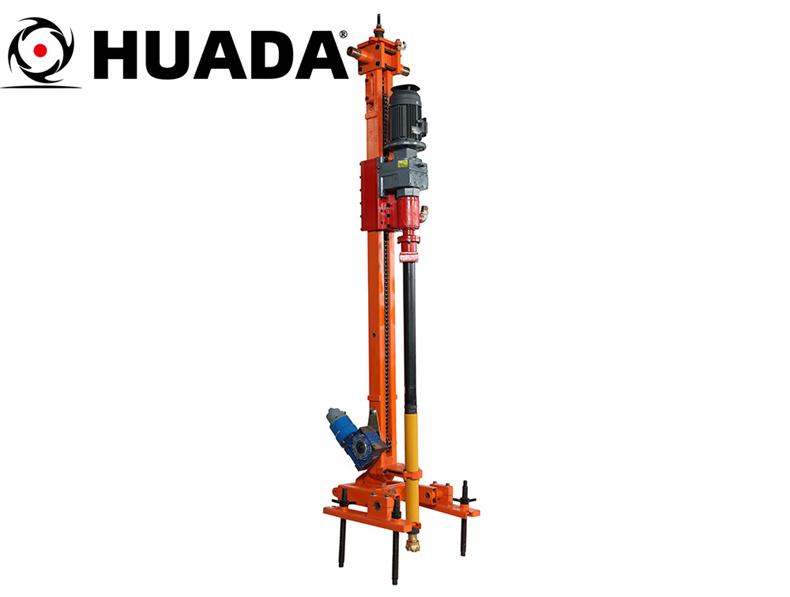
Multiple fastening points and suitability for work in narrow locations are features recorded in the local DTH sources. Their purchasing value depends on the quarry layout. A relocation plan should identify the machine's transport condition, lifting method, available routes and the areas where fastening is expected, then ask Huada for the corresponding drawings and handling requirements.
This review is deliberately separate from instructions for positioning or drilling. The delivered manual, lifting plan and competent personnel govern those tasks. For procurement, the useful question is whether the quoted package contains the required fastening components and whether the machine can be brought to every approved location shown on the site plan.
Lock the rod, hammer and bit interfaces
The DTH90-E source states that hammers and bits of different specifications are available for stones of different hardness, and it records a drill-rod arrangement with quick release. Those facts support a compatibility review, not a universal tooling recommendation. The quarry should submit stone information and the required hole envelope; Huada should return the selected hammer, bit and rod references as a coordinated set.
| Compatibility item | Required evidence |
|---|---|
| Stone | Material name, representative condition and any known variation. |
| Hole brief | Direction, nominal size, depth envelope and project tolerance. |
| Drill string | Machine connection, rod, hammer and bit references approved together. |
| Utilities | Signed electrical and compressed-air interface schedule. |
| Handling | Fastening, lifting, relocation and rod-management documentation. |
The compatibility sheet should carry revision numbers for the machine drawing, drill-string list and utility schedule. Revision control matters because a bit or hammer recommendation may be changed after Huada reviews the stone evidence. The approved issue, not an earlier email attachment, should govern packing and acceptance.
Review the straightness statement carefully
Huada says the slide guide and propulsion design are intended to support feed and drilled-hole straightness. This is a design statement, not a guaranteed result for every rock, depth or site. A commercial acceptance plan should define what will be recorded on a representative hole and who supplies the measurement method.
The resulting dossier may contain the machine and tooling identity, stone record, utility record, hole survey and observations from qualified personnel. If the result falls outside the agreed criterion, the evidence should be preserved for supplier review rather than converted into an improvised adjustment instruction.
Set clear documentary boundaries
The quotation should list included drill rods, hammer, bits, fastening components, guards, manuals, spare parts and training. Optional or alternative power arrangements described elsewhere in the DTH family should not be silently attached to the DTH90-E order. Each item needs a clear included, excluded or optional status.
Maintenance and operating limits belong in the delivered Huada manual. Site-specific risk controls belong in the quarry's approved work documents. This article can help purchasing ask complete questions, but it cannot authorize a start-up method, a drilling rate, an air setting or a tool change.
Handover questions
- Does the model schedule identify electric rotation and pneumatic feed for the supplied unit?
- Are the rod, hammer and bit references approved as one interface chain?
- Do the lifting, fastening and relocation documents cover every planned work area?
- Are multi-angle claims tied to drawings while project geometry remains with qualified personnel?
- Does the acceptance file state the measurement owner and the representative stone?
Conclusion
The strongest DTH90-E purchase file connects utilities, multi-angle positioning, relocation and tooling without claiming an unsupported intersecting-hole outcome. That narrow scope gives Huada and the quarry a common basis for quotation, site-fit review and documented acceptance.