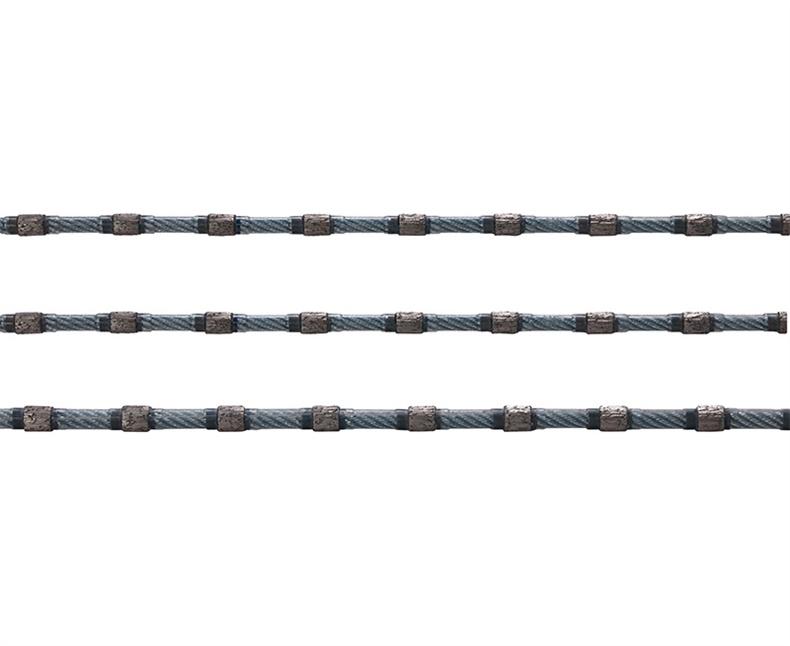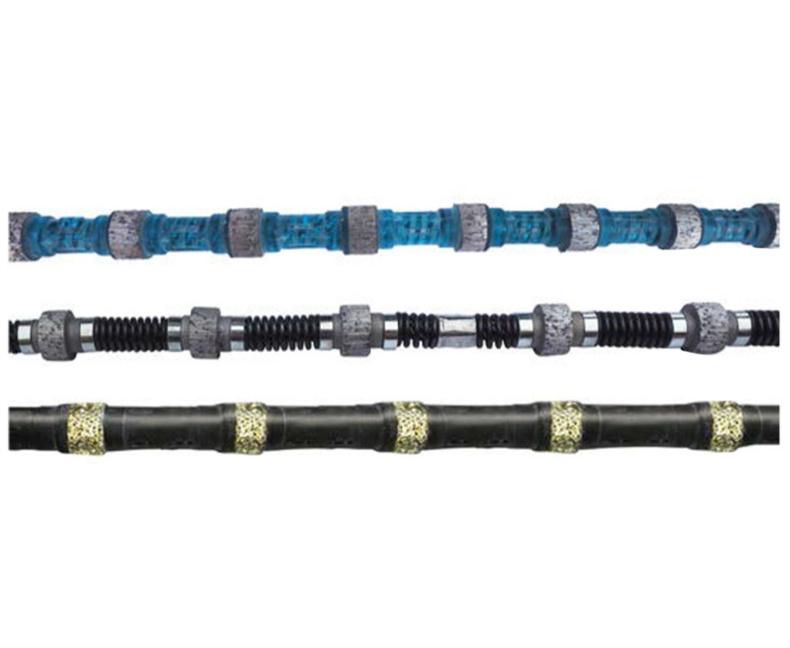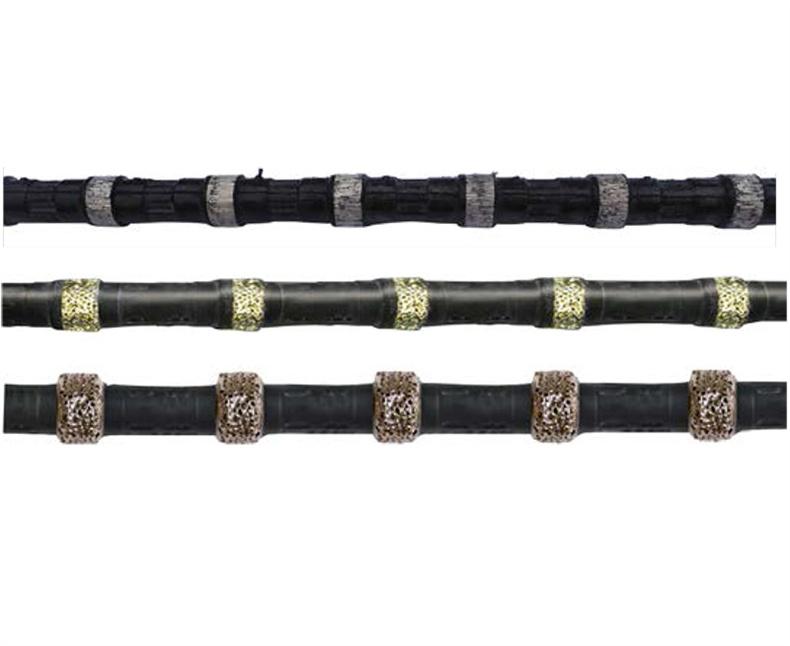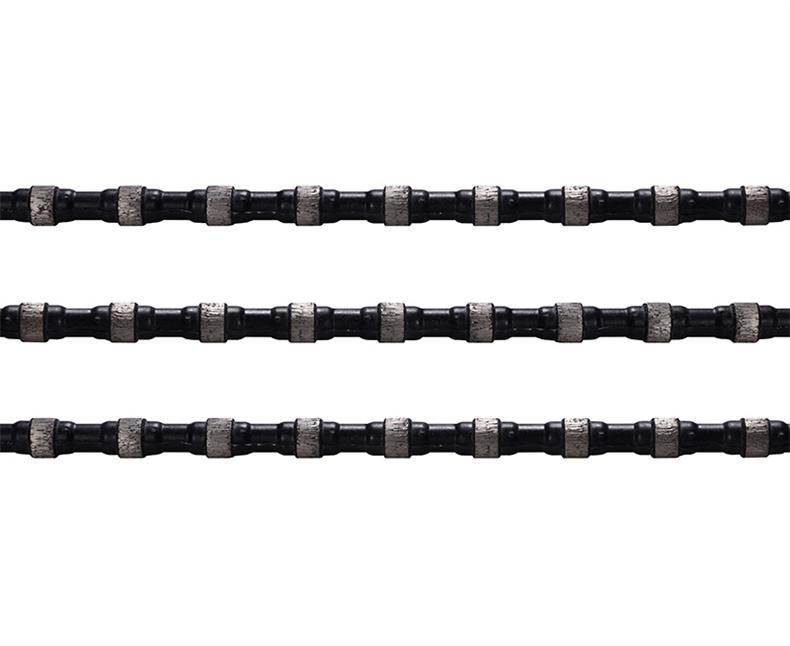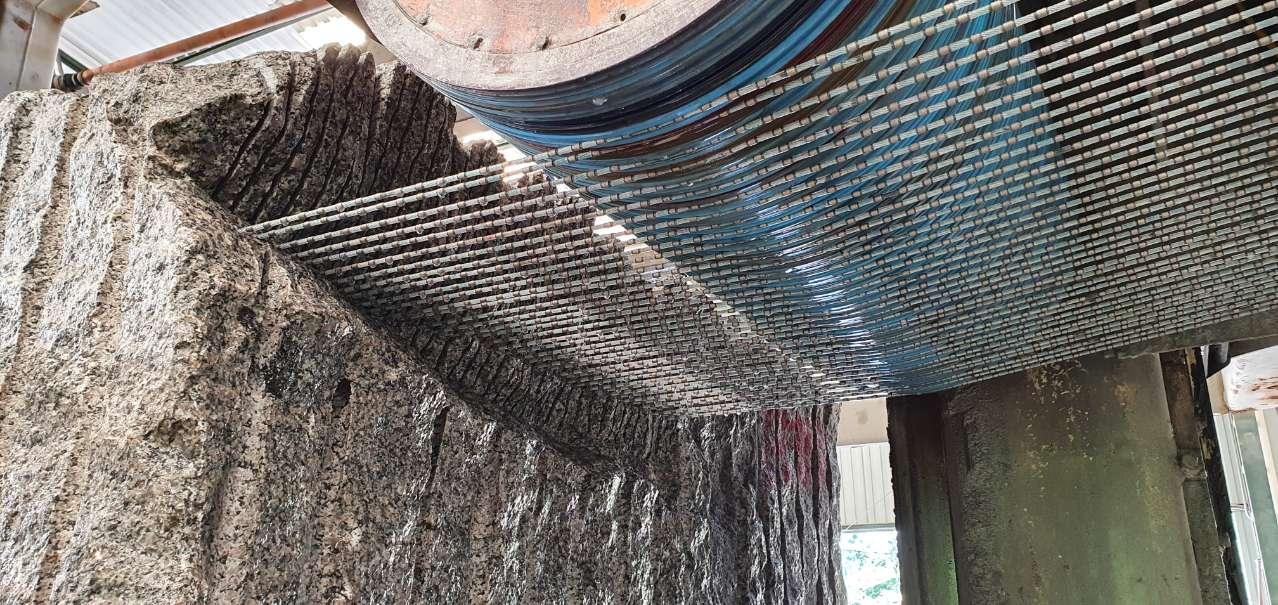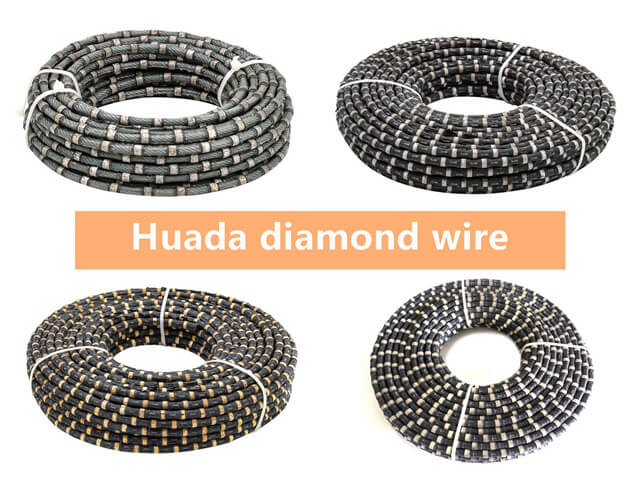

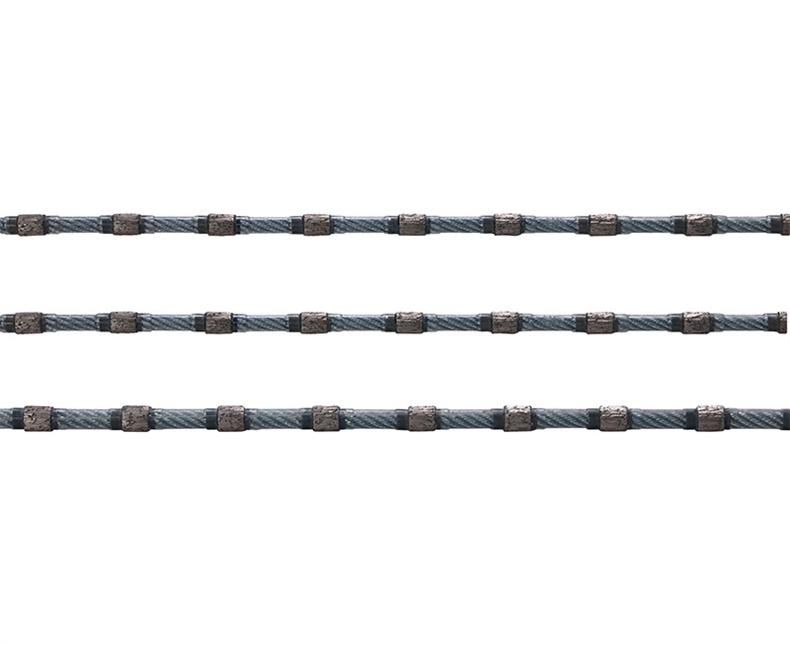
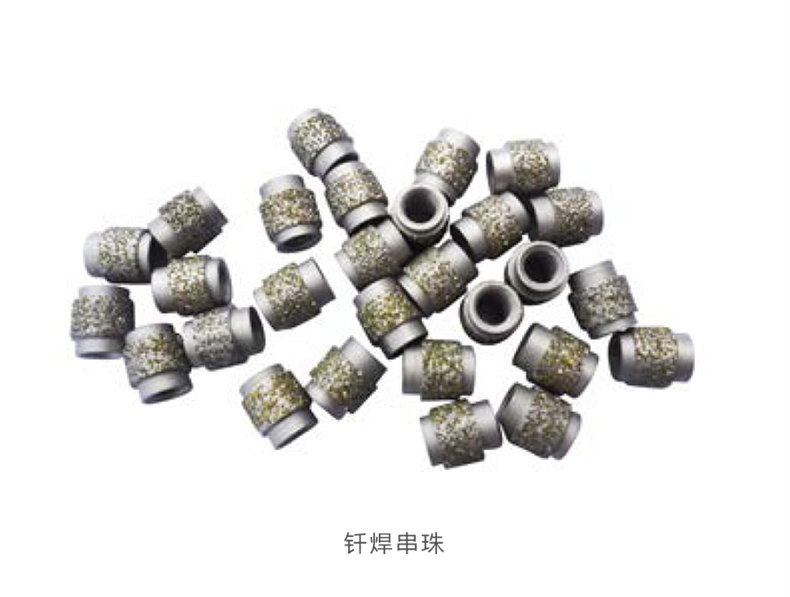
This quarry wire is specified for granite and quartzite. The old record favours rubber or rubber-plus-spring assembly for stress, heat resistance and cable protection, and divides operating ranges by soft, medium and hard stone.
Granite sample and machine power drive the comparison
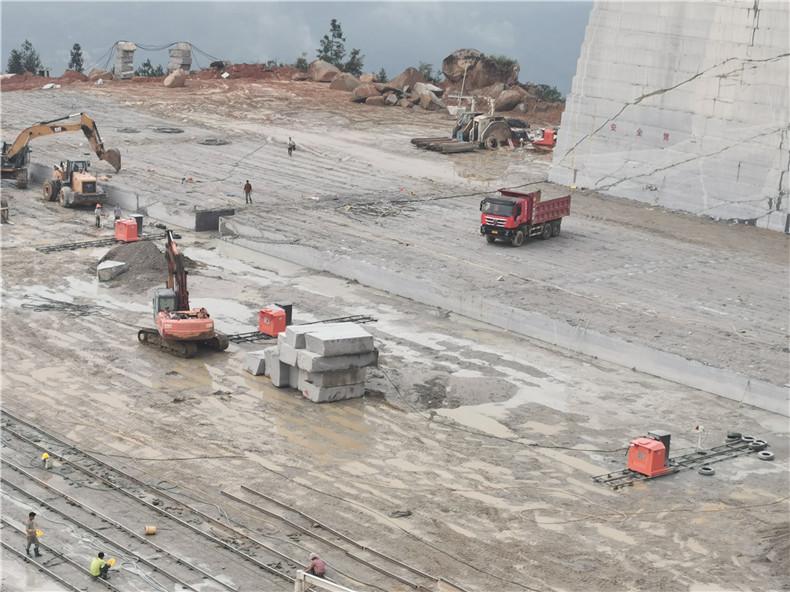
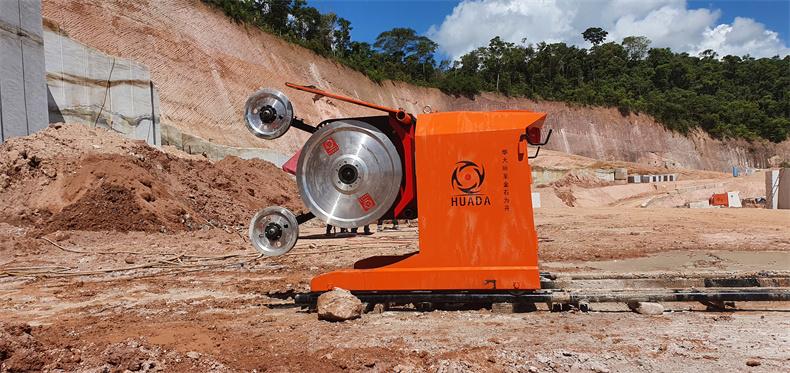
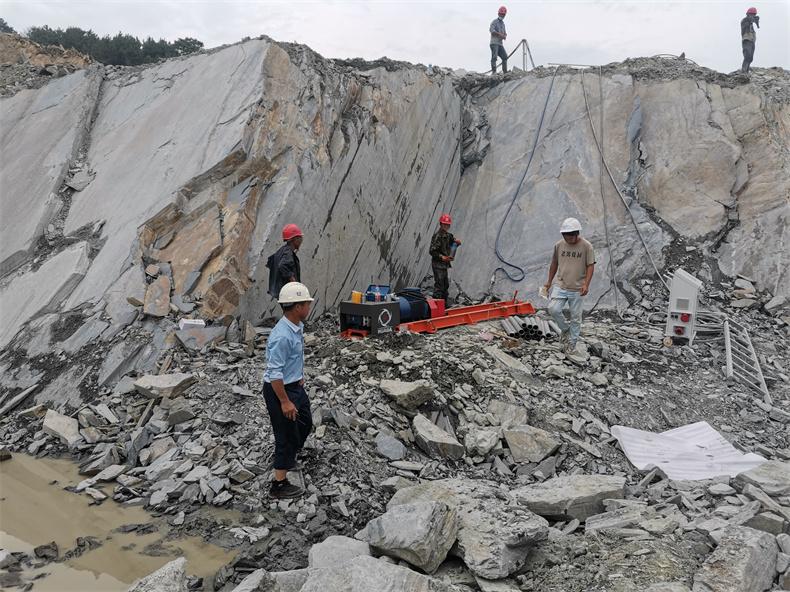
The source says the wire is developed from customer stone samples and quarry information. Alongside the sample, provide the bench height, planned cut area, wire-saw model and motor rating. The parameter table has separate production columns for 37 kW and 55/75 kW machines, so the drive cannot be omitted from the selection brief.
Diameter, bead count and speed range
| Diameter options | Φ11.0, Φ11.5, Φ12.0 and Φ12.5 mm |
|---|---|
| Beads per metre | 38 / 40 |
| Assembly | Rubber or rubber plus spring |
| Soft granite wire speed | 30–45 m/s |
| Medium granite wire speed | 25–40 m/s |
| Hard granite / quartzite wire speed | 20–35 m/s |
Cutting-speed and production ranges also fall as the hardness group changes. Confirm the applicable row through a representative stone test rather than assigning hardness from the commercial stone name alone.
Quarry trial record
- Stone sample and existing wire performance, if available
- Machine rating, pulley arrangement and loop length
- Cut geometry, water delivery and planned wire direction
- Supplied diameter, bead count and assembly
- Area cut, elapsed time, surface condition and wire consumption
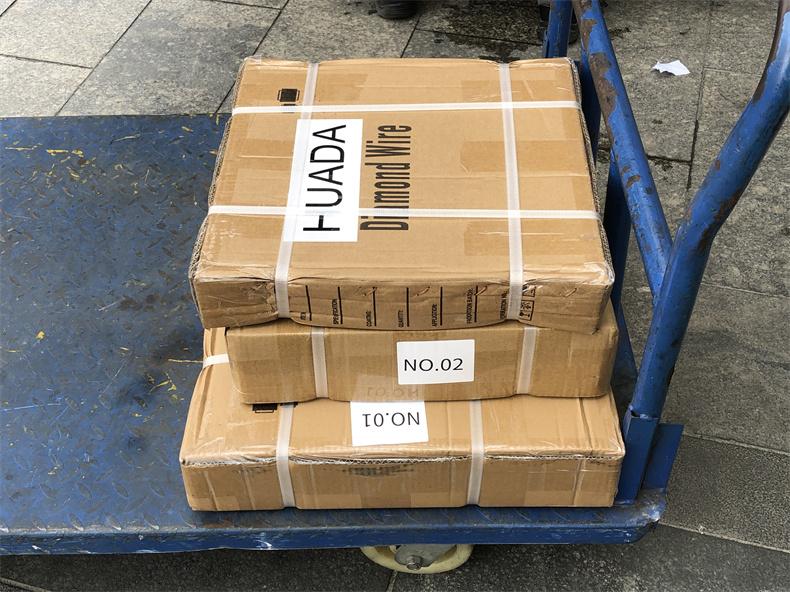
Keep the delivered wire label with the trial sheet. If a later batch behaves differently, the quarry can compare the same stone, machine and cut instead of relying on memory.
Original product images