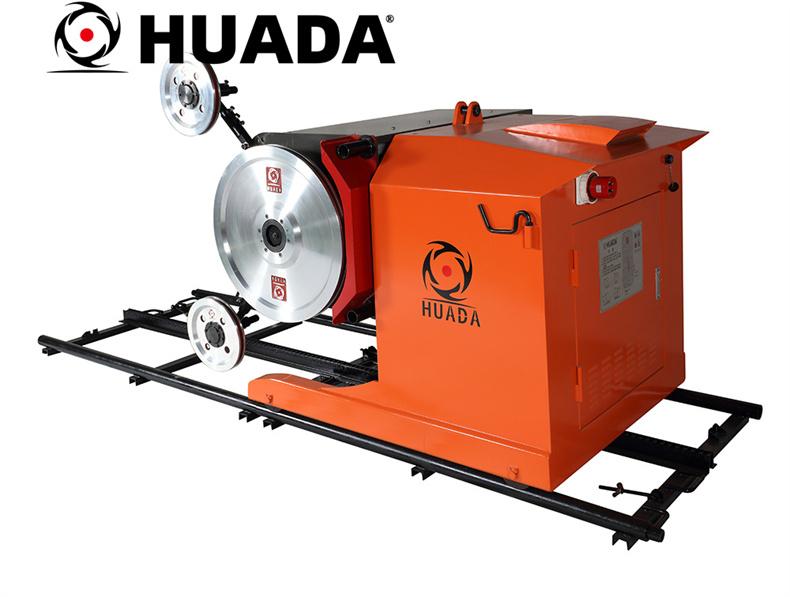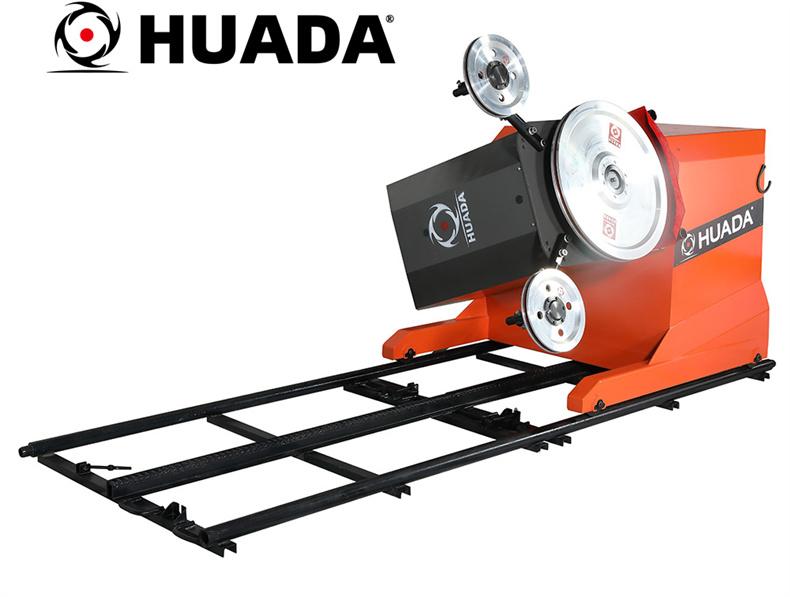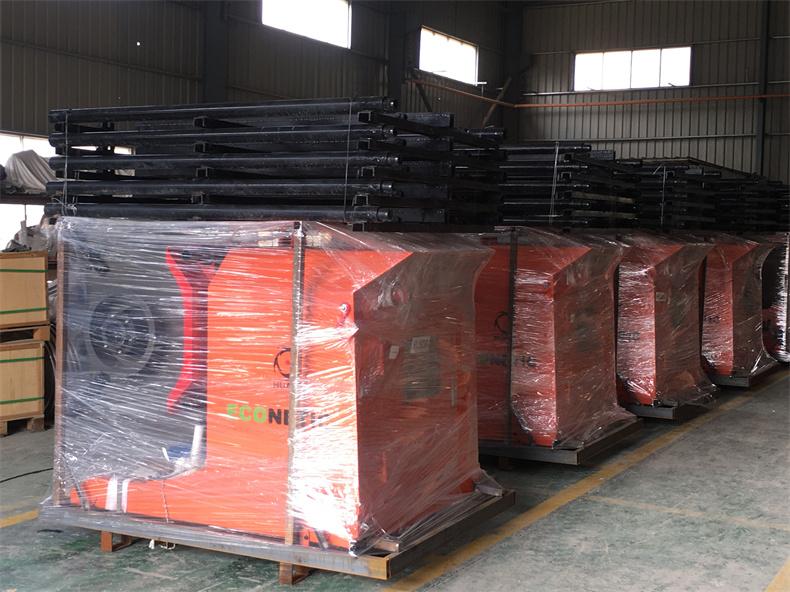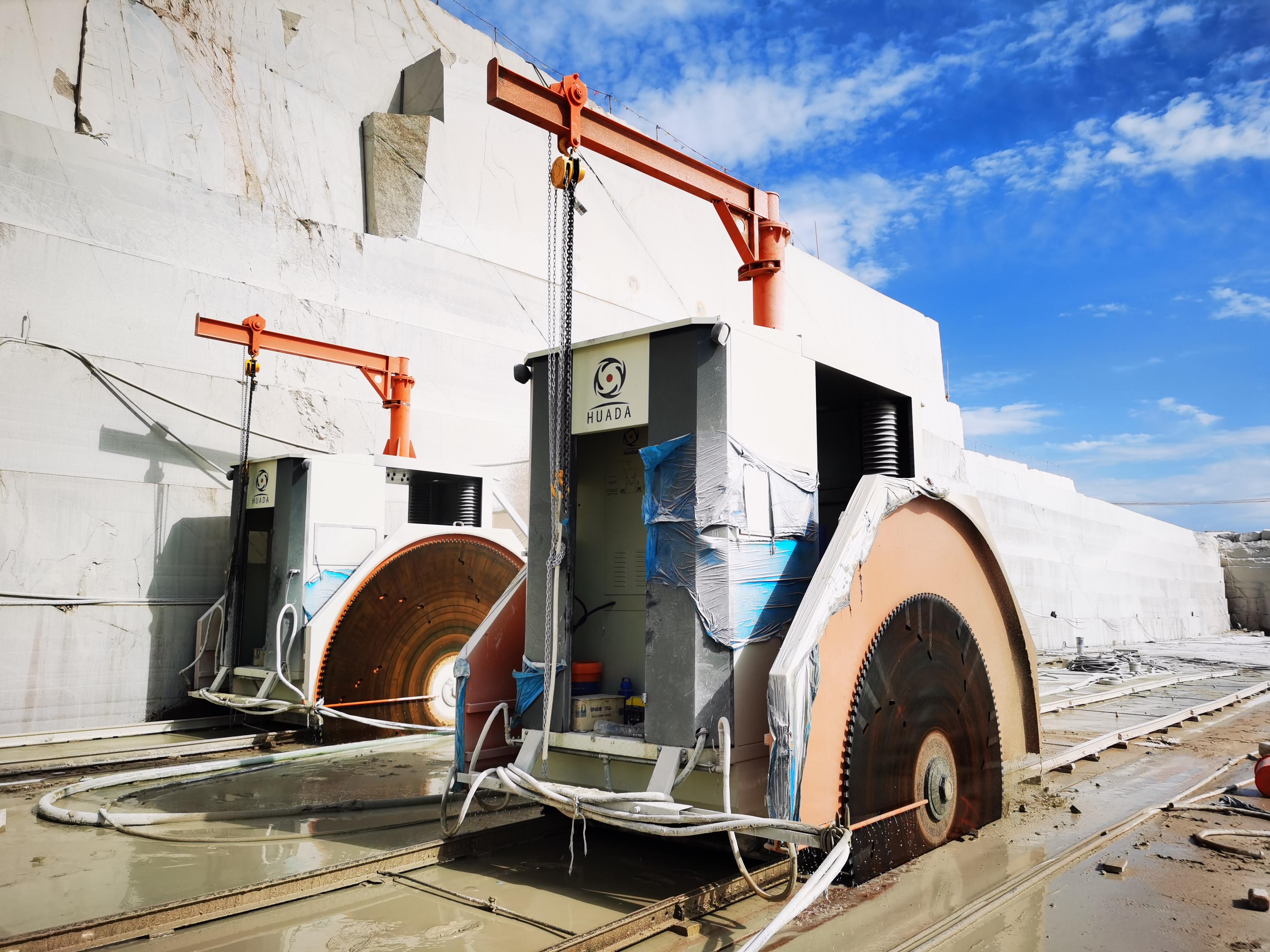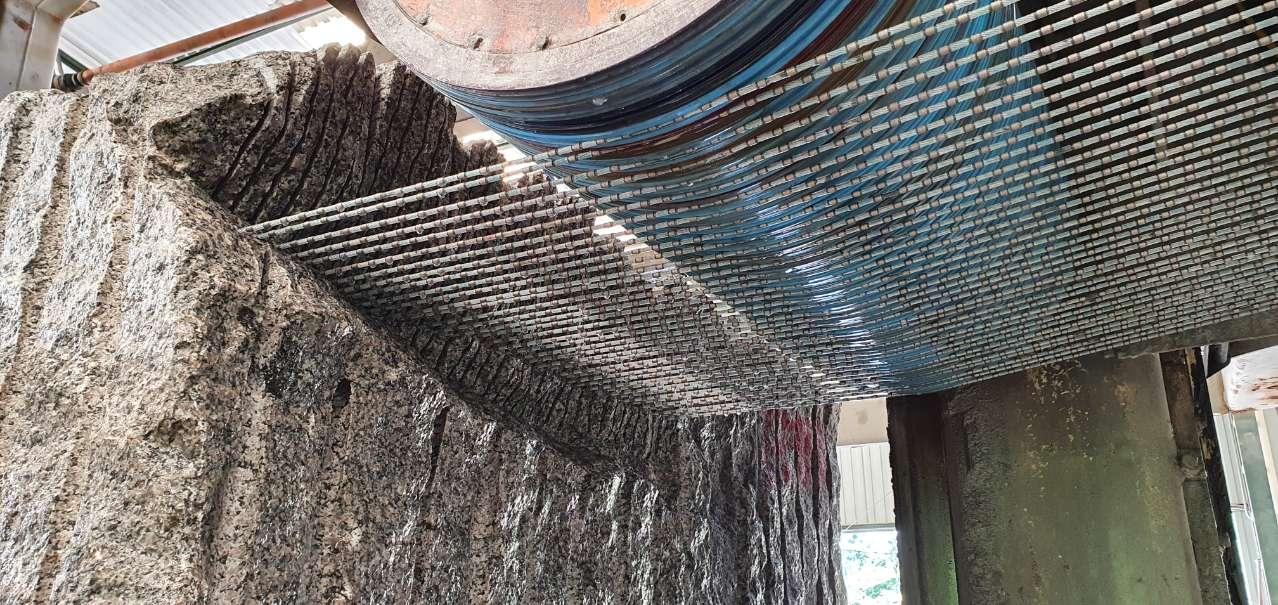

The cutting cycle is easy to notice because the saw is visibly doing its main job. The rest of the schedule is less obvious: a block waiting for preparation, a shared resource unavailable, or finished cuts unable to move onward. For a multi wire saw machine, those intervals can determine when an order becomes available just as surely as the cutting itself.
Arrival is not the same as readiness
A block delivered to the yard is an input to the factory, but it may not yet be ready for slabbing. Its identity, intended product and preparation status must be settled before the cutting slot becomes credible. Otherwise, the schedule assigns machine time to material still awaiting an earlier decision or process.
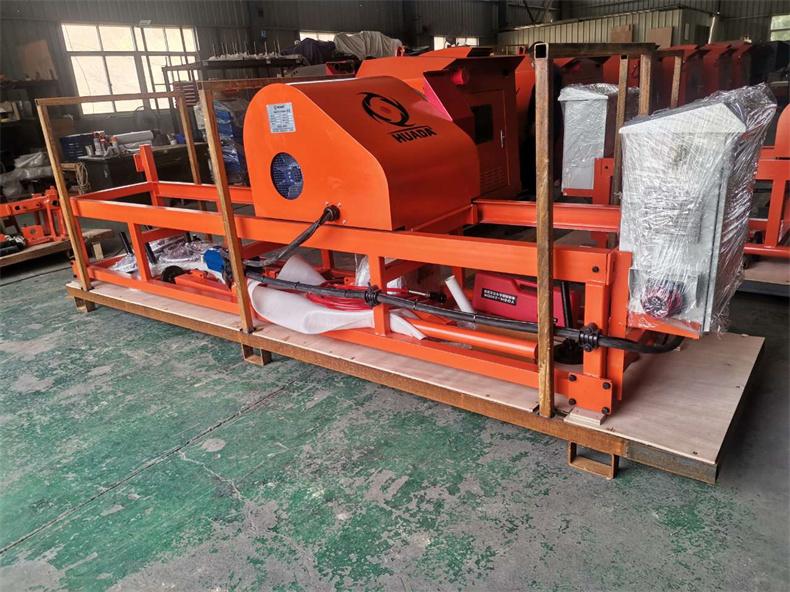
Huada's portable stone trimming wire saw is intended for block trimming. Where that operation is required, it contributes its own preparation and processing time before the block enters the slabbing queue.
This creates a useful planning distinction: material physically present versus work ready to start. A yard can be crowded while the saw has no suitable ready block for the order being prioritized.

A machine slot also depends on shared resources
The saw may have an available slot while the people, inspection capacity or material-handling resources needed around it are committed elsewhere. Scheduling each machine independently can therefore create a plan that no department can execute as written.
These relationships are especially visible when several lines expect the same support at the same time. A completed block does not immediately release the full production resource if its slabs cannot leave, and a prepared block does not start merely because its cutting slot has arrived.
The solution at planning level is to connect the dependencies. Give preparation, arrival, cutting completion and onward transfer distinct milestones. Comparing their planned and actual times shows where shared-resource availability changed the production sequence.
Follow a delay across the factory
Consider a hypothetical shift in which slabbing finishes as expected but the following surface line has an unresolved interruption. The sawn slabs need a suitable onward destination. If the intended holding space is occupied, their departure may be delayed; that can in turn delay the next block's access to the saw.
The saw's cutting performance has not necessarily deteriorated. Its available production time has been constrained by another part of the factory. Asking only for a faster cut does not address that cause.
Now reverse the situation. The finishing line has capacity, but incoming blocks are awaiting preparation. Adding more space after the saw would not create ready material before it. The same symptom, idle cutting capacity, can arise from opposite ends of the route.
Locate the constraint before adding capacity
Huada's thin multi wire saw machine addresses the stone-slicing stage. Evaluating its place in a factory requires attention to the rate at which work can reach that stage and leave it as well as the cutting task itself.
A sustained constraint limits the flow of completed orders. It may be slabbing, but it may also be preparation, finishing, inspection or another shared resource. Improving a non-constraining stage can increase unfinished stock without increasing shipments.
For a capacity decision, examine recurring patterns across comparable work. A single unusual delay is useful to explain, but it is weak evidence for purchasing equipment or redesigning the whole production schedule.

Record intervals that explain the missed promise
A single start and finish time hides the distinction between productive work and waiting. A schedule review becomes more useful when it can tell why the resource remained occupied or why the next operation could not begin.
- Time before a job was ready reveals dependencies in preparation and order decisions.
- Time ready but waiting reveals queues and conflicts over capacity.
- Time processing describes the work performed at that stage.
- Time completed but unable to leave reveals downstream availability.
Assign intervals consistently so the same delay is not counted twice. Link them to the order or batch involved. That allows a planner to distinguish a recurring production constraint from an exceptional hold affecting one particular job.
Use buffers to absorb variation, not hide it
Some ready work before the saw can help absorb variation in arrivals. Some suitable holding capacity after it can help absorb differences between cutting and downstream availability. Those buffers have a purpose, but they also tie up space, capital and attention.
The right planning question is what interruption a buffer is meant to absorb. Increasing unfinished slabs indefinitely can make one machine look busy while making the factory harder to manage. A buffer also cannot compensate for a downstream stage that persistently completes less work than it receives.
Order priority should remain visible within the buffer. Producing convenient stock ahead of material needed for a due order may improve a local utilization figure while making the customer delivery less reliable.
Promise the date at the customer's boundary
Consumable availability belongs in readiness as well. Huada's conventional beaded wire for multiwire saws is specified around the machine and principal material; it is not an interchangeable consumable for the thin-wire system. Stock must suit the planned route before its presence supports a production commitment.
Once the dependencies are visible, give cutting completion and order availability different dates when they represent different events. Finishing, inspection and other agreed work still stand between a sawn slab and a product ready for the customer.
A useful schedule explains that remaining work and updates the promise when a meaningful dependency changes. Its success is measured by completed orders moving through the factory, not by keeping one machine occupied throughout every possible interval.