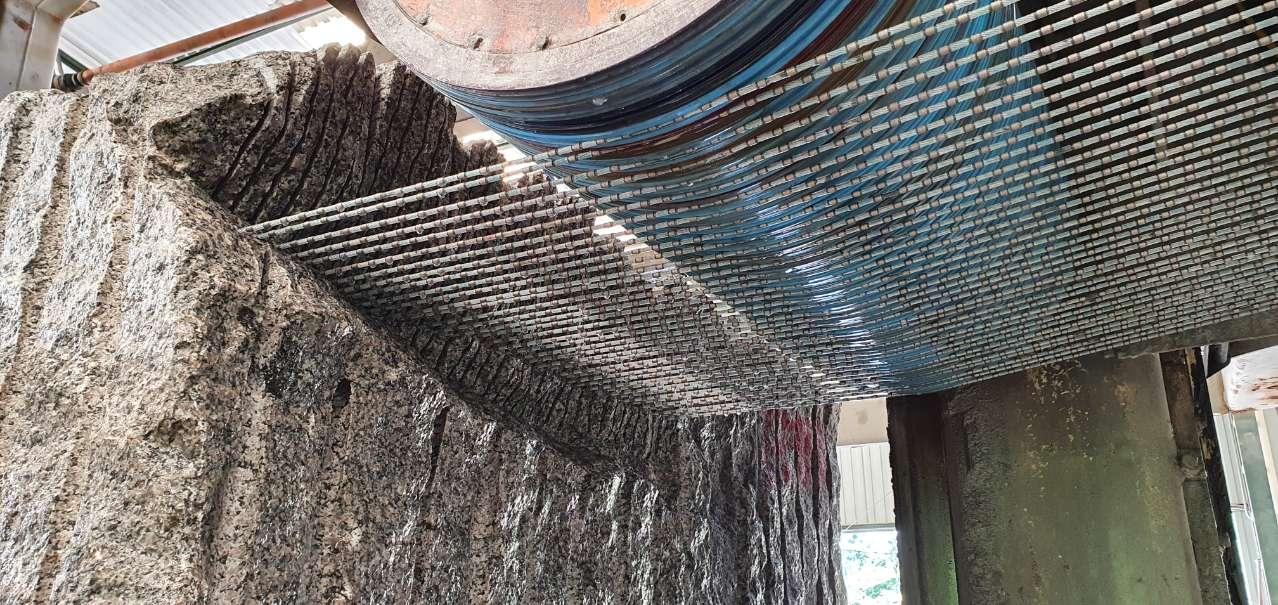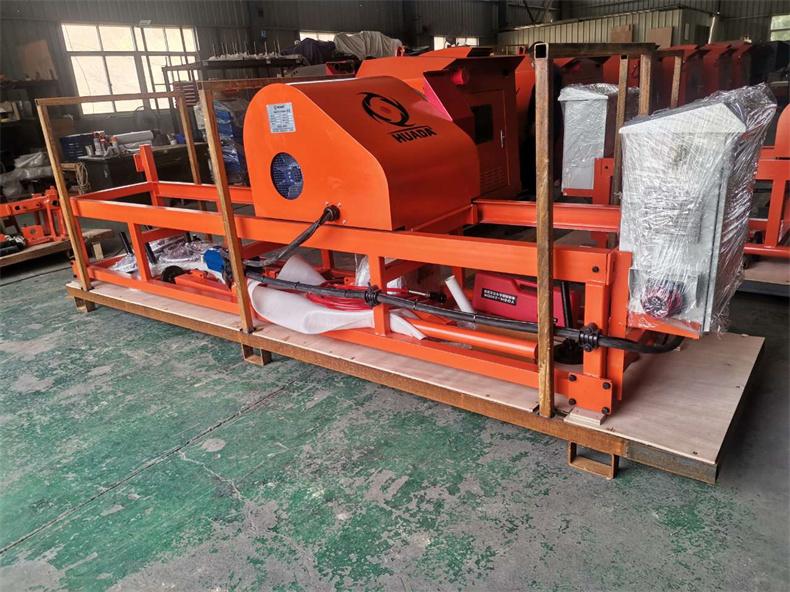

A yard full of stone does not necessarily contain a ready sequence of orders. Blocks carrying the same commercial name may differ in appearance, condition and useful dimensions, while different customers may accept very different products from them. Sorting for a multi wire saw machine begins by connecting those differences to the work the factory has actually promised to deliver.
Begin with the order that must come out
Imagine a factory considering stone for two possible orders. One customer needs adjoining panels with a coherent visual relationship. Another needs individual pieces whose appearance can vary within an agreed range. This is a planning example, not a report of a Huada installation.
The first order places strong value on continuity and the relationship between pieces. The second may offer more flexibility in allocating smaller areas. Sorting both orders only by the stone's commercial name ignores the feature that makes them different.
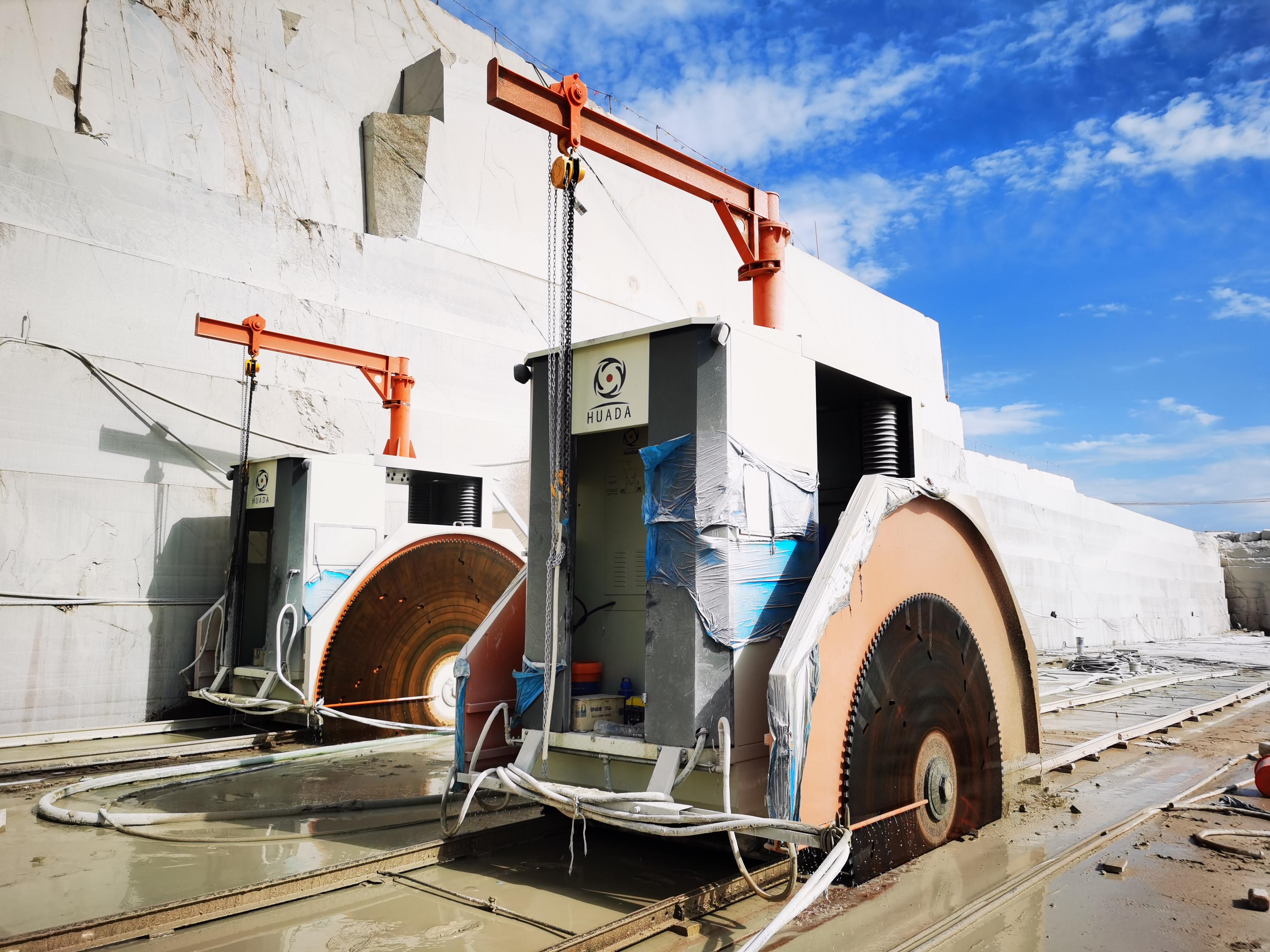
Block geometry also matters before slabbing. Huada's wire for squaring and profiling addresses factory block preparation. Whether a block needs that stage is part of its route to an order, alongside its appearance and likely usable format. A block awaiting preparation is not equivalent to one ready for the next production stage.

A stone name is a starting description
A commercial name helps identify a market category, but it does not describe every feature of an individual block. Colour distribution, veining, visible discontinuities and weathered areas can affect where its eventual slabs fit. Material sold under one name may therefore need several order allocations.
Different observations also answer different questions. An attractive visible face helps discuss appearance, while dimensions help assess available format. Neither proves the condition of the entire interior. Sorting should preserve that uncertainty instead of converting an exterior inspection into a promise about every future slab.
Keep the observation attached to the block identity and date. If newly exposed stone changes the assessment, the allocation can be revised without losing the earlier reasoning. A stable identity is more useful than a broad label such as 'good block' that says nothing about the intended product.
Use both production groups and customer groups
Production grouping considers work that can reasonably share a confirmed processing route: the stone characteristics, desired slab format and compatible cutting system. Customer grouping considers which pieces belong together commercially. These groupings overlap, but they are not interchangeable.
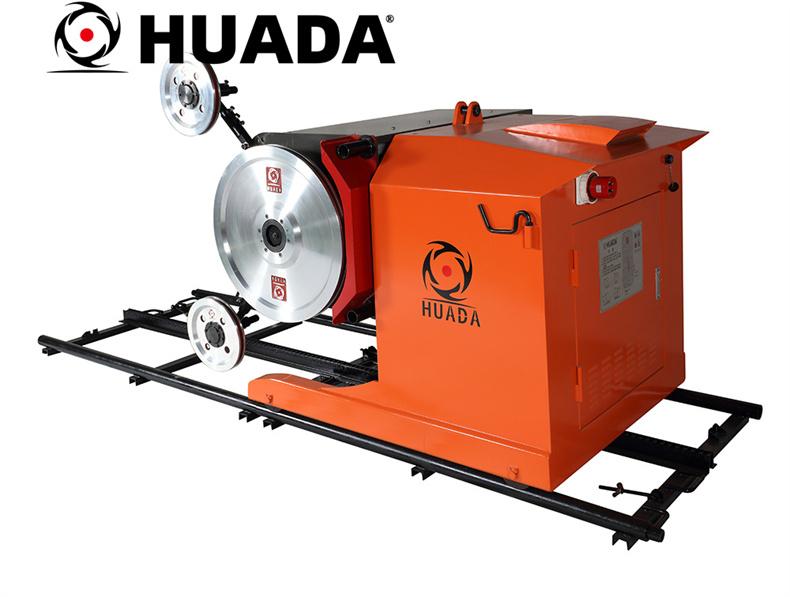
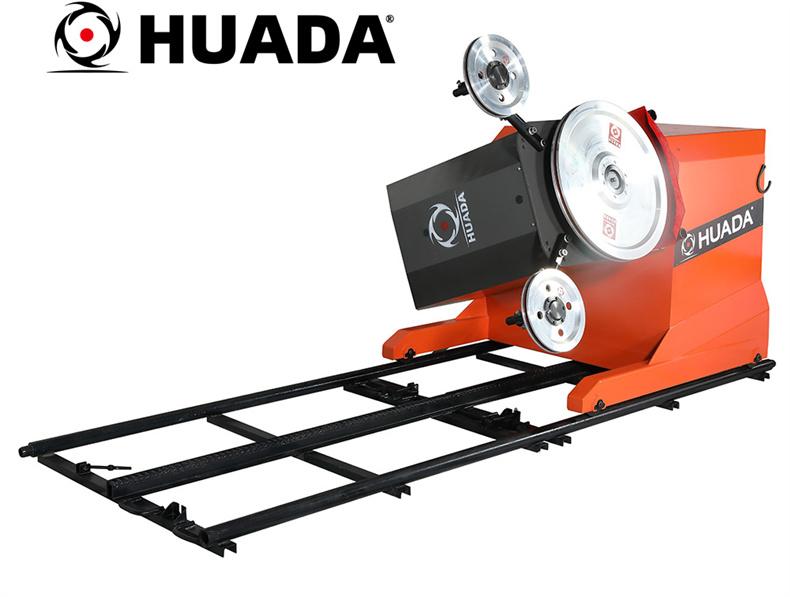
Huada's thin multi wire saw machine is presented for stone slicing. Choosing a production group around that equipment still requires the intended material and product to be evaluated together. A group name cannot establish compatibility or predict a universal cutting result.
Meanwhile, visually related blocks allocated to a coordinated interior may need their relationship preserved across separate production runs. Keeping that customer group visible protects the design intent without pretending all its blocks must behave identically in processing.
The planning advantage comes from retaining both views rather than forcing every decision into a single yard category.

Let uncertainty travel with the allocation
Some blocks can be firmly allocated from the available evidence. Others may be provisional because the appearance match or usable dimensions are still uncertain. Treating those statuses alike creates a delivery promise before the factory knows whether the stone can support it.
Return to the adjoining-panel example. A block may look promising for the intended set, yet newly exposed variation could break the visual relationship. Its alternative use might be individual pieces for the other order, provided those pieces meet that customer's requirements. That is an allocation decision, not an automatic downgrade rule.
The useful commercial distinction is between committed material and possible material. Sales can then see which quantities support a delivery commitment and which depend on later inspection. Procurement can also recognize a genuine shortfall before it becomes an urgent request at the saw.
Keep identity through the split into slabs
Once a block becomes multiple slabs, a yard label alone is no longer enough. The slab identity should retain its parent block and, where appearance relationships matter, its place in the group. This allows the factory to connect inspection findings with the customer allocation as pieces move onward.
Huada's conventional multiwire consumable is plastic-assembled beaded diamond wire, developed with the machine and main material in mind. It is a separate family from the thin-wire machine. Keeping the processing system associated with the batch helps explain which work was actually performed without treating every multiwire route as identical.
When a slab moves to a different order, carry its identity forward. Otherwise, the original order may still appear fully supplied while another planner has already counted the same physical piece. Traceability prevents that double commitment as well as supporting quality review.

Re-sort when the next decision becomes clearer
Sorting is not finished when the yard sequence is agreed. Sawing reveals new surfaces; finishing reveals more about the appearance customers will see. Each stage can improve the allocation, provided changes reach everyone who relies on the original decision.
A useful review asks where newly available information changes a specific order. A colour change may affect a coordinated panel set but leave an individual-piece order viable. A reduced usable area may alter the format allocation while preserving a valuable secondary use.
The result is a production sequence that supports real commitments. Blocks enter the saw for a defined purpose, slabs retain their relationships, and allocations are reviewed as more of the stone becomes visible. Keeping those relationships explicit helps the factory adapt each allocation to the customer's appearance and format requirements.