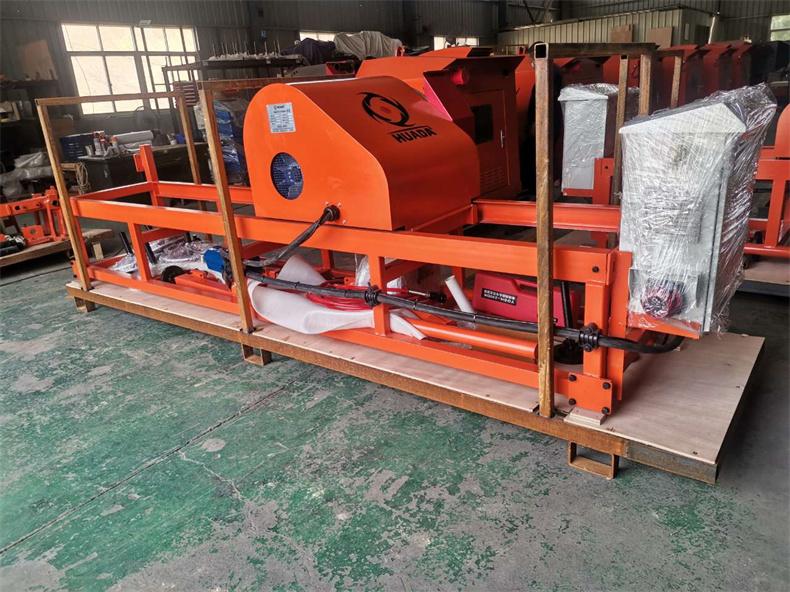

What must be known before diamond count can be linked to cutting efficiency
The archived page associates diamond count or density with several evaluation topics. It does not identify a saved wire configuration or provide a matched test. This page therefore organizes the supported labels and the evidence gaps without giving a causal answer.
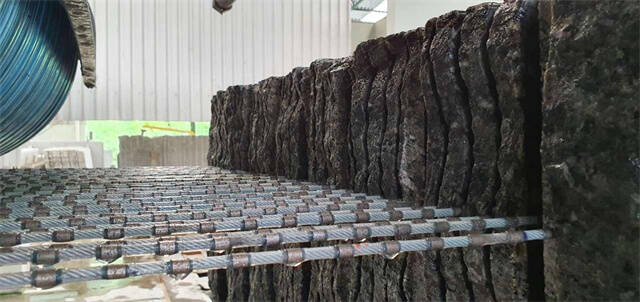
Six evaluation fields retained from the archive
Each field below is a subject for verification, not a direction of effect. The source does not establish whether a higher or lower count improves any outcome.
Diamond count and spacing
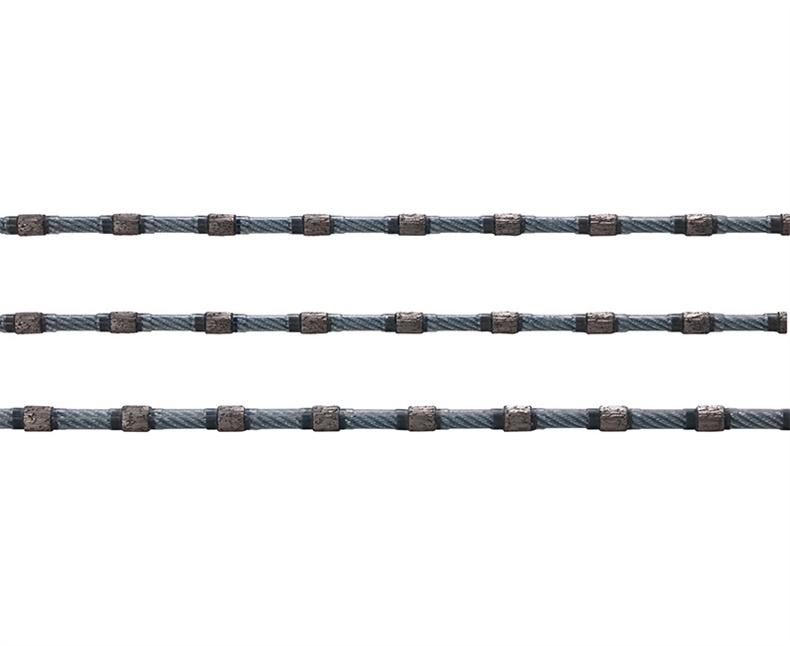
The central label needs an exact definition of what is counted and how spacing is recorded for one identified wire.
Material
The workpiece is a separate evidence field. No material-specific relationship is established by the archived text.
Speed
Cutting speed appears as an evaluation label, but no test condition, measurement method or result is attributable.
Finish and precision
These quality labels remain unmeasured and are not tied to a sample, geometry or acceptance record.
Wear and life
The archive raises durability themes without an inspection record, endpoint definition or comparative dataset.
Cost and productivity
Economic labels are present, while quotations, output records, downtime records and a stated accounting boundary are absent.
The definition gate for a comparable record
A statement about diamond quantity cannot be interpreted until the compared item is defined. A complete identity packet would connect the following fields to the same saved product record.
- Exact wire identity
- SKU, revision and attributable manufacturer document.
- Count definition
- What unit is counted, over what stated length, and by which documented method.
- Bead description
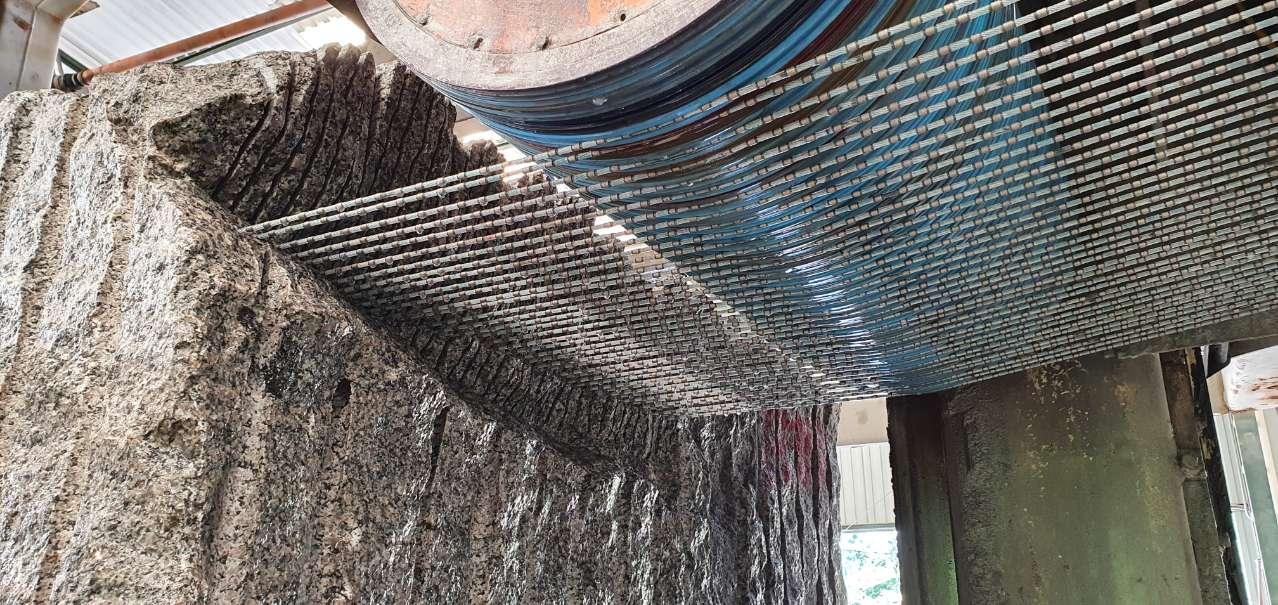
- Bead identity, dimensions, arrangement and spacing as recorded for that SKU.
- Construction record
- Documented diamond and bond description rather than a conclusion inferred from a photograph.
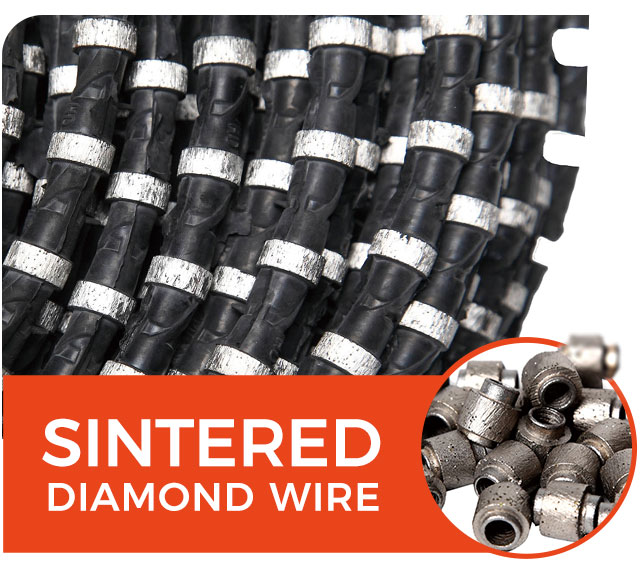
Records needed to evaluate a claimed relationship
| Record layer | Question the record must answer | Why the gap matters |
|---|---|---|
| Product identity | Which exact wire and count definition are under review? | Different definitions cannot be compared as if they describe one variable. |
| Material identity | Which documented material sample and geometry were used? | An unnamed workpiece cannot anchor a material-specific conclusion. |
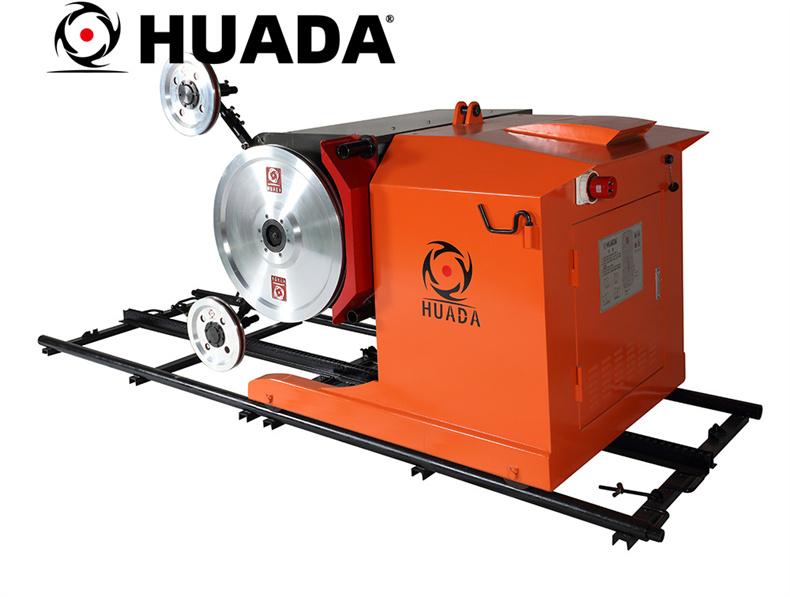
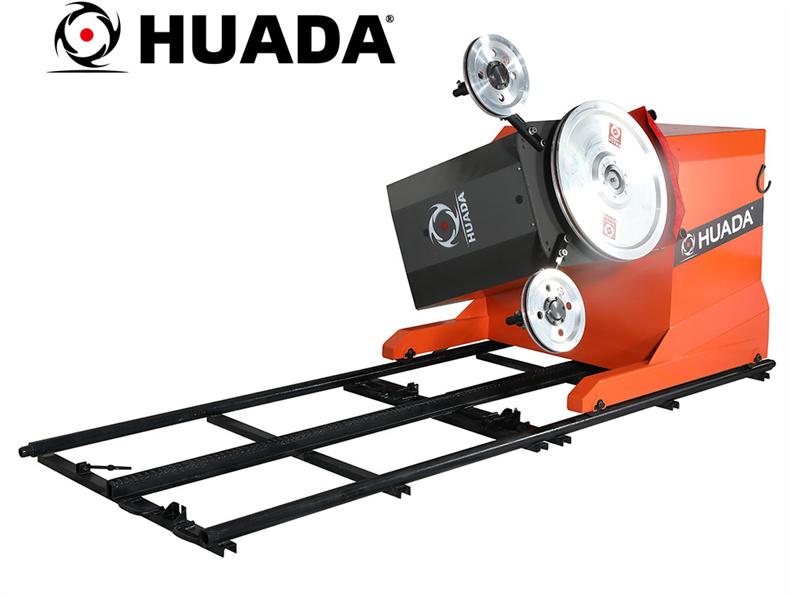
| Machine context | Which exact machine and approved document set governed the test? | A result without equipment identity is not attributable to the wire alone. |
| Matched test | Were comparison conditions, observations and measurement methods retained together? | A claim needs a traceable comparison rather than two unrelated examples. |
| Economic record | Which costs, output period and accounting boundary support the statement? | Cost and productivity cannot be inferred from speed or appearance. |
How to read a future claim file
- Identity first: the SKU, definition, bead record and bond record must refer to one saved configuration.
- Context second: the material, machine and test record must be attributable to that configuration.
- Conclusion last: speed, finish, wear, life and economics remain separate claims until each has its own measurement and boundary.
Source-grounded conclusion
The archive supports a useful question map: count and spacing, material, speed, finish and precision, wear and life, and cost and productivity. It does not answer how those fields relate. That answer remains gated by exact product definitions and a matched, attributable evidence record.