YOUR POSITION:HOME > Blog >

How do you troubleshoot common issues with diamond wire cutting?

Author:Huada Quarrying Machine FROM:Stone quarry machine manufacturer TIME:2026-08-21

MENU
    Practical decision guide

    Use “How do you troubleshoot common issues with diamond wire cutting?” as a decision brief for a diamond wire: define the workpiece, bead diameter, bond, bead spacing, machine type, wire speed and cooling conditions, verify wire direction, tension, connection quality, cooling, rotation where required and bead wear and retain the wire specification, machine match, cutting record and measured wear under representative conditions before approval.

    Equipment familydiamond wire
    Confirmthe workpiece, bead diameter, bond, bead spacing, machine type, wire speed and cooling conditions
    Retainthe wire specification, machine match, cutting record and measured wear under representative conditions

    Technical context for How do you troubleshoot common issues with diamond wire cutting?

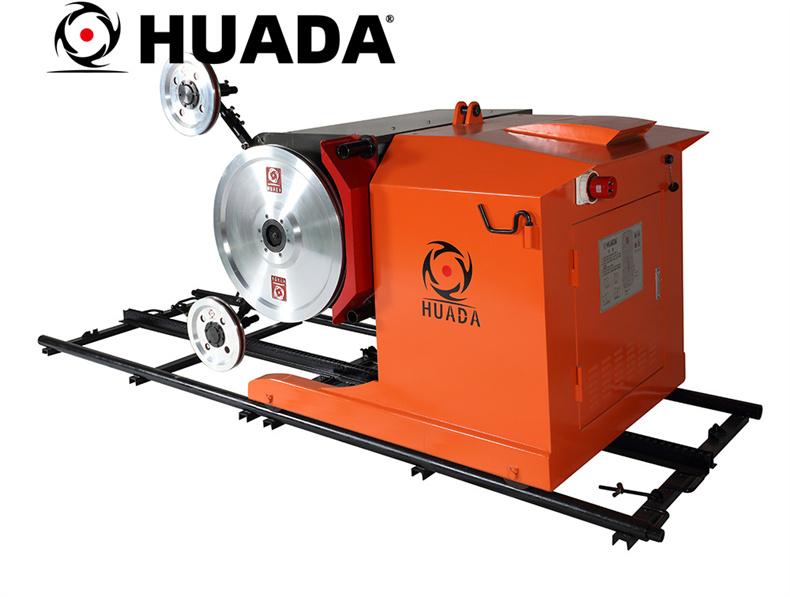
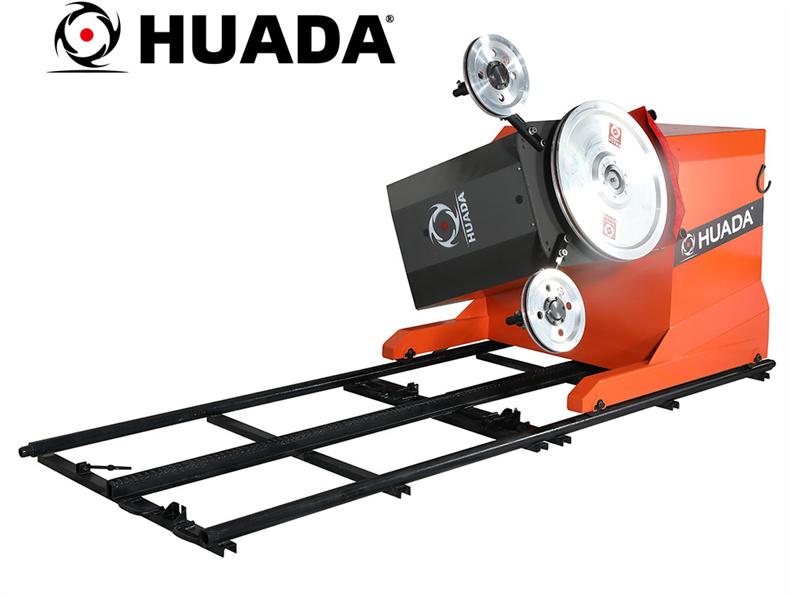
    Diamond wire cutting is a widely used technique in various industries, particularly in stone and concrete cutting applications. It utilizes a wire embedded with diamond segments to cut through hard materials with precision and efficiency. However, like any cutting technology, it can encounter several common issues that may affect performance and output. Understanding how to troubleshoot these problems can significantly improve productivity and extend the lifespan of the equipment. This article will explore some typical issues associated with diamond wire cutting and provide practical solutions to address them.

    Common Issues in Diamond Wire Cutting

    Before diving into troubleshooting strategies, it's essential to identify the most common issues that arise during diamond wire cutting. These problems often include wire breakage, uneven cutting, excessive wear on the wire, and machine vibration. Each of these issues can stem from various factors, including improper equipment setup, maintenance neglect, or unsuitable cutting parameters. Let's examine these issues in detail and explore potential solutions.
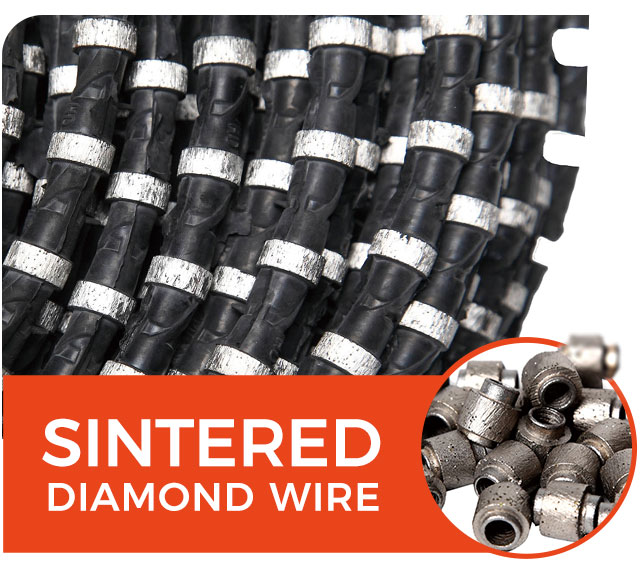
    Wire Breakage

    638eed6e4829b.jpg

    One of the most frequent problems encountered in diamond wire cutting is wire breakage. This issue can lead to significant downtime and increased operational costs. Wire breakage can occur due to several reasons, including excessive tension, incorrect alignment of the cutting machine, or using worn-out wires. To troubleshoot this problem, start by checking the tension settings on the machine. Ensure that the wire is not overly tightened, as this can lead to premature failure. Additionally, inspect the alignment of the cutting machine; misalignment can cause uneven stress on the wire, leading to breakage. Finally, make sure to replace worn wires regularly to maintain optimal cutting performance.

    Uneven Cutting

    Uneven cutting is another common issue that can compromise the quality of the finished product. This problem often manifests as irregular surfaces or dimensions that do not meet specifications. The root causes of uneven cutting can include improper cutting speed, incorrect wire type, or inadequate support for the workpiece. To address uneven cutting, first, evaluate the cutting speed. If it is too fast, it may cause the wire to skip or bounce, resulting in an uneven cut. Adjust the speed to match the material being cut. Additionally, ensure that you are using the appropriate type of diamond wire for the specific application. Lastly, providing proper support for the workpiece can help stabilize it during the cutting process, which contributes to a more uniform cut.

    Excessive Wear on the Wire

    Excessive wear on the diamond wire can lead to reduced cutting efficiency and increased replacement costs. Factors contributing to this issue include improper cooling, incorrect feed rates, and using the wrong diamond grade. To troubleshoot excessive wear, check the cooling system to ensure it is functioning correctly. Inadequate cooling can lead to overheating, which accelerates wire wear. Additionally, review the feed rates: if they are too high, they can cause excessive friction and subsequent wear. Finally, be aware of the diamond grade being used; selecting the correct grade for your material will enhance cutting performance and reduce wear.

    Machine Vibration

    Machine vibration during operation can lead to a range of issues, including poor cut quality and increased wear on components. Vibration may be caused by several factors, such as an unbalanced machine, worn bearings, or improper installation. To troubleshoot machine vibration, start by inspecting the machine for any signs of imbalance. Ensure that all components are securely fastened and that the machine is level. Additionally, check the bearings for wear and replace them if necessary. If the machine is improperly installed, consult the manufacturer's guidelines to ensure correct setup.

    Maintenance Practices

    Regular maintenance is crucial for preventing many of the common issues associated with diamond wire cutting. Establishing a routine maintenance schedule can help identify potential problems before they escalate. Key maintenance practices include regular inspections of the cutting wire, machine components, and the cooling system. Additionally, keep detailed records of maintenance activities and any issues encountered during operations. This information can be invaluable for identifying patterns and preventing future problems.
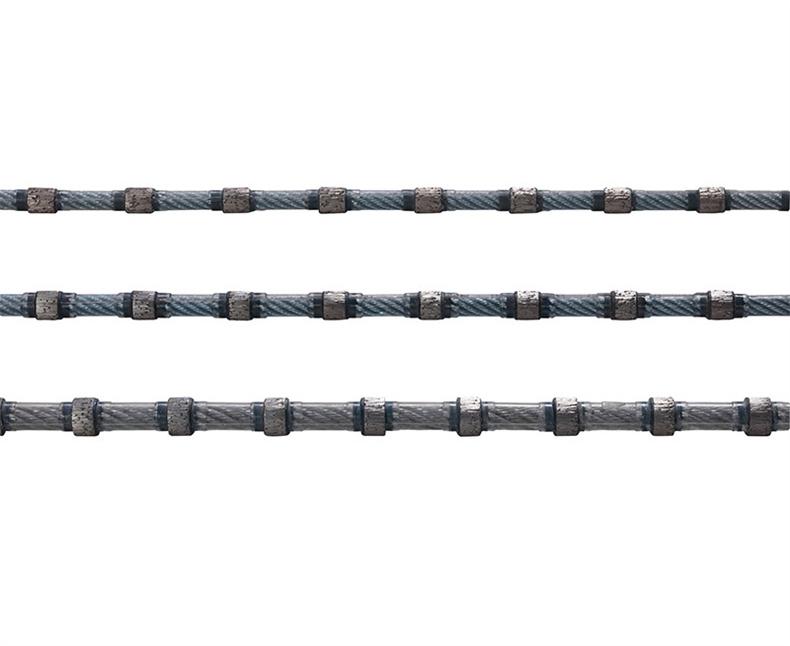
    Training and Operation Best Practices

    60ee95d26a062.jpg

    Proper training for operators is vital in minimizing issues during diamond wire cutting. Operators should be well-versed in the machine's capabilities and limitations, as well as the characteristics of the materials being cut. Training sessions should cover best practices for wire installation, machine operation, and troubleshooting common problems. Encouraging operators to communicate any difficulties they encounter can help create a proactive approach to problem-solving and maintenance.
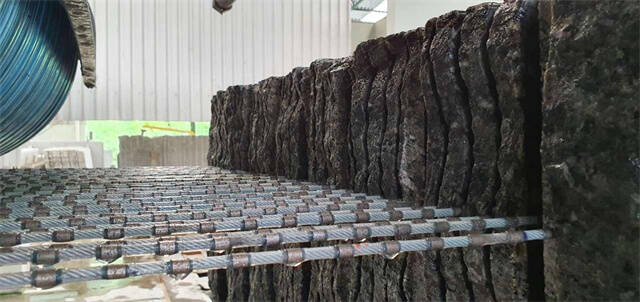
    Conclusion

    638ef820cb2ab.jpg

    Troubleshooting common issues with diamond wire cutting requires a comprehensive understanding of the equipment, materials, and operational practices. By identifying problems such as wire breakage, uneven cutting, excessive wear, and machine vibration, operators can implement effective solutions to enhance performance and efficiency. Regular maintenance and operator training also play critical roles in minimizing potential issues. By adopting these best practices, businesses can achieve improved productivity and longer equipment lifespan, ensuring that diamond wire cutting remains a reliable and efficient method for hard material processing.

    Control the main operating risk

    The recurring risk in “How do you troubleshoot common issues with diamond wire cutting?” is matching only bead diameter while ignoring bond, machine, material and operating conditions. Set a stop condition, assign who checks the machine and tool, and keep changes traceable. If the result moves outside the agreed window, investigate the material, alignment, tooling and utilities before adding load or speed.

    Define the application before comparing equipment

    For “How do you troubleshoot common issues with diamond wire cutting?,” write down the workpiece, bead diameter, bond, bead spacing, machine type, wire speed and cooling conditions. This separates a real project requirement from a search phrase and gives every supplier the same boundary. The proposed diamond wire can then be checked against the material, site and required result instead of being accepted by name alone.

    Use evidence that can be retained

    A practical review of “How do you troubleshoot common issues with diamond wire cutting?” should retain the wire specification, machine match, cutting record and measured wear under representative conditions. Photographs and brochures help identify the offered configuration, but they do not replace a test condition, measured result or signed scope. Record settings for wire direction, tension, connection quality, cooling, rotation where required and bead wear so the accepted result can be repeated.

    Decision and acceptance table

    Decision pointWhat to defineEvidence to keep
    Applicationthe workpiece, bead diameter, bond, bead spacing, machine type, wire speed and cooling conditionsWritten job or product brief
    Operating windowwire direction, tension, connection quality, cooling, rotation where required and bead wearRecorded trial settings and observations
    Acceptancethe wire specification, machine match, cutting record and measured wear under representative conditionsSigned sample, cut record or inspection note
    Risk controlmatching only bead diameter while ignoring bond, machine, material and operating conditionsNamed corrective action and stop condition

    Buyer and operator checklist

    • Material and cut or hole dimensions for How do you troubleshoot common issues with diamond wire cutting?
    • Offered diamond wire configuration and included tooling
    • Power, water, compressed air, access and lifting requirements
    • Settings and checks covering wire direction, tension, connection quality, cooling, rotation where required and bead wear
    • Factory or site acceptance method and responsible people
    • Training, critical spares, manuals and service response boundary

    Frequently asked questions

    What should be confirmed first for How do you troubleshoot common issues with diamond wire cutting??

    For How do you troubleshoot common issues with diamond wire cutting?, start with the workpiece, bead diameter, bond, bead spacing, machine type, wire speed and cooling conditions. Those inputs determine whether the proposed diamond wire and tool are relevant.

    How should performance for How do you troubleshoot common issues with diamond wire cutting? be verified?

    For How do you troubleshoot common issues with diamond wire cutting?, use the wire specification, machine match, cutting record and measured wear under representative conditions. Keep the material, operating conditions and acceptance criteria with the result.

    Which settings matter during How do you troubleshoot common issues with diamond wire cutting??

    For How do you troubleshoot common issues with diamond wire cutting?, record wire direction, tension, connection quality, cooling, rotation where required and bead wear. A result without its settings is difficult to reproduce or compare.

    When should work on How do you troubleshoot common issues with diamond wire cutting? be paused?

    For How do you troubleshoot common issues with diamond wire cutting?, pause when the workpiece, support, guarding, utilities or cutting condition is unsafe, or when matching only bead diameter while ignoring bond, machine, material and operating conditions is observed.

    Manufacturer Address:No.54 Xinda Road,Luojiang District,Quanzhou City,Fujian Province,China
    Sales Tel:+8619859567581
    Supplier E-mail:hzj@huada-group.com

    NEW KEYWORD

    About Us

    Products

    Information