Author:Huada Quarrying Machine FROM:Stone quarry machine manufacturer TIME:2026-09-02
Using diamond wire saws has become increasingly popular in various industries, particularly in stone cutting, concrete demolition, and even in the aerospace sector for precision material removal. One of the crucial factors that influence the efficiency and effectiveness of diamond wire cutting is the cutting angle. Adjusting the cutting angle can significantly impact the quality of the cut, the lifespan of the wire, and the overall performance of the operation. This article will explore how to adjust the cutting angle when using diamond wire, providing insights into the techniques, considerations, and best practices to achieve optimal results.
Before delving into how to adjust the cutting angle, it is essential to understand what a cutting angle is in the context of diamond wire saws. The cutting angle refers to the orientation at which the diamond wire interacts with the material being cut. This angle can affect the efficiency of the cutting process, the heat generated during cutting, and the wear on the wire itself. A proper cutting angle ensures that the diamonds on the wire engage the material effectively, optimizing both speed and precision.
Several factors influence the decision on how to adjust the cutting angle. These include the type of material being cut, the thickness of the material, and the desired finish quality. For example, harder materials may require a steeper angle for effective penetration, while softer materials might benefit from a shallower angle to reduce friction and heat generation. Understanding these factors is key to making informed adjustments to the cutting angle.
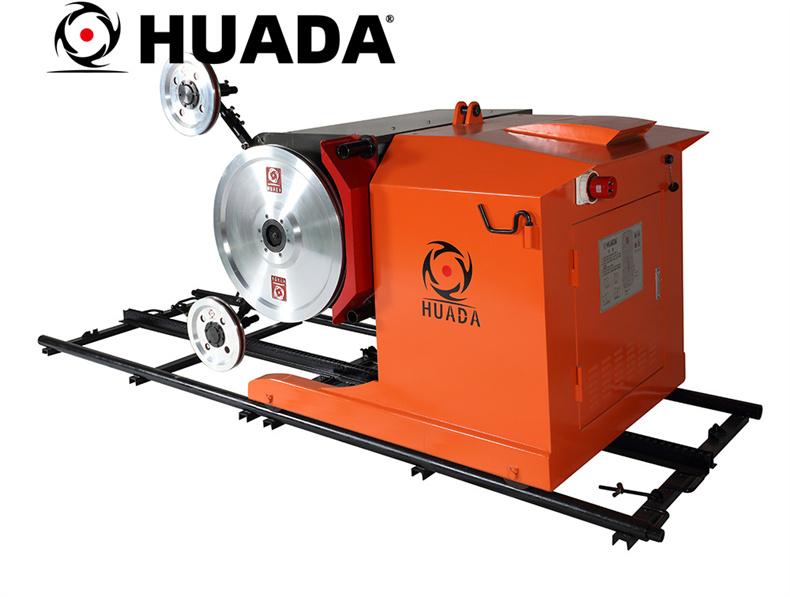
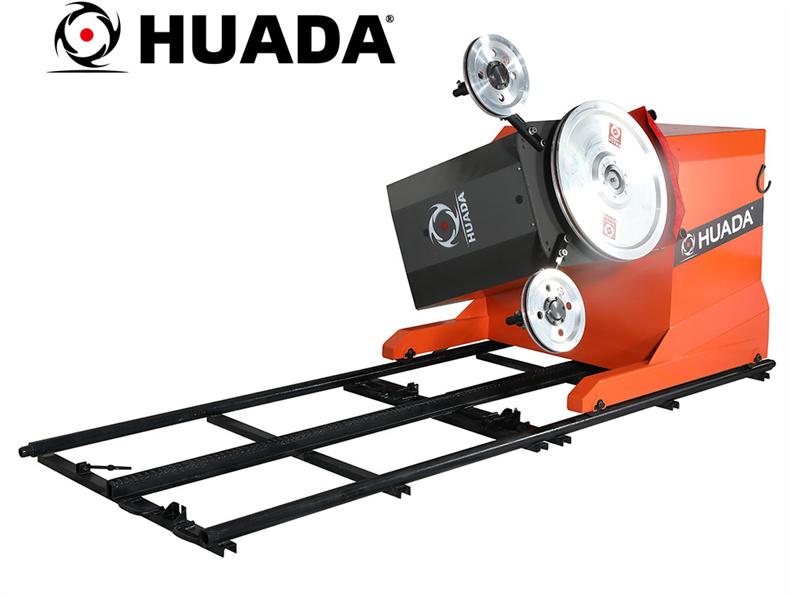
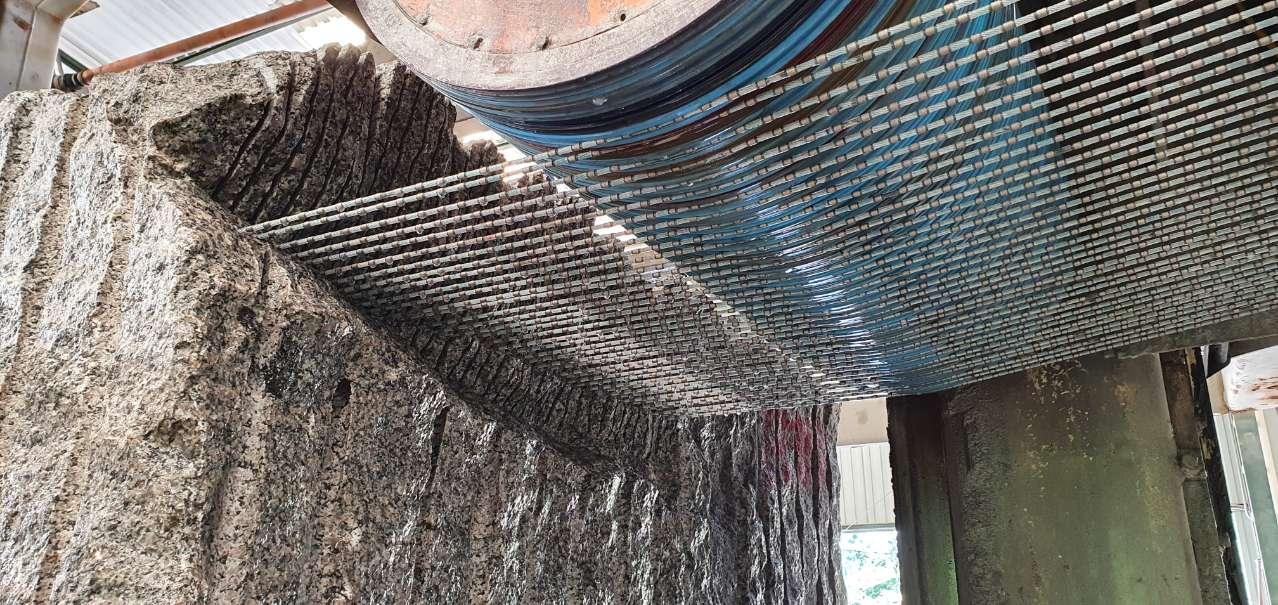
There are several techniques for adjusting the cutting angle when using a diamond wire saw. One common method involves the use of adjustable pulleys or guides that can be repositioned to alter the angle of the wire as it enters the material. This adjustment can be done manually or automatically, depending on the equipment being used. Additionally, operators can modify the tension of the wire to indirectly influence the cutting angle; a tighter wire may allow for a steeper entry angle, enhancing the cutting ability.
When adjusting the cutting angle, it is vital to monitor the performance of the diamond wire saw continuously. Operators should pay close attention to signs of stress on the wire, changes in cutting speed, and the quality of the cut. If the wire shows excessive wear or if the cutting speed decreases significantly, it may indicate that the cutting angle needs further adjustment. Regularly assessing these parameters can help maintain an optimal cutting angle throughout the operation.
Different materials require different cutting angles for optimal performance. For instance, when cutting concrete, a typical cutting angle may range from 10 to 20 degrees, while cutting granite may necessitate an angle between 15 to 30 degrees. It is crucial to consult manufacturer guidelines and industry standards for specific recommendations based on the material type. Experimentation within these ranges can also help fine-tune the cutting angle for specific applications.
Even experienced operators can make mistakes when adjusting cutting angles. One common error is not considering the material's properties before making adjustments. Another mistake is failing to document the adjustments made, which can lead to inconsistencies in future operations. Operators should also be cautious about making drastic angle changes, as this can lead to increased wear on the diamond wire and poor cutting performance. Taking a systematic approach to adjustments can help avoid these pitfalls.
Proper maintenance of diamond wire saw equipment is essential for ensuring that adjustments to the cutting angle are effective. Regularly inspecting the diamond wire for signs of wear, checking the alignment of the pulleys, and maintaining the tension are critical tasks. Neglecting maintenance can result in suboptimal cutting angles and reduced efficiency. Keeping the equipment in good condition allows for smoother adjustments and better overall performance.
Advancements in technology have introduced automated systems for adjusting cutting angles. These systems use sensors and computer algorithms to determine the optimal angle based on real-time data from the cutting process. Such technology can enhance precision and reduce the risk of human error in angle adjustments. As technology continues to evolve, integrating these advanced systems can lead to more efficient and accurate cutting operations.
Adjusting the cutting angle when using a diamond wire saw is a critical aspect of achieving high-quality cuts and maximizing the lifespan of the equipment. By understanding the various factors influencing cutting angles, employing effective adjustment techniques, and monitoring performance, operators can enhance their cutting operations significantly. As technology continues to advance, embracing innovative solutions will further improve the efficiency and accuracy of diamond wire cutting. Ultimately, mastering the art of cutting angle adjustment will lead to better outcomes in various applications, from construction to manufacturing.