Use “What are the advantages of using a wire saw over traditional saws?” as a decision brief for a wire saw machine: define the material, cut size, access, pulley layout, drive power, wire specification and required finish, verify wire speed, feed rate, tension, cooling-water delivery, guide-wheel alignment and cut clearance and retain a representative cut record, wire-consumption notes, surface condition and a configuration drawing before approval.
Technical context for What are the advantages of using a wire saw over traditional saws?
In the world of cutting tools, wire saws have emerged as a revolutionary alternative to traditional saws. While conventional saws such as band saws and circular saws have been widely used for decades, wire saw technology offers several advantages that make it a preferred choice in various industries. This article will explore the benefits of using wire saws over traditional saws, including their efficiency, precision, versatility, and safety features.
Efficiency in Cutting
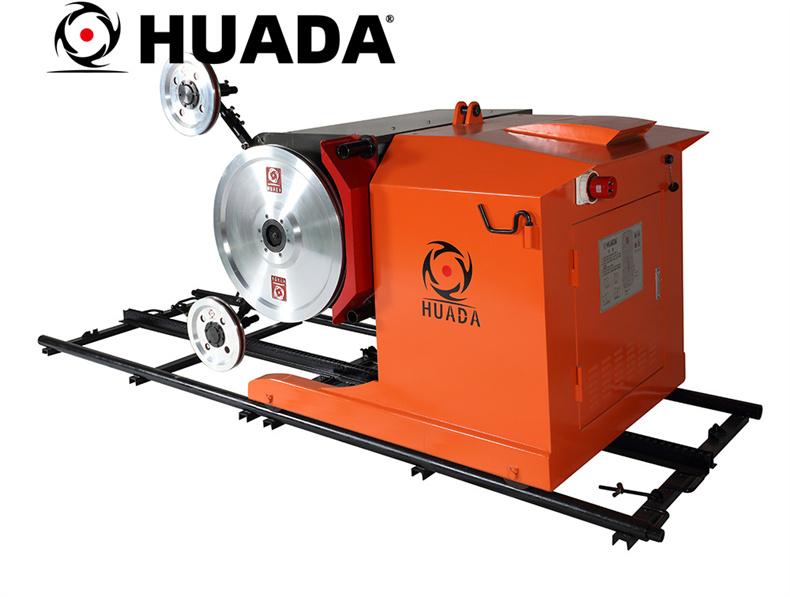
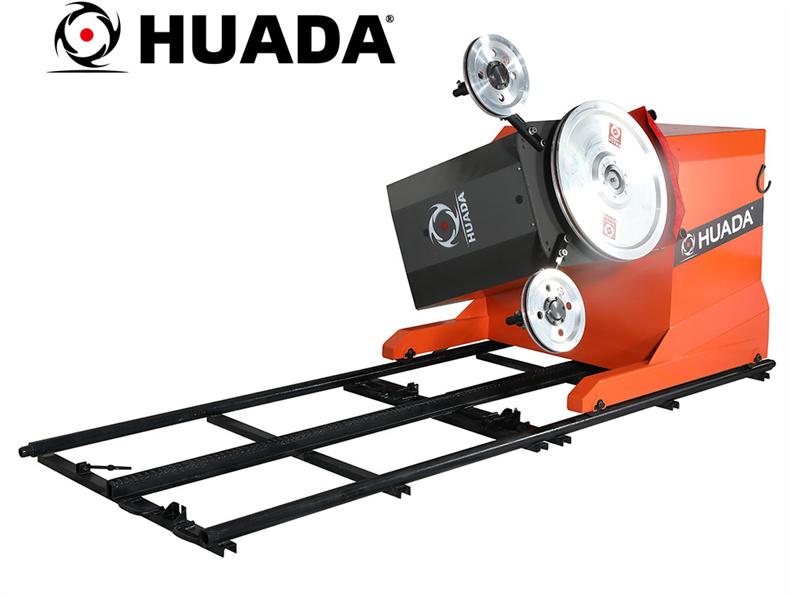
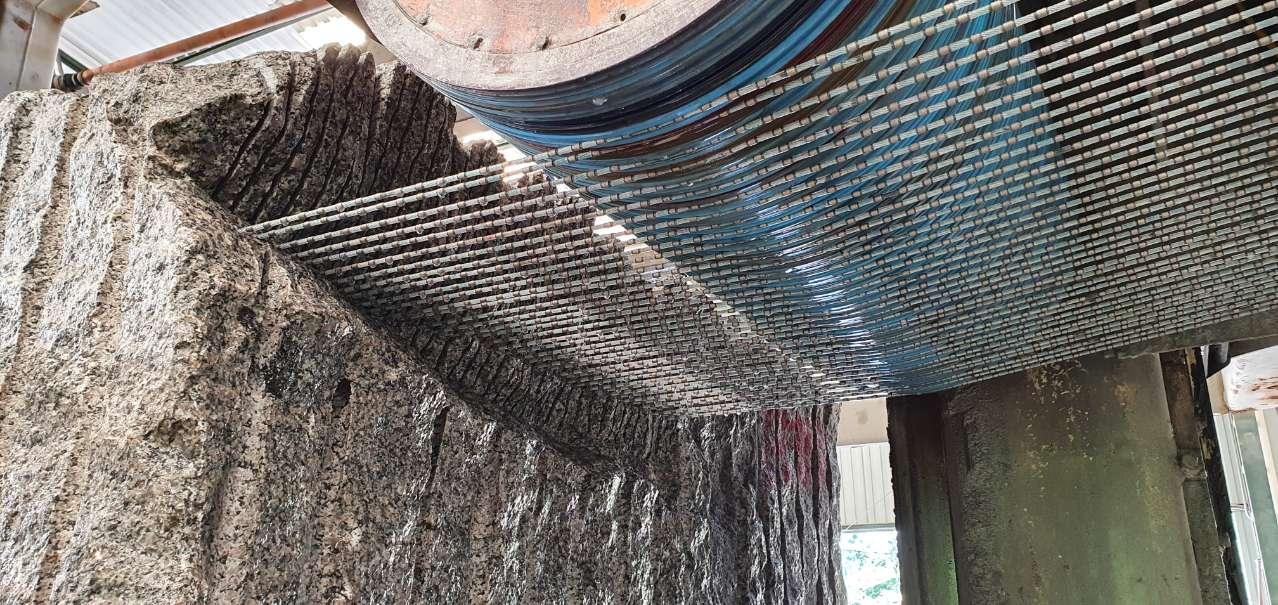
One of the most significant advantages of wire saws is their efficiency in cutting materials. Wire saws operate using a thin, flexible wire that is threaded through pulleys, allowing for continuous cutting action. This design enables them to cut through materials much faster compared to traditional saws. In applications where time is crucial, such as in manufacturing environments, the speed of wire saws can lead to increased productivity and reduced operational costs.
Precision and Accuracy
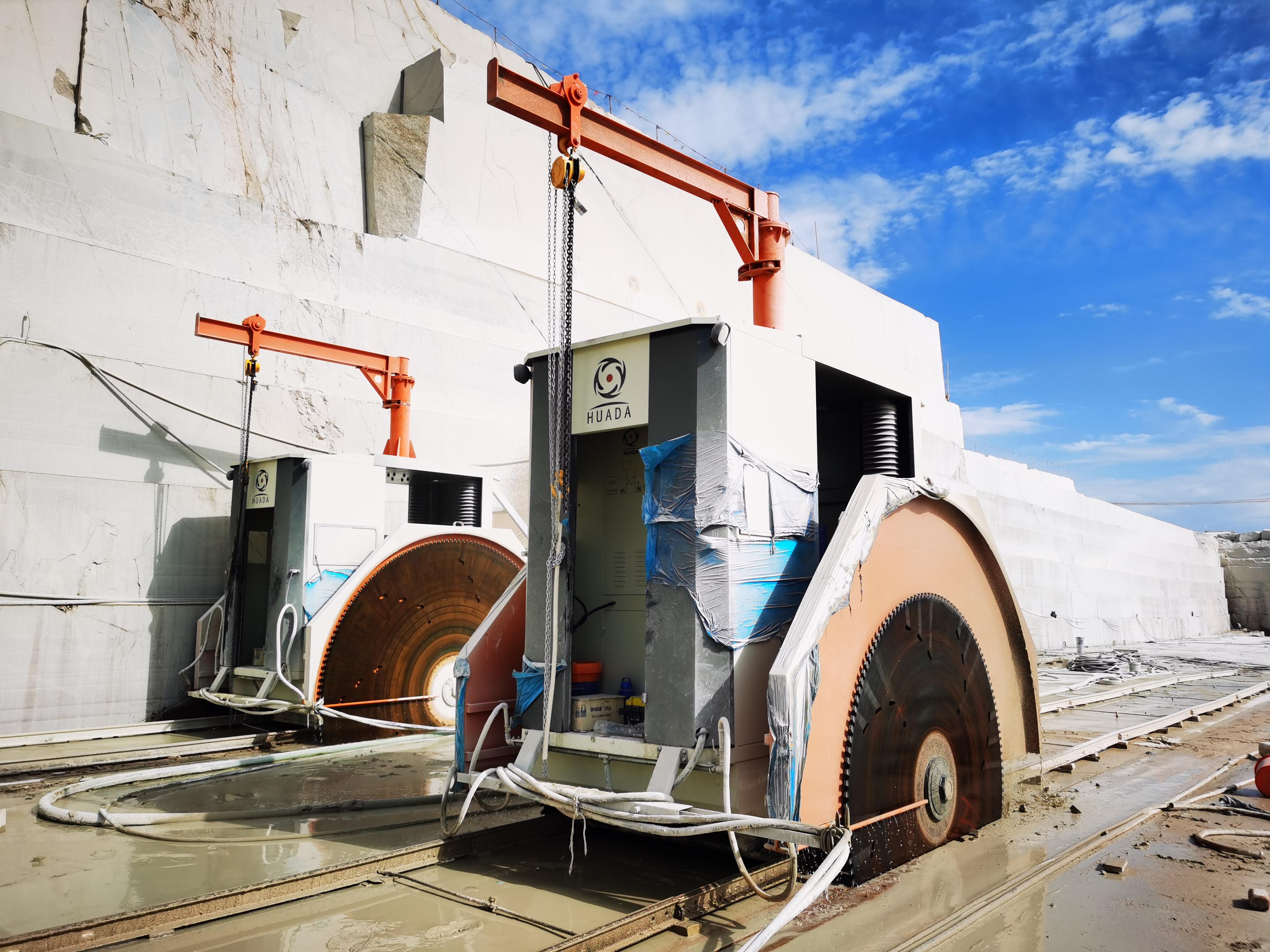
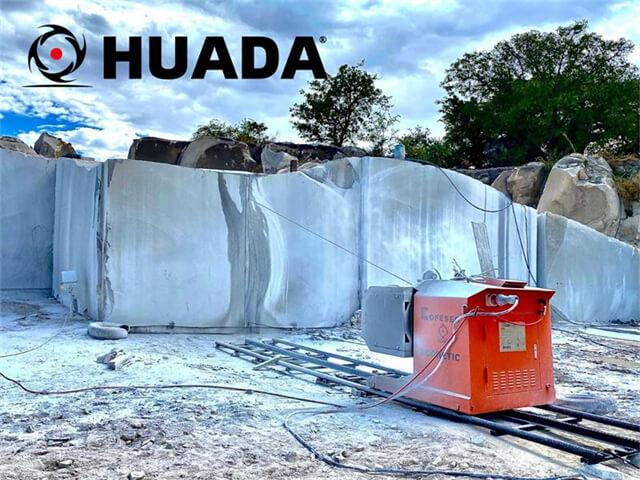
Wire saws provide exceptional precision and accuracy in cutting. The thin wire allows for narrow kerf cuts, which minimizes material wastage and ensures cleaner edges. This level of precision is particularly beneficial in industries that require intricate cuts, such as stone quarrying and advanced manufacturing. Traditional saws often leave rough edges that require additional finishing work, whereas wire saws can achieve the desired finish right from the cutting stage.
Versatility Across Materials

Another notable advantage of wire saws is their versatility. They can be used to cut a wide range of materials, including hard metals, ceramics, glass, and even stones. This adaptability makes wire saws suitable for various applications across different industries, from construction to electronics. Traditional saws often struggle with harder materials or require specific blades for different substances, making wire saws a more efficient solution for multi-material processing.
Reduced Waste and Environmental Impact
Using a wire saw also contributes to reduced waste and a lower environmental impact. The narrow kerf produced by wire saws results in less material being wasted during the cutting process. This not only saves money but also supports sustainability efforts in industries where material conservation is critical. As companies strive to minimize their environmental footprint, the adoption of wire saws aligns with eco-friendly practices.
Enhanced Safety Features

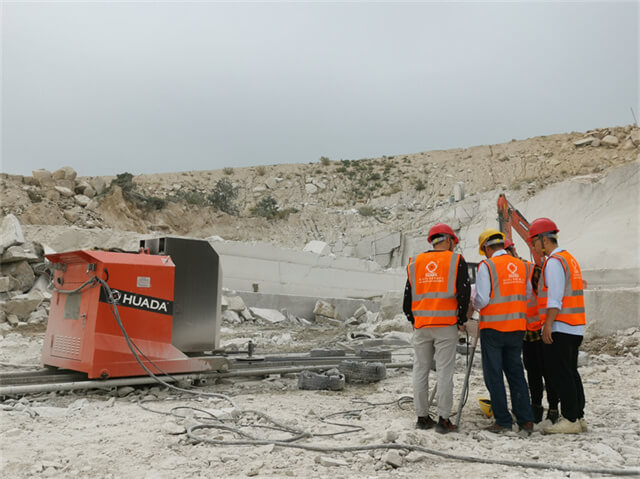
Safety is a paramount concern in any industrial setting, and wire saws offer enhanced safety features compared to traditional saws. The design of wire saws allows for lower operating speeds, which reduces the risk of accidents and injuries. Additionally, the enclosed cutting mechanism minimizes exposure to moving parts, providing a safer working environment for operators. By reducing the potential for kickbacks and other hazards common with traditional saws, wire saws help improve overall workplace safety.
Cost-Effectiveness Over Time
While the initial investment in a wire saw may be higher than that of traditional saws, they prove to be more cost-effective in the long run. The increased efficiency, reduced material waste, and lower maintenance costs associated with wire saws contribute to significant savings over time. Additionally, the durability of wire saws means they often have a longer lifespan compared to traditional options, further enhancing their cost-effectiveness.
Ease of Use and Maintenance

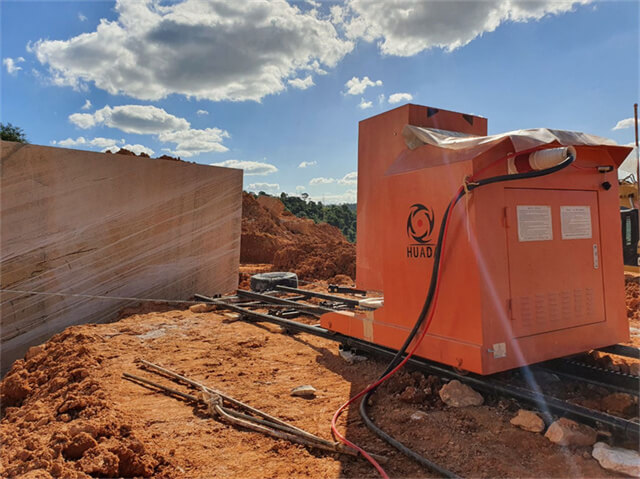
Wire saws are generally easier to use and maintain compared to traditional saws. Their straightforward design means that operators can quickly learn how to operate them effectively, reducing training time. Maintenance is also simplified, as wire saws require less frequent blade changes and adjustments. This ease of use contributes to smoother operations and less downtime, further amplifying productivity in manufacturing processes.
Conclusion: Embracing Modern Cutting Technology
In conclusion, the advantages of using wire saws over traditional saws are clear. Their efficiency, precision, versatility, and safety features make them a superior choice for many applications. As industries continue to evolve and seek out innovative solutions, wire saw technology stands out as a game-changer in cutting processes. By embracing this modern cutting technology, companies can enhance their productivity, reduce costs, and improve overall safety in their operations.

Define the application before comparing equipment
For “What are the advantages of using a wire saw over traditional saws?,” write down the material, cut size, access, pulley layout, drive power, wire specification and required finish. This separates a real project requirement from a search phrase and gives every supplier the same boundary. The proposed wire saw machine can then be checked against the material, site and required result instead of being accepted by name alone.
Use evidence that can be retained
A practical review of “What are the advantages of using a wire saw over traditional saws?” should retain a representative cut record, wire-consumption notes, surface condition and a configuration drawing. Photographs and brochures help identify the offered configuration, but they do not replace a test condition, measured result or signed scope. Record settings for wire speed, feed rate, tension, cooling-water delivery, guide-wheel alignment and cut clearance so the accepted result can be repeated.
Control the main operating risk
The recurring risk in “What are the advantages of using a wire saw over traditional saws?” is poor pulley alignment, inadequate cooling, unsuitable wire or an unstable feed setting. Set a stop condition, assign who checks the machine and tool, and keep changes traceable. If the result moves outside the agreed window, investigate the material, alignment, tooling and utilities before adding load or speed.
Decision and acceptance table
| Decision point | What to define | Evidence to keep |
|---|---|---|
| Application | the material, cut size, access, pulley layout, drive power, wire specification and required finish | Written job or product brief |
| Operating window | wire speed, feed rate, tension, cooling-water delivery, guide-wheel alignment and cut clearance | Recorded trial settings and observations |
| Acceptance | a representative cut record, wire-consumption notes, surface condition and a configuration drawing | Signed sample, cut record or inspection note |
| Risk control | poor pulley alignment, inadequate cooling, unsuitable wire or an unstable feed setting | Named corrective action and stop condition |
Buyer and operator checklist
- Material and cut or hole dimensions for What are the advantages of using a wire saw over traditional saws?
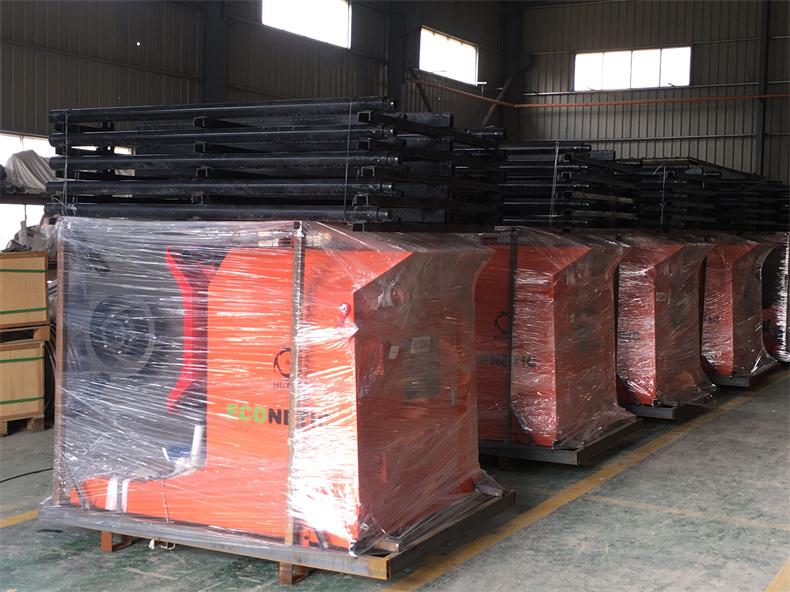
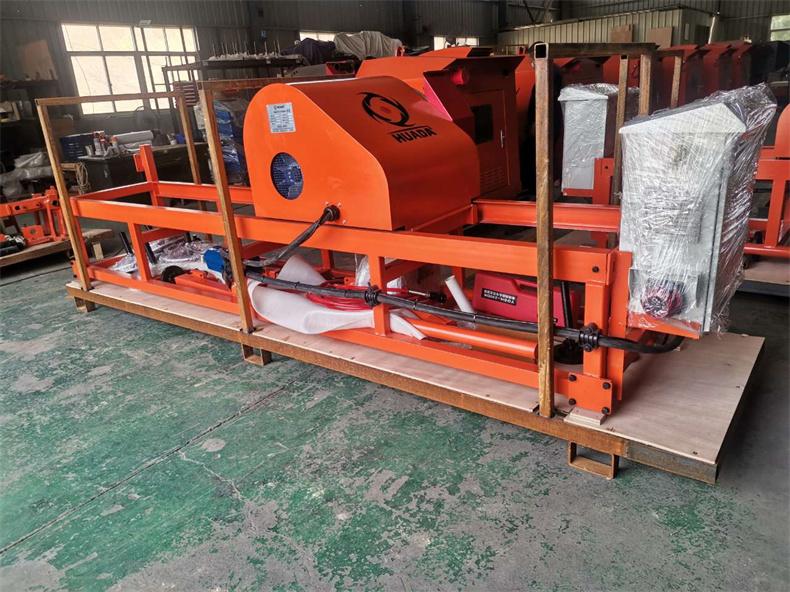
- Offered wire saw machine configuration and included tooling
- Power, water, compressed air, access and lifting requirements
- Settings and checks covering wire speed, feed rate, tension, cooling-water delivery, guide-wheel alignment and cut clearance
- Factory or site acceptance method and responsible people
- Training, critical spares, manuals and service response boundary
Frequently asked questions
What should be confirmed first for What are the advantages of using a wire saw over traditional saws??
For What are the advantages of using a wire saw over traditional saws?, start with the material, cut size, access, pulley layout, drive power, wire specification and required finish. Those inputs determine whether the proposed wire saw machine and tool are relevant.
How should performance for What are the advantages of using a wire saw over traditional saws? be verified?
For What are the advantages of using a wire saw over traditional saws?, use a representative cut record, wire-consumption notes, surface condition and a configuration drawing. Keep the material, operating conditions and acceptance criteria with the result.
Which settings matter during What are the advantages of using a wire saw over traditional saws??
For What are the advantages of using a wire saw over traditional saws?, record wire speed, feed rate, tension, cooling-water delivery, guide-wheel alignment and cut clearance. A result without its settings is difficult to reproduce or compare.
When should work on What are the advantages of using a wire saw over traditional saws? be paused?
For What are the advantages of using a wire saw over traditional saws?, pause when the workpiece, support, guarding, utilities or cutting condition is unsafe, or when poor pulley alignment, inadequate cooling, unsuitable wire or an unstable feed setting is observed.