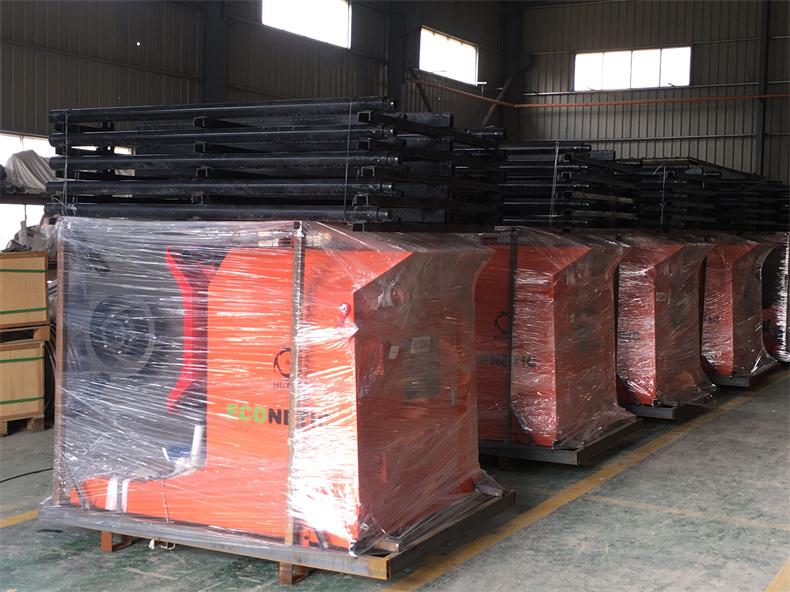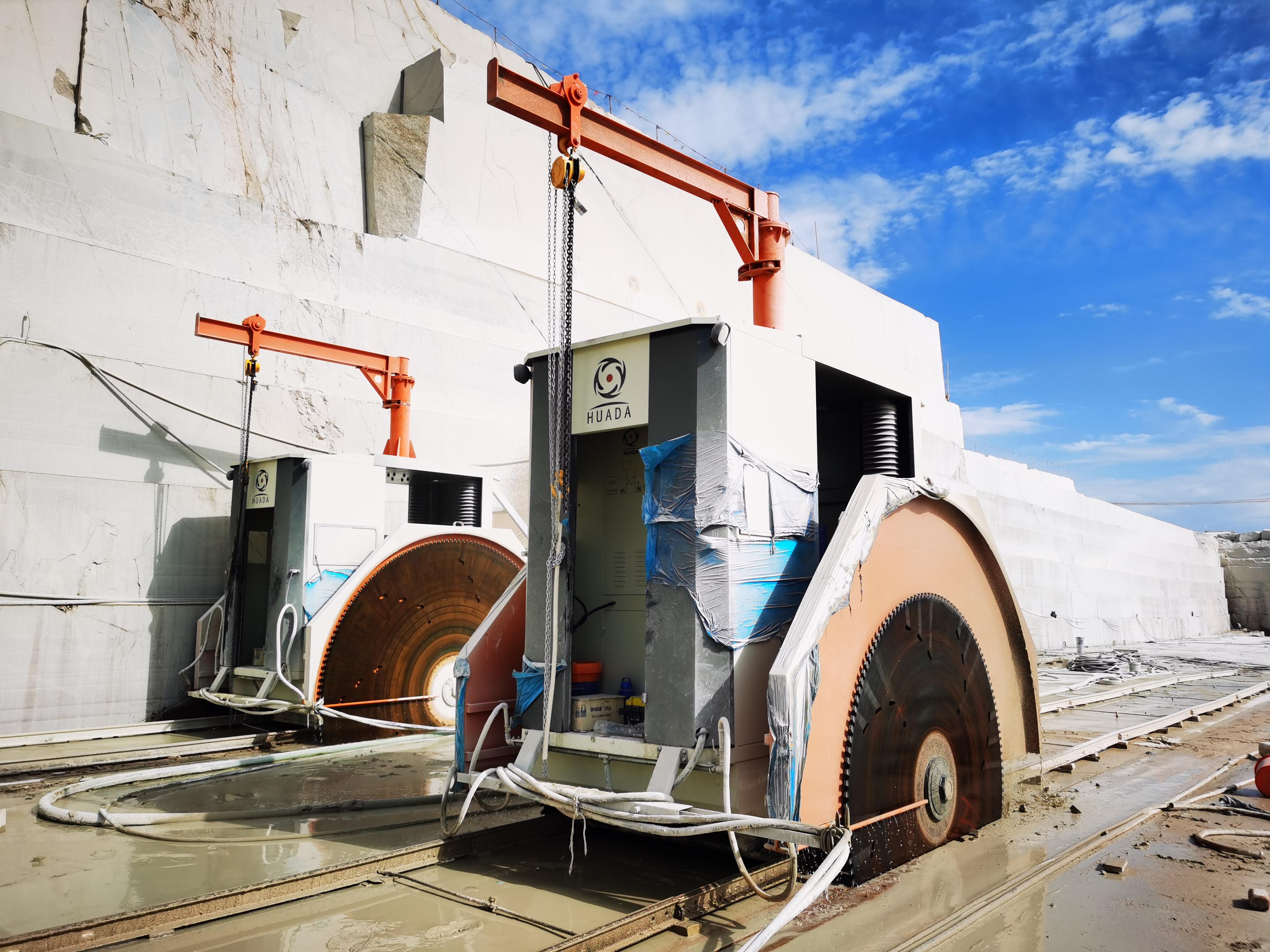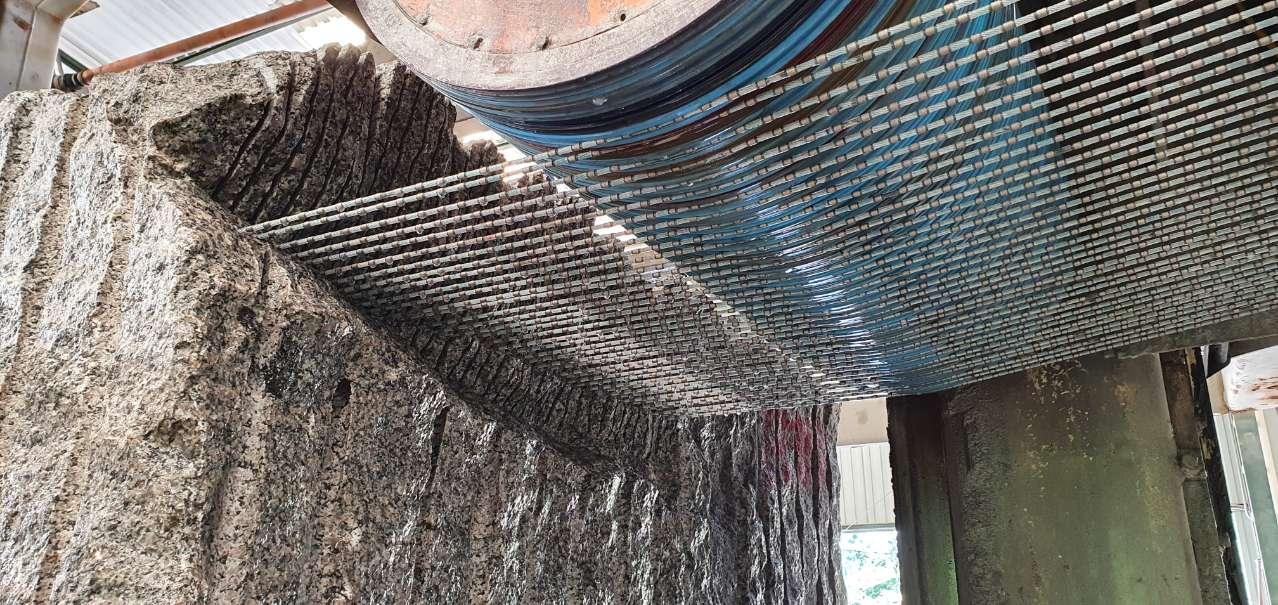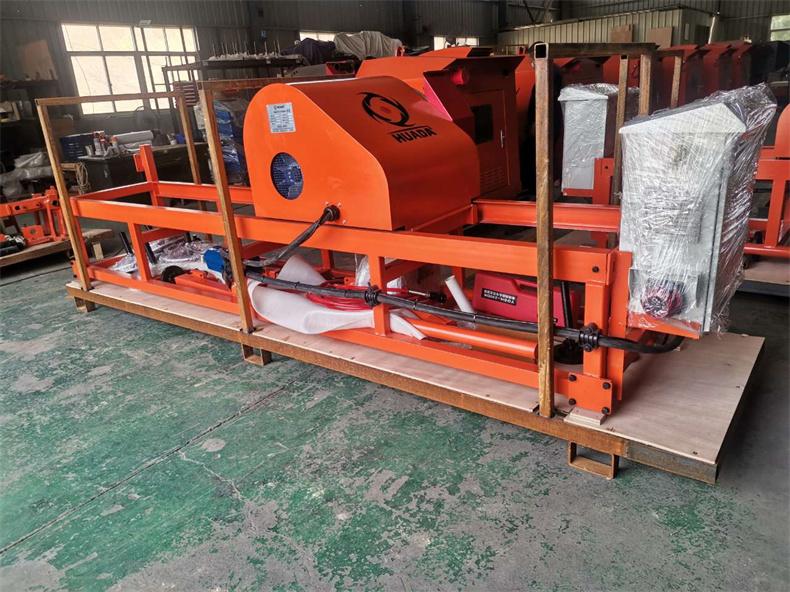

The archived article lists supplier research, reputation, product documentation, quotations, warranty, installation and training, support, parts, and relationship records. It does not name a supplier legal entity, exact machine model, dated quote, certification scope, warranty text, or service record. Those labels cannot support a reliability finding or endorsement.
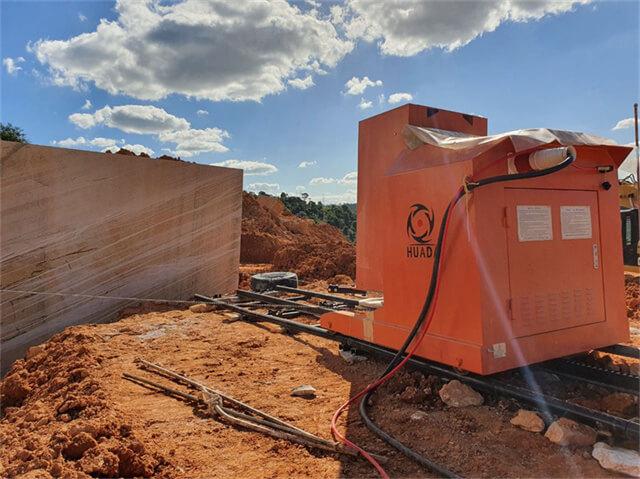
Start of the evidence chain: entity and model identity
Before any supplier statement can be attributed, the record has to identify the legal entity making it and the exact wire-saw machine model covered. The historical page provides neither. A company name suggested by search results, reviews, affiliations, or imagery would not close that gap.
Supplier-evidence topics preserved from the old page
- Supplier research and reputation records
- Product documentation
- Quotation records
- Warranty records
- Installation and training records
- Support records
- Parts records
- Relationship records
The list is an index of historical subjects, not a finding that any named or unnamed supplier satisfies them. The archive offers no attributable document set with which to test the claim.
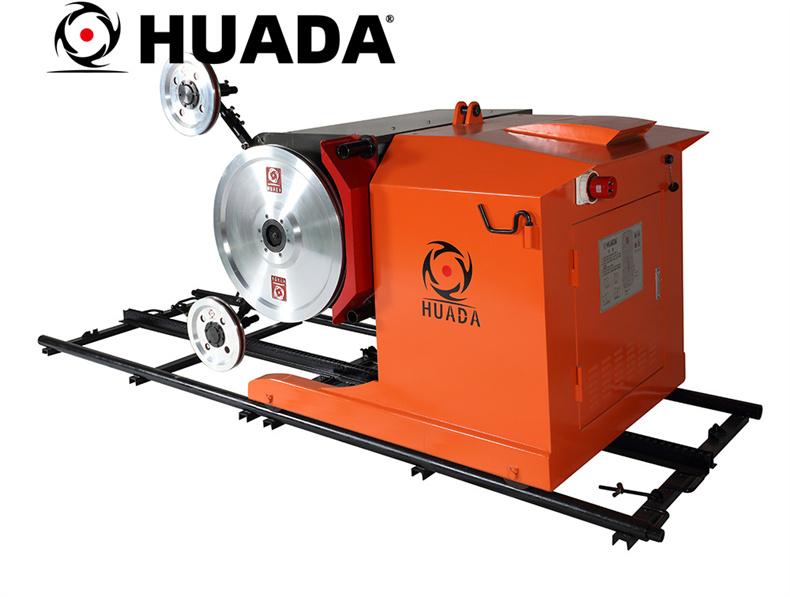
Four document questions still unanswered
- Quotation
- Which dated quote belongs to the exact legal entity and machine model?
- Certification
- Which certification record, issuing body, scope, and covered model are actually documented?
- Warranty
- Which written warranty terms belong to that quote and model?
- Service
- Which attributable service record supports the stated service boundary?
Why reputation language is not a reliability conclusion
The legacy text treats reviews, affiliations, warranty promises, support, and relationship language as reliability signals, then adds machine performance, savings, and competitiveness conclusions. The audit found no named supplier, model, dated commercial record, certification scope, warranty, or service evidence tying those claims together.
This candidate therefore records the missing document chain without naming a preferred supplier, asserting machine performance, or turning a generic signal into a selection decision.