The service life discussed in “Maintenance and Care Tips for Steel Wire Saw” is controlled by wire speed, feed rate, tension, cooling-water delivery, guide-wheel alignment and cut clearance. Trend wear and operating conditions together; replacing parts without correcting poor pulley alignment, inadequate cooling, unsuitable wire or an unstable feed setting usually repeats the failure.
Technical context for Maintenance and Care Tips for Steel Wire Saw
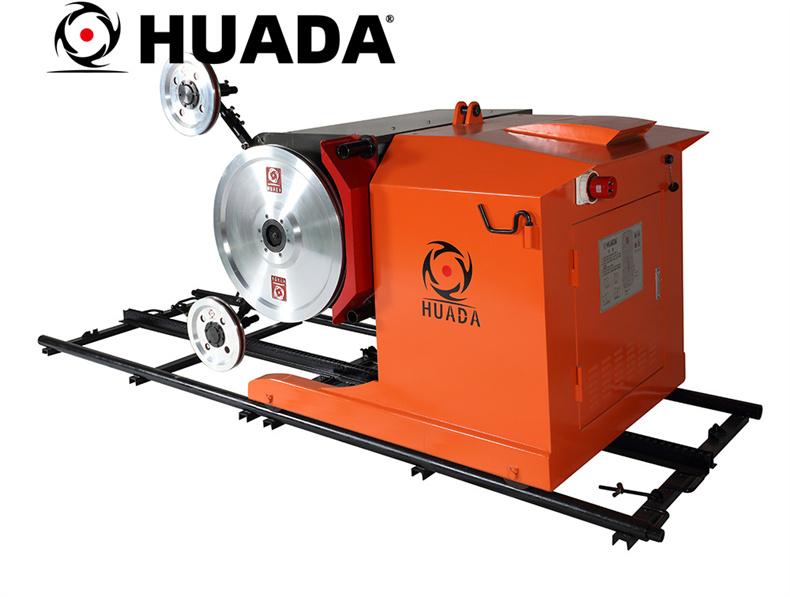
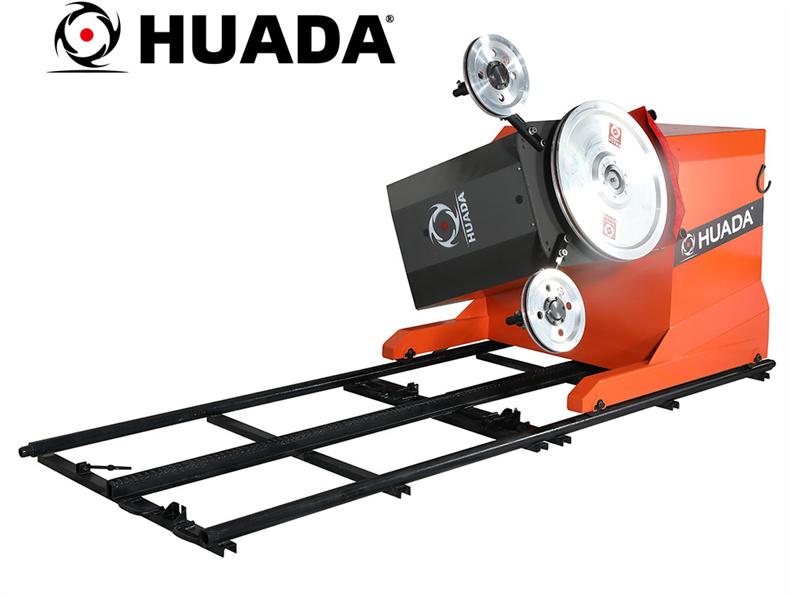
Steel wire saws are commonly used in the stone industry for cutting and shaping various types of stones. They offer precise and efficient cutting, making them an essential tool for stone fabricators and contractors. However, like any other equipment, steel wire saws require regular maintenance and care to ensure their optimal performance and longevity. In this article, we will discuss some important tips for maintaining and caring for steel wire saws.
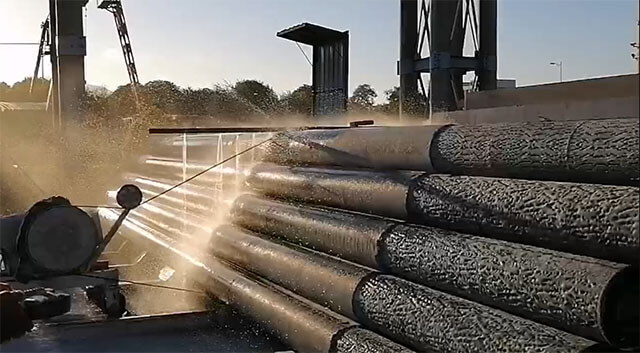
1. Regular Cleaning
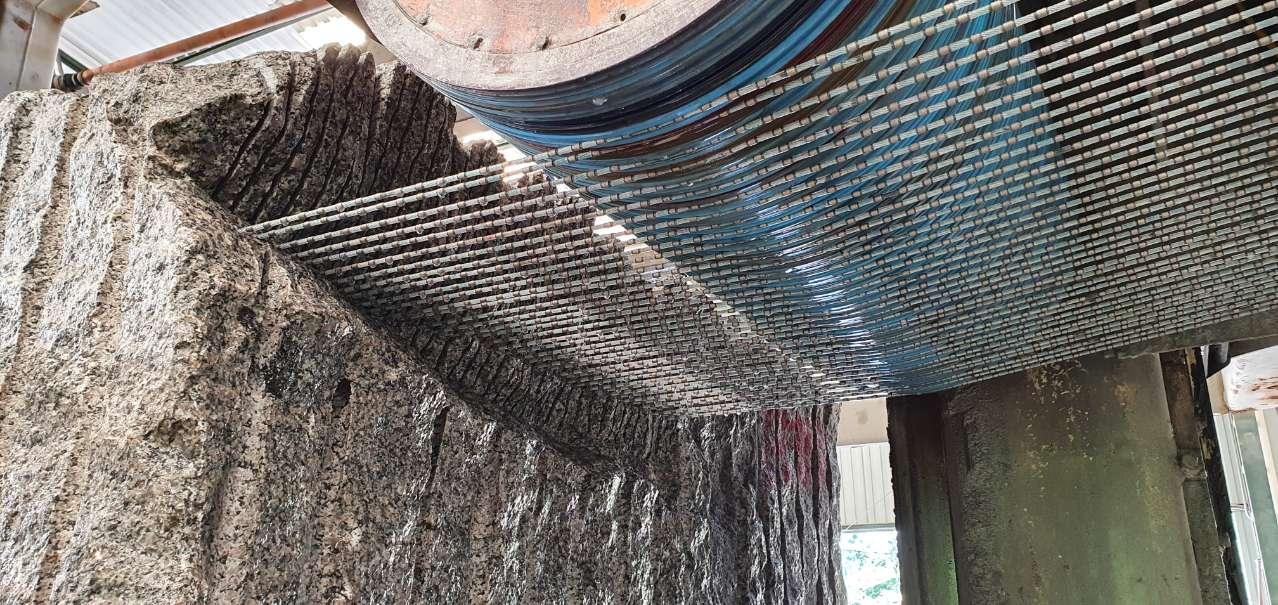
Regular cleaning is crucial for keeping your steel wire saw in good condition. After each use, make sure to remove all debris, dirt, and slurry from the saw. You can use a brush or compressed air to clean the wire, pulleys, and other components. Also, wipe down the entire saw with a damp cloth to remove any remaining residue. This will prevent the accumulation of debris, which can affect the saw's performance and cause premature wear.
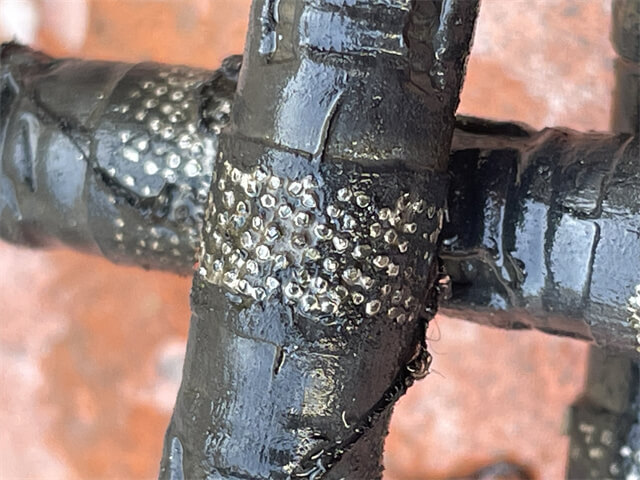
2. Lubrication
Lubrication is essential for ensuring smooth operation and reducing friction in the steel wire saw. Apply a suitable lubricant to the wire and pulleys regularly, following the manufacturer's recommendations. This will help prolong the life of the wire and prevent excessive wear. Additionally, lubricate any moving parts of the saw, such as the bearing and drive system, to ensure they operate smoothly. Regular lubrication will minimize friction and heat generation, enhancing the overall performance of the saw.
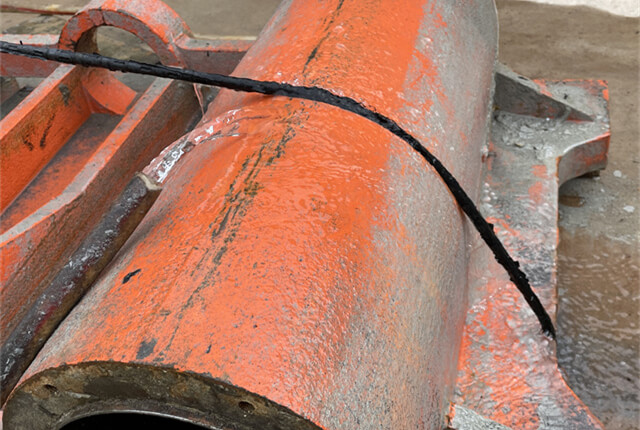
3. Tensioning and Alignment
Proper tensioning and alignment of the steel wire are crucial for achieving accurate cuts and preventing premature wear. Regularly check the tension of the wire and adjust it as needed. A loose wire can cause vibrations, reduce cutting efficiency, and increase the risk of wire breakage. Align the wire properly by checking its position relative to the pulleys and making adjustments if necessary. Incorrect alignment can lead to uneven cuts and unnecessary strain on the wire and other components.
In conclusion, maintaining and caring for a steel wire saw is essential for ensuring its optimal performance and longevity. Regular cleaning, lubrication, and proper tensioning and alignment are key aspects of maintenance. By following these tips, you can prolong the life of your steel wire saw and achieve precise and efficient cuts in the stone industry.

Control the main operating risk
The recurring risk in “Maintenance and Care Tips for Steel Wire Saw” is poor pulley alignment, inadequate cooling, unsuitable wire or an unstable feed setting. Set a stop condition, assign who checks the machine and tool, and keep changes traceable. If the result moves outside the agreed window, investigate the material, alignment, tooling and utilities before adding load or speed.
Define the application before comparing equipment
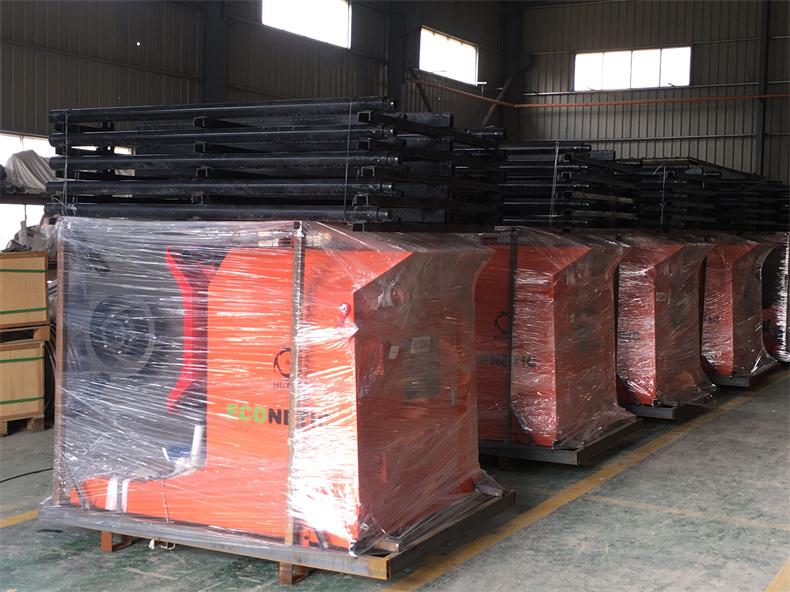
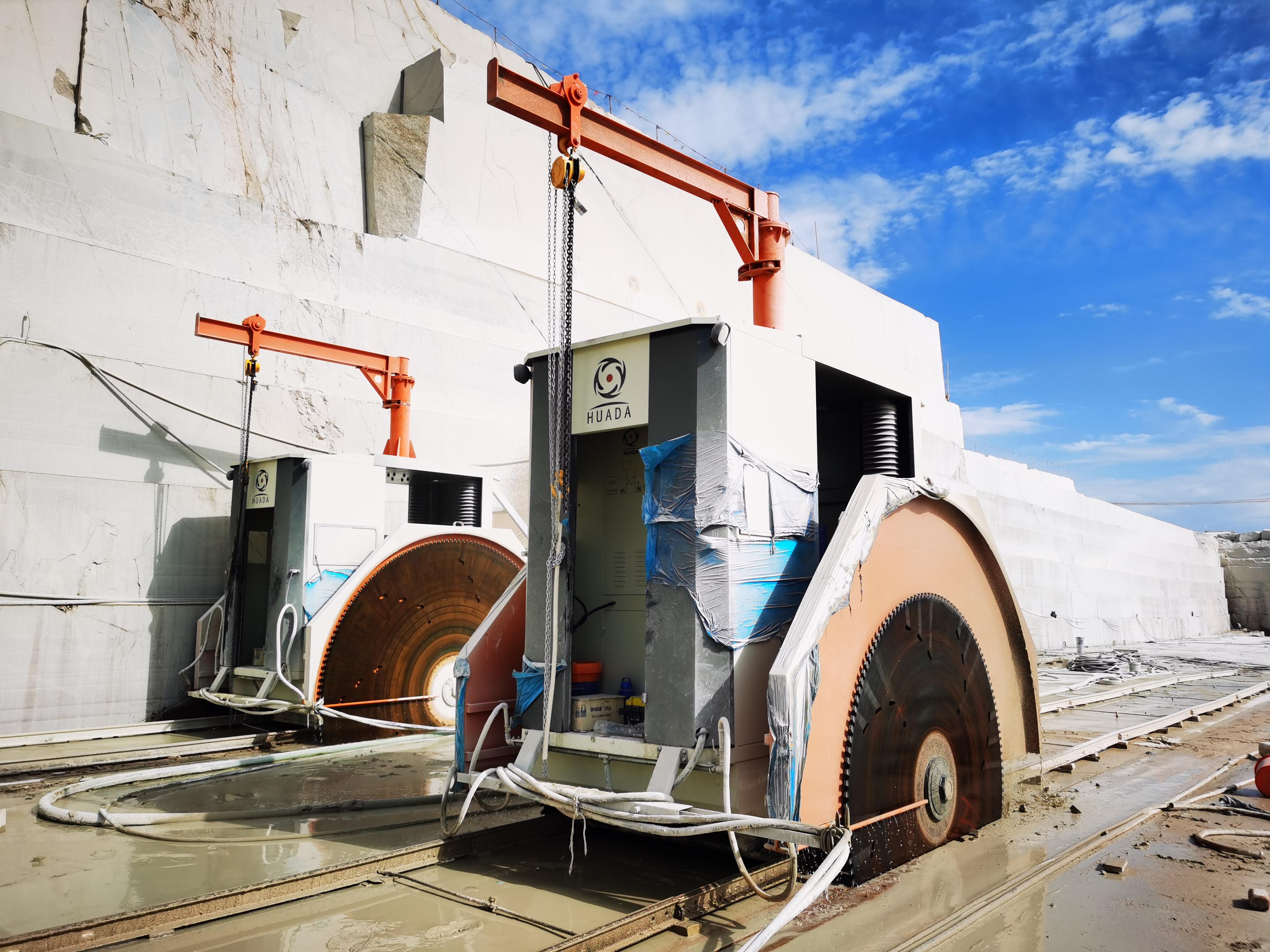
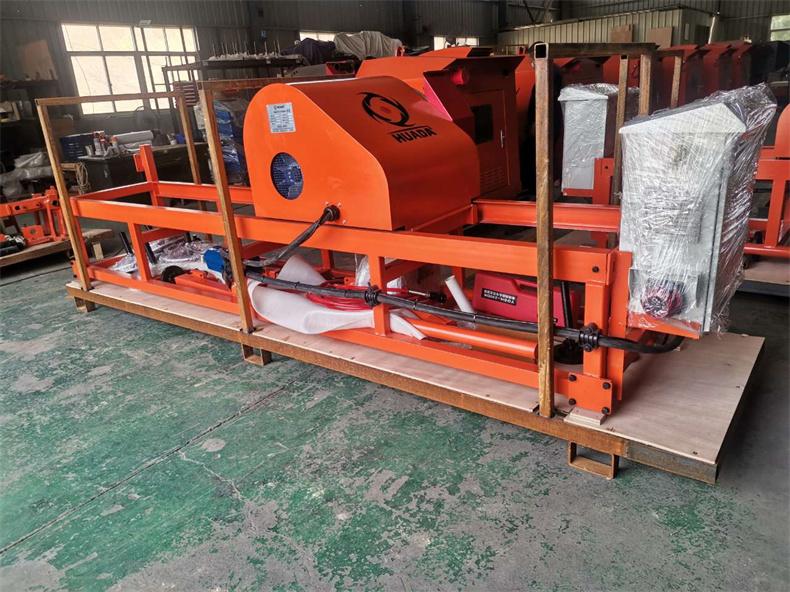
For “Maintenance and Care Tips for Steel Wire Saw,” write down the material, cut size, access, pulley layout, drive power, wire specification and required finish. This separates a real project requirement from a search phrase and gives every supplier the same boundary. The proposed wire saw machine can then be checked against the material, site and required result instead of being accepted by name alone.
Use evidence that can be retained
A practical review of “Maintenance and Care Tips for Steel Wire Saw” should retain a representative cut record, wire-consumption notes, surface condition and a configuration drawing. Photographs and brochures help identify the offered configuration, but they do not replace a test condition, measured result or signed scope. Record settings for wire speed, feed rate, tension, cooling-water delivery, guide-wheel alignment and cut clearance so the accepted result can be repeated.
Decision and acceptance table
| Decision point | What to define | Evidence to keep |
|---|---|---|
| Application | the material, cut size, access, pulley layout, drive power, wire specification and required finish | Written job or product brief |
| Operating window | wire speed, feed rate, tension, cooling-water delivery, guide-wheel alignment and cut clearance | Recorded trial settings and observations |
| Acceptance | a representative cut record, wire-consumption notes, surface condition and a configuration drawing | Signed sample, cut record or inspection note |
| Risk control | poor pulley alignment, inadequate cooling, unsuitable wire or an unstable feed setting | Named corrective action and stop condition |
Buyer and operator checklist
- Material and cut or hole dimensions for Maintenance and Care Tips for Steel Wire Saw
- Offered wire saw machine configuration and included tooling
- Power, water, compressed air, access and lifting requirements
- Settings and checks covering wire speed, feed rate, tension, cooling-water delivery, guide-wheel alignment and cut clearance
- Factory or site acceptance method and responsible people
- Training, critical spares, manuals and service response boundary
Frequently asked questions
What should be confirmed first for Maintenance and Care Tips for Steel Wire Saw?
For Maintenance and Care Tips for Steel Wire Saw, start with the material, cut size, access, pulley layout, drive power, wire specification and required finish. Those inputs determine whether the proposed wire saw machine and tool are relevant.
How should performance for Maintenance and Care Tips for Steel Wire Saw be verified?
For Maintenance and Care Tips for Steel Wire Saw, use a representative cut record, wire-consumption notes, surface condition and a configuration drawing. Keep the material, operating conditions and acceptance criteria with the result.
Which settings matter during Maintenance and Care Tips for Steel Wire Saw?
For Maintenance and Care Tips for Steel Wire Saw, record wire speed, feed rate, tension, cooling-water delivery, guide-wheel alignment and cut clearance. A result without its settings is difficult to reproduce or compare.
When should work on Maintenance and Care Tips for Steel Wire Saw be paused?
For Maintenance and Care Tips for Steel Wire Saw, pause when the workpiece, support, guarding, utilities or cutting condition is unsafe, or when poor pulley alignment, inadequate cooling, unsuitable wire or an unstable feed setting is observed.