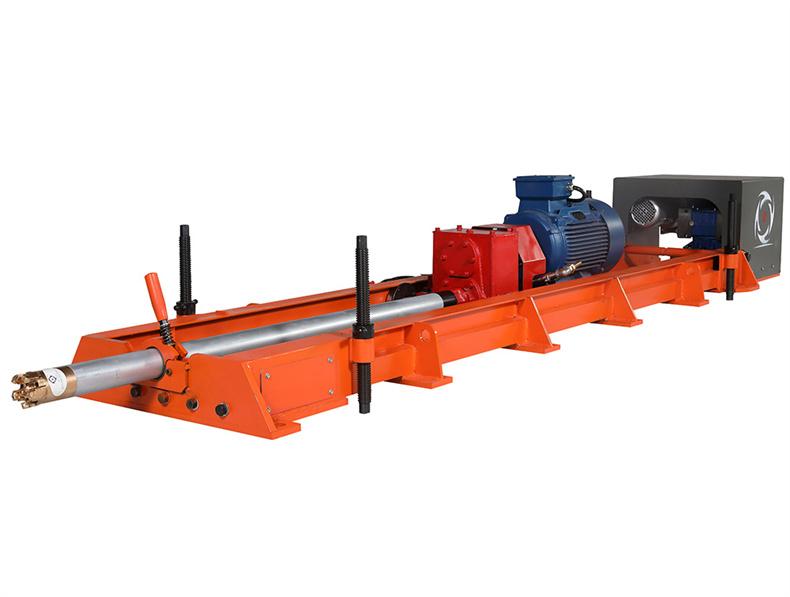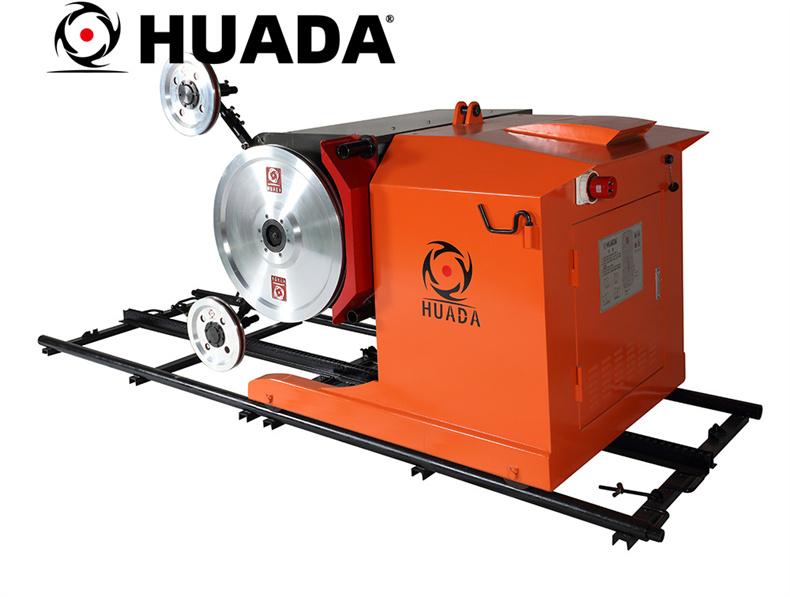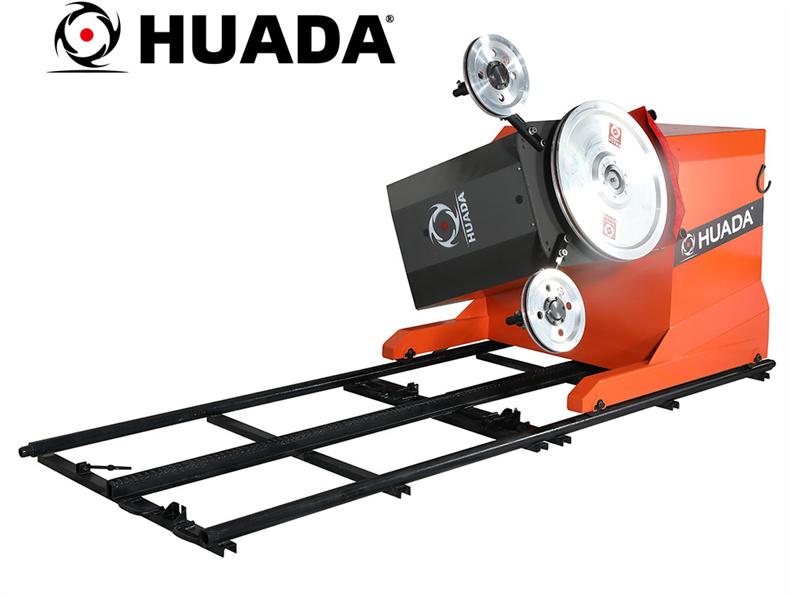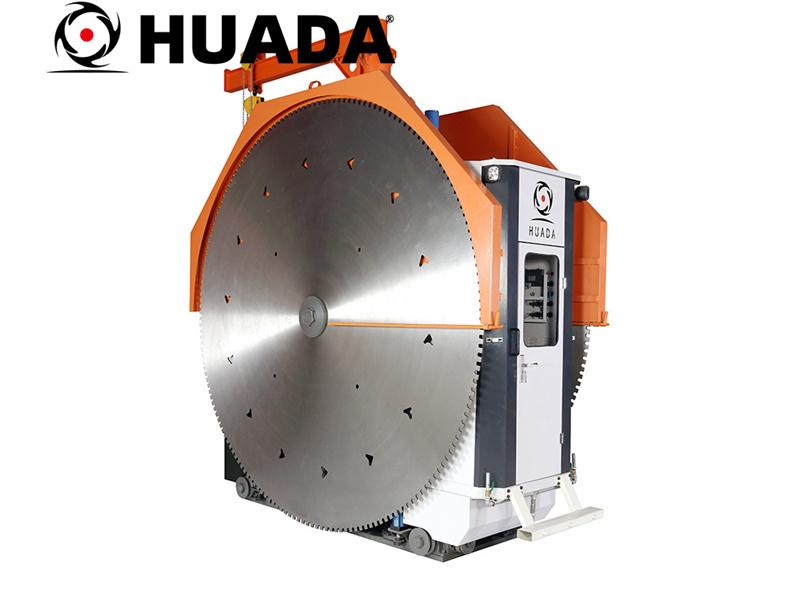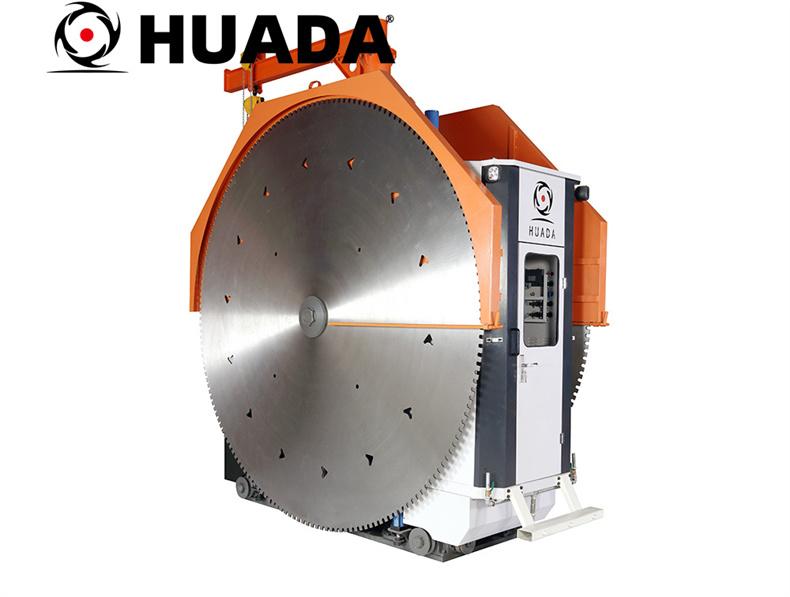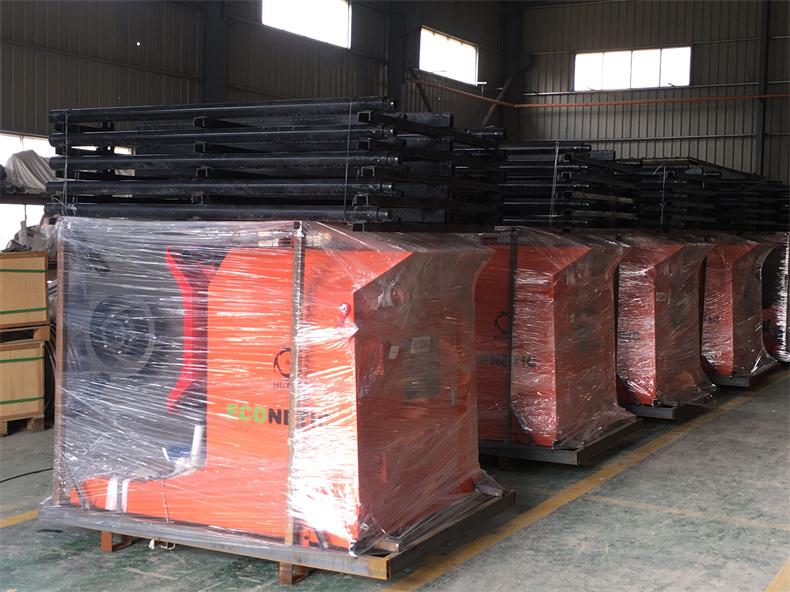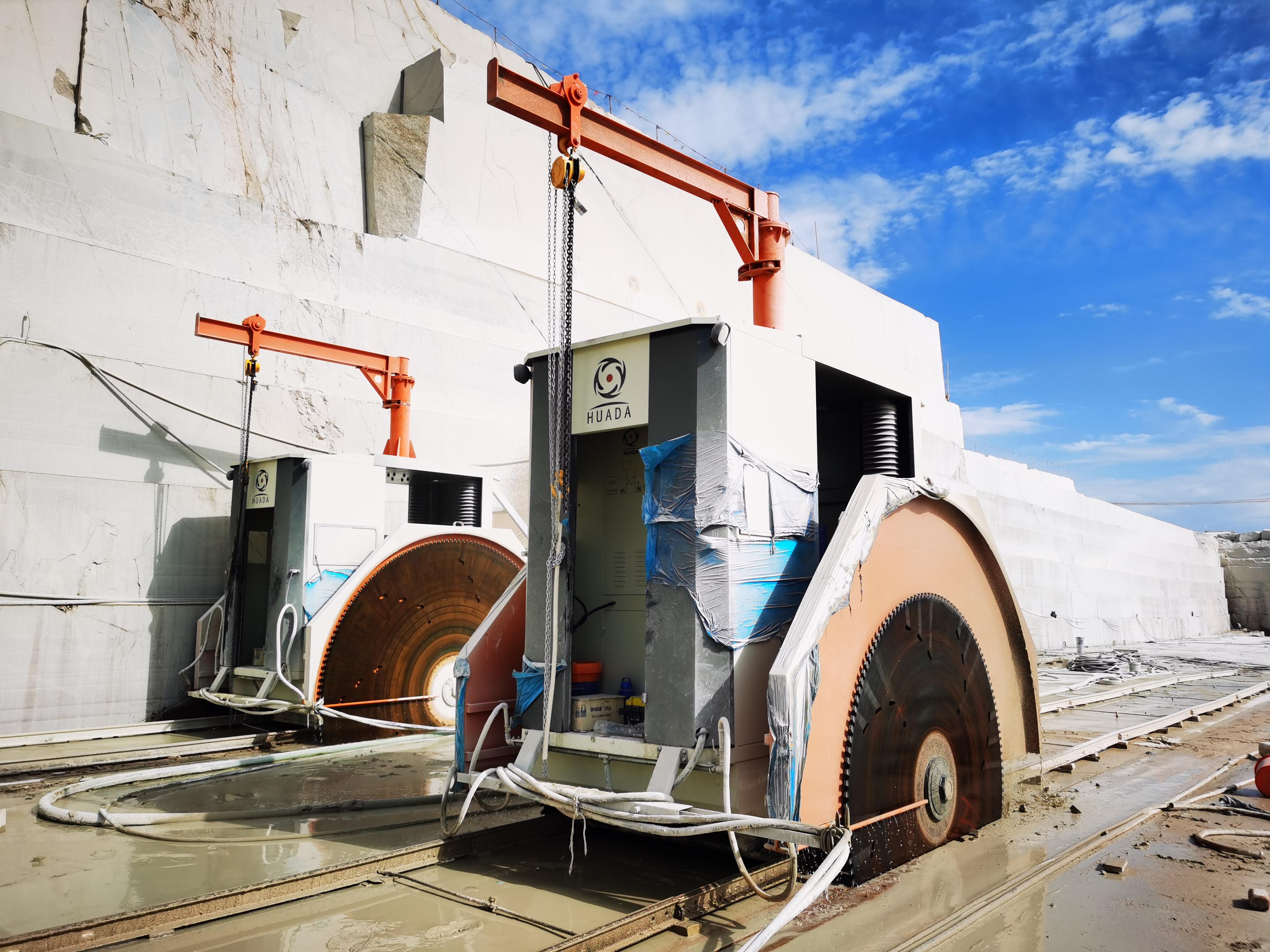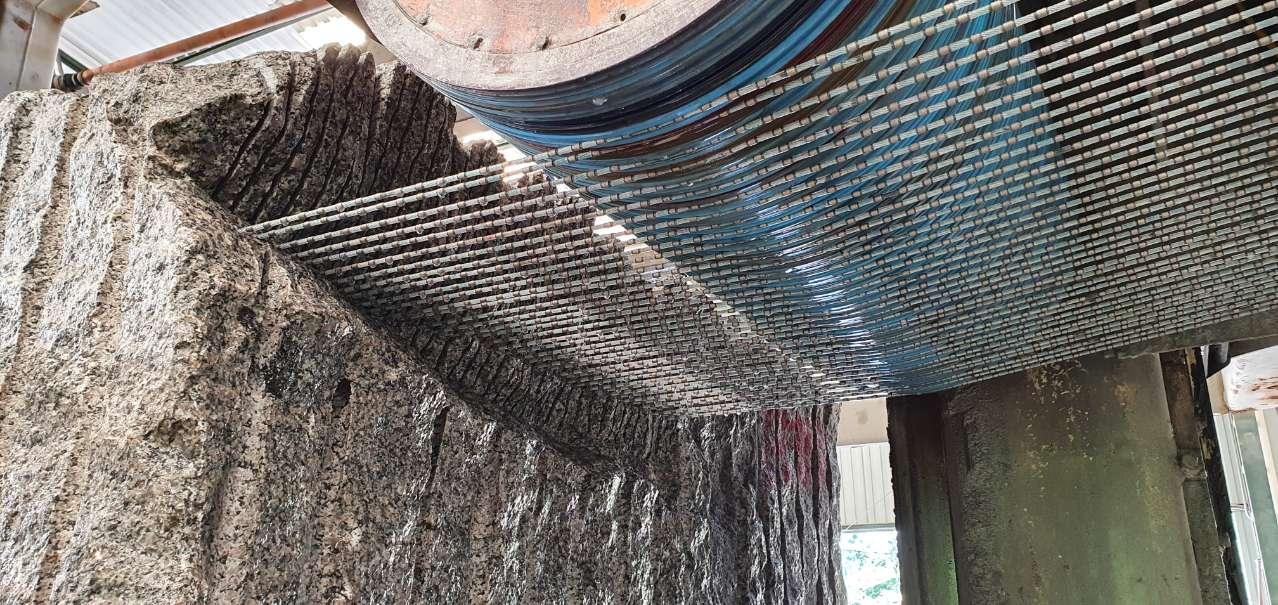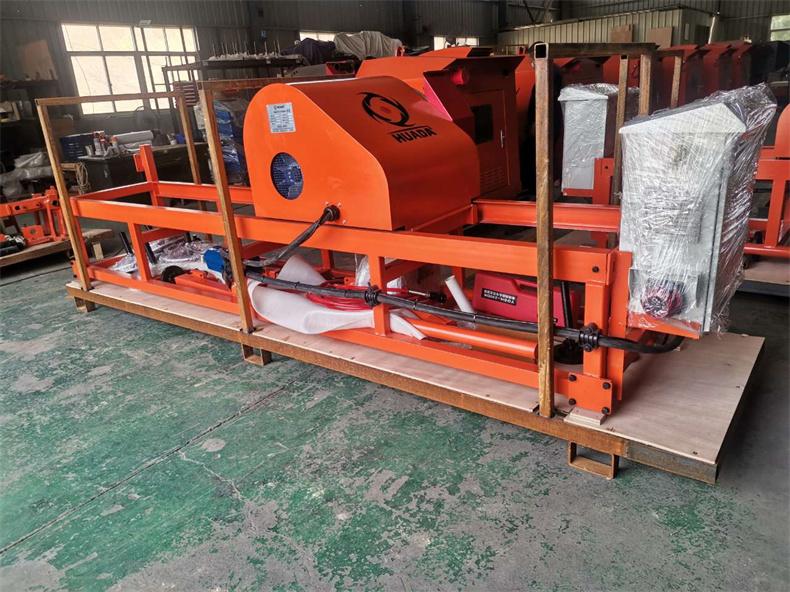

The archived horizontal core boring machine is best understood by the roles it can occupy around diamond wire-saw work: preparing rope holes, supporting horizontal core detection and working in limited-access positions.
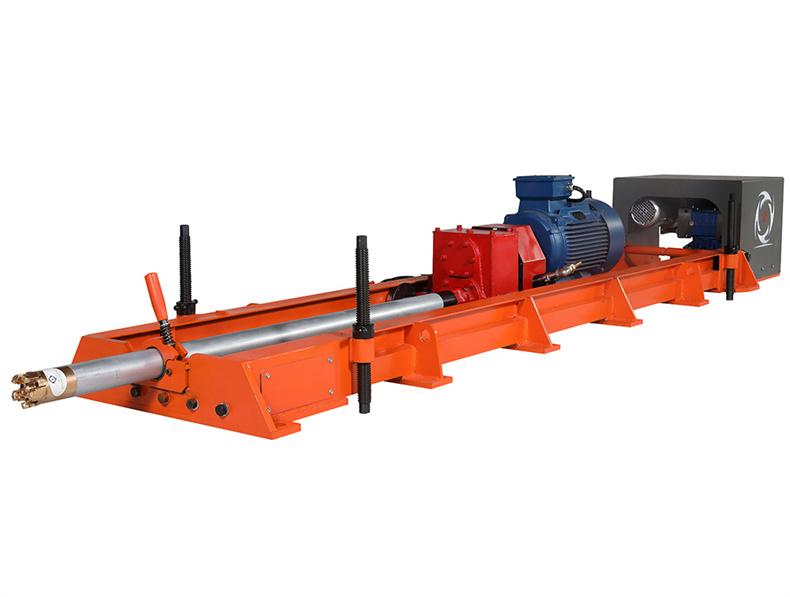
Companion equipment for a wire-saw plan
The source presents the horizontal core boring machine as companion equipment for a diamond wire saw in stone mining. Its purpose on this page is therefore not a complete drilling procedure, but a map of where boring supports the wider wire-saw task.
Identify the required role before discussing the machine. The archive does not provide a model, drilling record or measured comparison that would support a general performance claim.
Preparing intersecting rope holes
Horizontal rope-hole drilling is one of the stated applications. The source also names intersecting-hole preparation so that a beaded wire can be arranged for the intended stone-mining work.
This describes the relationship between boring and the wire path. It does not supply hole geometry, drilling settings or a step-by-step routing method, so those details must not be inferred from the application label.
Horizontal core detection is a separate role
The archived article also lists horizontal core detection. That role should remain distinct from rope-hole preparation because the stated purpose is different even though both involve horizontal boring.
The page gives no verified automatic sampling capability or result. Treat core detection as an archived application category and seek model-specific evidence before assigning a method or acceptance criterion.
Stone examples and limited-access positioning
Marble and granite are the stone examples named in the source. It also presents limited-access corners as a context in which the horizontal machine can be positioned.
These statements define the archived application setting; they do not prove that every corner, stone body or machine arrangement is suitable. Confirm the actual position and machine identity before turning the role map into a project decision.
What the converter-control statement actually supports
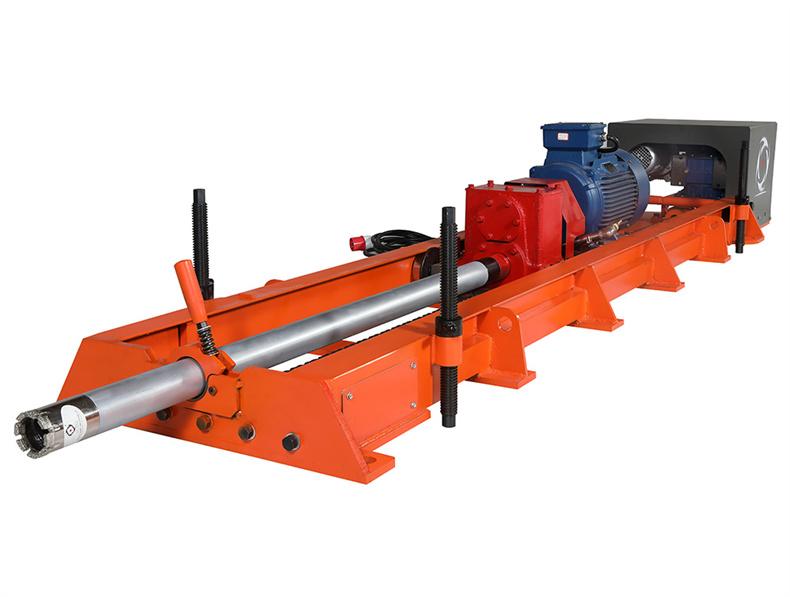
The historical page says a dual-frequency-converter control adjusts advance speed in response to stone hardness. That is the source-backed relationship: hardness informs the control of advance speed.
It is not evidence that the control guarantees straightness, drilling accuracy, longer service life or superior efficiency. Those outcomes lack a comparator, conditions and measurements in the archive.