The service life discussed in “Maintenance method of ultra thin diamond saw blade” is controlled by blade speed, feed, cooling, flange condition, alignment, segment wear and dressing. Trend wear and operating conditions together; replacing parts without correcting choosing by diameter alone and overlooking arbor, bond, machine speed and cutting conditions usually repeats the failure.
Technical context for Maintenance method of ultra thin diamond saw blade
Diamond saw blade is a kind of material widely used in diamond tools, which belongs to consumables. In normal use, the maintenance of diamond saw blade can extend its service life. Today, we will introduce the maintenance method of ultra-thin diamond saw blade.
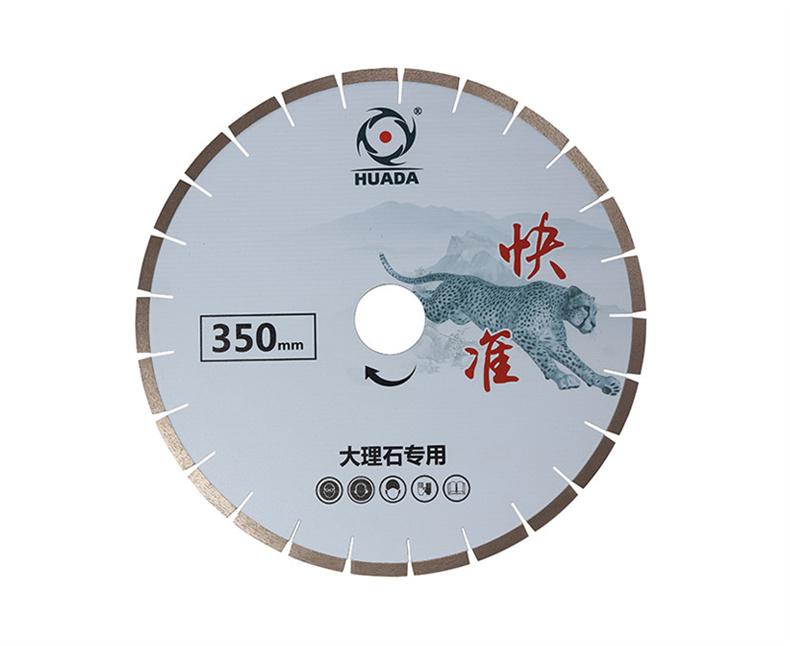
Prevent paint from falling off
After buying a diamond saw blade, if it is not used at that time, consumers should not touch the cutter head on the diamond saw blade by hand, because manufacturers usually spray a layer of antirust paint on the cutter head. If they touch it by hand, it is easy to peel off the antirust paint, which will expose the cutter head of the diamond saw blade to the air and cause oxidation, which will lead to rust, It affects the appearance of diamond saw blade.
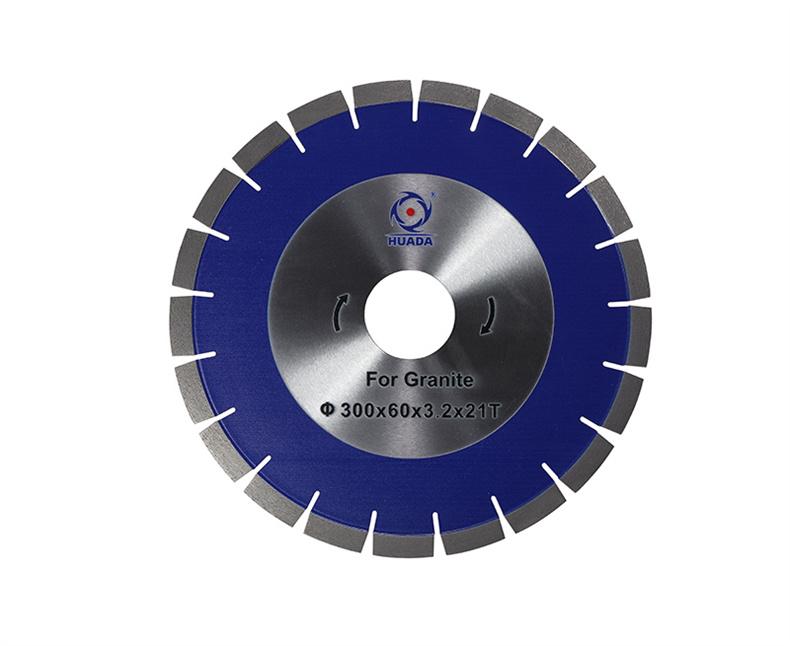
Handle with care
When we buy a diamond saw blade, we must pay attention to handle it with care, because the heavy fall will inevitably lead to the deformation of the saw blade, so that the cutting head of the diamond saw blade is not all on the same horizontal plane. In this way, when we are cutting stone, the diamond saw blade is bent, which not only affects the quality of the saw blade, but also cannot cut the stone well.
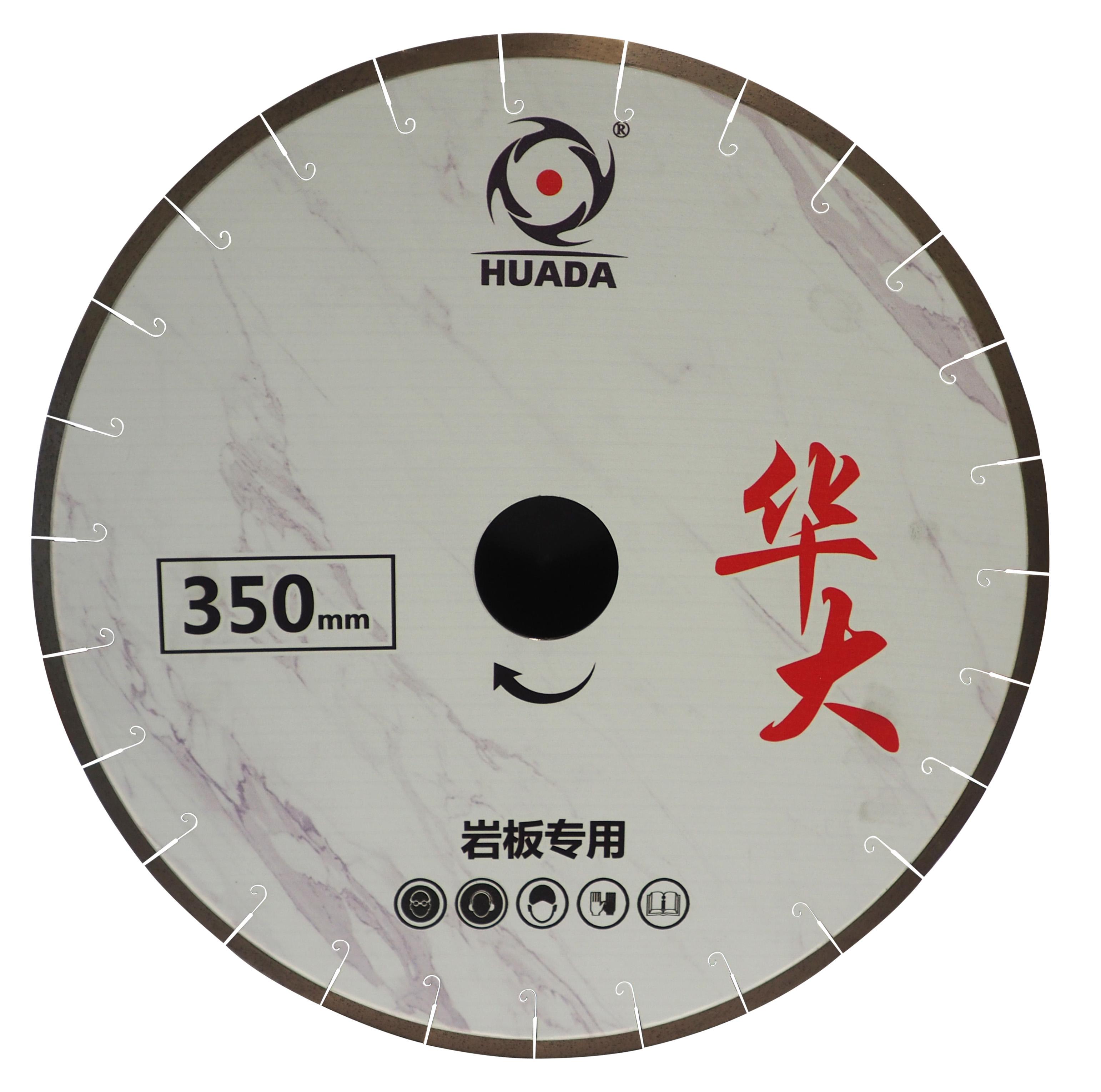
Protect the matrix
When using the diamond saw blade, it is necessary to protect the substrate, place it gently, and do not drop it, because the substrate of the diamond saw blade can be reused. If the matrix is deformed and the cutter head cannot be welded, maintaining the matrix is equivalent to buying a cheap new saw blade.
The above is about the maintenance method of ultra-thin diamond saw blade.

Define the application before comparing equipment
For “Maintenance method of ultra thin diamond saw blade,” write down material, machine, blade diameter, arbor, segment bond, cutting mode, depth and required edge quality. This separates a real project requirement from a search phrase and gives every supplier the same boundary. The proposed diamond saw blade can then be checked against the material, site and required result instead of being accepted by name alone.
Use evidence that can be retained
A practical review of “Maintenance method of ultra thin diamond saw blade” should retain machine compatibility, blade specification, representative cut quality and measured service life. Photographs and brochures help identify the offered configuration, but they do not replace a test condition, measured result or signed scope. Record settings for blade speed, feed, cooling, flange condition, alignment, segment wear and dressing so the accepted result can be repeated.
Control the main operating risk
The recurring risk in “Maintenance method of ultra thin diamond saw blade” is choosing by diameter alone and overlooking arbor, bond, machine speed and cutting conditions. Set a stop condition, assign who checks the machine and tool, and keep changes traceable. If the result moves outside the agreed window, investigate the material, alignment, tooling and utilities before adding load or speed.
Decision and acceptance table
| Decision point | What to define | Evidence to keep |
|---|---|---|
| Application | material, machine, blade diameter, arbor, segment bond, cutting mode, depth and required edge quality | Written job or product brief |
| Operating window | blade speed, feed, cooling, flange condition, alignment, segment wear and dressing | Recorded trial settings and observations |
| Acceptance | machine compatibility, blade specification, representative cut quality and measured service life | Signed sample, cut record or inspection note |
| Risk control | choosing by diameter alone and overlooking arbor, bond, machine speed and cutting conditions | Named corrective action and stop condition |
Buyer and operator checklist
- Material and cut or hole dimensions for Maintenance method of ultra thin diamond saw blade
- Offered diamond saw blade configuration and included tooling
- Power, water, compressed air, access and lifting requirements
- Settings and checks covering blade speed, feed, cooling, flange condition, alignment, segment wear and dressing
- Factory or site acceptance method and responsible people
- Training, critical spares, manuals and service response boundary
Frequently asked questions
What should be confirmed first for Maintenance method of ultra thin diamond saw blade?
For Maintenance method of ultra thin diamond saw blade, start with material, machine, blade diameter, arbor, segment bond, cutting mode, depth and required edge quality. Those inputs determine whether the proposed diamond saw blade and tool are relevant.
How should performance for Maintenance method of ultra thin diamond saw blade be verified?
For Maintenance method of ultra thin diamond saw blade, use machine compatibility, blade specification, representative cut quality and measured service life. Keep the material, operating conditions and acceptance criteria with the result.
Which settings matter during Maintenance method of ultra thin diamond saw blade?
For Maintenance method of ultra thin diamond saw blade, record blade speed, feed, cooling, flange condition, alignment, segment wear and dressing. A result without its settings is difficult to reproduce or compare.
When should work on Maintenance method of ultra thin diamond saw blade be paused?
For Maintenance method of ultra thin diamond saw blade, pause when the workpiece, support, guarding, utilities or cutting condition is unsafe, or when choosing by diameter alone and overlooking arbor, bond, machine speed and cutting conditions is observed.