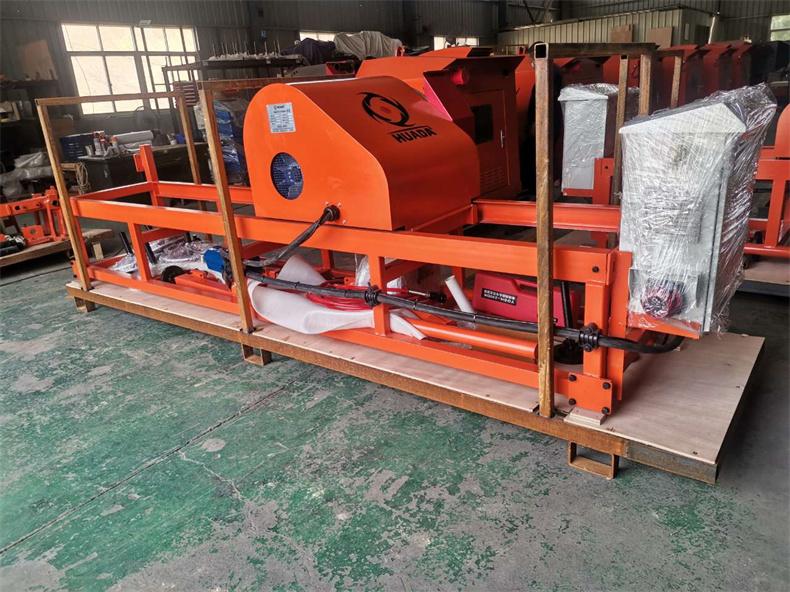

This archived note connects three variables in a diamond wire saw system: main-motor load, machine travel, and wire tension. It explains the direction of the relationship only. It supplies no setpoint, limit, sensor logic, adjustment amount, or current-model operating instruction.
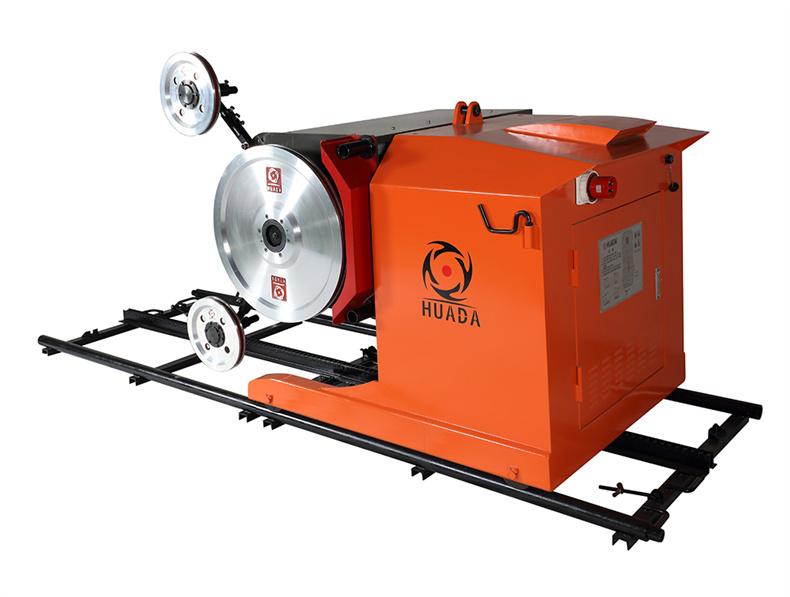
System topics named in the archive
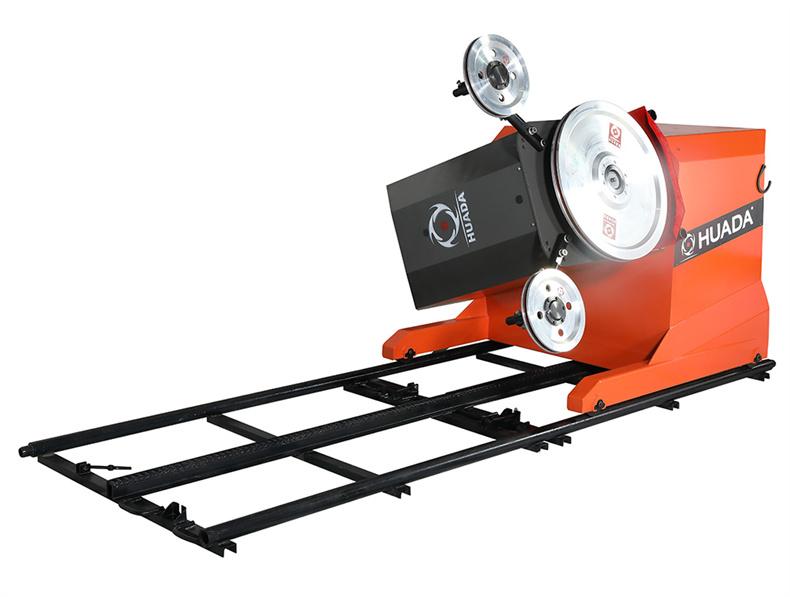
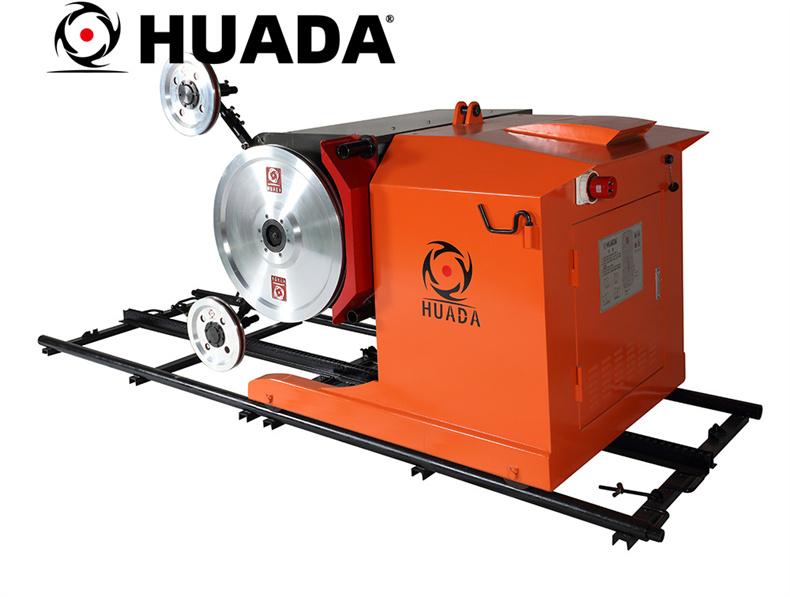
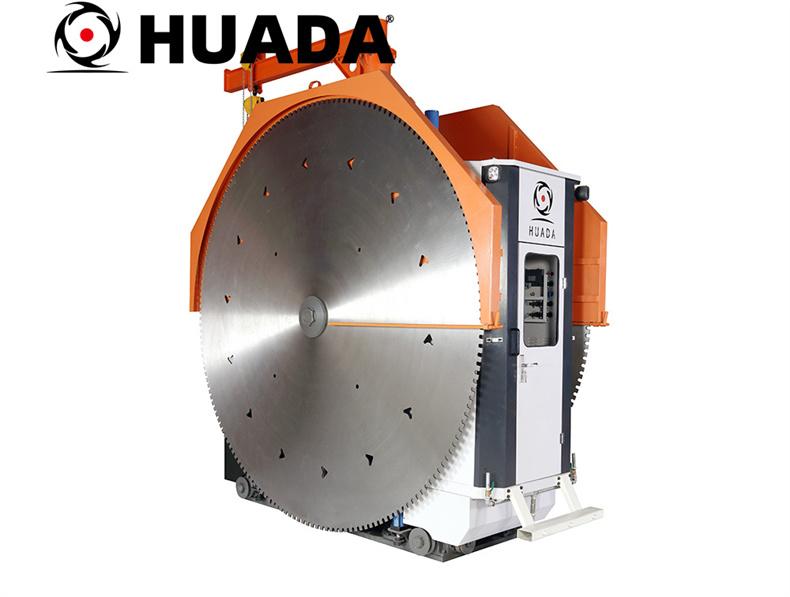
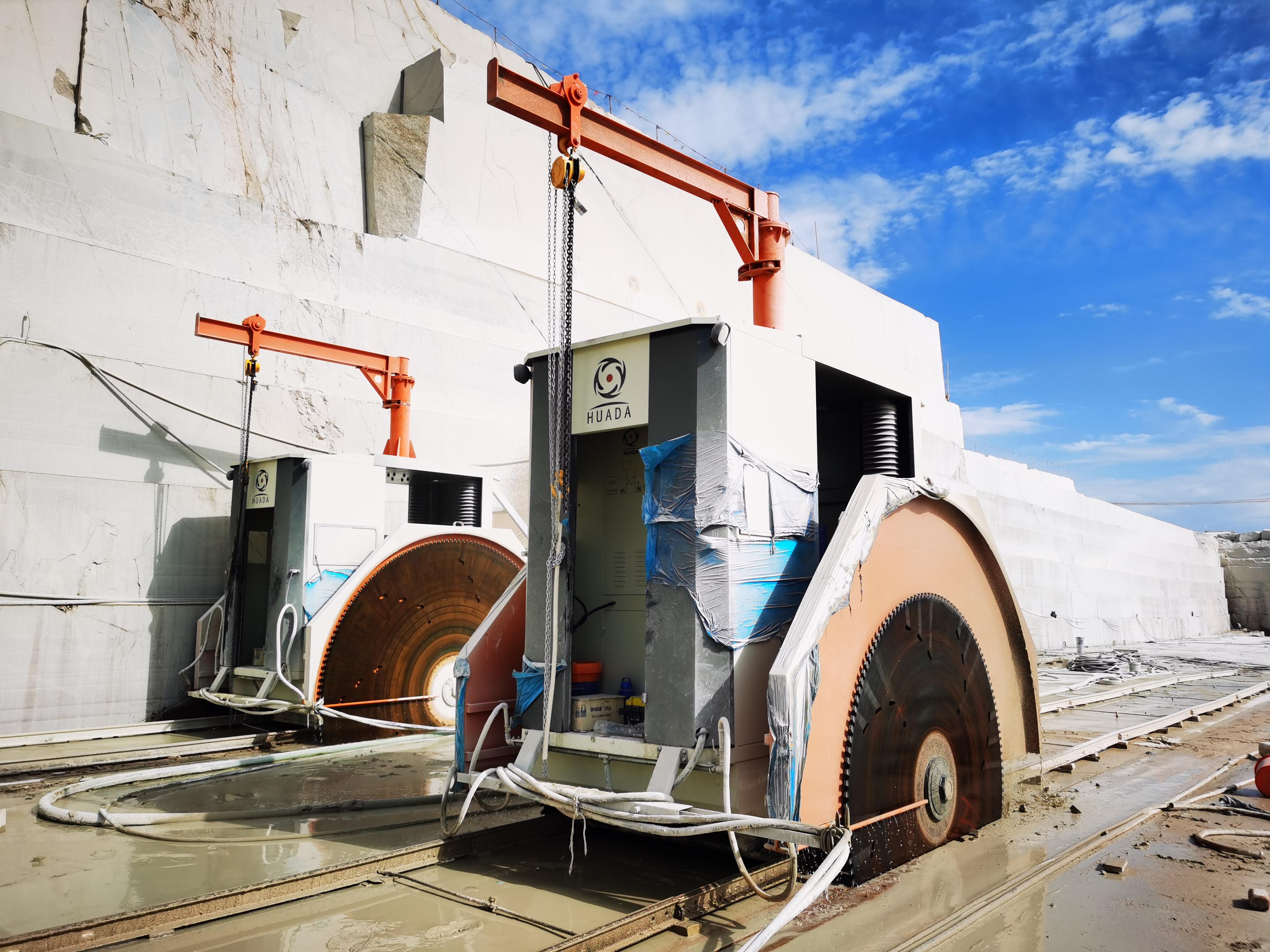
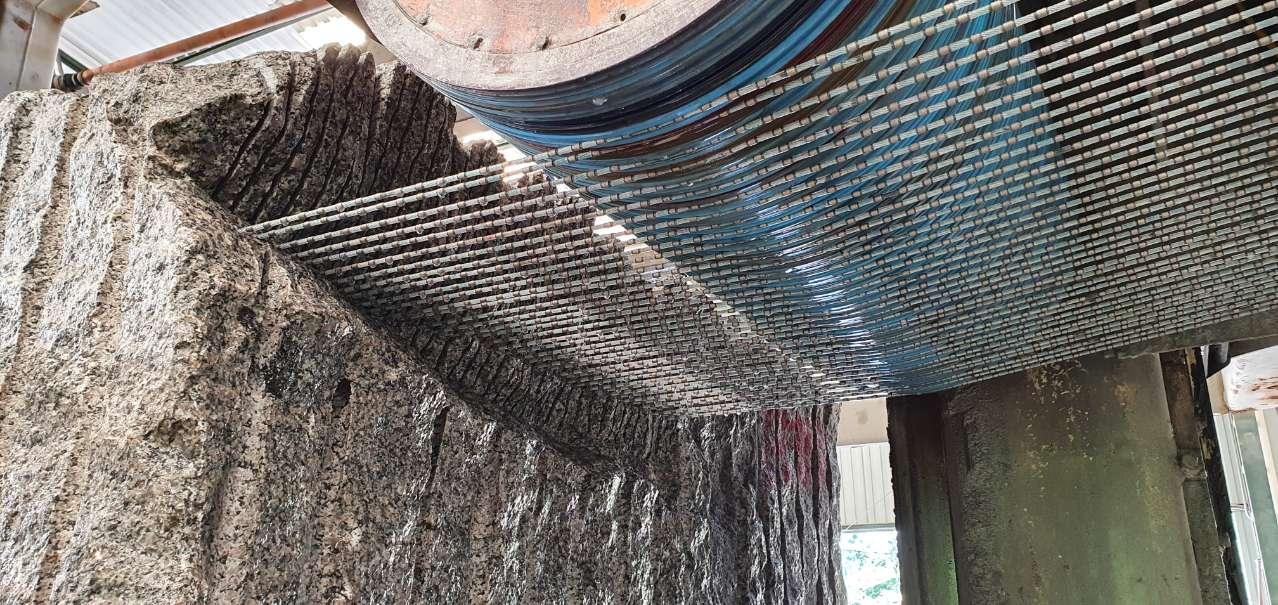
The legacy source names a main motor, a mobile motor, a flywheel, a guide wheel, the wire, a mobile platform, and an operating platform. These labels are useful for reading the archived relationship, but they are not a verified bill of materials for every current machine.
The arrows show interaction, not a command sequence. The source does not define how any present machine measures, displays, or controls these variables.
The directional relationship recorded by the source
When travel is described as too fast
The archive says main-motor load and wire tension rise. This is a qualitative failure direction. It does not identify a threshold, a permitted range, the reason for the change, or the response required on a particular machine.
When travel is described as too slow
The archive says wire tension can fall and slipping can occur. Again, no value or diagnostic rule is bound, so the statement cannot be converted into a universal adjustment instruction.
When quarry cross-section varies
The source says travel requires adjustment as the cross-section changes. The magnitude, timing, control mode, and acceptable response belong to current model documentation and site-specific engineering.
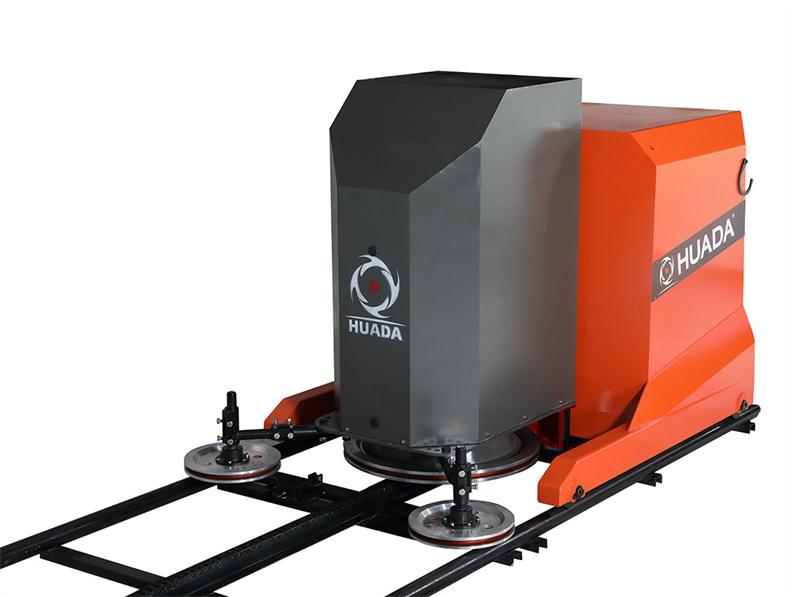
How to read the relationship without turning it into a procedure
The archived statements can help explain why travel, load, and tension should not be treated as independent ideas. They cannot tell an operator what value to enter or when to change it. A current manual must establish the applicable controls, indications, limits, interlocks, and authorized response for the actual model.
The note also cannot establish that one observed symptom has only one cause. It records a directional association, not a complete diagnostic tree. No claim about productivity, efficiency, service life, or damage prevention is carried into this candidate.
What must come from current model evidence
Travel direction is related qualitatively to main-motor load and wire tension, and changing cross-section is relevant to that relationship.
The machine-specific manual and engineering record must define components, sensing, control mode, limits, permitted actions, and the people authorized to act.