
Bench preparation for a double blade quarrying machine is an engineering and supply-scope exercise. Huada's frozen HD1360 product page records mechanical features, quarry-environment considerations and a model-label discrepancy that must be resolved in the quotation. This checklist focuses on drawings, responsibilities and acceptance documents; it does not instruct anyone to install, energize, lift or travel the machine.
Fix the equipment identity before designing the site package
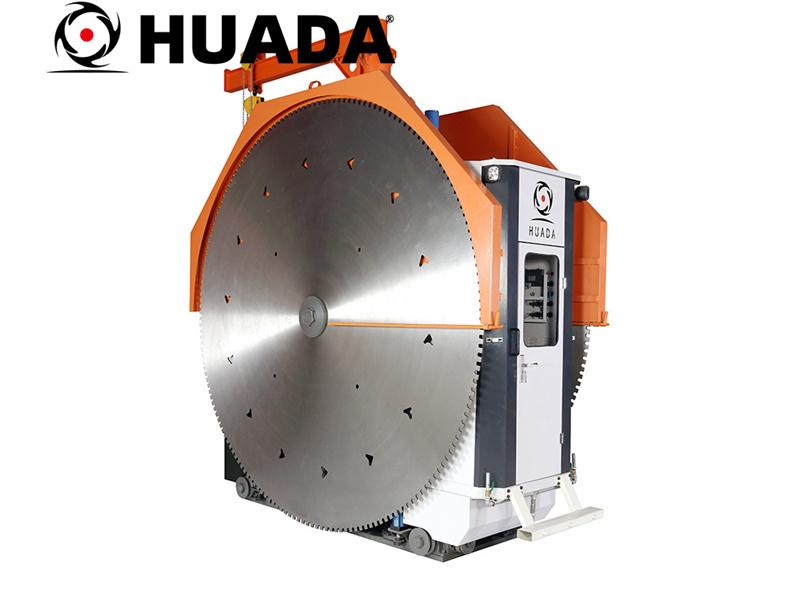
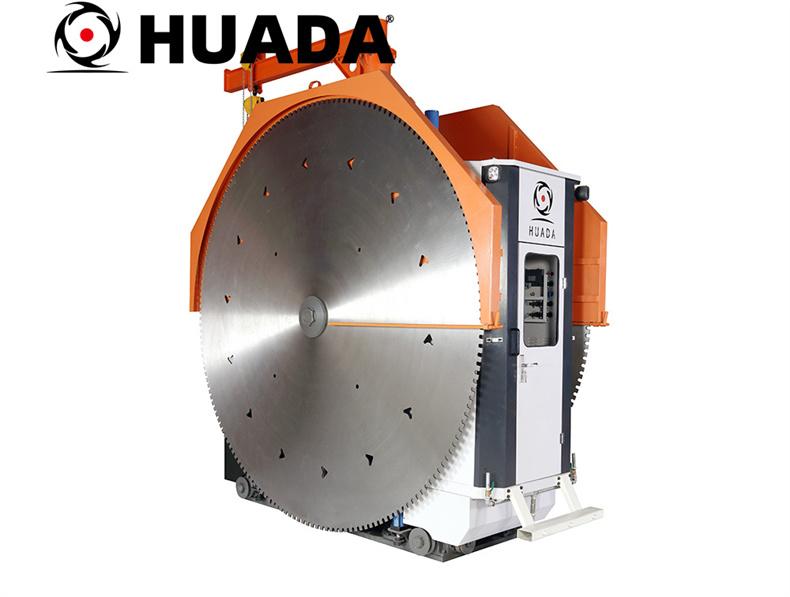
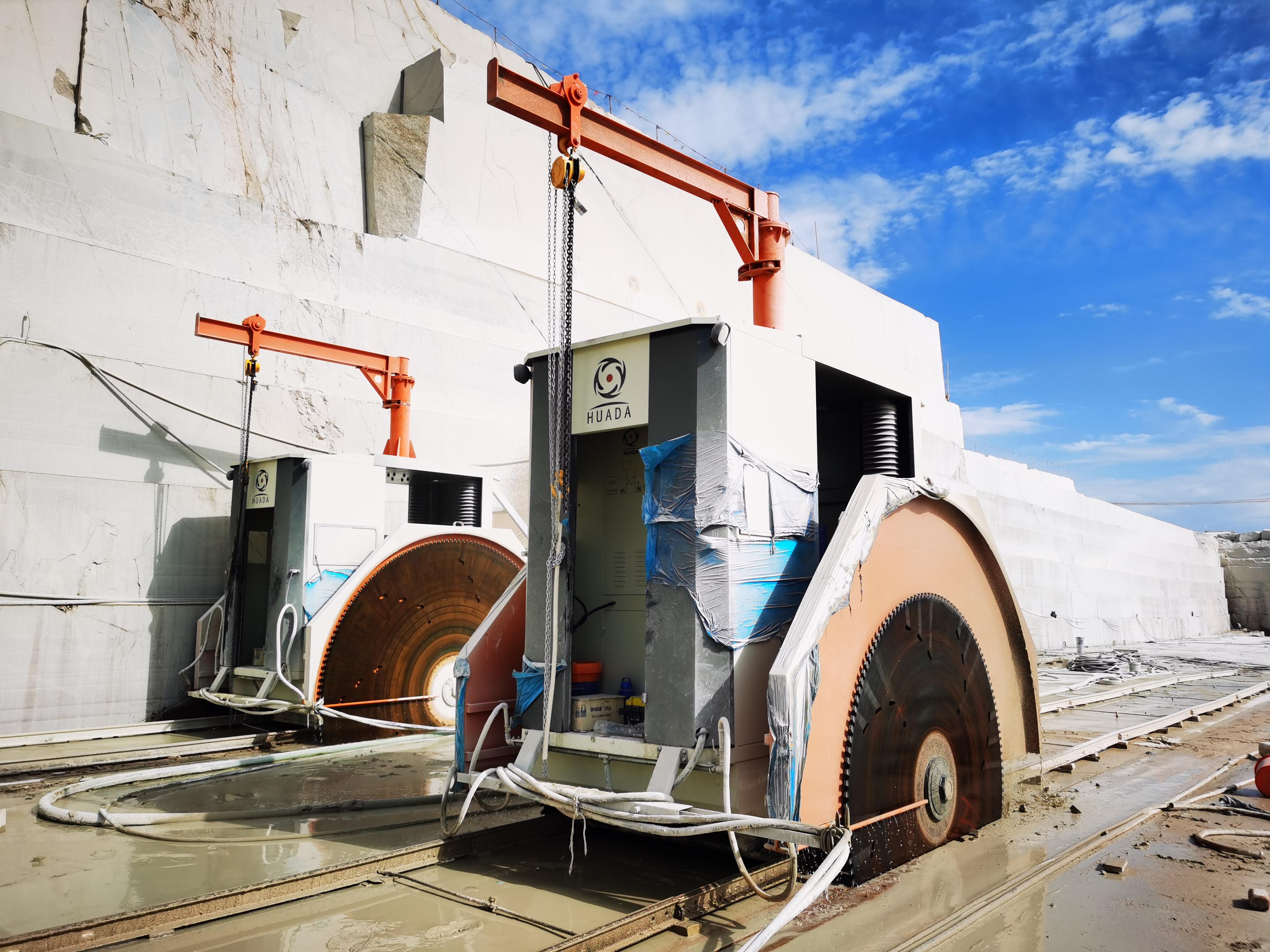
The official title names an HD1360 double-blade granite stone mining machine, the narrative refers to the mechanically focused HD Series, and the saved parameter table uses a DBM/GV model code. The source-grounded product page keeps that difference visible. A buyer should require the quotation, general-arrangement drawing and manual to use one reconciled model identity.
That clarification affects every downstream document. Track information, blade range, services, dimensions and handling data must belong to the machine actually offered. Copying a table row while leaving the suffix unresolved creates an avoidable risk that civil or utility work is based on the wrong configuration.
Mechanical facts retained from the product source
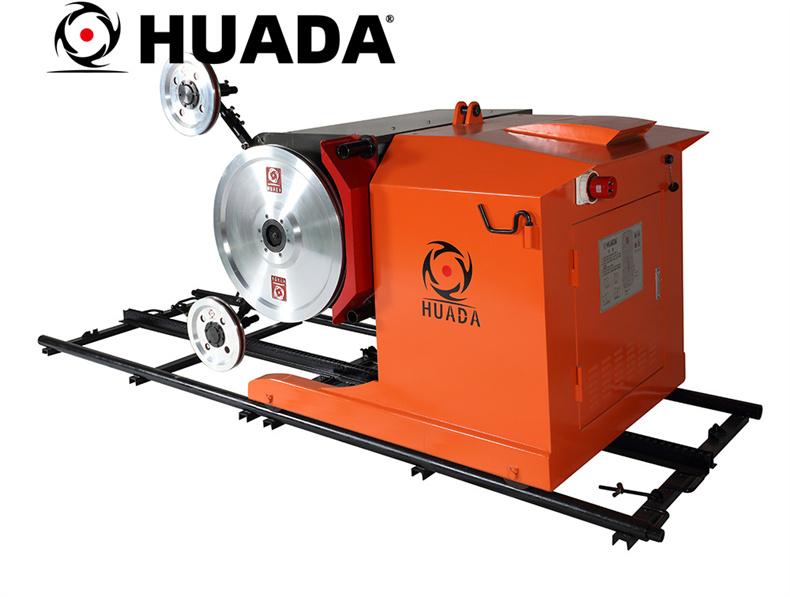
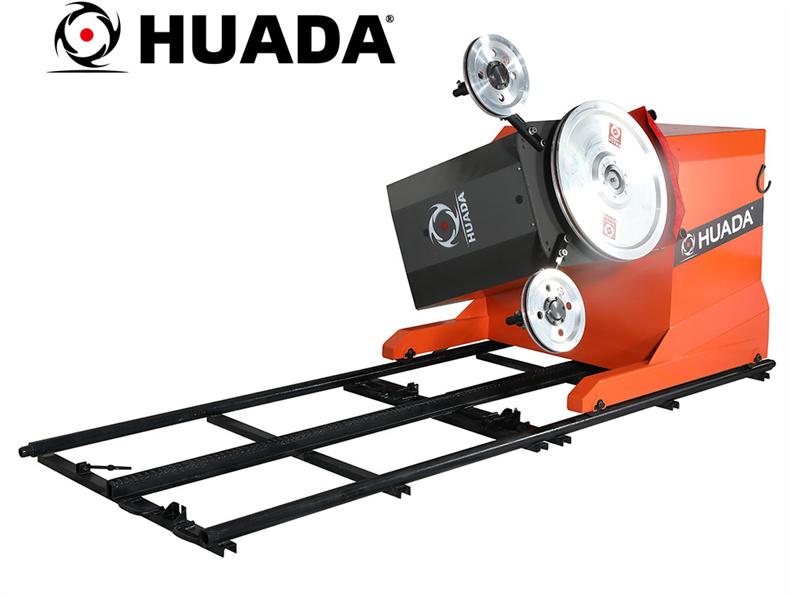
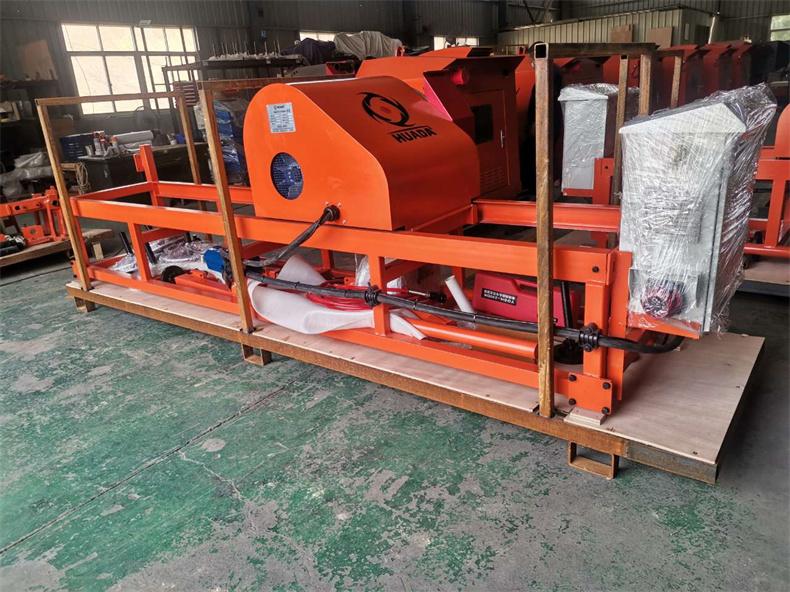
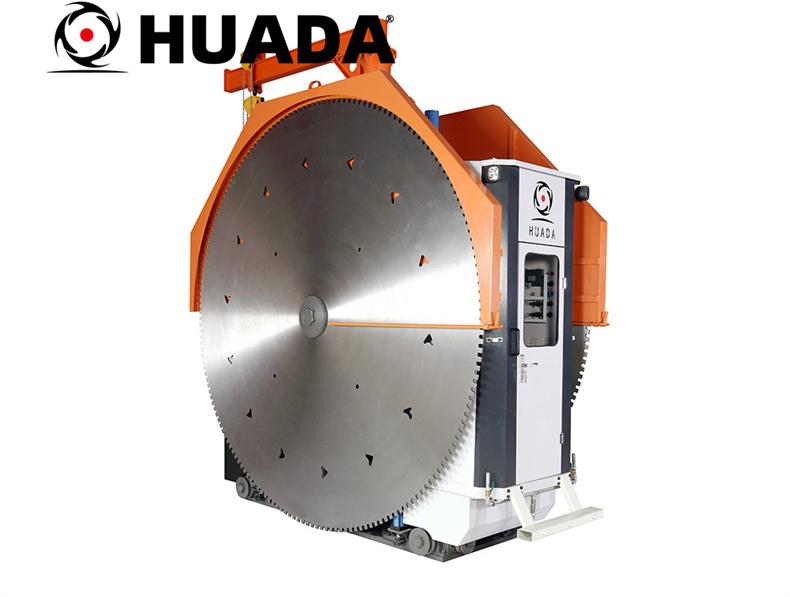
The Huada page describes a belt-drive arrangement, enclosed guide pillars, double-chain transmission on the travel drives and a closed modular four-wheel-drive layout. It also states that the electrical-control selection addresses quarry conditions including low voltage, dust and humidity. These are recorded product descriptions, not proof that an unreviewed site is ready for installation.
The source table contains machine-specific fields for blade range, cut width and depth, track spacing, power, water, dimensions and weight. This Blog does not repeat the values because the civil, electrical and lifting package must cite the current drawing and quotation for the reconciled model.
Organize the bench-preparation dossier by owner
| Package | Required evidence | Responsible confirmation |
|---|---|---|
| Quarry survey | Granite bench, intended block geometry, working limits, drainage context and access | Quarry engineer |
| Civil interface | Approved foundation or track design tied to the supplier's current loads and dimensions | Qualified civil designer and supplier reviewer |
| Services | Electrical and water requirements, route drawings, protection design and connection scope | Qualified electrical/site professionals |
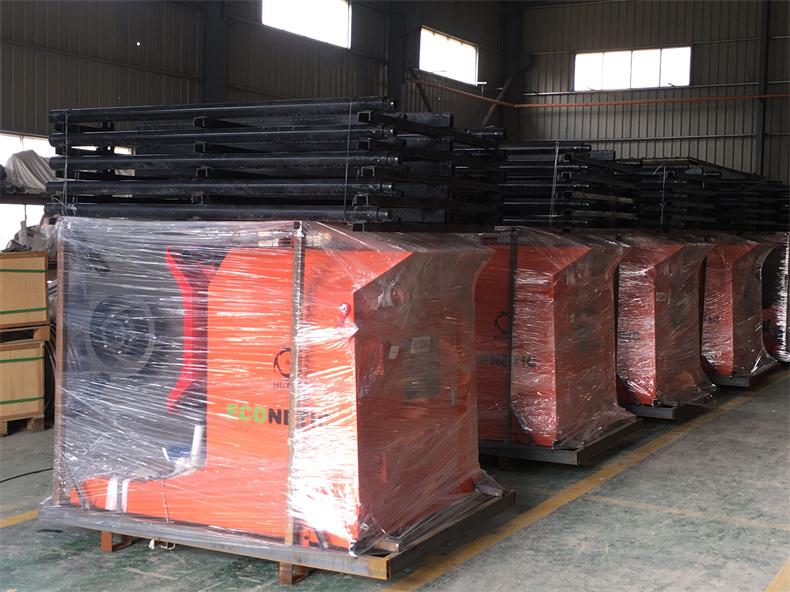
| Handling plan | Machine components, blades, lifting points, equipment capacity and controlled area | Appointed lifting planner and installer |
| Commissioning file | Manual revision, inspection forms, responsible roles and agreed acceptance record | Supplier, installer and buyer |
Each package should carry a revision and approval status. Open assumptions should remain visible until the responsible party closes them.
Questions for the civil and track interface
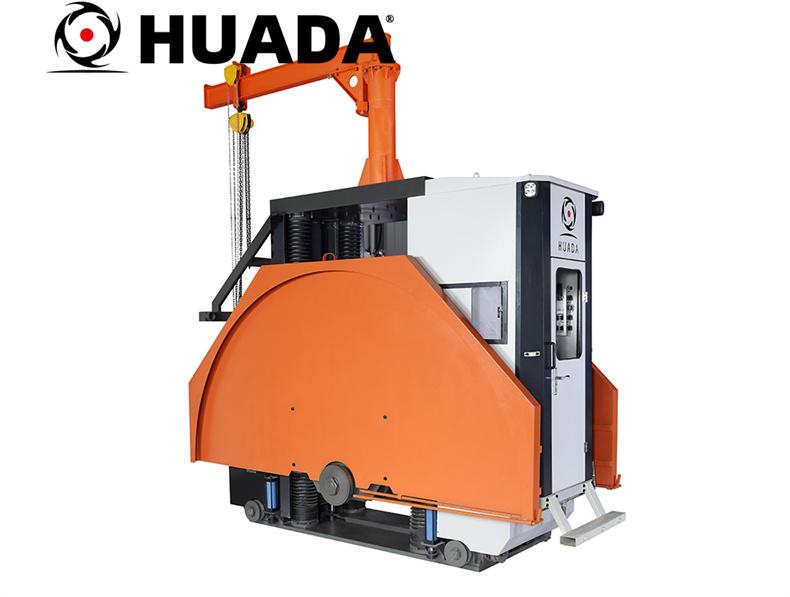
The archived installation material in Huada's local Blog source discusses a flat base or track surface, foundation connection and alignment between a blade and the direction of travel. A separate circular-saw article describes track relocation between cutting positions. Those sources show why the interface deserves documented engineering; they do not establish a universal compaction method, allowable settlement, runout limit or dry-travel procedure.
- Which supplier drawing states the current machine loads, track spacing and working envelope?
- Which site investigation supports the proposed civil design and drainage arrangement?
- Where are service routes, maintenance access and controlled work areas shown?
- Who reviews changes when the bench, track route or offered model differs from the approved issue?
The dossier should distinguish permanent quarry works from temporary installation provisions and supplier-furnished parts. That separation helps procurement assign design, inspection and maintenance responsibilities without assuming that every visible rail, cable support or water route is included with the machine.
Define acceptance as records, not commands
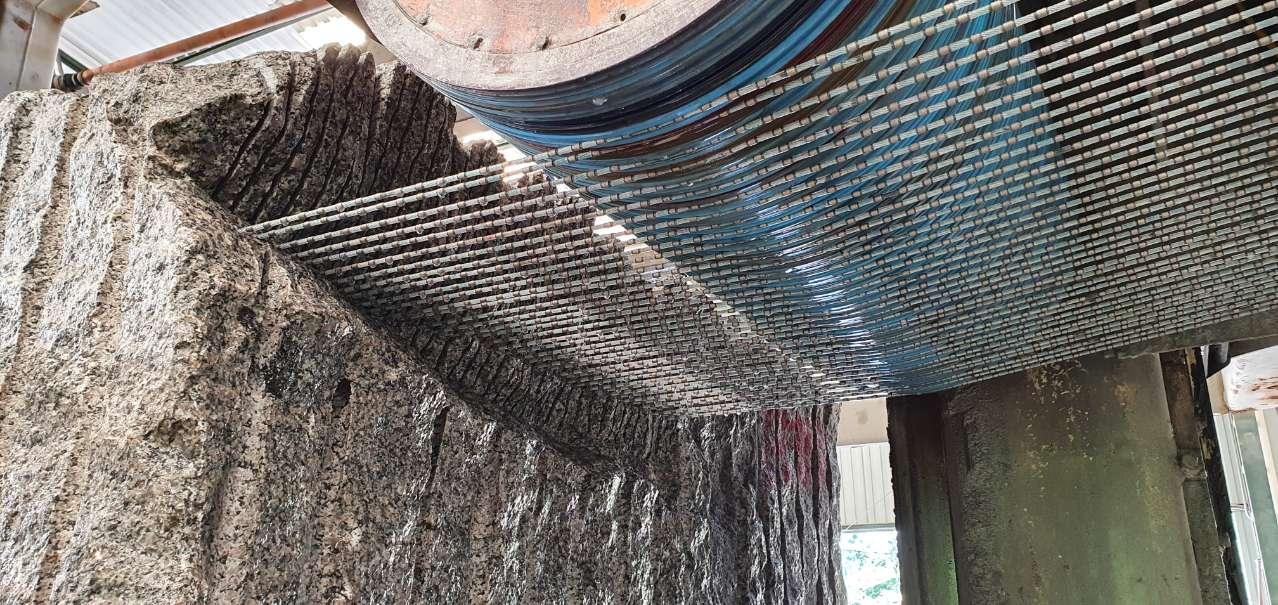
The purchase agreement can identify the documents and observations required before the buyer accepts the installation scope. Examples include model and serial identity, drawing revisions, civil sign-off, track survey record, electrical inspection, water-service confirmation, guarding and emergency-system records, blade and lifting documentation, and a representative granite-cut report prepared under the supplier's commissioning procedure.
This list does not direct a dry run or production test. The manufacturer and qualified site team must determine the sequence, isolation, guarding, exclusion zone, permits and authorized actions under the current manual and local controls.
Record the environmental and service basis
The product source says its electrical controls are selected for quarry conditions that include low voltage, dust and humidity. The site dossier can therefore record the measured supply information and environmental conditions sent to Huada, but it should not infer compatibility from those words alone. The supplier response should identify the applicable limits, protection requirements and document revision for the offered machine.
Handling evidence deserves the same discipline. Component and blade weights, lifting points and transport divisions must come from current supplier documents. The appointed lifting planner can then prepare the method and equipment selection outside this Blog, with responsibilities and approval status visible to the buyer.
Keep the HD and DBM/GV clarification visible
If the offer resolves the source-page naming difference, the resolution should appear in the quotation and drawing register. The old wording should not be silently changed in evidence, because the discrepancy explains why model identity was treated as a release condition. Later revisions can then show exactly which designation was approved.
Conclusion
A credible bench-preparation checklist binds a reconciled machine identity to quarry survey, civil design, services, handling and commissioning evidence. Use the current HD1360 double blade granite stone mining machine page as the product-source record, then require qualified parties to approve every site interface. The result is a reviewable project dossier without unsafe installation instructions or invented acceptance thresholds.