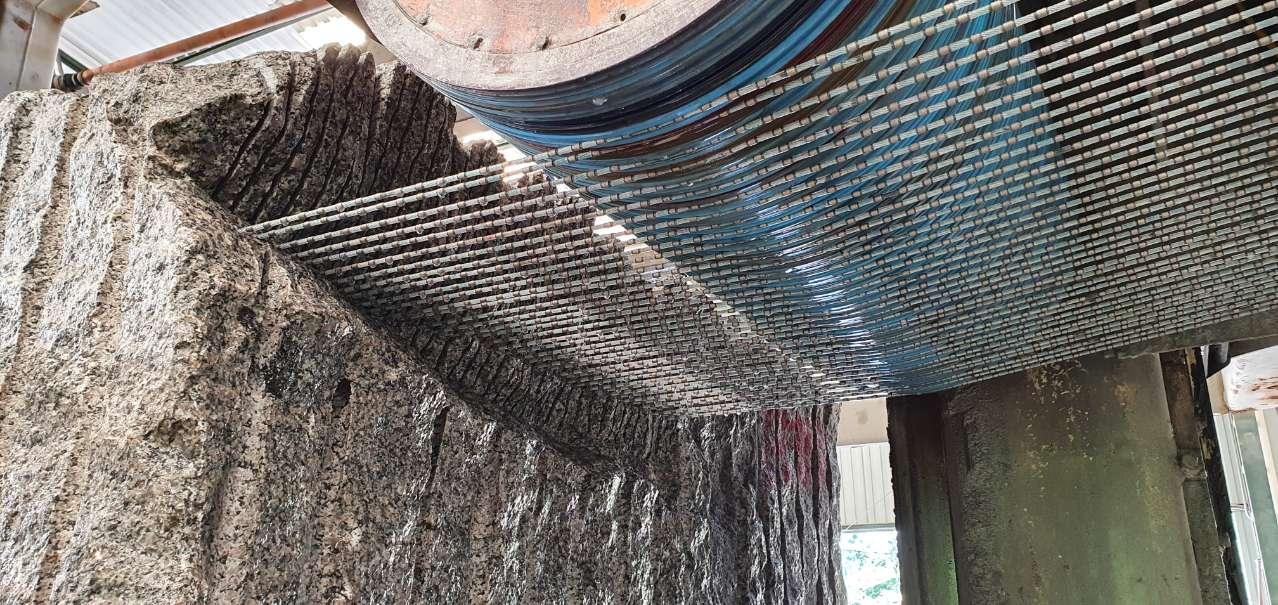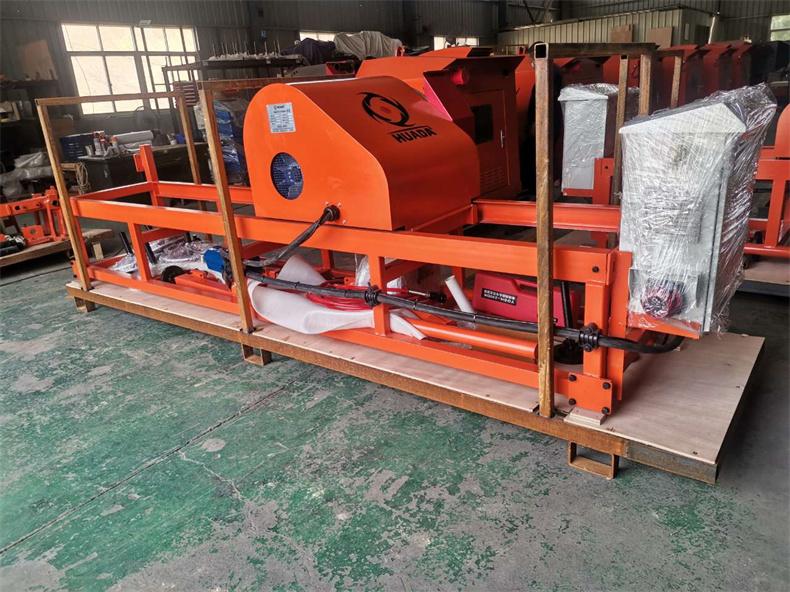

The Huada diamond wire for marble quarry page is a product-family source, not a stand-alone operating manual. It separates sintered, dry-cutting and electroplated entries, and it varies assembly, bead count and listed ranges with stone and machine context. This checklist shows how a buyer can keep those identities attached to evidence without turning a specification table into instructions.
Three source groups require three clear identities
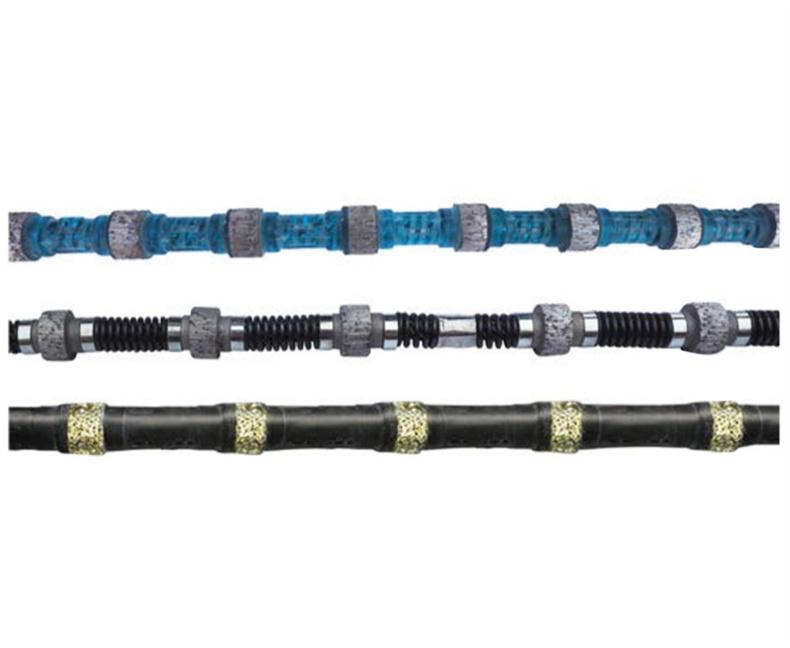
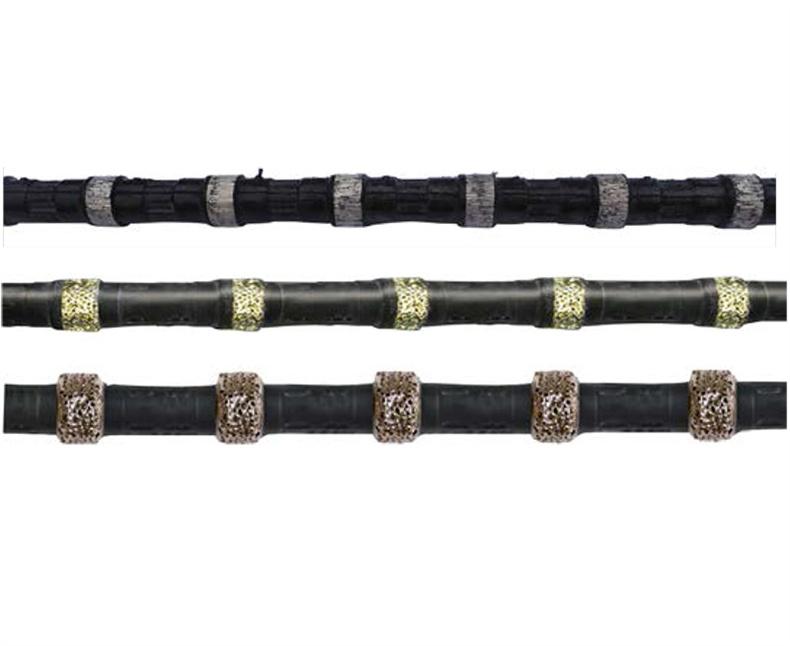
The official marble-wire record lists a sintered group, a separate dry-cutting group and an electroplated group. Within those records, spring, rubber-plus-spring and plastic-plus-spring assemblies appear in different combinations. The page does not say that every construction suits every marble or every quarry method, so a request should name the proposed group and assembly explicitly.
The same source says the wire range is developed from customer stone samples. That makes sample identity a central part of the commercial file. A buyer should be able to trace the recommendation back to a marked sample, quarry location or earlier cutting record rather than to the generic word “marble.”
Create a specification chain that survives handover
A useful chain begins with the stone evidence and ends with the delivered label. Between those points, the quotation should retain the wire construction, assembly, diameter field, bead-count field, compatible machine group and intended wet or proposed dry condition. If one element changes, the purchaser can see that the original comparison may no longer apply.
- Stone record: sample code, quarry and bench reference, commercial name and any relevant prior result.
- Offer record: exact wire family, construction, assembly and supplier document revision.
- Machine record: installed saw identity and the power group used to read the official table.
- Delivery record: label, batch or traceability information supplied with the actual wire.
- Evaluation record: the agreed observations and measurements tied to the same stone and equipment.
This is a document sequence, not a sequence for connecting or running the wire.
Use table headings to ask better questions
The product page contains diameter, beads-per-metre, assembly, hardness, wire-speed, cutting-rate and production fields. It also separates machine-power columns. A buyer does not need to guess which value applies; the supplier should identify the exact source row used for the offer and explain the conditions attached to it.
| Source field | Procurement question | Evidence to retain |
|---|---|---|
| Construction and assembly | Which listed product group is offered for this marble and quarry condition? | Quotation line and current datasheet |
| Diameter and bead count | Which delivered specification corresponds to the chosen source row? | Wire label and inspection record |
| Stone grouping | What sample or prior record supports the classification? | Sample reference and reviewer note |
| Machine column | Which installed saw was used when the offer was prepared? | Machine identity and supplier confirmation |
Wet and dry labels need a written scope
The source notes that dry cutting is available in certain conditions and gives it a separate product-table entry. It does not establish that dry cutting is suitable for an unnamed quarry, machine or risk environment. A proposal using that label should therefore include the exact offered wire, the manufacturer's applicable documentation, site review responsibilities and the conditions that the supplier has evaluated.
The Blog does not provide airflow, heat, dust, speed or feed instructions. Environmental and occupational controls, machine suitability and authorization remain matters for the quarry's competent professionals and the current manufacturer documents.
Agree what a representative record must prove
The acceptance question is whether the supplied identity can be evaluated on the documented marble under the agreed project conditions. The parties can define the evidence in advance: sample and bench reference, machine identity, delivered wire label, cut drawing, recorded area and time, surface observations, wire-consumption record and any event that made the comparison non-representative.
A result without its wire label or stone reference cannot close the specification chain. Likewise, a claim from another quarry is not a substitute for the conditions recorded for this purchase. The file should distinguish a supplier target, an observed result and a buyer acceptance decision.
When the order includes more than one construction, the evidence should remain separated by supplied identity. Combining observations from sintered, dry-cutting and electroplated entries would hide which product produced which record. Separate labels and evaluation sheets preserve the distinctions shown on Huada's official marble-wire page.
Operating authority stays outside this checklist
Joining, installation, guarding, speed, tension, feed and retirement criteria must come from current documents for the delivered wire and saw, and their use is limited to qualified personnel working under site controls.
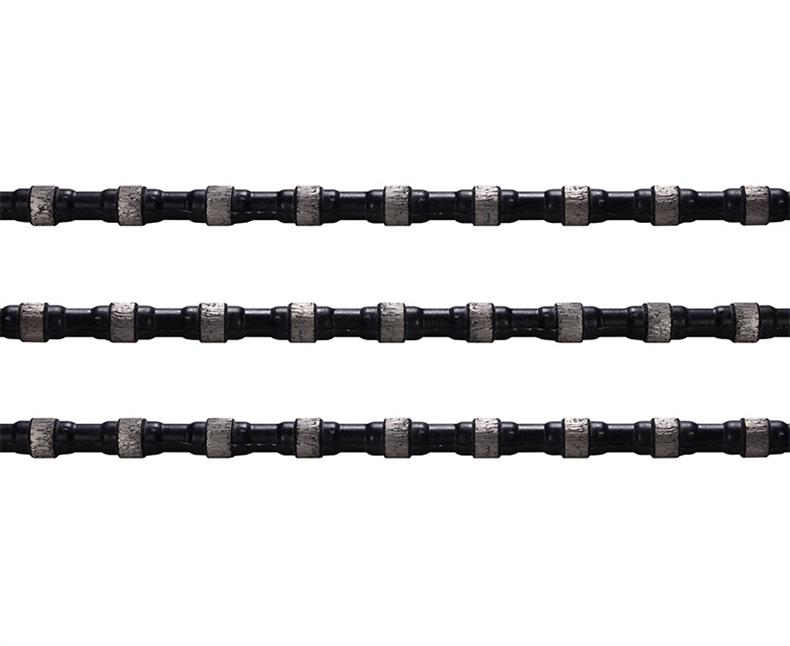
Prepare a concise internal approval note
Purchasing can summarize why the offered construction was selected, which source-page alternative was not proposed and which conditions remain unresolved. The note should cite the quotation, sample record and datasheet identifiers instead of copying an isolated performance phrase. Engineering and commercial reviewers can then see whether the supplier answered the relevant source fields and whether another sample review is needed before order release.
Conclusion
The strongest marble-wire decision is a traceable chain from stone sample to quotation, machine identity, delivered label and representative evidence. The official diamond wire for marble quarry page supplies the product groups and specification fields; the supplier must bind them to the actual offer. This narrower purpose is more useful than an unsupported bead-size or speed guide and keeps all executable settings under the proper technical authority.