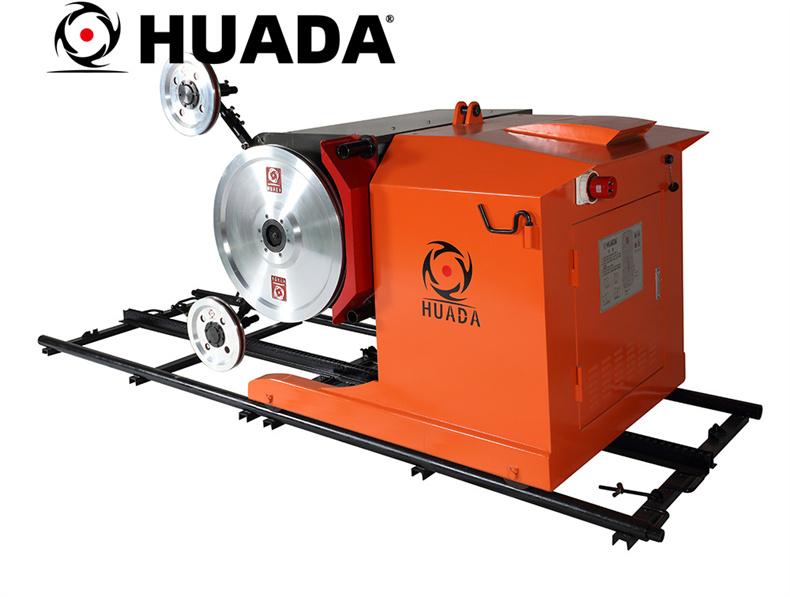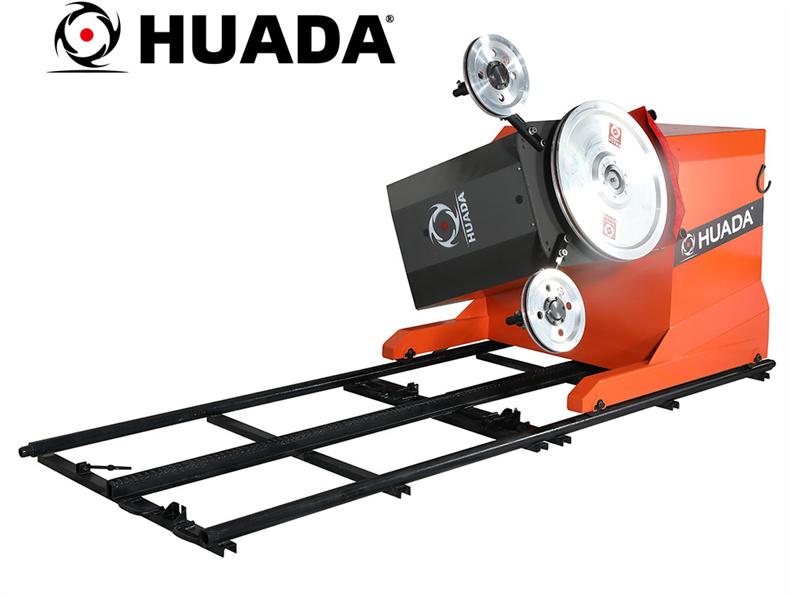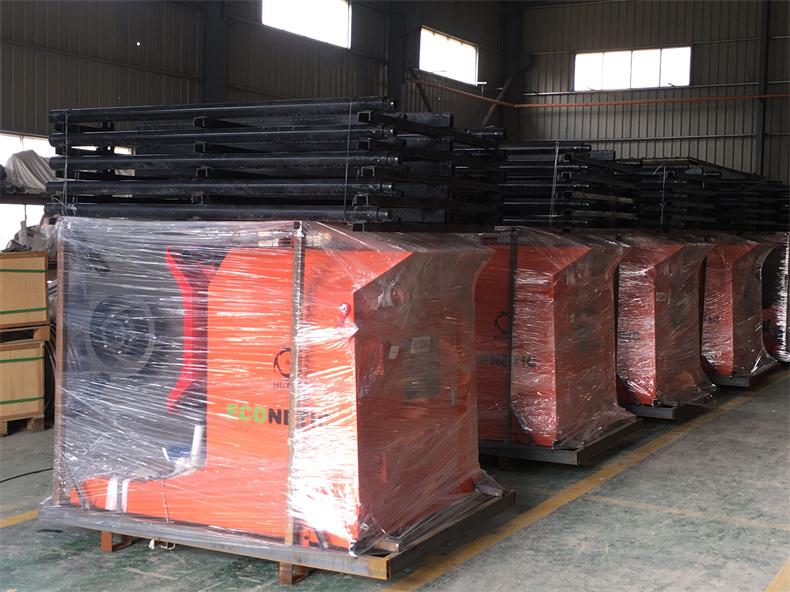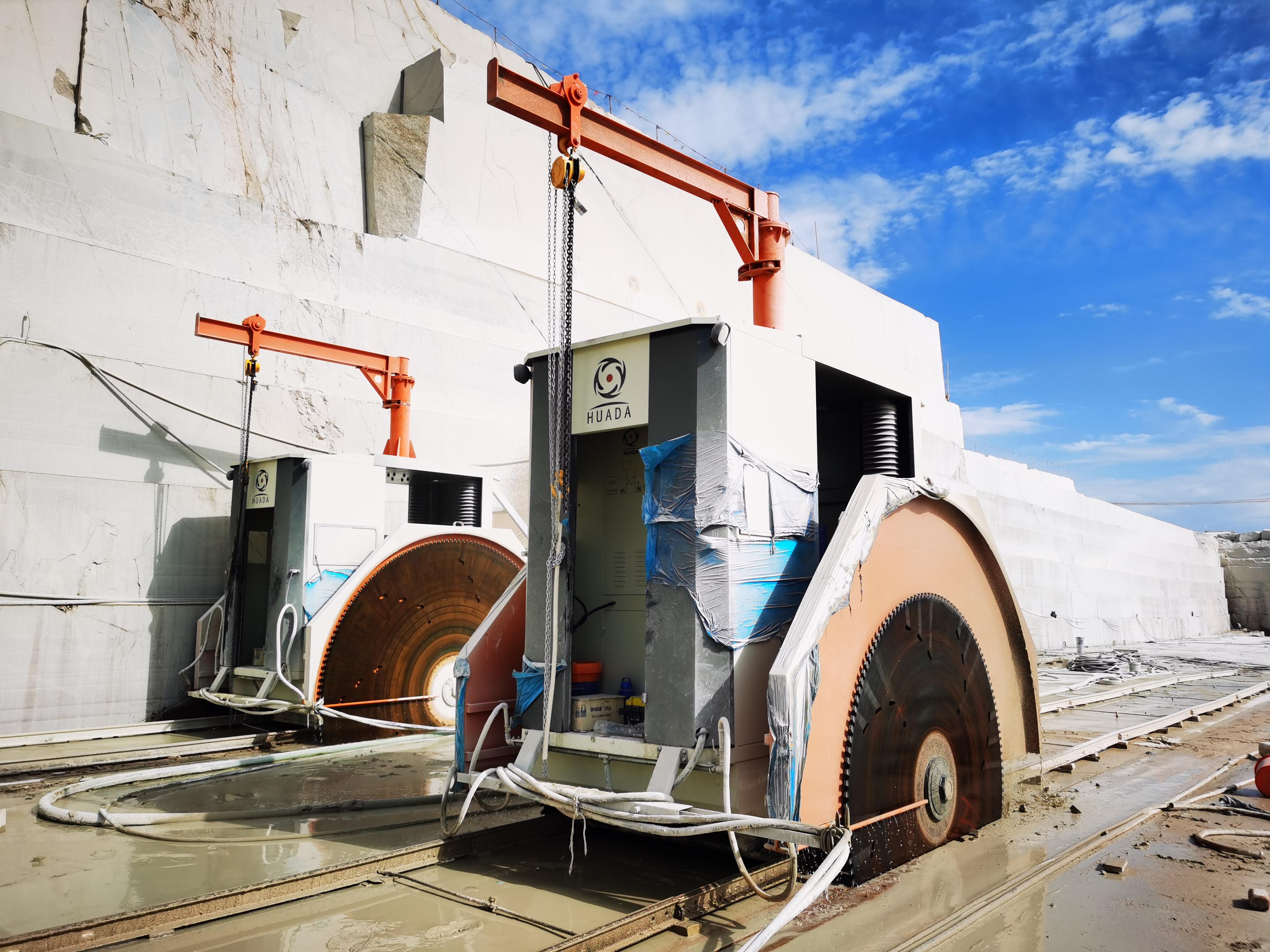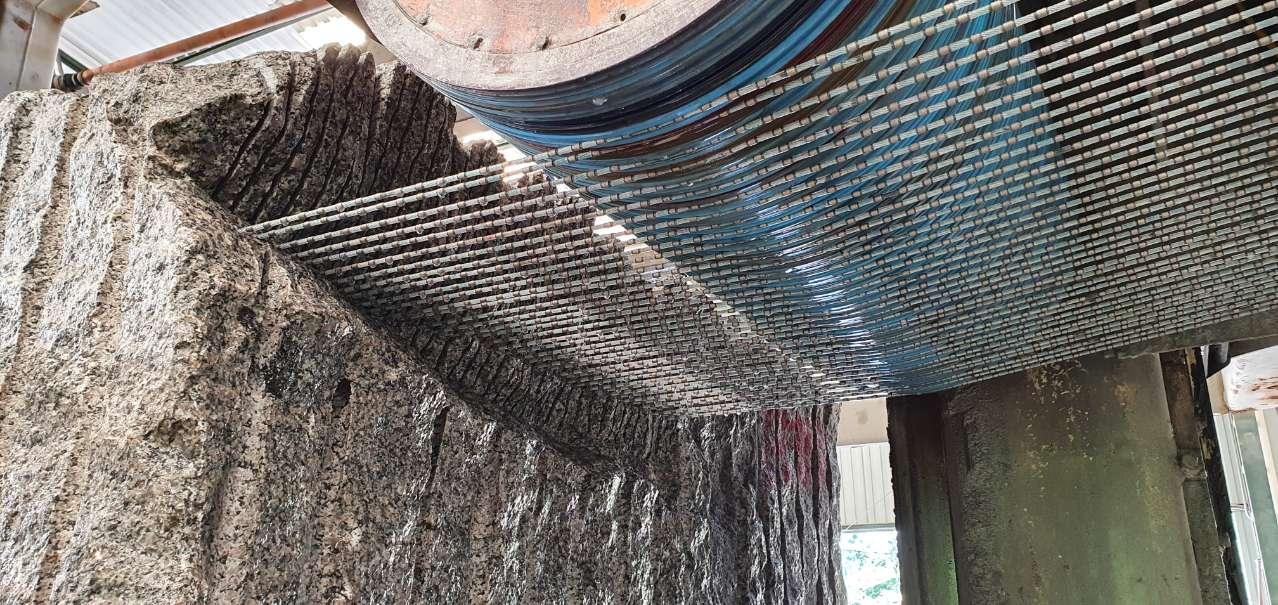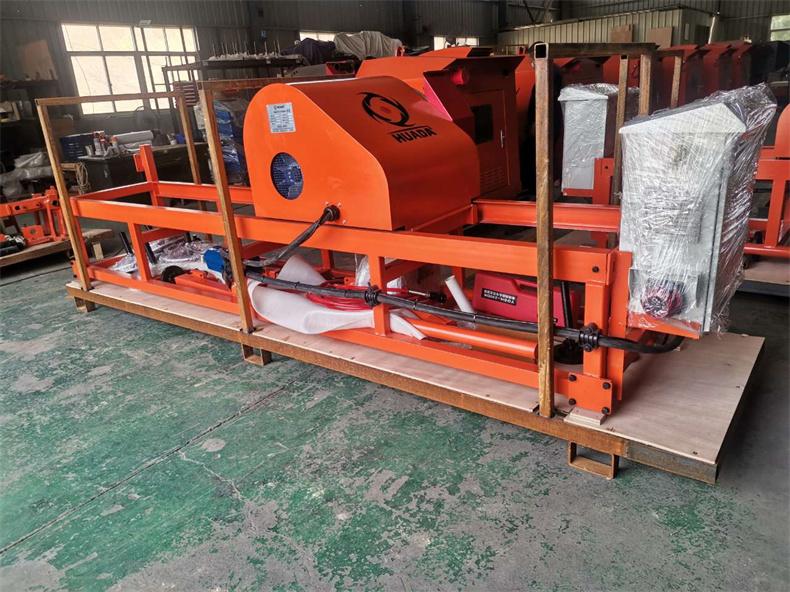

Selecting diamond wire for granite begins with the identity of the stone and the saw that will use the wire. Huada's granite-quarry wire page groups choices by stone hardness, assembly, diameter, bead count and installed machine power. It also says wire development uses stone samples and quarry information. Those source facts support a disciplined enquiry; they do not justify a universal recipe for abrasive granite.
Use the official granite-wire scope as the starting point
The Huada product record is specifically titled “Diamond Wire For Granite Quarry” and also names quartzite in its application text. It records rubber and rubber-plus-spring assemblies for the range and presents separate table rows for soft, medium and hard stone. The page therefore supports material-specific comparison, while leaving the actual assignment to a stone sample, quarry data and the supplied product specification.
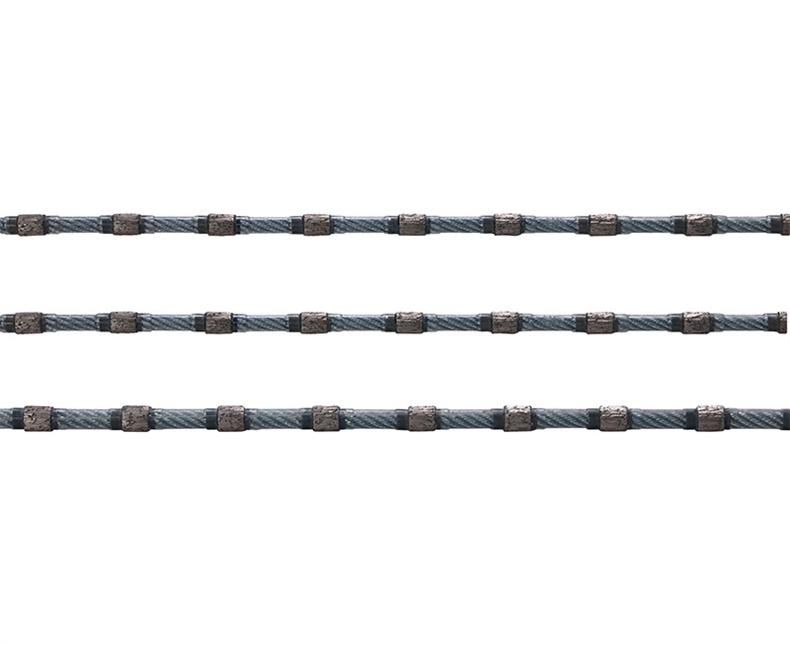
Commercial descriptions such as “hard granite” or “highly abrasive stone” are not enough to choose a row from the table. A quarry name can cover more than one layer or mineral pattern, and the official page itself asks for stone characteristics. The procurement file should preserve the actual sample reference and any earlier cutting record used in the discussion.
Build a stone evidence card before comparing offers
A concise stone card gives every supplier the same boundary. It can identify the quarry and bench, sample code, commercial stone name, visible variation, intended cut geometry and the existing wire result if one is available. Laboratory or petrographic information may be attached when the project already has it, but this article does not assign a hardness class from appearance.
| Evidence field | Reason it belongs in the request |
|---|---|
| Sample and bench reference | Connects the wire recommendation to identifiable granite rather than a broad trade name |
| Wire-saw model and motor group | Matches the official table's distinction between installed machine groups |
| Cut drawing and planned loop | Defines the application that the supplier is evaluating |
| Water and site-service record | Shows the available quarry conditions without assuming they are adequate |
| Previous wire label and result | Provides a comparison point when the quarry has relevant history |
Read the product table as a specification map
The frozen page contains fields for diameter, beads per metre, assembly, stone-hardness group, wire speed, cutting rate and production by machine-power group. Their presence shows which attributes must stay connected in a quotation. A diameter or headline production figure detached from its assembly, stone and machine column is not the complete source statement.
This guide intentionally does not reproduce or recommend any speed, feed or output value. The current quotation and product datasheet should identify the applicable row, and qualified personnel should use the delivered wire and machine documentation for operating limits. Legacy figures should not be converted into instructions for a different quarry.
Make the quotation bind the delivered wire
- The product name and exact supplied wire code should appear on the offer, packing record and trial sheet.
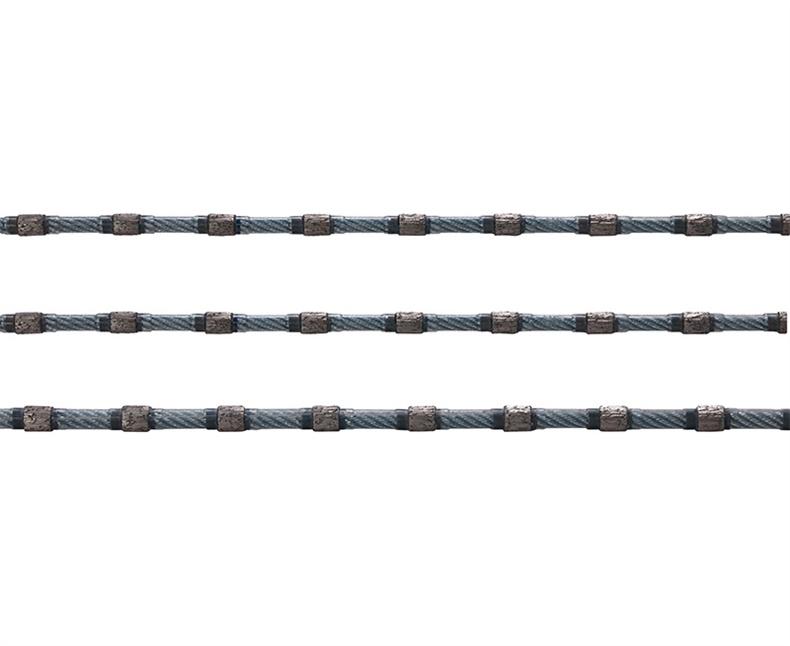
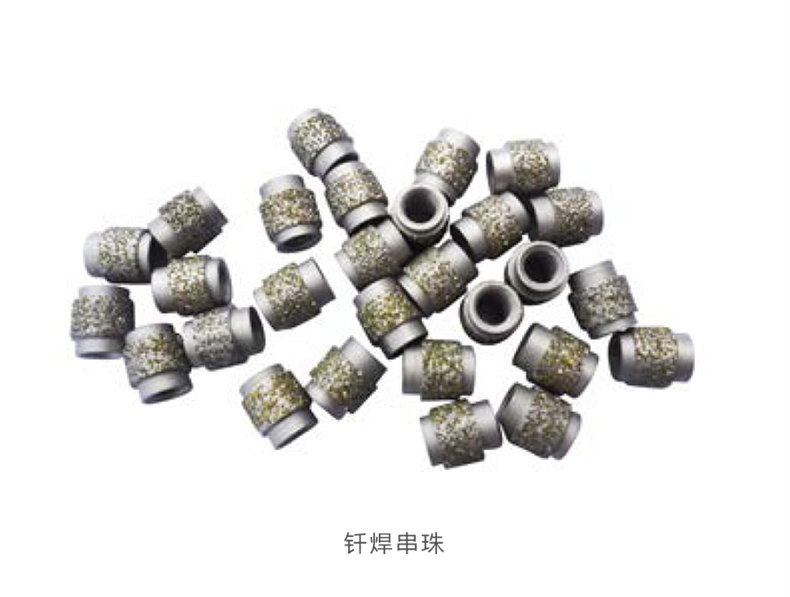
- The offer should name the assembly and bead specification rather than using only “granite wire.”
- The source of the stone classification should be stated, including the sample or prior record reviewed.
- The compatible machine group and the applicable Huada documentation revision should be identified.
- Any performance expectation should carry its stone, machine, cut and measurement conditions.
These are purchasing controls, not operating steps. They make it possible to compare what was proposed with what arrived and to separate a material difference from a supply-identity problem.
The purchaser can strengthen traceability by asking the supplier to reproduce the applicable product-page field names in the offer. Consistent labels for assembly, diameter, bead count and machine group reduce ambiguity when commercial documents, packing information and evaluation records are reviewed together.
Define evidence for a representative evaluation
Before purchase approval, the parties can agree what records will demonstrate suitability on representative granite. The evidence set may include the sample identity, supplied wire label, machine identity, cut drawing, elapsed working record, measured area, surface observations and documented wire consumption. The supplier should state which result is expected to be comparable and which conditions would invalidate the comparison.
No local source reviewed for this article establishes the earlier candidate's claims about a bond “opening too quickly,” glazing, a required diameter-loss pattern or a universal area-per-metre threshold. Those statements have therefore been removed. If Huada later provides a current technical document for a specific wire, it can be evaluated as new evidence rather than inferred from this general product page.
Keep safety and operation with the correct authority
Wire installation, joining, guarding, tensioning, speed selection and feed changes are not procurement instructions. They belong to the current machine and wire manuals, the quarry's risk controls and people qualified for the delivered system. A Blog can explain which evidence to request without telling an operator how to run a cutting system.
Conclusion
A source-grounded granite-wire decision connects the stone sample, machine group, assembly and supplied wire identity before any result is compared. Review the official diamond wire for granite quarry page with the project evidence card, require the quotation to bind every relevant attribute, and keep operating values inside current product documentation. This produces a traceable selection record without inventing wear mechanisms or performance promises.