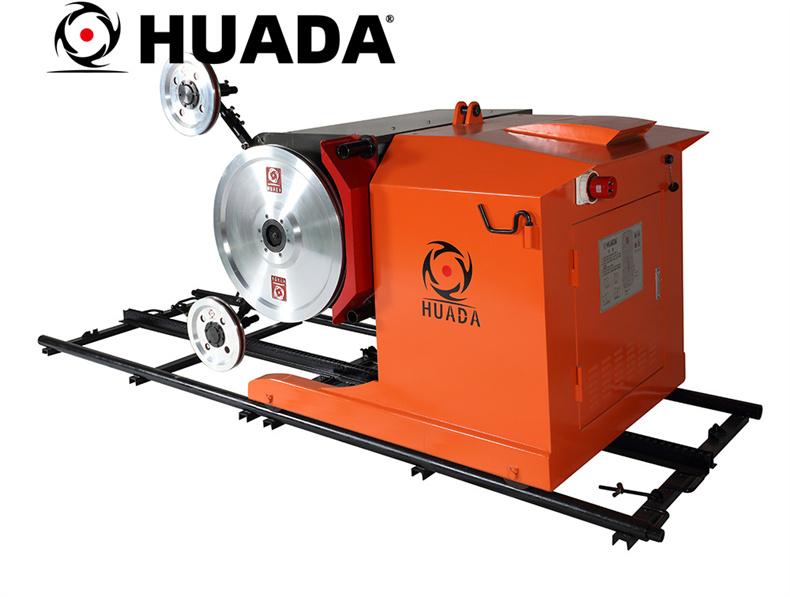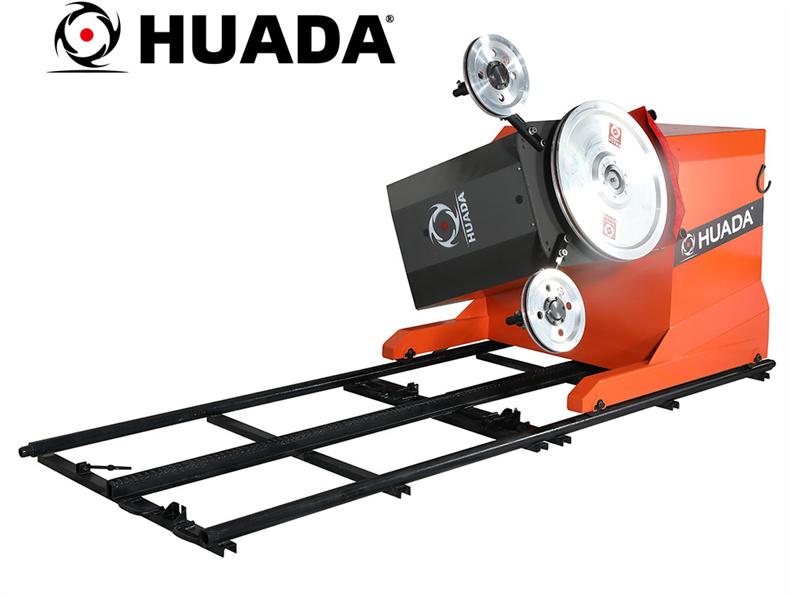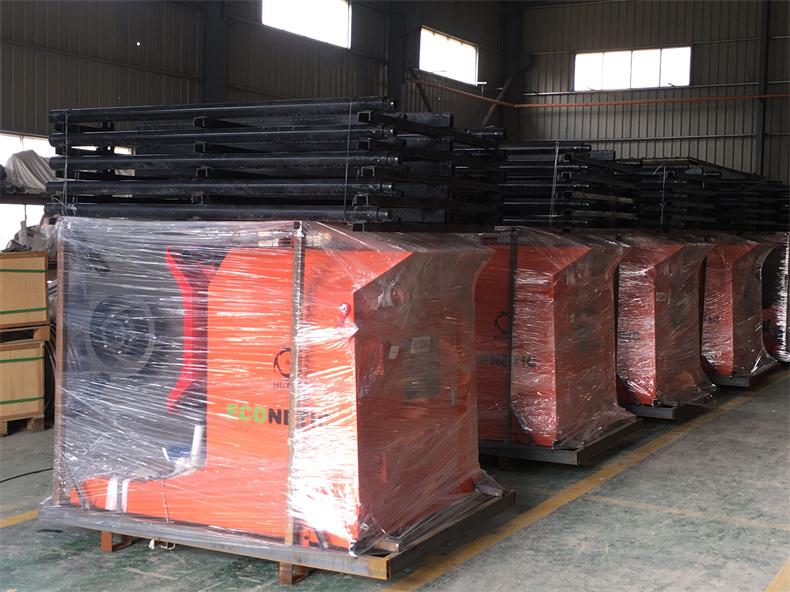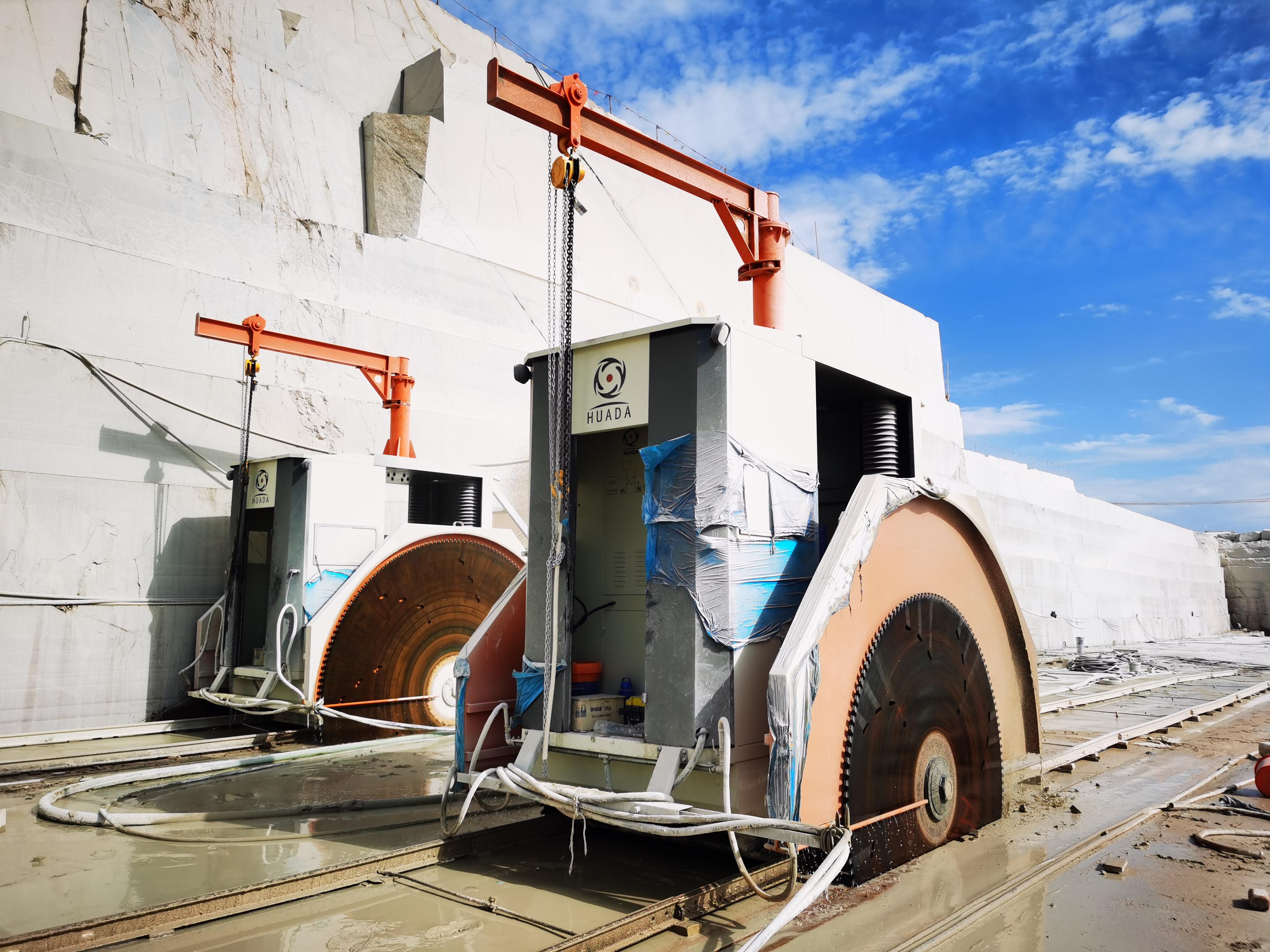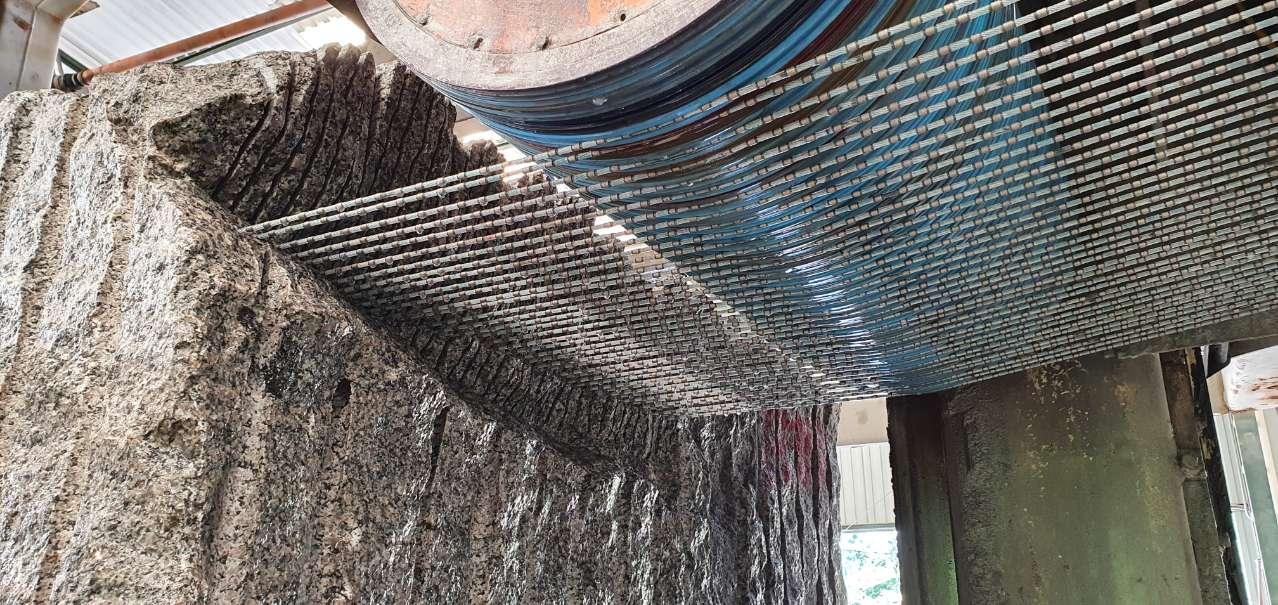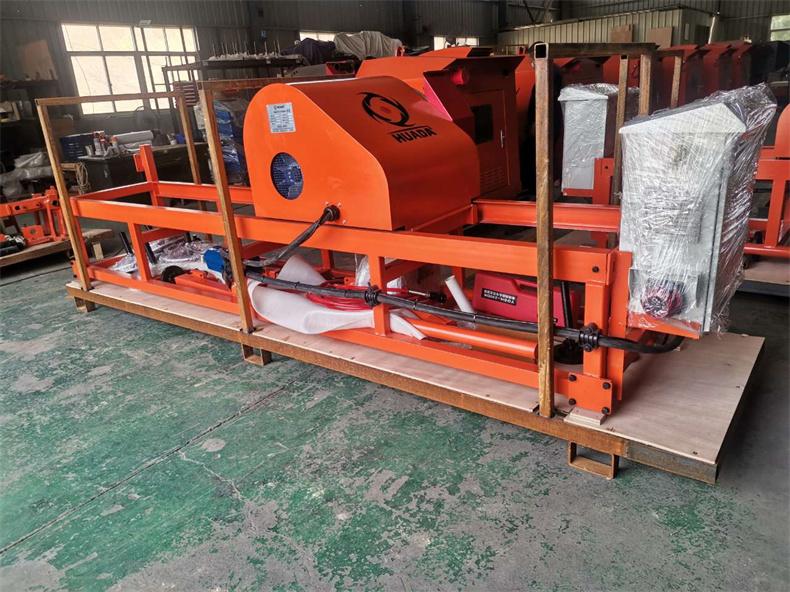

A guide-wheel layout for a quarry wire saw machine should begin as a documented granite-cut proposal, not as a universal arrangement copied from another bench. Huada's DWS granite product record establishes the machine family, the two mining layouts described for it, and the need to identify rails, wire and pulley layout. It does not publish one guide-wheel geometry for every quarry.
Start with the faces that the quarry intends to release
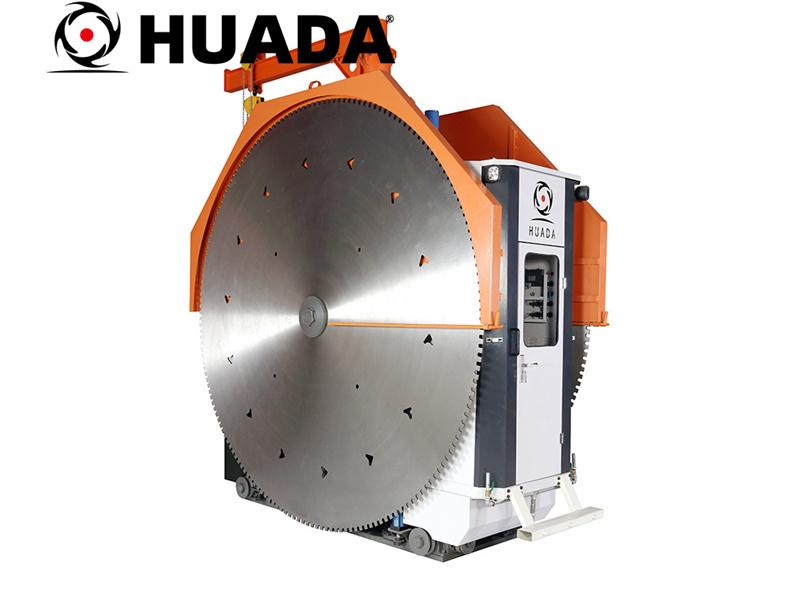
The source page for Huada's quarrying wire saw granite cutting machine describes wire-saw-only extraction and a combined method in which a circular saw makes vertical faces while diamond wire completes the horizontal bottom cut. Those are different project layouts. A buyer's drawing therefore needs to show which faces belong to the wire saw, which belong to another machine, and how the intended block will be handled after separation.
Bench dimensions, access and the selected cut sequence belong in the enquiry because they establish the physical question that the supplier must review. The drawing is also the correct place to mark obstacles, changes in level and the available machine position. None of those project facts can be inferred from a motor rating or a photograph.
What the local product evidence establishes
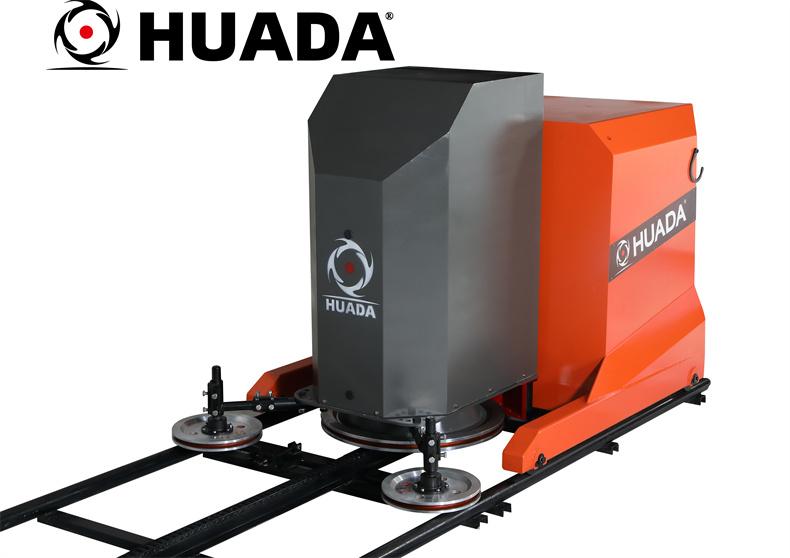
The frozen official page identifies the Econetic DWS-37M, DWS-55M and DWS-75M granite quarrying range. It also records rails as part of the machine data and names the selected DWS model, wire and pulley layout among the items needed for a combined-mining enquiry. These facts support a documentation checklist, but they do not prove a particular anchor position, wheel count, allowable bend or operating setting.
A separate archived Huada technical article names the flywheel, guide wheel, wire, mobile platform and operating platform as system components. That record discusses relationships among machine travel, main-motor load and wire tension, yet it does not provide a current installation drawing for product 325. For that reason, this guide keeps component relationships at the review level and leaves all machine actions to the current manual and qualified site personnel.
The guide-wheel assembly should be a drawing package
| Document | What it should identify | Who must confirm it |
|---|---|---|
| Cut-face plan | Granite bench, intended faces, bore locations if applicable, block outline and handling direction | Quarry engineer and project owner |
| Machine-location drawing | Selected DWS model, rail area, available travel space and service access | Huada technical reviewer and site engineer |
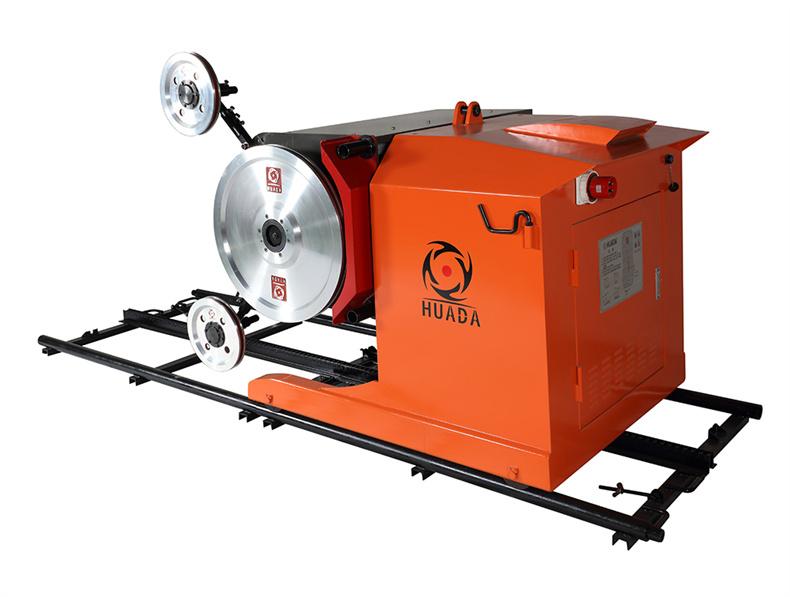
| Pulley schedule | Each proposed guide, its purpose, support detail and relationship to the cut drawing | Equipment supplier or authorized installer |
| Wire record | Delivered wire identity and the granite application for which it was supplied | Supplier and buyer |
This package makes the commercial scope visible. It also prevents a wheel shown in a sales image from being mistaken for approval of a site-specific support or load path.
Questions that belong in supplier review
- Is the proposal for wire-only or combined mining?
- The answer should reference the same face labels used on the quarry drawing and name any circular-saw work separately.
- Which equipment identity is being offered?
- The quotation should bind the DWS model, rail scope, supplied wire, guide components and current documentation rather than using a family photograph alone.
- Who designs and approves supports?
- The responsible engineer or authorized installer should be named, together with the drawing revision that defines the site work.
- What site information remains open?
- Unconfirmed geology, bench condition, utilities, access, lifting and block-removal assumptions should appear as open items instead of hidden qualifications.
Acceptance evidence without an operating recipe
A useful acceptance file can compare the approved drawing, delivered equipment and representative granite cut without telling a reader how to start, tension, steer or adjust the machine. It can retain machine and wire identifiers, drawing revisions, inspection records, cut geometry, surface observations and consumable records. The current model manual should define limits, controls, guarding, interlocks and permitted responses.
The review file should also distinguish supplied guide components from site-fabricated supports. A bill of materials, component photographs and drawing references let the buyer confirm what Huada supplied without assuming that an unlisted bracket or anchor belongs to the machine package. This distinction is especially important when civil work and equipment installation are contracted to different parties.
Commissioning and any change to the pulley or support arrangement require qualified personnel under the quarry's isolation, guarding and exclusion-zone controls. This article deliberately supplies no start-up order, speed, tension, feed adjustment, anchor design or distance-based recheck rule. Those details depend on the delivered equipment and approved site engineering.
Keep changes traceable
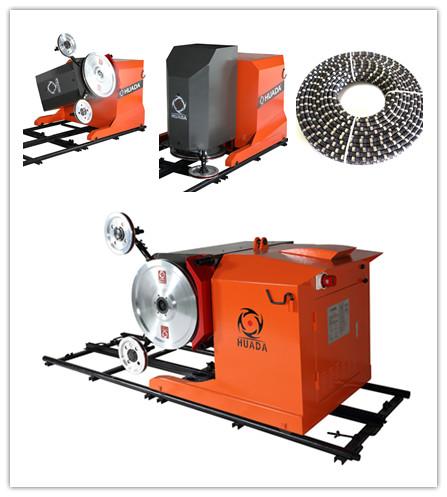
If the quarry changes a cut face, machine location, guide support, wire specification or block-handling plan, the drawing revision should change with it. A dated record makes the supplier's review auditable and prevents an earlier approval from being applied to a materially different bench. Photographs are valuable evidence when they are tied to the drawing and date; by themselves they are not a layout specification.
Conclusion
The defensible guide-wheel decision is a reviewed set of project documents connected to a specific granite bench and a specific Huada DWS offer. Use the official quarrying wire saw granite cutting machine record to identify the family, then require the supplier and quarry engineer to close the layout questions in drawings, scope documents and acceptance evidence. That approach preserves source truth while keeping hazardous machine instructions inside the current manual and the qualified site team.