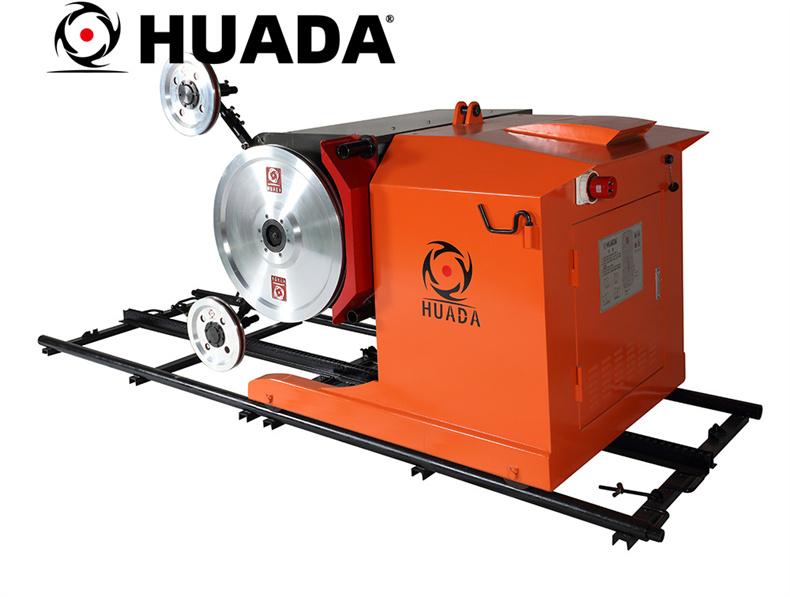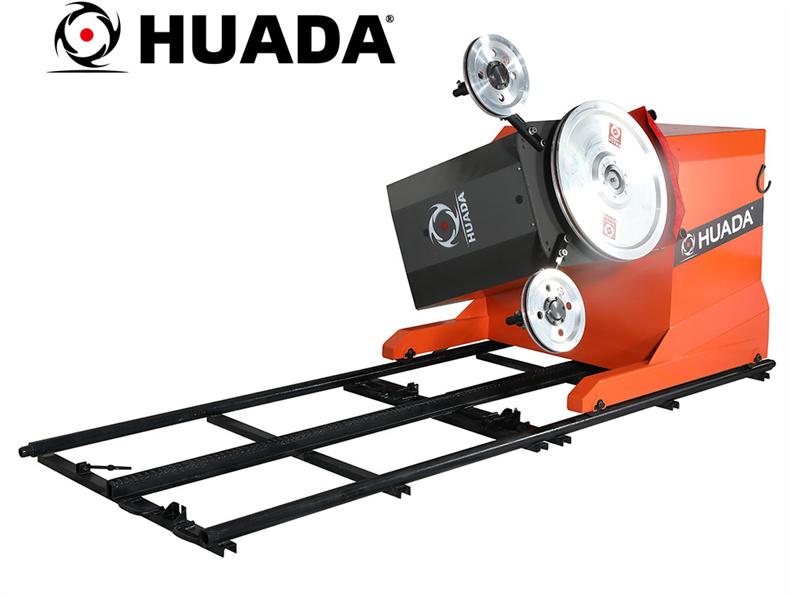

A reliable diamond wire saw machine decision starts with measurable site conditions. This guide explains how to match installed drive power to the real bench geometry instead of choosing a motor from block size alone, then turns the result into a practical setup, trial and acceptance record.
Why this decision affects quarry performance
The working context is hard granite benches with variable quartz content and long exposed faces. In that setting, production is not controlled by one catalog value. Stone behavior, machine condition, utilities, access and operator practice interact throughout the cut. The most important commercial risk is that an undersized drive stalls during deep cuts, while unnecessary power raises generator, cable and protection costs. A useful selection process therefore connects each recommendation to a field measurement and a defined acceptance result.
Begin with the result the quarry needs: cut geometry, output window, surface condition, tool life and safe operating limits. Keep these targets separate from maximum machine ratings. Maximum ratings describe a boundary; they do not guarantee stable production at every site. Huada engineers can review those inputs against the relevant diamond wire saw machine configuration before a final technical agreement is issued.
Record the site data before equipment selection
Prepare one worksheet for the actual bench or processing line. Include stone type, dimensions, access, elevation, power, water, compressed air where applicable, lifting capacity and the planned sequence of work. Photographs are useful, but dimensions and utility measurements are more reliable. When stone varies by layer, identify the layer used for the trial so later comparisons remain valid.
Also record constraints that can stop an otherwise suitable machine: cable length, generator reserve, water pressure at the point of use, anchoring material, rail or foundation condition, room for guide wheels and the route used to remove blocks or slabs. This prevents a product choice from being optimized for cutting while ignoring installation and daily handling.
Four signals to monitor
- Maximum engaged wire length
- Available grid or generator capacity
- Planned wire speed range
- Feed stability during corner entry
These signals should be read together. A temporary increase in load may be normal during entry, but a load increase combined with vibration, falling output or abnormal tool wear requires a controlled stop and inspection. Establish the normal range during commissioning, then use the same measurement points for routine production logs.
Recommended setup workflow
- Step 1: Record the largest cut plane.
- Step 2: Estimate engaged wire length by cut phase.
- Step 3: Confirm voltage drop at the machine.
- Step 4: Review the supplier's torque curve.
- Step 5: Run a controlled trial before final acceptance.
Do not change several variables after one weak result. Change one approved setting, repeat a comparable cut and record the effect. This disciplined approach separates material variation from machine adjustment. It also gives the supplier and quarry team evidence they can use when deciding whether the next action concerns tooling, alignment, utilities or operating parameters.
Decision and acceptance table
| Primary objective | Match installed drive power to the real bench geometry instead of choosing a motor from block size alone. |
|---|---|
| Material context | Hard granite benches with variable quartz content and long exposed faces. |
| Main risk | An undersized drive stalls during deep cuts, while unnecessary power raises generator, cable and protection costs. |
| Acceptance direction | Choose the smallest configuration that maintains stable wire speed and feed reserve through the deepest expected cut, with site utilities measured under load. |
The table should become part of the pre-order discussion and the commissioning record. Replace general statements such as “good output” with an agreed range, measuring method and trial material. If a result depends on a specific stone layer, operator or utility condition, include that condition in the record instead of treating it as a universal machine capability.
Operating checks during the first production week
At the start of each shift, inspect guards, fasteners, working tools, guide surfaces, hoses, cables and emergency functions. Confirm that yesterday's adjustments are still documented and that no unapproved setting was carried forward. During operation, watch trends instead of isolated readings. Stable output with predictable wear is usually more valuable than a brief peak rate followed by stops or corrective work.
At the end of each representative job, record working time, setup time, cut or drilled area, energy or utility issues, tool consumption and any quality deviation. Normalize the figures to a useful production unit. This lets the team compare settings fairly and gives purchasing a more realistic cost model than machine price or nominal speed alone.
Maintenance and troubleshooting boundaries
Routine cleaning, inspection and approved adjustment belong in the operating plan, but unusual noise, repeated protection trips, damaged structural parts or rapidly changing tool wear require escalation. Stop the machine in a safe state and preserve the relevant readings, photographs and tool samples. A concise evidence package helps technical support distinguish a machine fault from an application, foundation, utility or consumable issue.
Use the manufacturer manual for limits, lubrication and replacement criteria. The values in a project proposal should match the delivered model and tooling rather than a different machine in the same product family. Keep spare and wear parts identified by part number so substitutions do not introduce an unknown geometry or material during production.
Questions to settle before ordering
- What must the supplier confirm?
- The supplied model, included tooling, utility limits, setup scope, training, spare parts and the method used to accept performance on the agreed material.
- What must the quarry provide?
- Accurate site data, representative stone, safe access, suitable utilities, foundation or anchoring and operators available for training and trial records.
- What is the final selection rule?
- Choose the smallest configuration that maintains stable wire speed and feed reserve through the deepest expected cut, with site utilities measured under load.
Conclusion
The right diamond wire saw machine setup is the one that turns measured site conditions into stable, repeatable production. Use the workflow above to define the application, monitor the key signals and approve results against a written trial. That protects tool life, makes operating costs easier to predict and gives both the quarry and equipment supplier a clear basis for technical decisions.