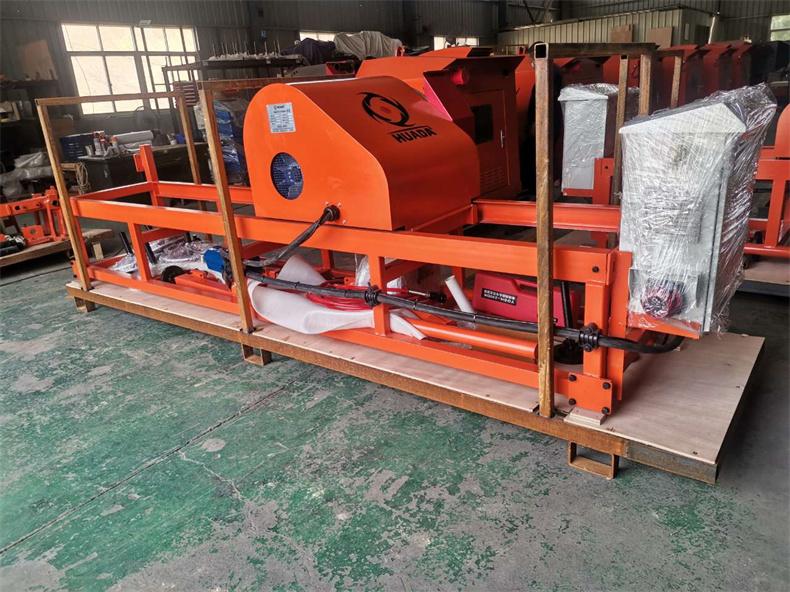
Use “What type of training is required to operate a stone chain saw machine?” as a decision brief for a stone chain saw machine: define stone type, bench geometry, required cut depth, chain and arm configuration, power source and site access, verify chain condition, lubrication or cooling, guide-arm alignment, feed pressure and cutting direction and retain a stone-specific trial, chain and insert specification, cut geometry and maintenance plan before approval.
Technical context for What type of training is required to operate a stone chain saw machine?
Operating a stone chain saw machine requires specialized training due to the complexity and potential hazards associated with its use. These machines are designed for cutting stone, concrete, and other hard materials, making them essential tools in various construction, mining, and landscaping applications. To ensure safety and efficiency, operators must undergo comprehensive training that covers the technical aspects of the machine, safety protocols, operational techniques, and maintenance procedures. This article will explore the types of training required to operate a stone chain saw machine effectively.
Understanding the Stone Chain Saw Machine
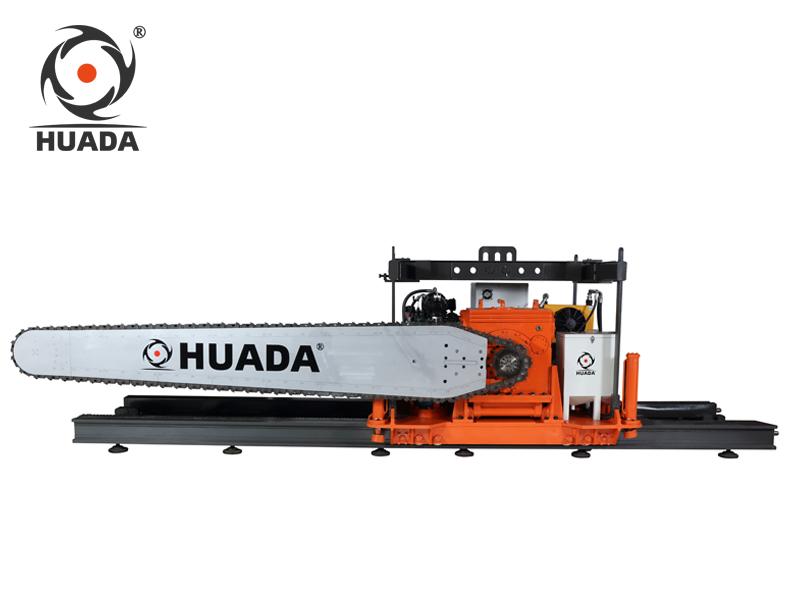
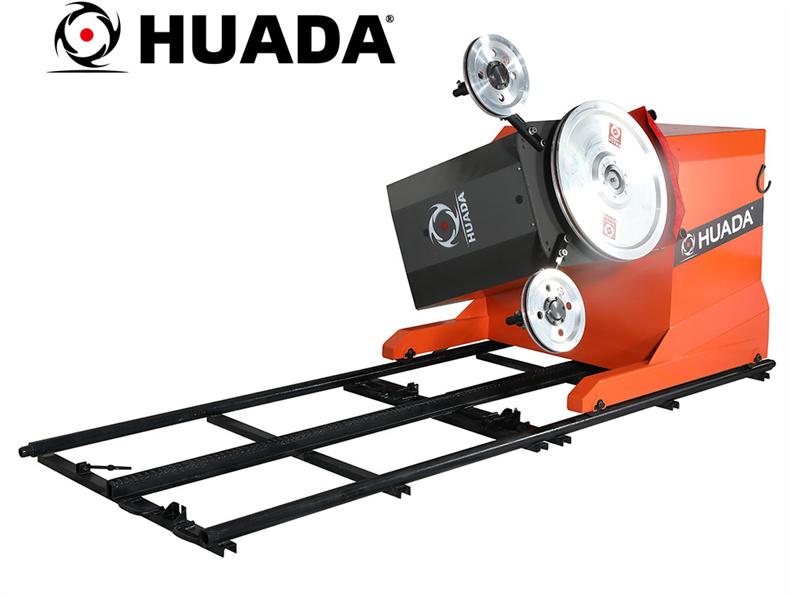
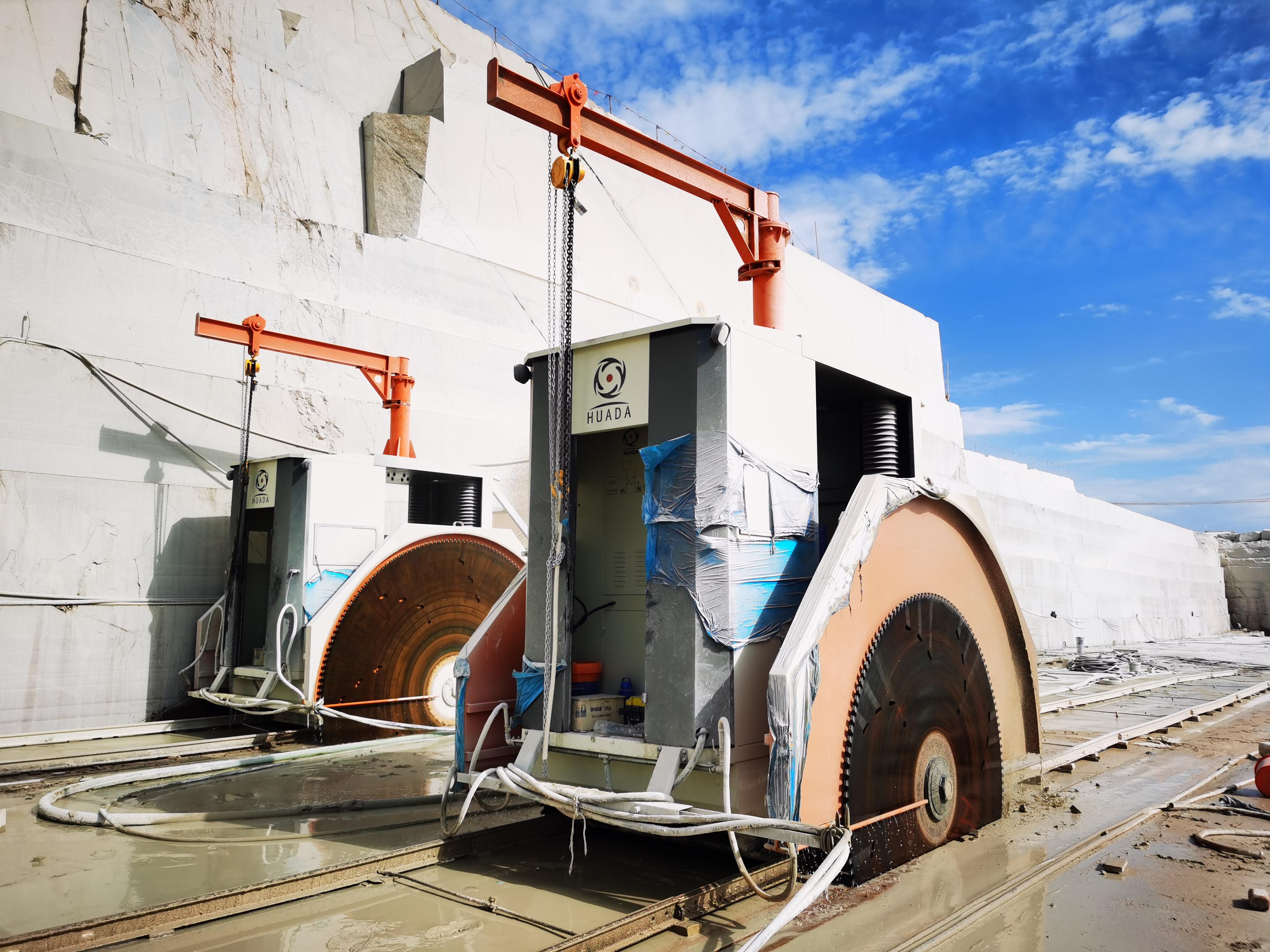
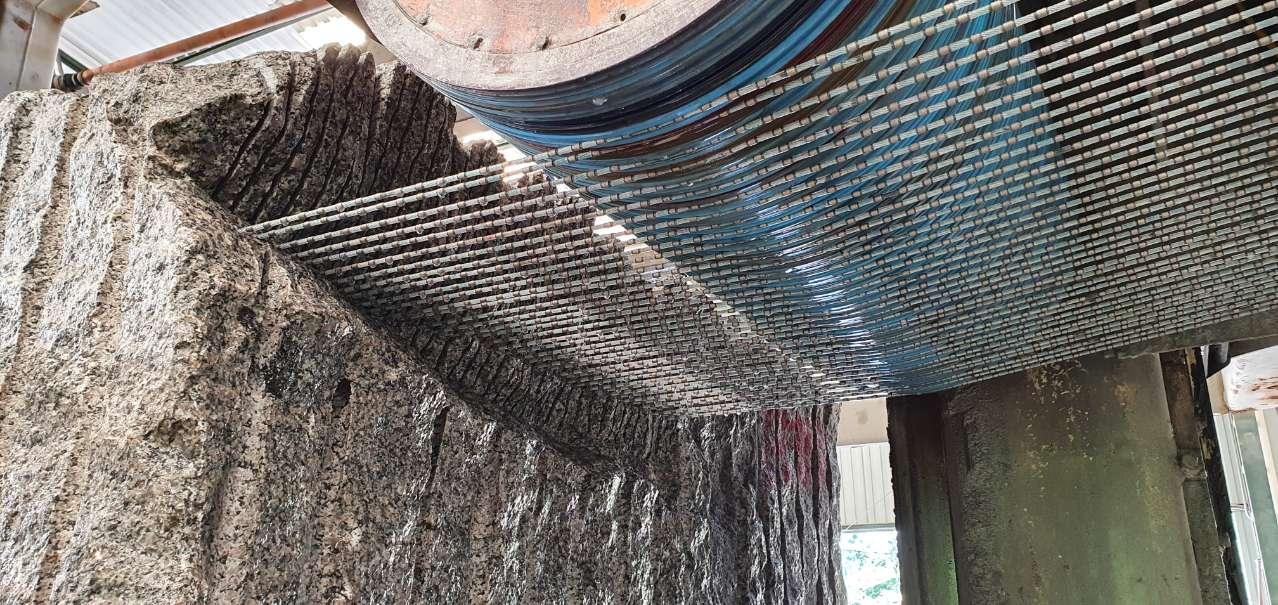
Before diving into the training requirements, it is crucial to understand what a stone chain saw machine is and how it operates. Unlike traditional saws, stone chain saws utilize a continuous loop of serrated chain linked around a guide bar, allowing for precise cuts in hard materials. This unique design makes them particularly effective for quarrying and sculpting stone. Operators need to familiarize themselves with the machine's components, including the engine, chain, and safety features, as part of their training.
Safety Training
Safety is paramount when operating heavy machinery, and a stone chain saw is no exception. Operators must receive thorough safety training that includes understanding potential hazards, such as flying debris, noise exposure, and the risk of entanglement. Training programs typically emphasize the importance of personal protective equipment (PPE), such as helmets, gloves, eye protection, and hearing protection. Additionally, operators learn about emergency procedures, safe operating distances, and proper handling techniques to minimize risks during operation.
Technical Skills Development
In addition to safety training, prospective operators must develop a strong foundation in technical skills related to operating the stone chain saw. This includes learning how to start and stop the machine correctly, adjust the chain tension, and change the cutting speed based on the material being worked on. Operators also need to understand how to read and interpret technical manuals and diagrams, which guide them in troubleshooting issues that may arise during operation. Hands-on training sessions are essential to build confidence and proficiency in using the machine.
Maintenance Training
Regular maintenance is critical for ensuring the longevity and performance of a stone chain saw machine. Operators should receive training on routine maintenance tasks, including cleaning, lubricating, and inspecting essential components. They must learn how to identify signs of wear or damage that could affect performance, as well as understand when to replace parts like the chain or the guide bar. Proper maintenance not only keeps the machine running efficiently but also enhances safety by preventing malfunctions during operation.
Operational Techniques

Effective operational techniques are vital for maximizing productivity and achieving high-quality cuts. Training programs should cover various cutting techniques, such as plunge cutting, horizontal cutting, and vertical cutting, tailored to different stone types and project requirements. Operators must learn how to control the machine's speed and pressure to prevent overheating and ensure clean cuts. Additionally, training should include strategies for working in different environmental conditions, such as wet or dusty environments, to enhance adaptability and effectiveness.
Regulatory Compliance and Certification
Many regions have specific regulations governing the operation of heavy machinery, including stone chain saws. Operators must be aware of these regulations to ensure compliance and avoid legal issues. Training programs often include information on local laws, certifications required for operation, and best practices for maintaining a safe work environment. Obtaining the necessary certifications demonstrates an operator's commitment to safety and professionalism, which can be beneficial for career advancement in the construction or mining industries.
Hands-On Experience

While theoretical knowledge is essential, hands-on experience is equally important for mastering the operation of a stone chain saw machine. Most training programs incorporate practical sessions where trainees can operate the machine under supervision. This real-world practice allows operators to apply what they have learned in a controlled environment, receive feedback from instructors, and build their skills progressively. It also helps to instill confidence, enabling operators to handle the machine effectively in actual job scenarios.
Continuous Learning and Skill Enhancement
The landscape of construction and machinery operation is constantly evolving, with new technologies and methods emerging regularly. Therefore, ongoing education and skill enhancement are crucial for operators of stone chain saw machines. Participating in refresher courses, workshops, and industry seminars can help operators stay updated on the latest trends, safety practices, and technological advancements. Continuous learning not only improves individual skills but also contributes to overall workplace safety and efficiency.
Conclusion

In conclusion, operating a stone chain saw machine requires extensive training that encompasses safety protocols, technical skills, maintenance practices, and operational techniques. By investing time in comprehensive training programs, operators can ensure they are well-prepared to handle the complexities of this powerful machinery. Moreover, a commitment to continuous learning and adherence to regulatory standards will further enhance safety and efficiency in the workplace. Ultimately, the right training not only protects the operator but also ensures the successful completion of projects involving stone cutting and shaping.
Define the application before comparing equipment
For “What type of training is required to operate a stone chain saw machine?,” write down stone type, bench geometry, required cut depth, chain and arm configuration, power source and site access. This separates a real project requirement from a search phrase and gives every supplier the same boundary. The proposed stone chain saw machine can then be checked against the material, site and required result instead of being accepted by name alone.
Use evidence that can be retained
A practical review of “What type of training is required to operate a stone chain saw machine?” should retain a stone-specific trial, chain and insert specification, cut geometry and maintenance plan. Photographs and brochures help identify the offered configuration, but they do not replace a test condition, measured result or signed scope. Record settings for chain condition, lubrication or cooling, guide-arm alignment, feed pressure and cutting direction so the accepted result can be repeated.
Control the main operating risk
The recurring risk in “What type of training is required to operate a stone chain saw machine?” is using a chain, feed setting or guide-arm arrangement that is not matched to the stone and cut. Set a stop condition, assign who checks the machine and tool, and keep changes traceable. If the result moves outside the agreed window, investigate the material, alignment, tooling and utilities before adding load or speed.
Decision and acceptance table
| Decision point | What to define | Evidence to keep |
|---|---|---|
| Application | stone type, bench geometry, required cut depth, chain and arm configuration, power source and site access | Written job or product brief |
| Operating window | chain condition, lubrication or cooling, guide-arm alignment, feed pressure and cutting direction | Recorded trial settings and observations |
| Acceptance | a stone-specific trial, chain and insert specification, cut geometry and maintenance plan | Signed sample, cut record or inspection note |
| Risk control | using a chain, feed setting or guide-arm arrangement that is not matched to the stone and cut | Named corrective action and stop condition |
Buyer and operator checklist
- Material and cut or hole dimensions for What type of training is required to operate a stone chain saw machine?
- Offered stone chain saw machine configuration and included tooling
- Power, water, compressed air, access and lifting requirements
- Settings and checks covering chain condition, lubrication or cooling, guide-arm alignment, feed pressure and cutting direction
- Factory or site acceptance method and responsible people
- Training, critical spares, manuals and service response boundary
Frequently asked questions
What should be confirmed first for What type of training is required to operate a stone chain saw machine??
For What type of training is required to operate a stone chain saw machine?, start with stone type, bench geometry, required cut depth, chain and arm configuration, power source and site access. Those inputs determine whether the proposed stone chain saw machine and tool are relevant.
How should performance for What type of training is required to operate a stone chain saw machine? be verified?
For What type of training is required to operate a stone chain saw machine?, use a stone-specific trial, chain and insert specification, cut geometry and maintenance plan. Keep the material, operating conditions and acceptance criteria with the result.
Which settings matter during What type of training is required to operate a stone chain saw machine??
For What type of training is required to operate a stone chain saw machine?, record chain condition, lubrication or cooling, guide-arm alignment, feed pressure and cutting direction. A result without its settings is difficult to reproduce or compare.
When should work on What type of training is required to operate a stone chain saw machine? be paused?
For What type of training is required to operate a stone chain saw machine?, pause when the workpiece, support, guarding, utilities or cutting condition is unsafe, or when using a chain, feed setting or guide-arm arrangement that is not matched to the stone and cut is observed.