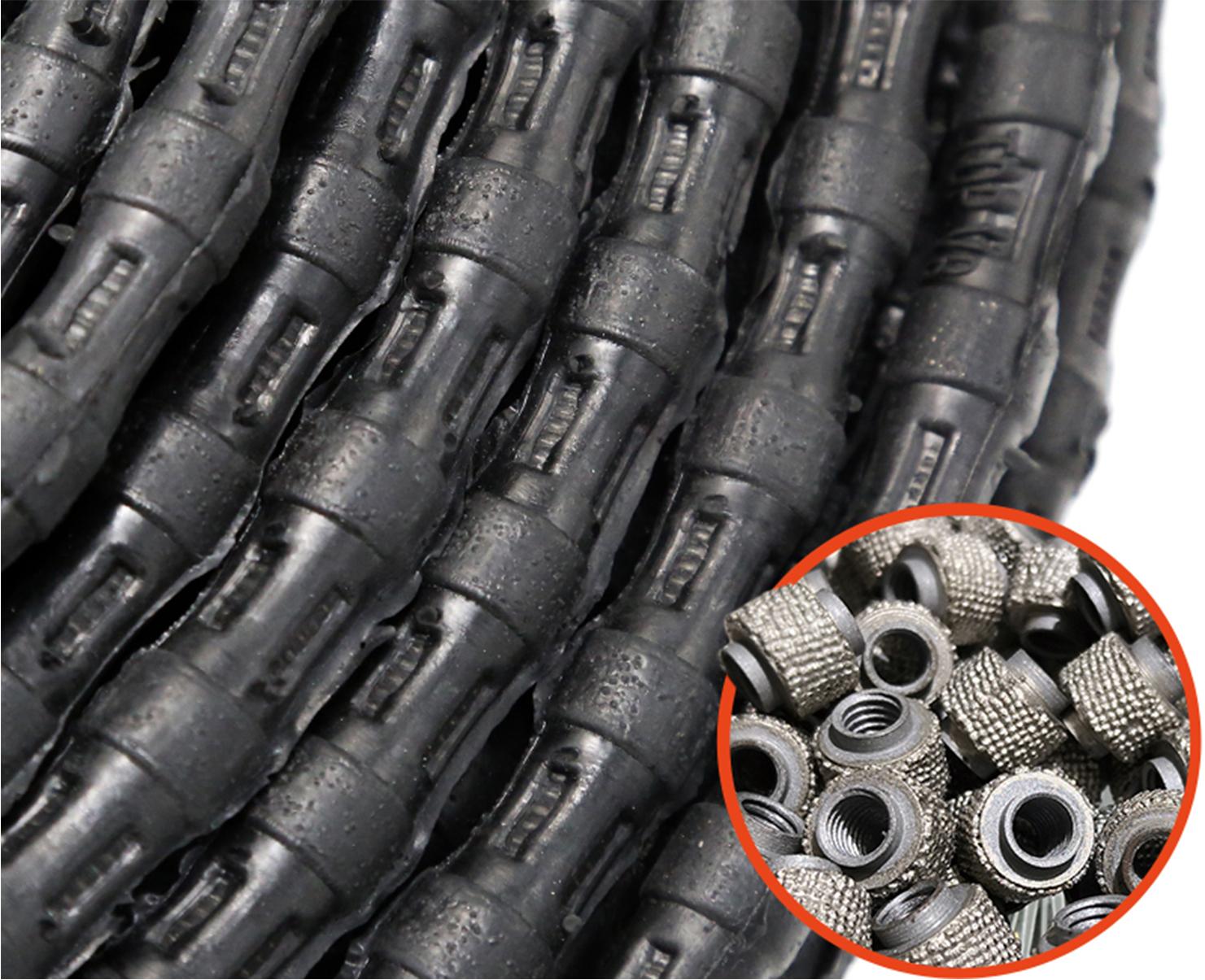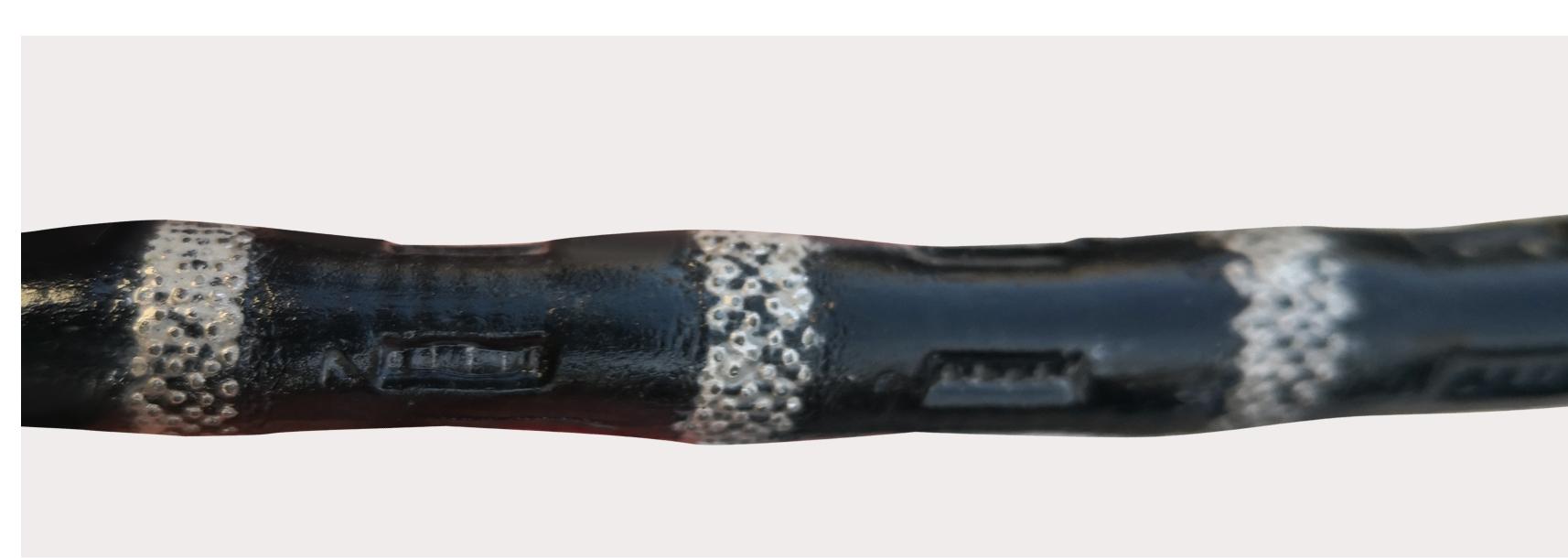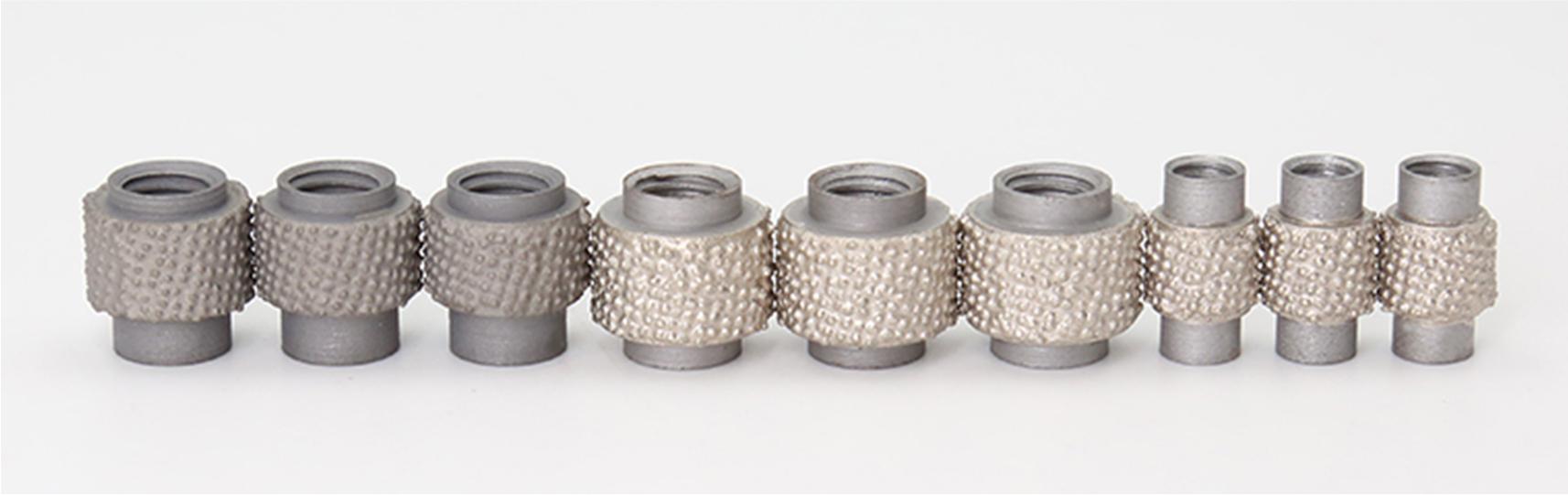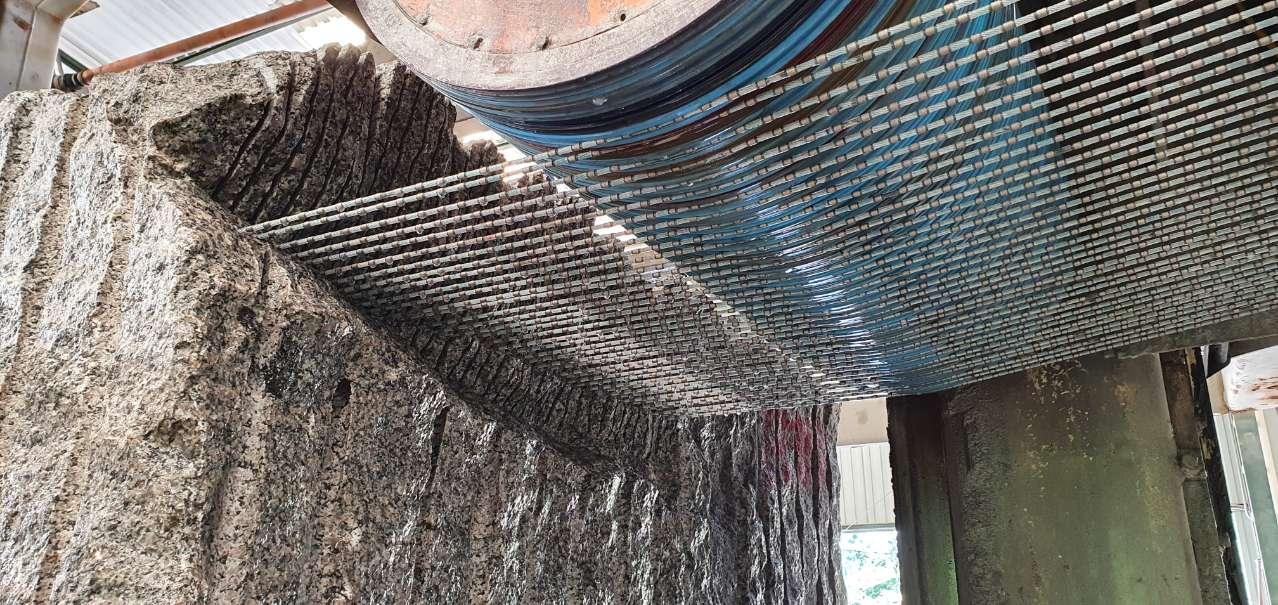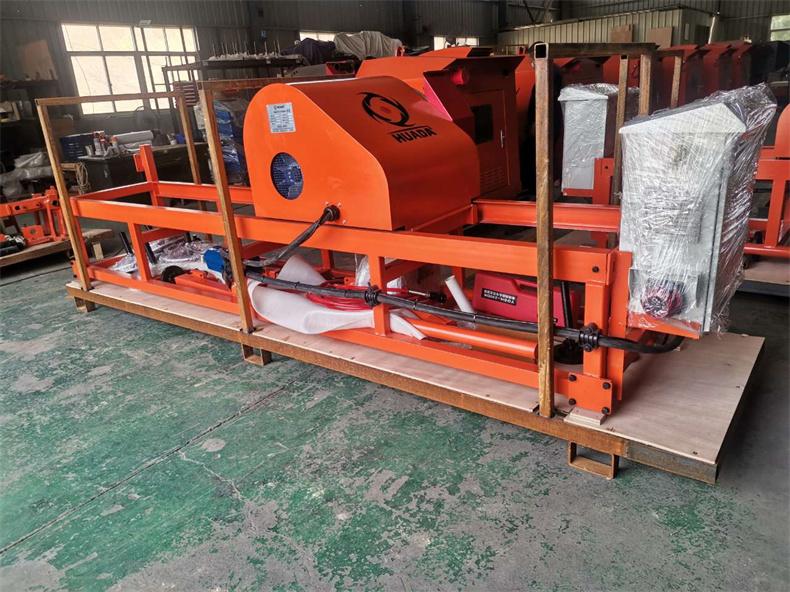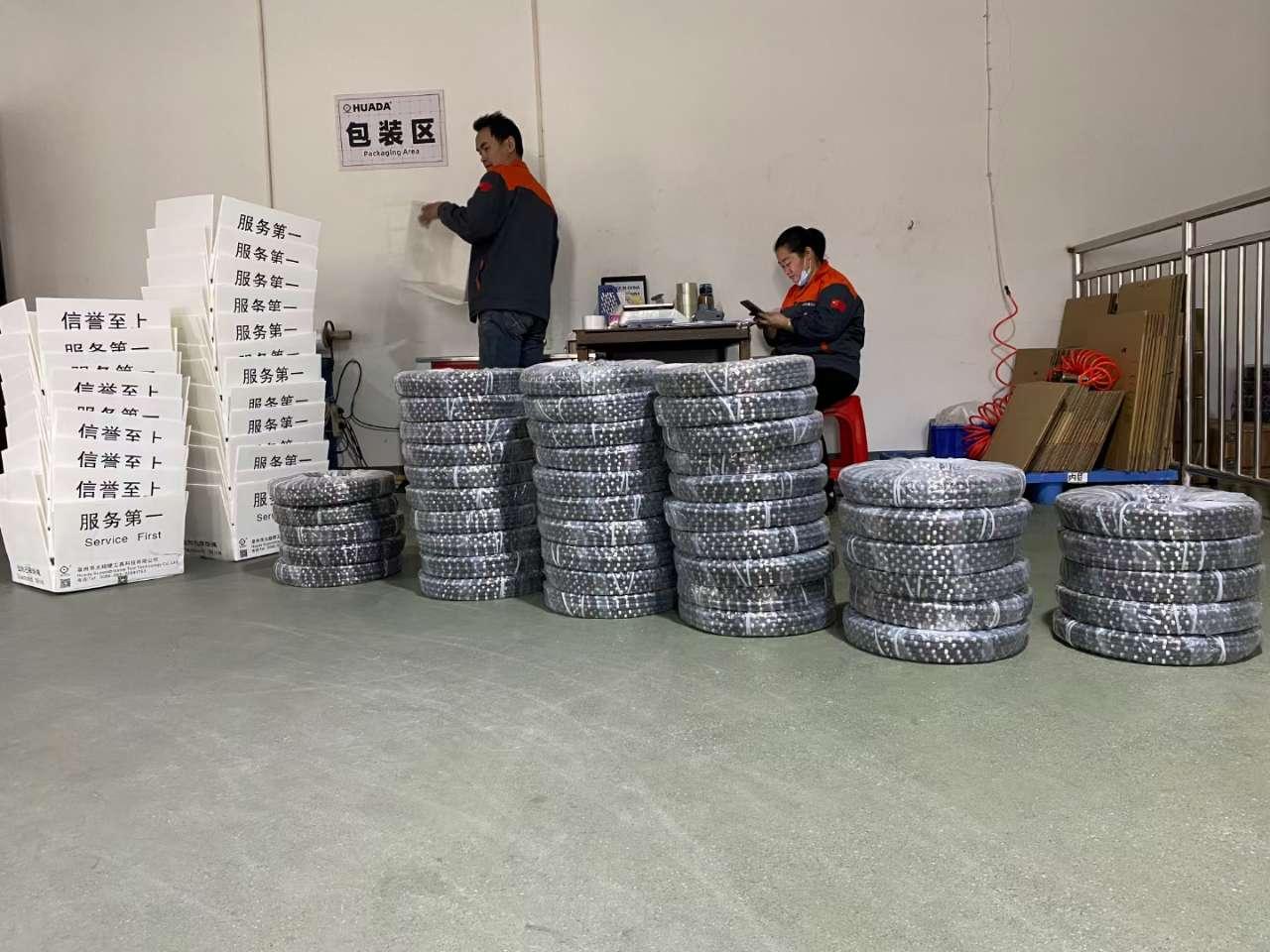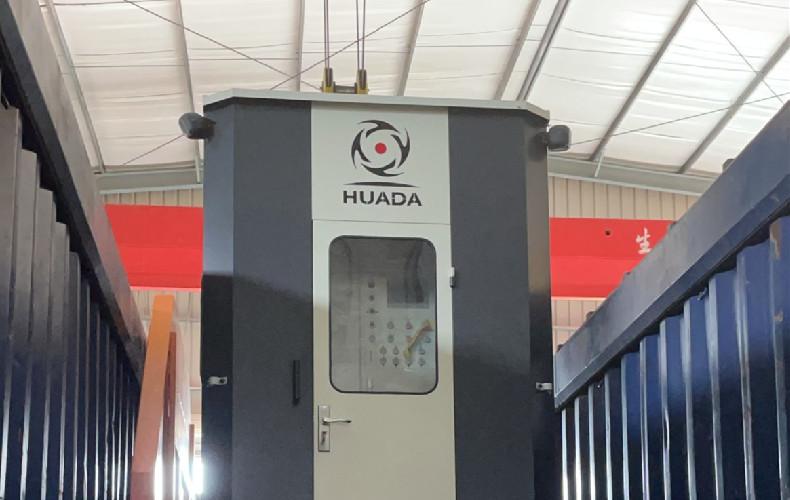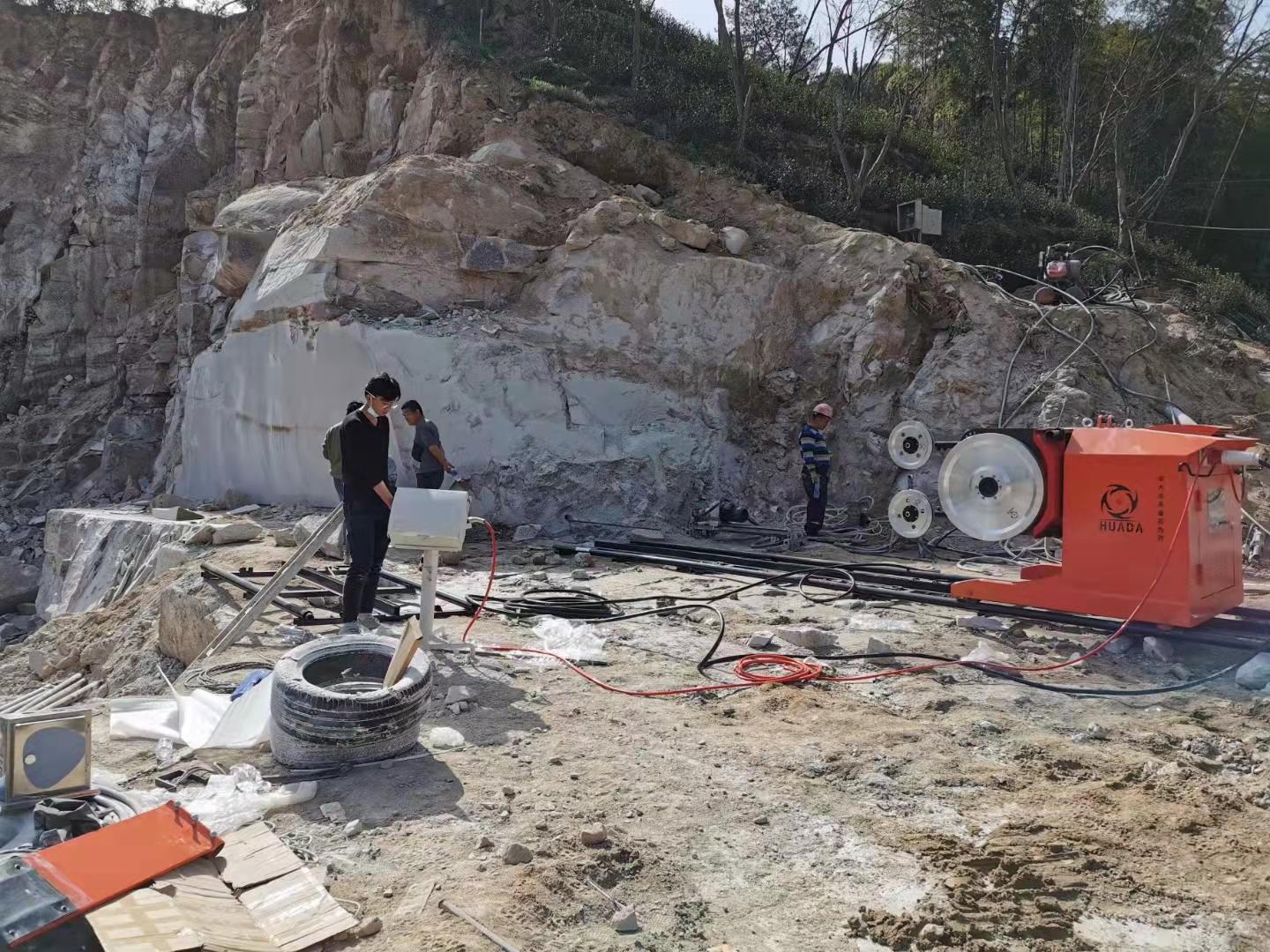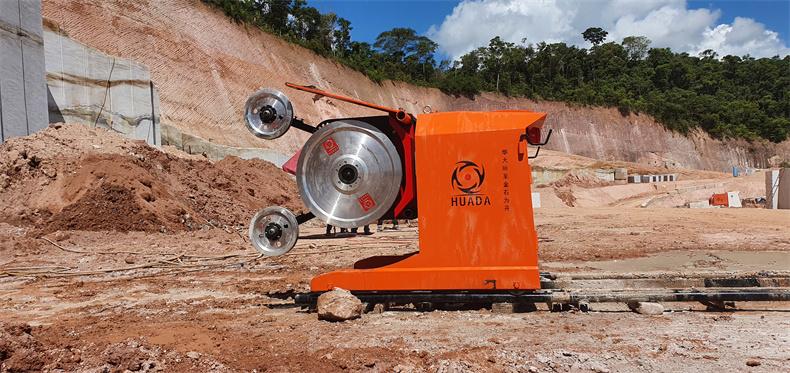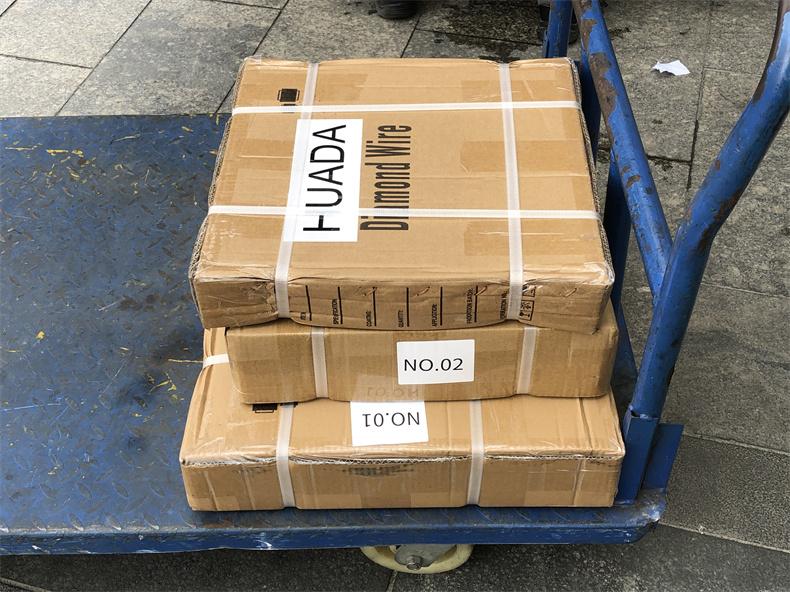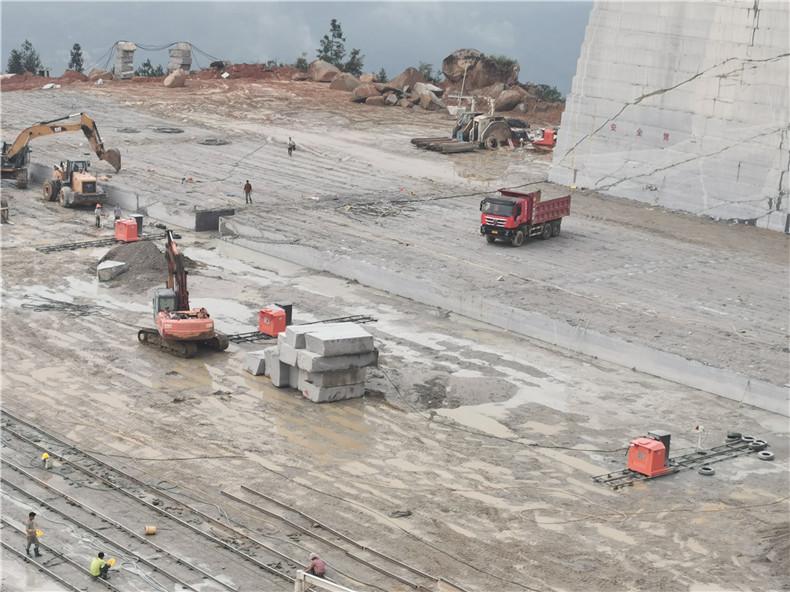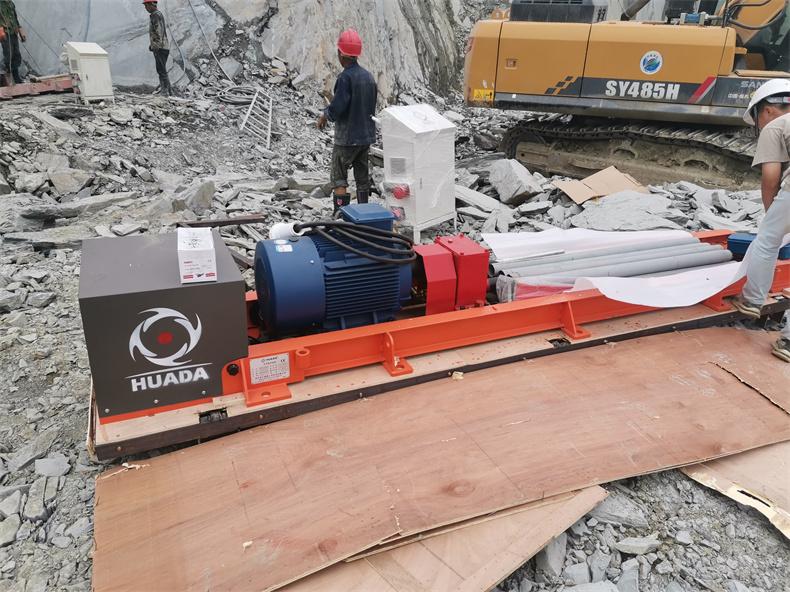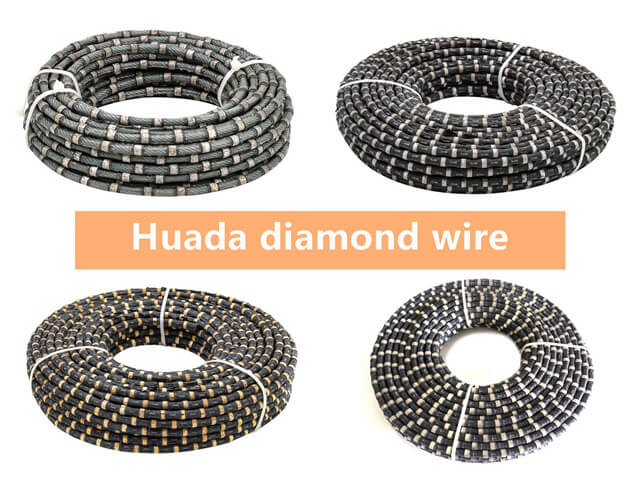

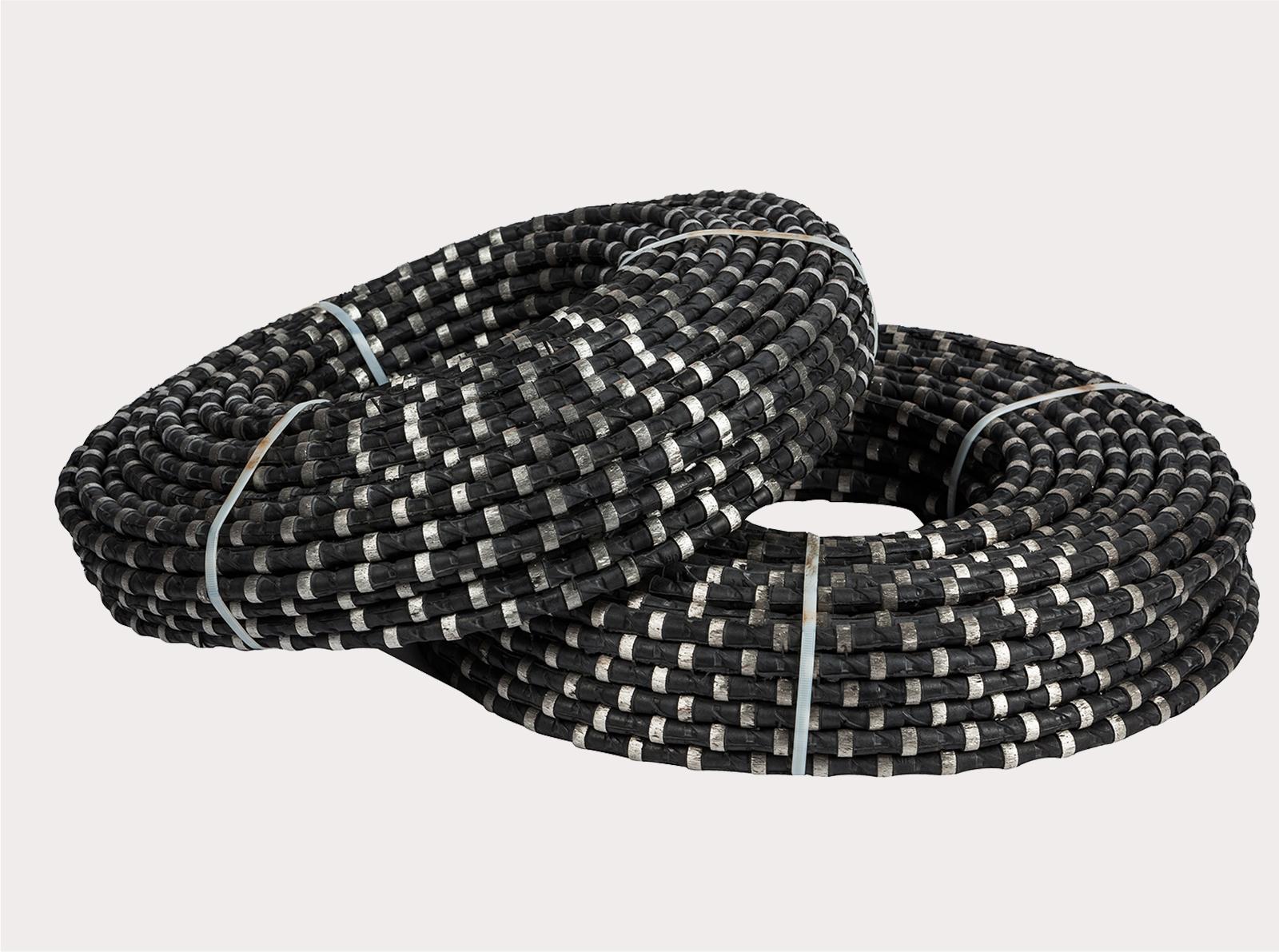
This vacuum-brazed diamond wire is positioned for reinforced-concrete cutting and also names stone, granite, non-ferrous metals, foam ceramics, windmill blades and underwater work. The supplied construction must be matched to the actual material rather than this broad application list.
Vacuum-brazed cutting boundary
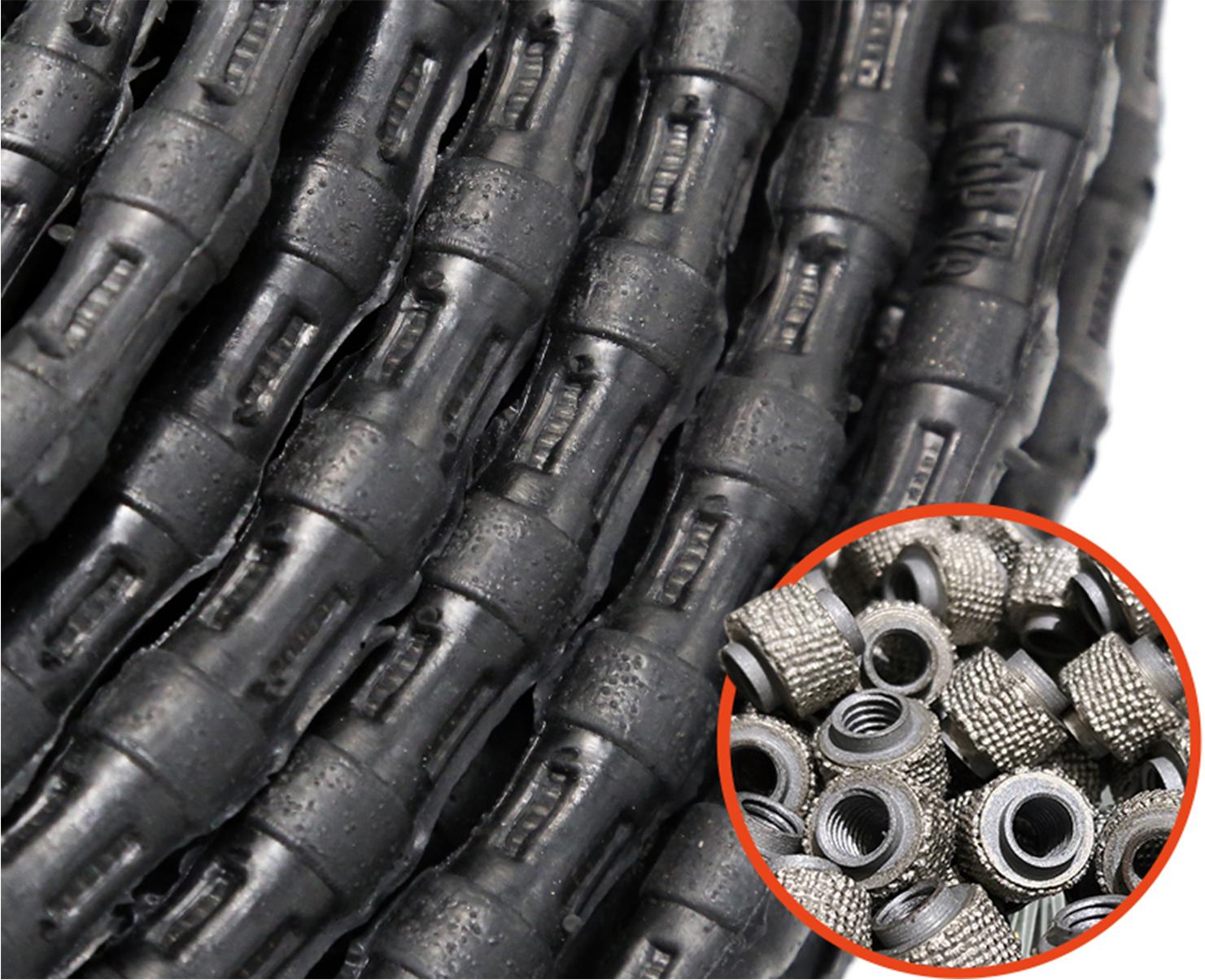
The source describes exposed diamond and a strong bond as benefits of vacuum brazing, with smooth or complex cuts and resistance to reinforced-material loads. These are general product claims. For a structural opening or demolition cut, document concrete thickness, reinforcement, embedded steel, access and the supported piece-removal sequence. For stone or other materials, provide a representative sample and separate cutting objective.
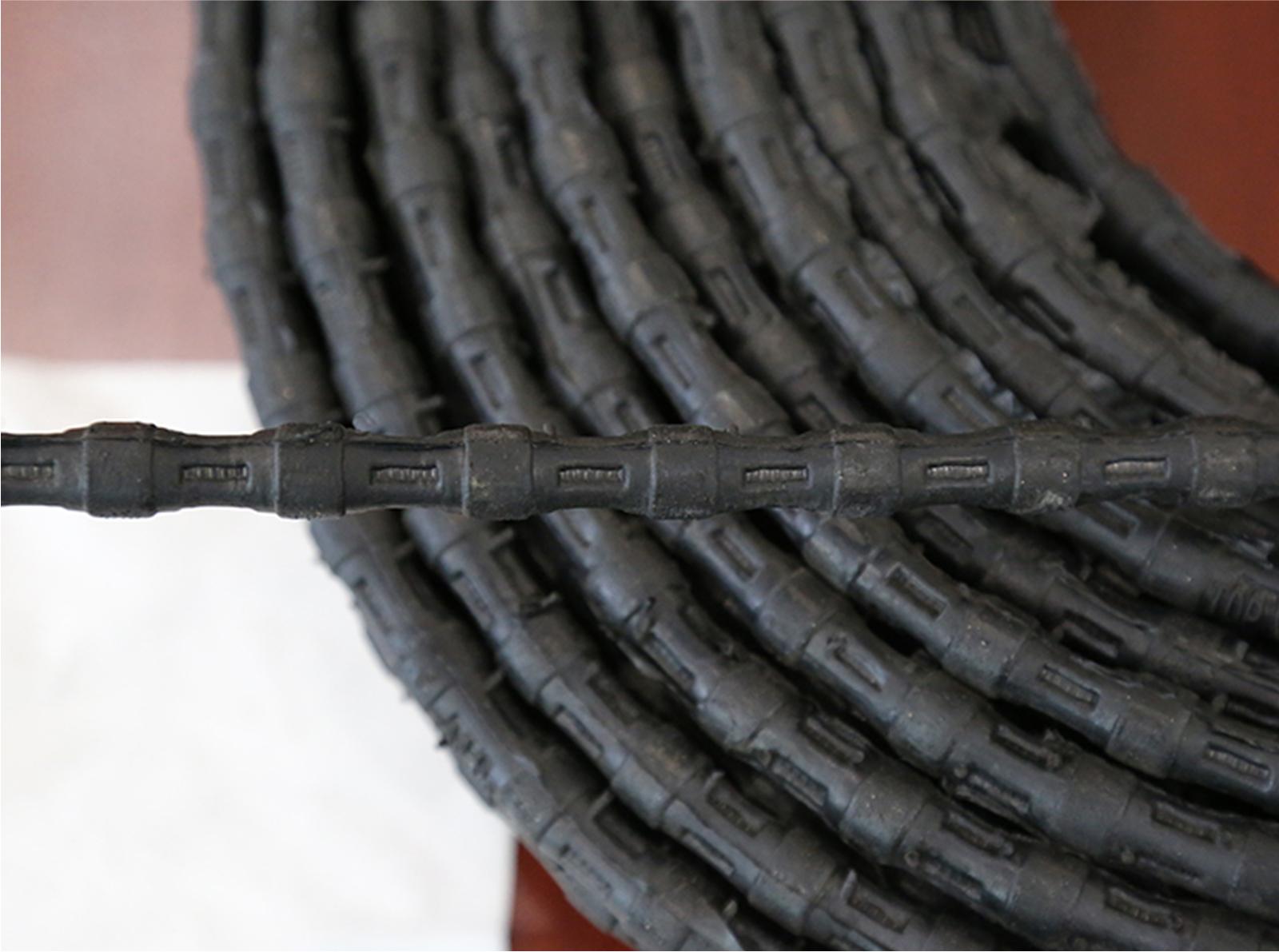
Rubber-spring and plastic constructions
| Assembly | Saved specification | Beads per metre |
|---|---|---|
| Rubber + spring | 10.2 × 6.0 mm | 44 / 48 |
| Rubber + spring | 9.2 × 6.0 mm | 44 / 53 |
| Plastic | 3.5 × 6.5 mm | 43 |
| Plastic | 4.2 × 6.0 mm | 43 |
| Plastic | 4.5 × 7.0 mm | 45 |
A separate saved parameter block also lists rubber-plus-spring entries of 11.5 × 7.0, 10.5 × 7 and 10.2 × 6 mm with 40/44 or 44/48 beads per metre. Ask Huada to identify the selected source row and application in the offer.
Reinforced-concrete trial sheet
- Structure, reinforcement and cut sequence
- Wire-saw, pulley anchors and available path
- Assembly, bead specification and supplied batch
- Cooling and operating settings
- Cut area, time and wire-condition record
Do not use a result on foam ceramic or stone as proof of reinforced-concrete performance. Keep the material, setup and wire label together so the factory can recommend matching parameters for a repeat application.
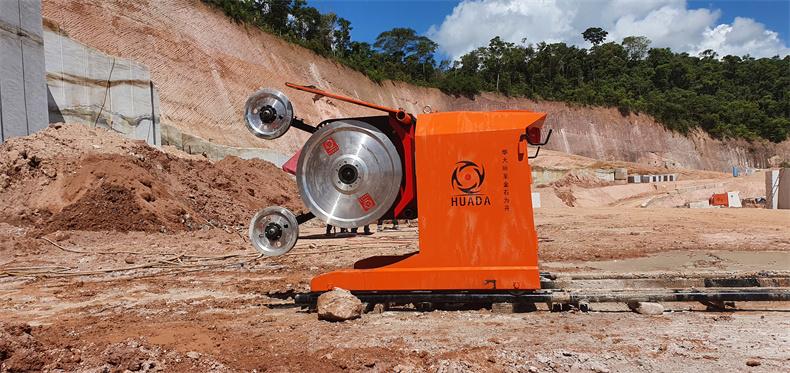
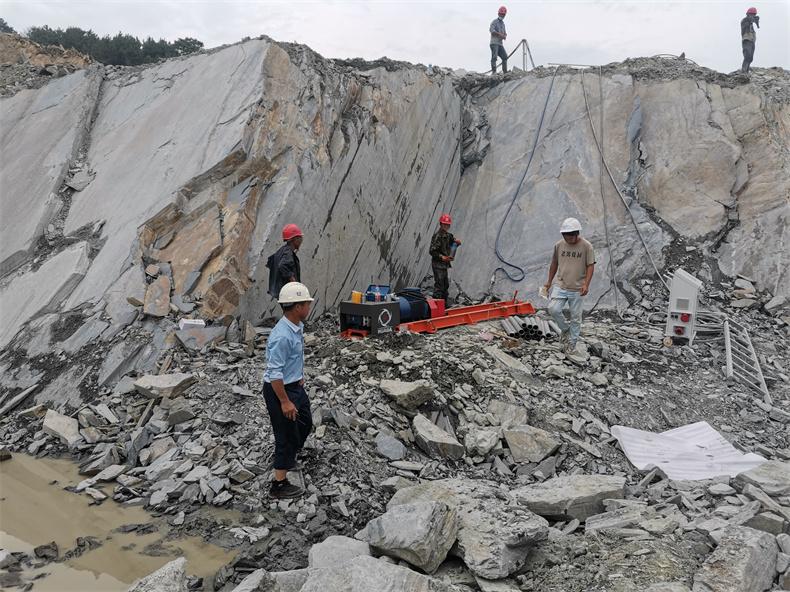
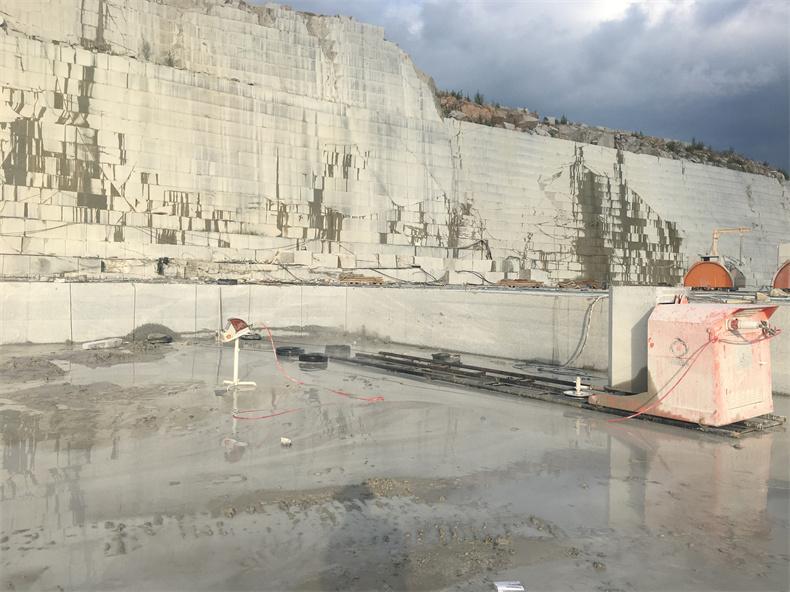
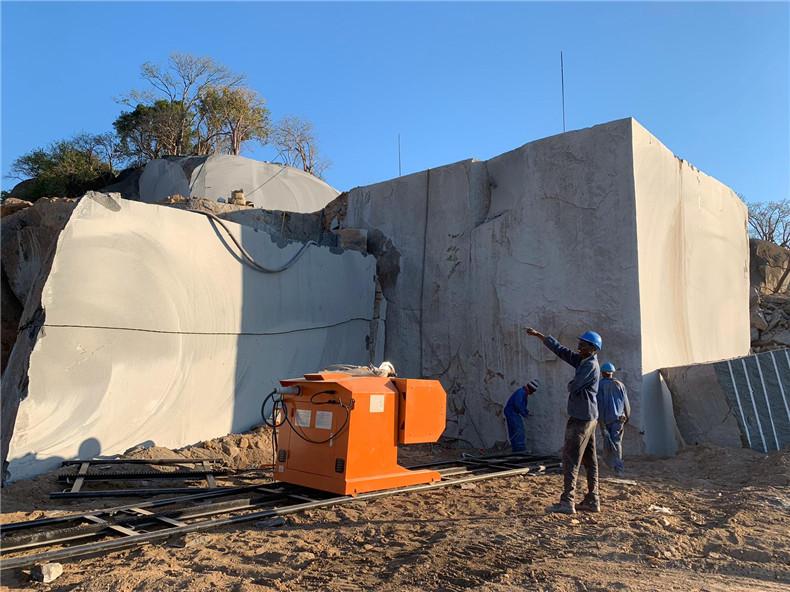
Original product images