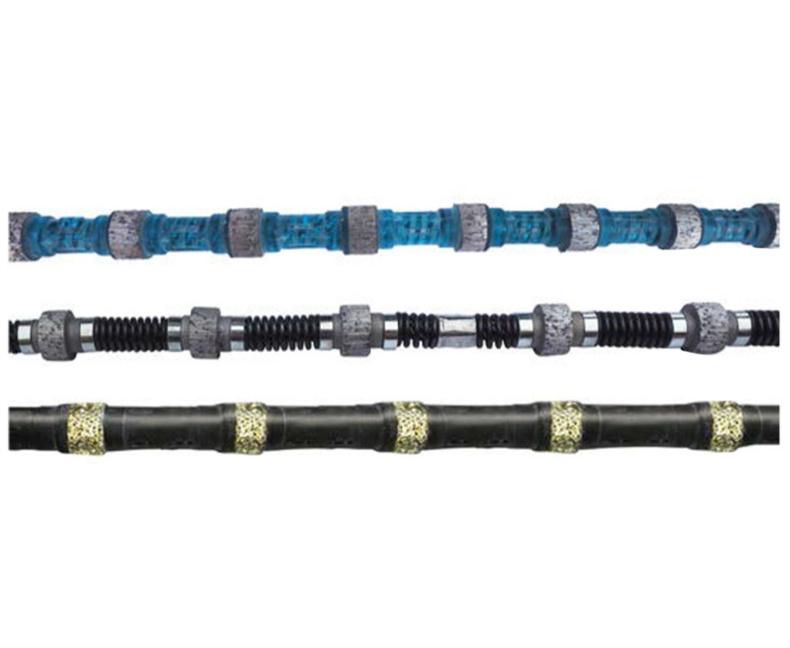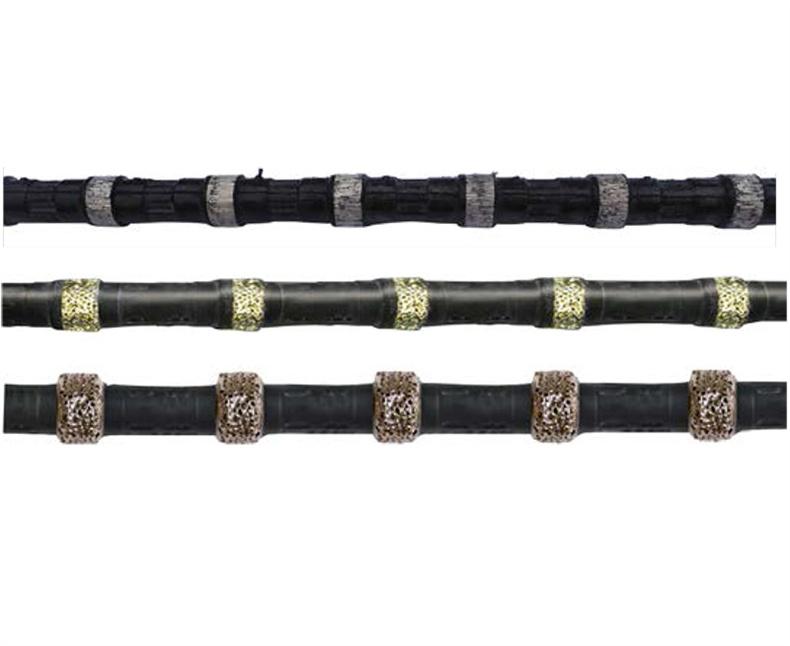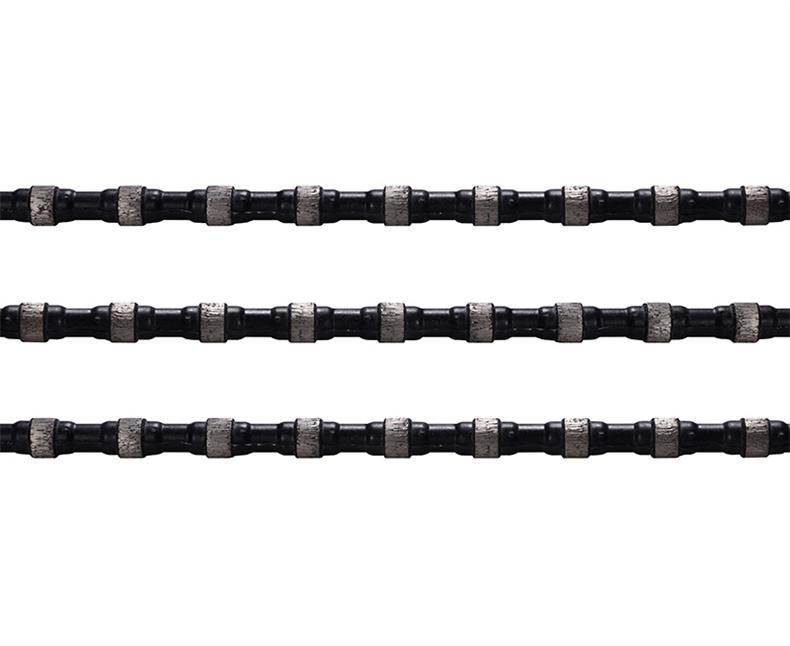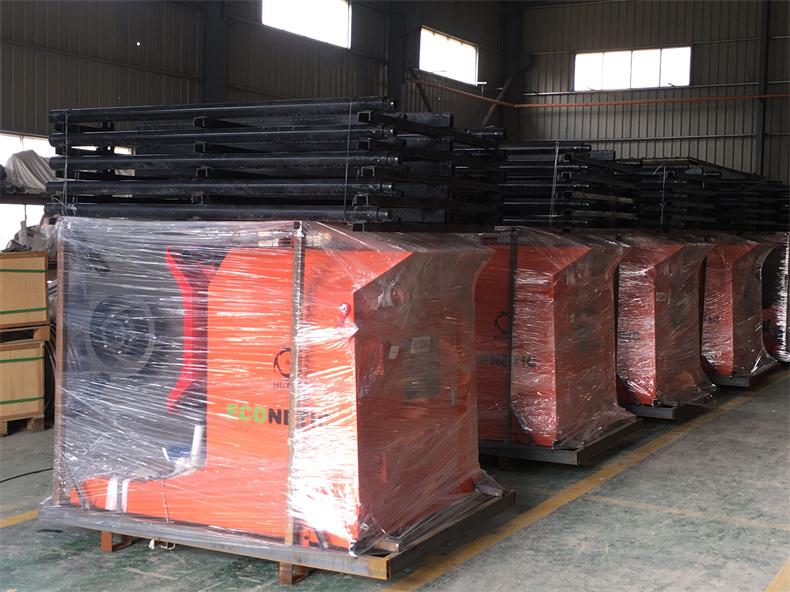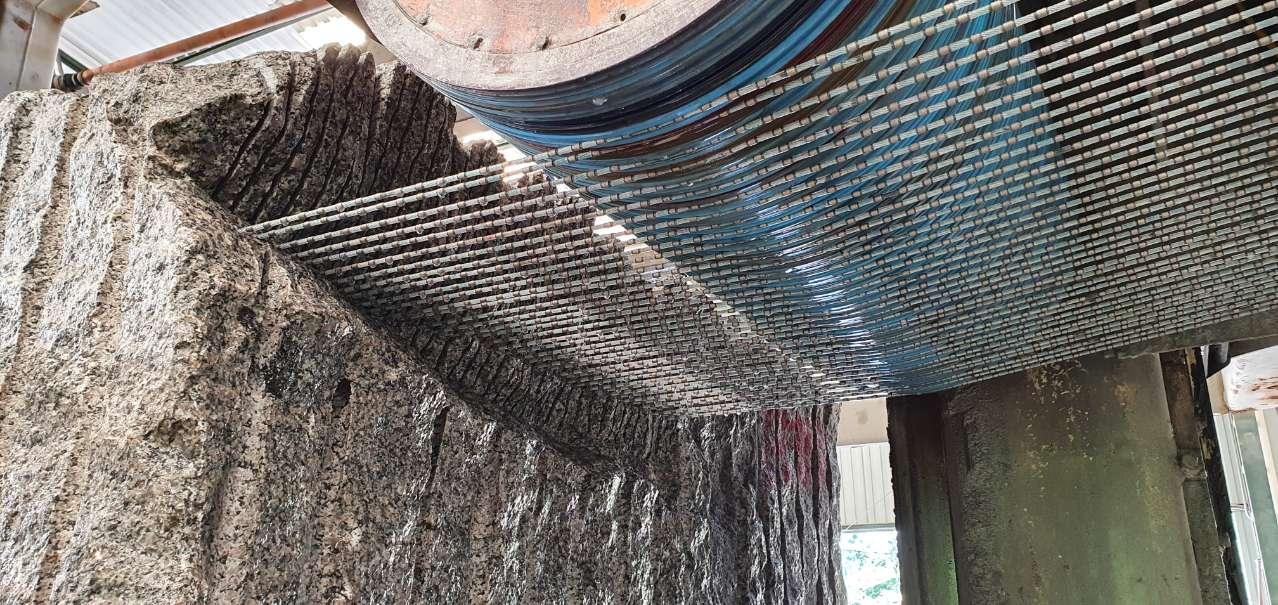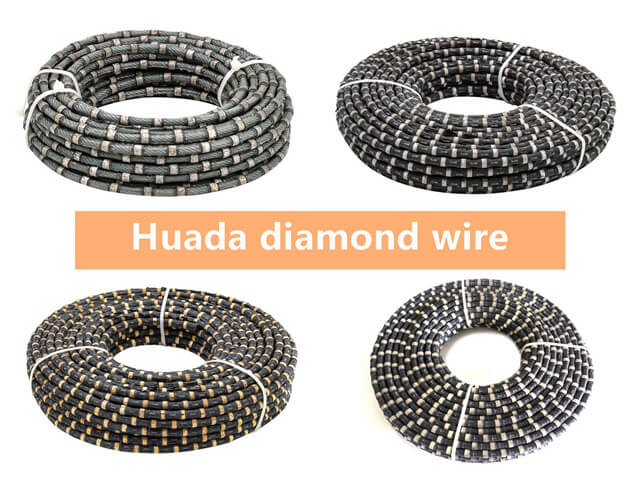

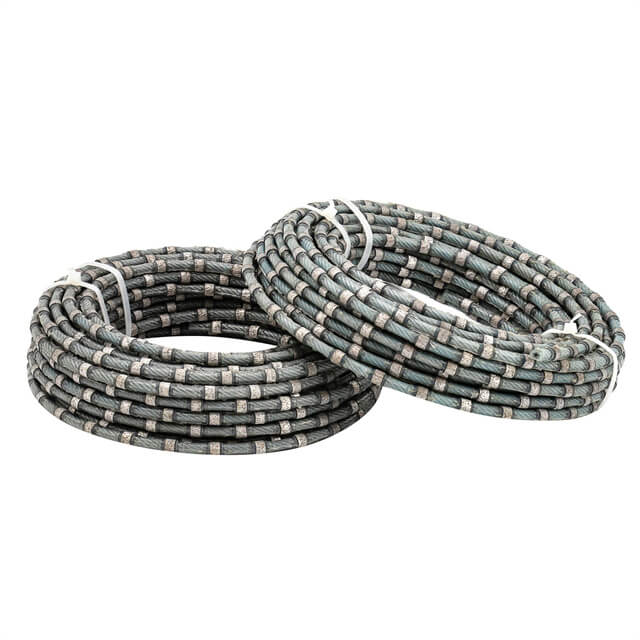
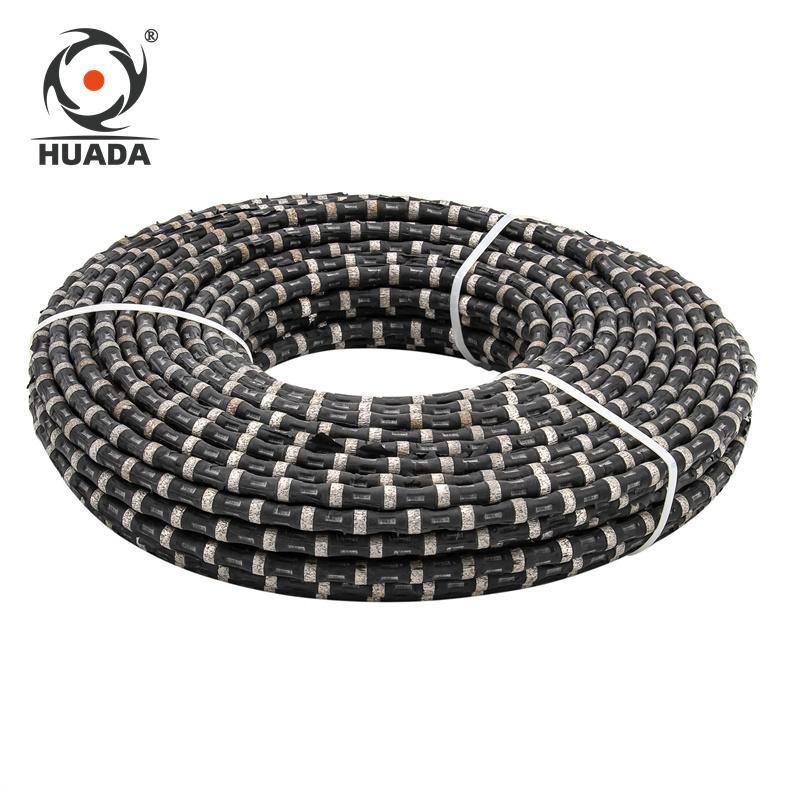
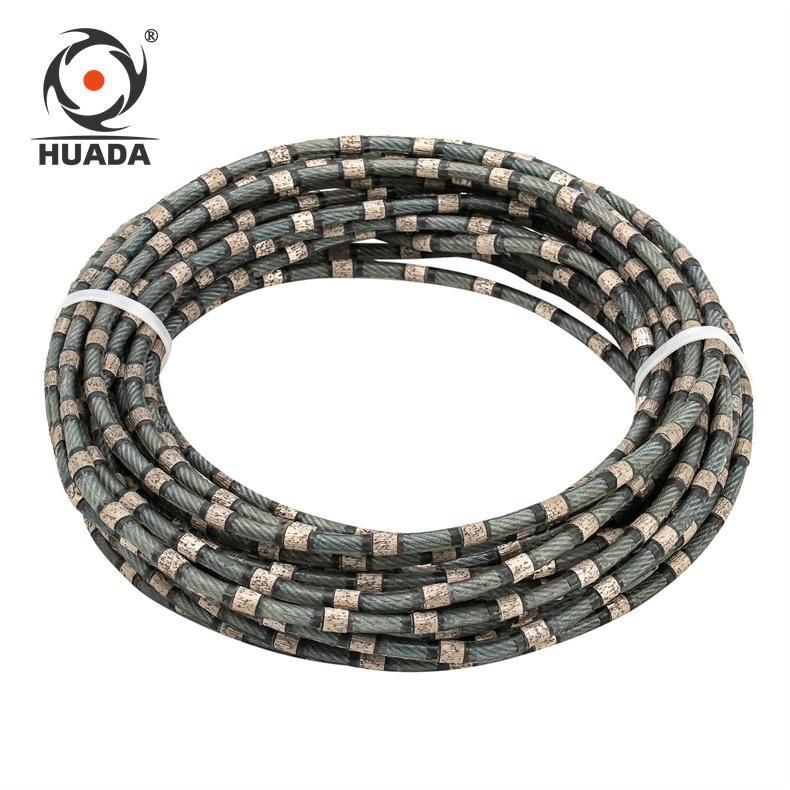
This factory diamond wire is for multi-wire saws processing blocks into slabs. The saved page fixes bead density at 37 beads per metre and varies speed/output ranges with soft, medium or hard/quartzite stone.
Small-diameter plastic-assembled range
| Stone group | Diameter options | Wire speed | Listed cutting speed | Production |
|---|---|---|---|---|
| Soft | Φ8.5 / 7.3 / 6.3 / 5.3 mm | 30–33 m/s | 1.2–1.5 m²/h | 10–15 m²/m |
| Medium | Same listed options | 28–32 m/s | 0.6–1.2 m²/h | 8–12 m²/m |
| Hard / quartzite | Same listed options | 26–32 m/s | 0.4–0.6 m²/h | 5–8 m²/m |
Assembly is listed as plastic for the table.
Match the whole multi-wire set
Provide machine model, number of wires, pulley condition, target slab thickness and stone. A wire-by-wire layout helps track position and wear. The old claims about yield, speed, power, smooth slabs and noise need a complete-block test under recorded conditions.
Factory trial record
- Stone/block dimensions and hardness group
- Machine and complete wire-set layout
- Diameter, 37 beads/m and plastic assembly
- Tension, speed and water distribution
- Slab thickness, surface, time and wire use by position
Measure several slab positions across the block and mark each wire's place in the set. A single average can hide an alignment, tension or water problem on one side. Retain the set layout, pulley inspection and accepted slab measurements with the supplied wire production batch. Record every wire-position change and its reason before starting the next comparable block, allowing a traceable comparison between production runs.