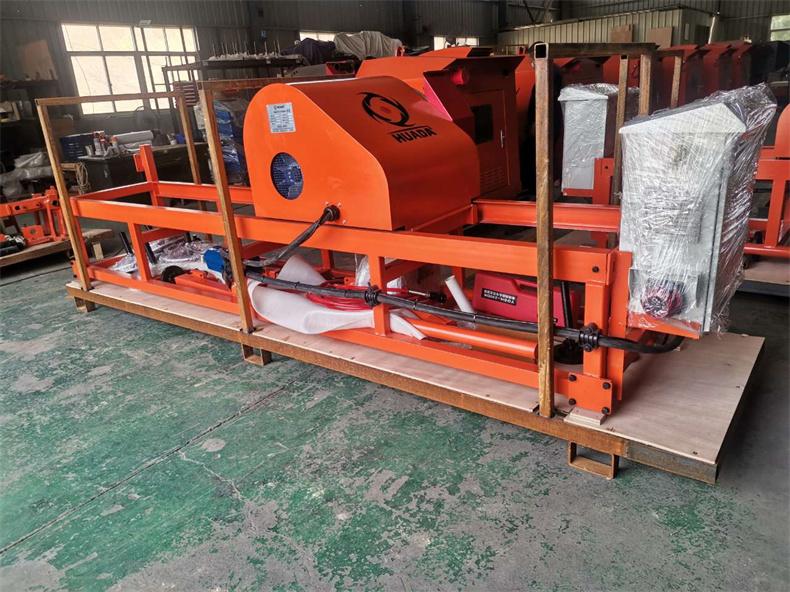

What the archived quarry-wire record can identify
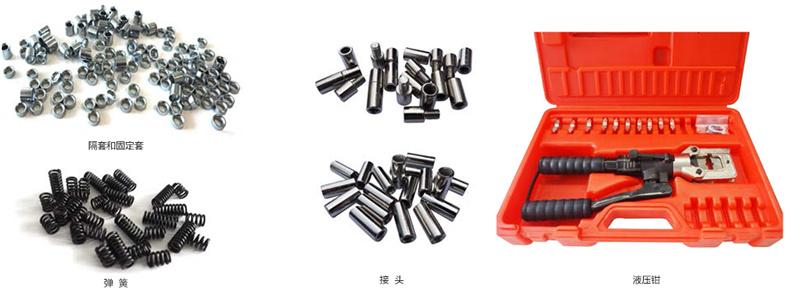
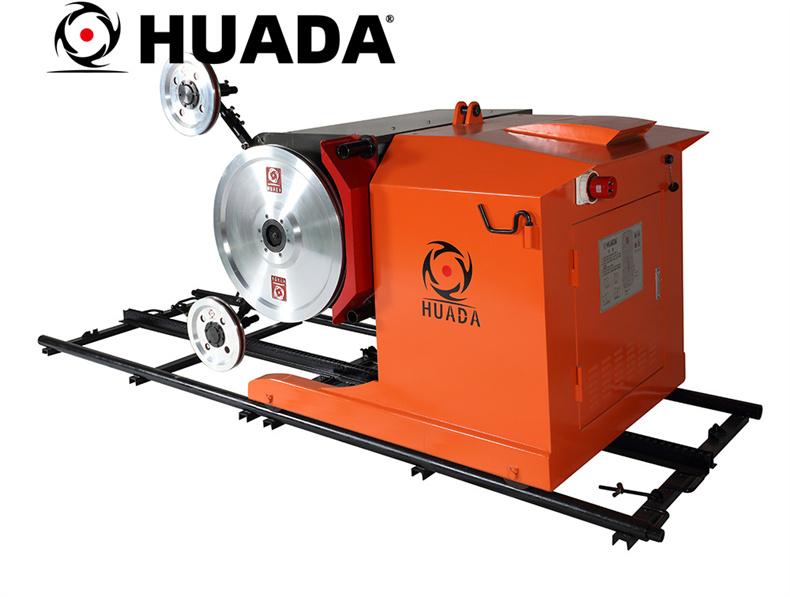
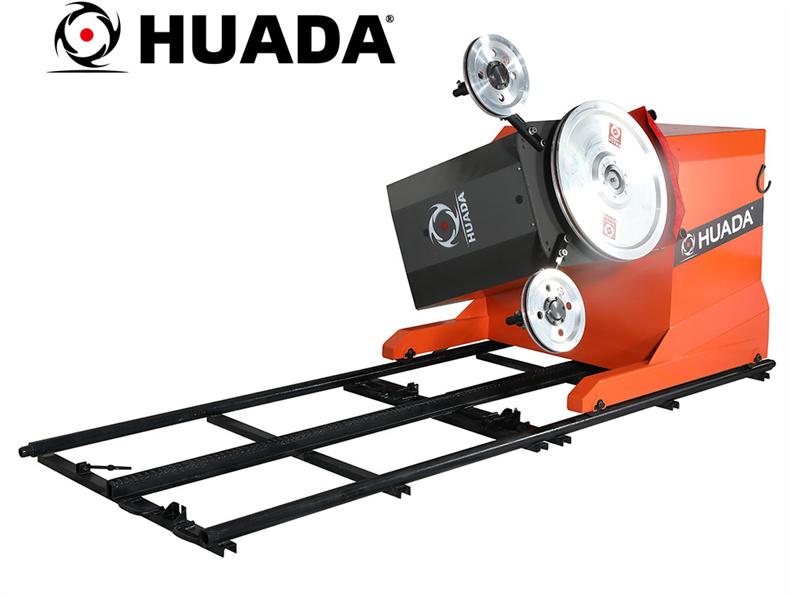
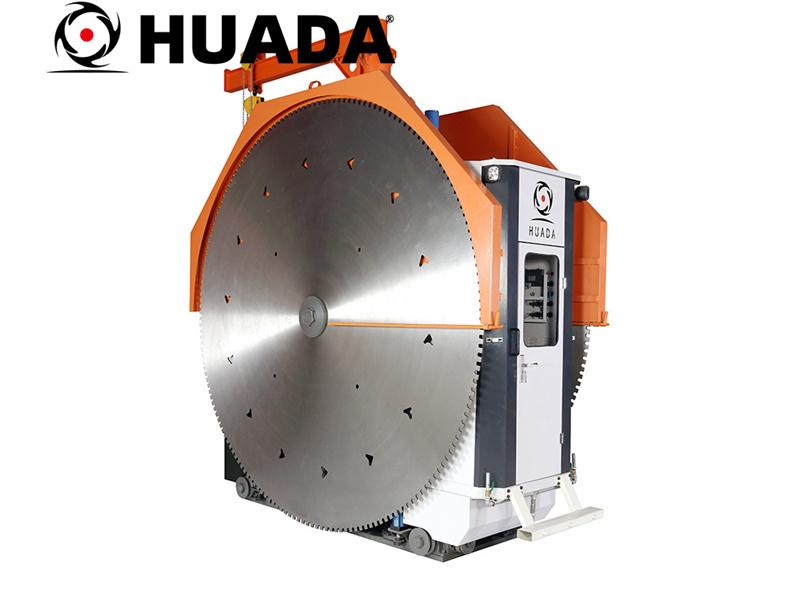
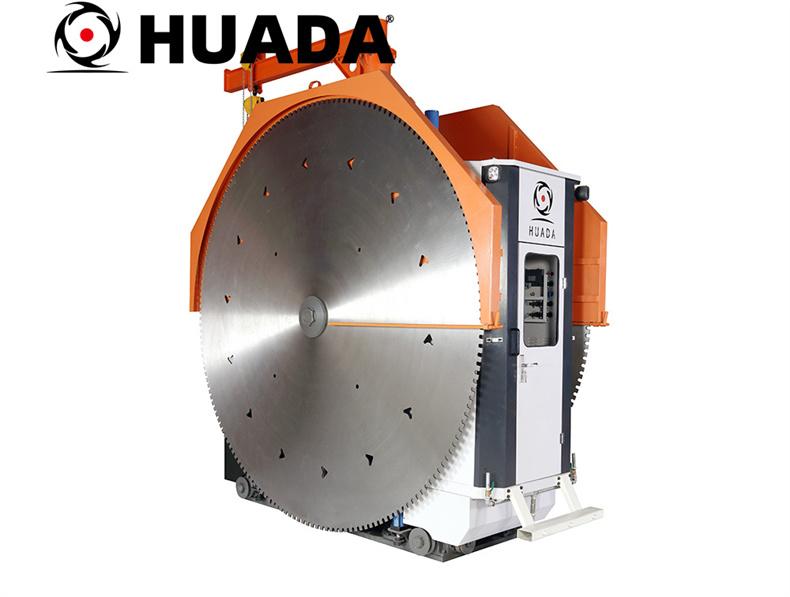
The archive names a wire, diamond segments, a saw head, pulleys, a power source, and control topics. Those labels describe a system vocabulary, not a verified operating sequence. The record does not identify an exact wire SKU, bead or bond construction, drive or control configuration, quarry, geology, stone, path plan, manual, or measured test.
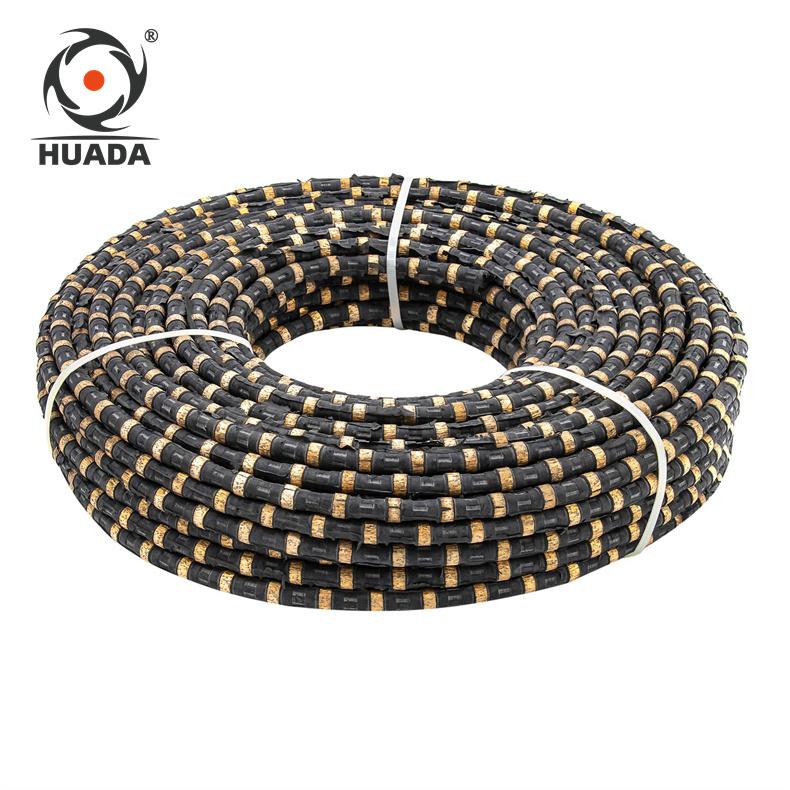
Component words remain labels
- Cutting element
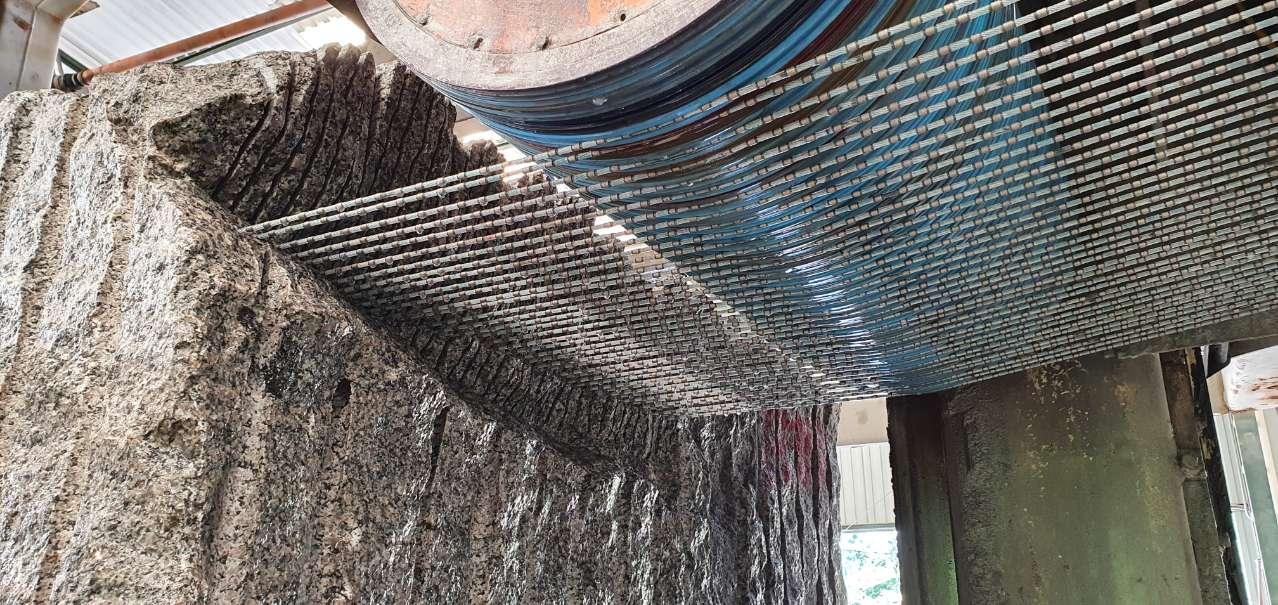
- The source names wire and diamond segments, but supplies no attributable SKU, bead geometry, bond, carrier, or manufacturer document.
- Machine-side elements
- Saw head, pulley, power, and control topics appear without an exact model, configuration record, drawing, or approved manual.
- Site-side elements
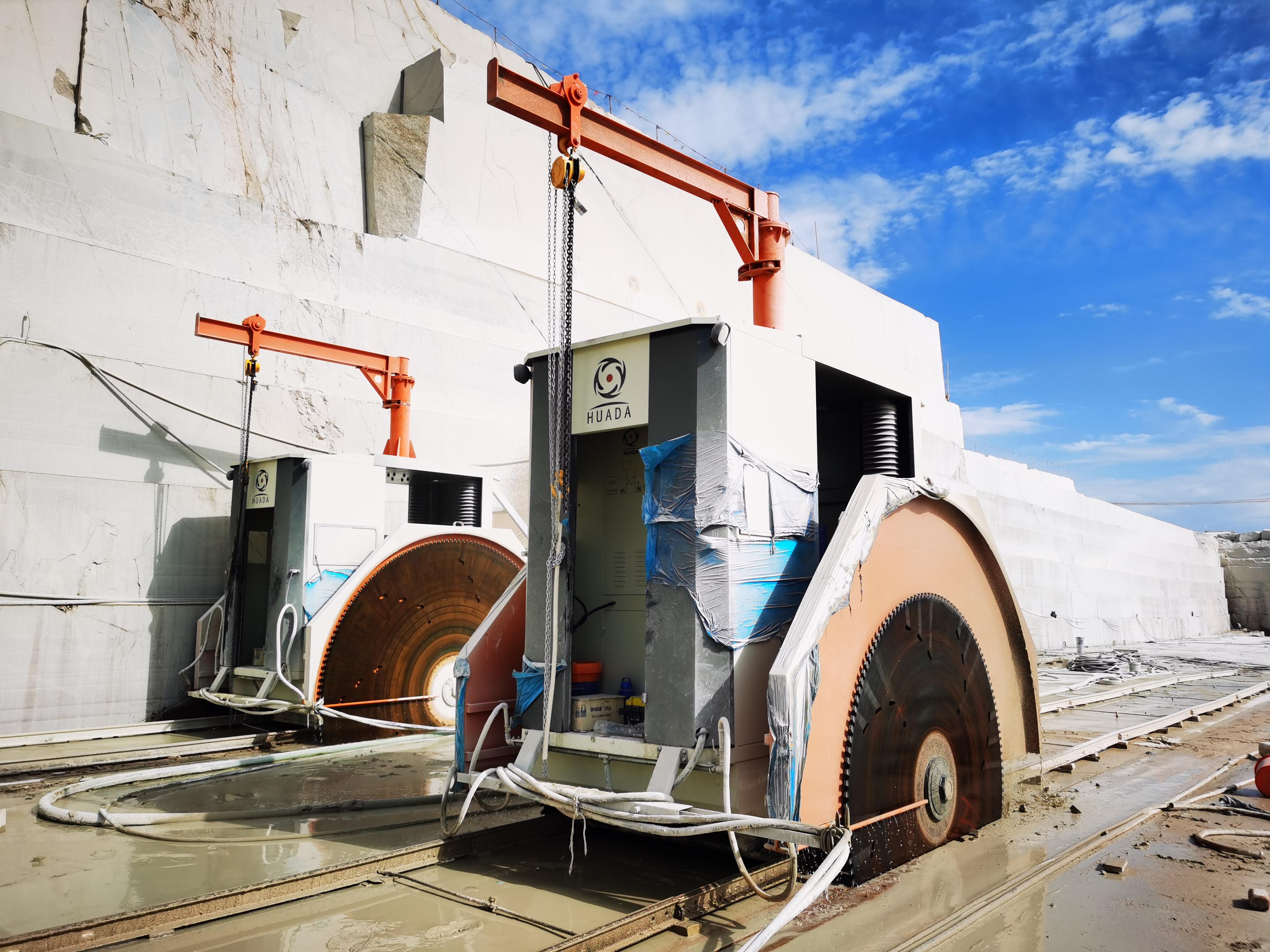
- No identified quarry, face, geology, stone condition, route drawing, or project record connects those labels to one application.
Reading the labels separately preserves what the archive contains while avoiding a claim that the components belong to one documented system.
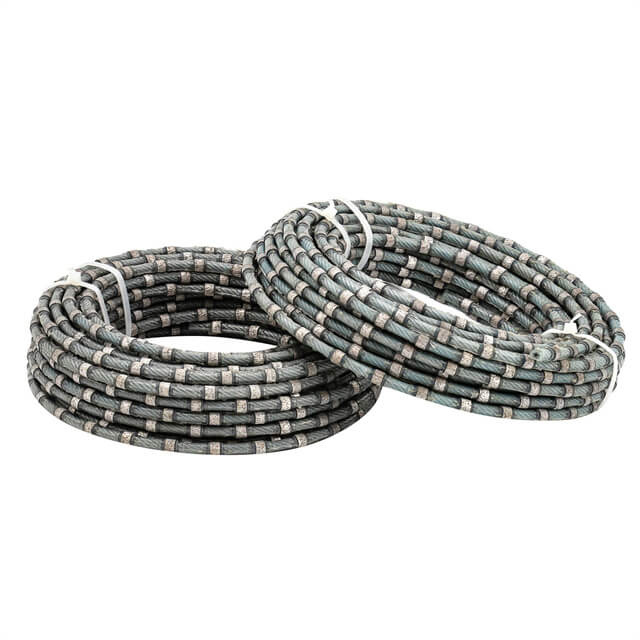
Evidence needed before a mechanism claim
- Identity: an exact machine and wire specification tied to the same record.
- Context: an attributable quarry, geology, stone condition, and approved path document.
- Authority: the applicable manufacturer manual and site-approved engineering record.
- Observation: a dated test with a defined method and attributable measurements.
Without that chain, the archive cannot establish how a particular system works at a particular quarry or whether it is suitable there.
How to use this record responsibly
The defensible use is archival: it preserves six system-topic labels and three media identities. A future technical statement would need to cite the exact product, wire construction, drive and control documentation, site context, approved plan, test method, and result together. Until then, the title remains a question and the body remains an evidence ledger rather than an answer or procedure.