YOUR POSITION:HOME > Blog >

How do you determine the right tension for diamond wire?

Author:Huada Quarrying Machine FROM:Stone quarry machine manufacturer TIME:2026-08-21

MENU
    Practical decision guide

    Use “How do you determine the right tension for diamond wire?” as a decision brief for a diamond wire: define the workpiece, bead diameter, bond, bead spacing, machine type, wire speed and cooling conditions, verify wire direction, tension, connection quality, cooling, rotation where required and bead wear and retain the wire specification, machine match, cutting record and measured wear under representative conditions before approval.

    Equipment familydiamond wire
    Confirmthe workpiece, bead diameter, bond, bead spacing, machine type, wire speed and cooling conditions
    Retainthe wire specification, machine match, cutting record and measured wear under representative conditions

    Technical context for How do you determine the right tension for diamond wire?

    Determining the right tension for diamond wire is crucial for optimizing cutting performance and ensuring the longevity of the wire itself. As diamond wire saws become increasingly popular in various industries, understanding how to achieve the appropriate tension can significantly impact efficiency and quality. This article explores the factors that influence diamond wire tension and provides guidelines for achieving the ideal setup.
    Understanding Diamond Wire Sawing

    60ee95d26a062.jpg

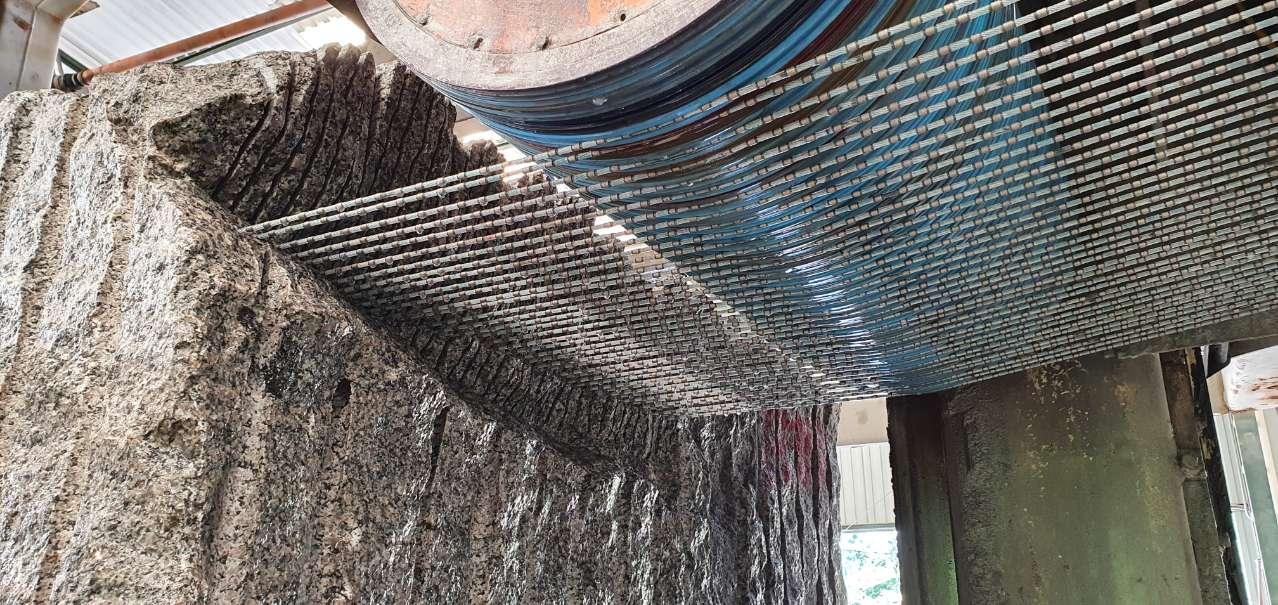
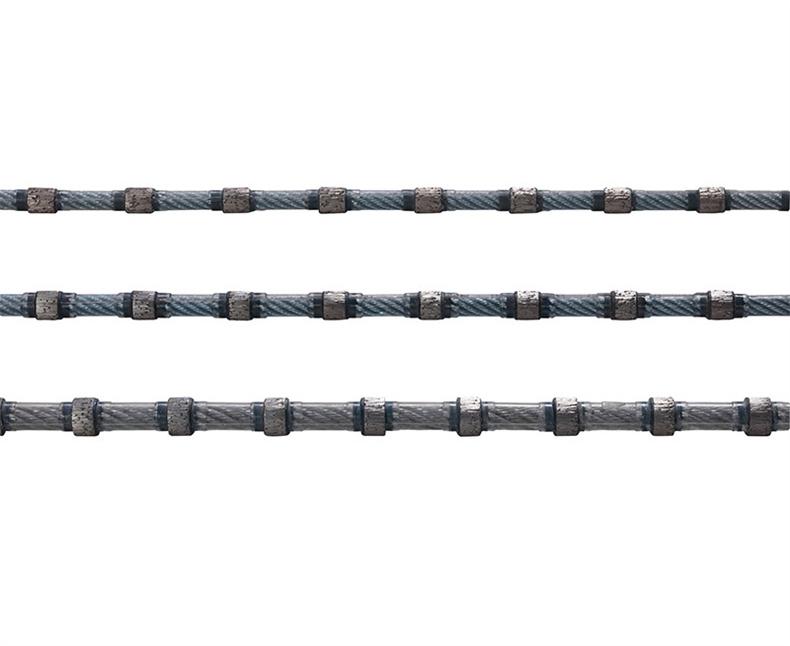
    Diamond wire sawing utilizes a thin wire with diamond segments attached to cut through materials like concrete, stone, and metal. The wire’s tension plays a pivotal role in its cutting effectiveness. If the tension is too low, the wire may snap or fail to cut efficiently; if it’s too high, it could lead to excessive wear and tear or equipment damage. Thus, finding the right balance is essential.

    Factors Influencing Tension

    Several factors come into play when determining the appropriate tension for diamond wire. These include the type of material being cut, the diameter of the wire, the machine’s specifications, and environmental conditions. Understanding these factors helps operators make informed decisions regarding wire tension.

    Material Characteristics

    The properties of the material being cut greatly influence the necessary tension. Harder materials, such as granite or reinforced concrete, require higher tension to ensure efficient cutting. In contrast, softer materials may need less tension to avoid damaging the wire. Operators should assess the material’s density, hardness, and brittleness to determine the optimal tension settings.

    Wire Diameter and Type

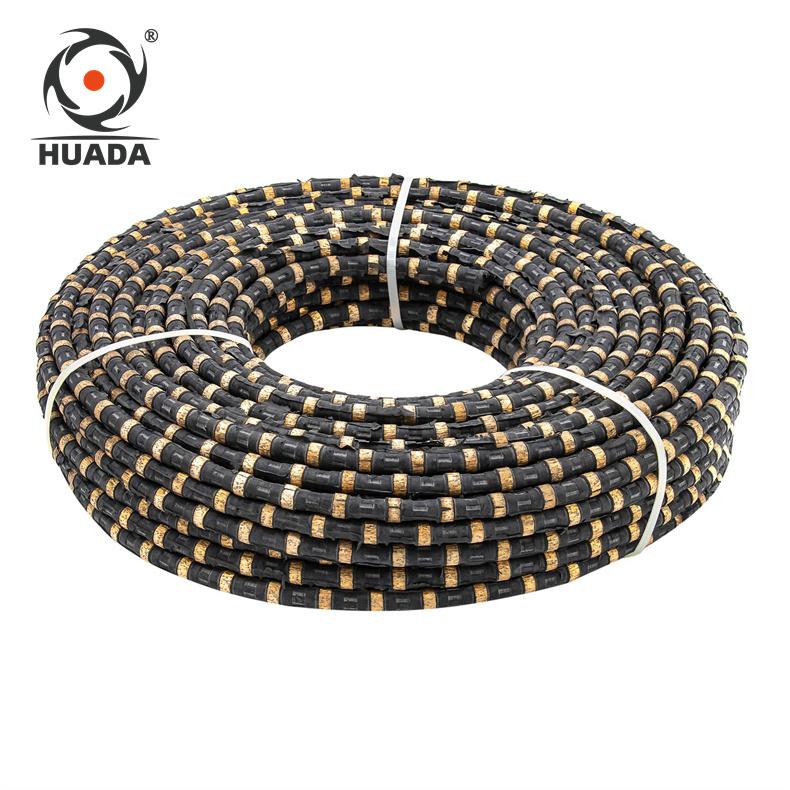
    The diameter of the diamond wire also impacts tension requirements. Thicker wires generally require higher tension due to their increased mass. Conversely, thinner wires can operate effectively at lower tensions. Additionally, different types of diamond wires, such as those designed for specific applications (e.g., wet vs. dry cutting), may have unique tension requirements based on their construction and intended use.
    Machine Specifications

    619b5159802af.jpg

    The capabilities of the sawing machine are another critical factor. Machines are designed with specific tension ranges that should not be exceeded. Operators must consult the manufacturer's guidelines to understand the recommended tension settings for their equipment. Adjusting the tension outside these parameters can lead to performance issues and potential damage to both the machine and the wire.
    Environmental Conditions

    6272310c1df21.jpg

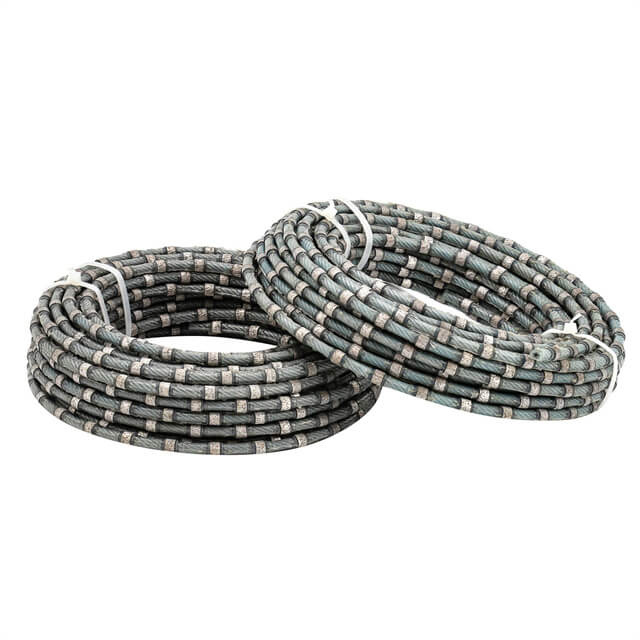
    Environmental factors such as temperature and humidity can also affect wire tension. High temperatures may cause the wire to expand, altering its tension. On the other hand, colder environments might contract the wire, requiring adjustments. Humidity levels can also influence the cutting process, particularly in wet cutting scenarios. Operators should monitor these conditions and adjust tension accordingly to optimize performance.

    Tension Adjustment Techniques

    Adjusting diamond wire tension involves a few straightforward techniques. Most modern machines come equipped with tensioning systems that allow operators to easily modify settings. It is advisable to start with the manufacturer’s recommended tension and make small adjustments based on observed performance. Regular monitoring during operation can help identify the need for further adjustments.

    Monitoring Performance

    Continuous monitoring is essential to ensure that the diamond wire operates within the desired tension range. Operators should look for signs of wear, such as increased vibration, unusual noise, or decreased cutting efficiency. Implementing a regular maintenance schedule can help identify issues early on and prevent more significant problems down the line.

    Testing and Experimentation

    Testing different tension settings can provide valuable insights into what works best for specific applications. Operators can conduct trials by adjusting the tension and observing the results. Keeping detailed records of performance metrics, such as cutting speed and wire lifespan, can help refine future tension settings and improve overall efficiency.

    Safety Considerations

    Safety is paramount when working with diamond wire saws. Improper tension can lead to wire breakage, posing a risk to operators and bystanders. Ensuring that all personnel are trained in proper handling procedures and aware of tension settings is crucial. Regular safety checks should be integrated into operational protocols to mitigate risks associated with equipment failure.

    Conclusion

    Determining the right tension for diamond wire is a multifaceted process that requires careful consideration of various factors, including material characteristics, wire diameter, machine specifications, and environmental conditions. By understanding these influences and implementing effective tension adjustment techniques, operators can enhance cutting performance and prolong the life of their diamond wire. Regular monitoring and testing are essential to maintain optimal tension settings, ensuring safety and efficiency in all cutting operations.

    Define the application before comparing equipment

    For “How do you determine the right tension for diamond wire?,” write down the workpiece, bead diameter, bond, bead spacing, machine type, wire speed and cooling conditions. This separates a real project requirement from a search phrase and gives every supplier the same boundary. The proposed diamond wire can then be checked against the material, site and required result instead of being accepted by name alone.

    Use evidence that can be retained

    A practical review of “How do you determine the right tension for diamond wire?” should retain the wire specification, machine match, cutting record and measured wear under representative conditions. Photographs and brochures help identify the offered configuration, but they do not replace a test condition, measured result or signed scope. Record settings for wire direction, tension, connection quality, cooling, rotation where required and bead wear so the accepted result can be repeated.

    Control the main operating risk

    The recurring risk in “How do you determine the right tension for diamond wire?” is matching only bead diameter while ignoring bond, machine, material and operating conditions. Set a stop condition, assign who checks the machine and tool, and keep changes traceable. If the result moves outside the agreed window, investigate the material, alignment, tooling and utilities before adding load or speed.

    Decision and acceptance table

    Decision pointWhat to defineEvidence to keep
    Applicationthe workpiece, bead diameter, bond, bead spacing, machine type, wire speed and cooling conditionsWritten job or product brief
    Operating windowwire direction, tension, connection quality, cooling, rotation where required and bead wearRecorded trial settings and observations
    Acceptancethe wire specification, machine match, cutting record and measured wear under representative conditionsSigned sample, cut record or inspection note
    Risk controlmatching only bead diameter while ignoring bond, machine, material and operating conditionsNamed corrective action and stop condition

    Buyer and operator checklist

    • Material and cut or hole dimensions for How do you determine the right tension for diamond wire?
    • Offered diamond wire configuration and included tooling
    • Power, water, compressed air, access and lifting requirements
    • Settings and checks covering wire direction, tension, connection quality, cooling, rotation where required and bead wear
    • Factory or site acceptance method and responsible people
    • Training, critical spares, manuals and service response boundary

    Frequently asked questions

    What should be confirmed first for How do you determine the right tension for diamond wire??

    For How do you determine the right tension for diamond wire?, start with the workpiece, bead diameter, bond, bead spacing, machine type, wire speed and cooling conditions. Those inputs determine whether the proposed diamond wire and tool are relevant.

    How should performance for How do you determine the right tension for diamond wire? be verified?

    For How do you determine the right tension for diamond wire?, use the wire specification, machine match, cutting record and measured wear under representative conditions. Keep the material, operating conditions and acceptance criteria with the result.

    Which settings matter during How do you determine the right tension for diamond wire??

    For How do you determine the right tension for diamond wire?, record wire direction, tension, connection quality, cooling, rotation where required and bead wear. A result without its settings is difficult to reproduce or compare.

    When should work on How do you determine the right tension for diamond wire? be paused?

    For How do you determine the right tension for diamond wire?, pause when the workpiece, support, guarding, utilities or cutting condition is unsafe, or when matching only bead diameter while ignoring bond, machine, material and operating conditions is observed.

    Manufacturer Address:No.54 Xinda Road,Luojiang District,Quanzhou City,Fujian Province,China
    Sales Tel:+8619859567581
    Supplier E-mail:hzj@huada-group.com

    NEW KEYWORD

    About Us

    Products

    Information