Author:Huada Quarrying Machine FROM:Stone quarry machine manufacturer TIME:2026-09-02
Cleaning and lubricating diamond wire is essential for maintaining its performance and prolonging its lifespan. Diamond wire saws are widely used in various industries, including construction and stone processing, due to their efficiency and precision. However, over time, debris, dust, and contaminants can accumulate on the wire, affecting its cutting ability. Regular maintenance through cleaning and lubrication ensures optimal functionality and prevents premature wear. This article will guide you through the step-by-step process of effectively cleaning and lubricating diamond wire, along with tips for best practices.
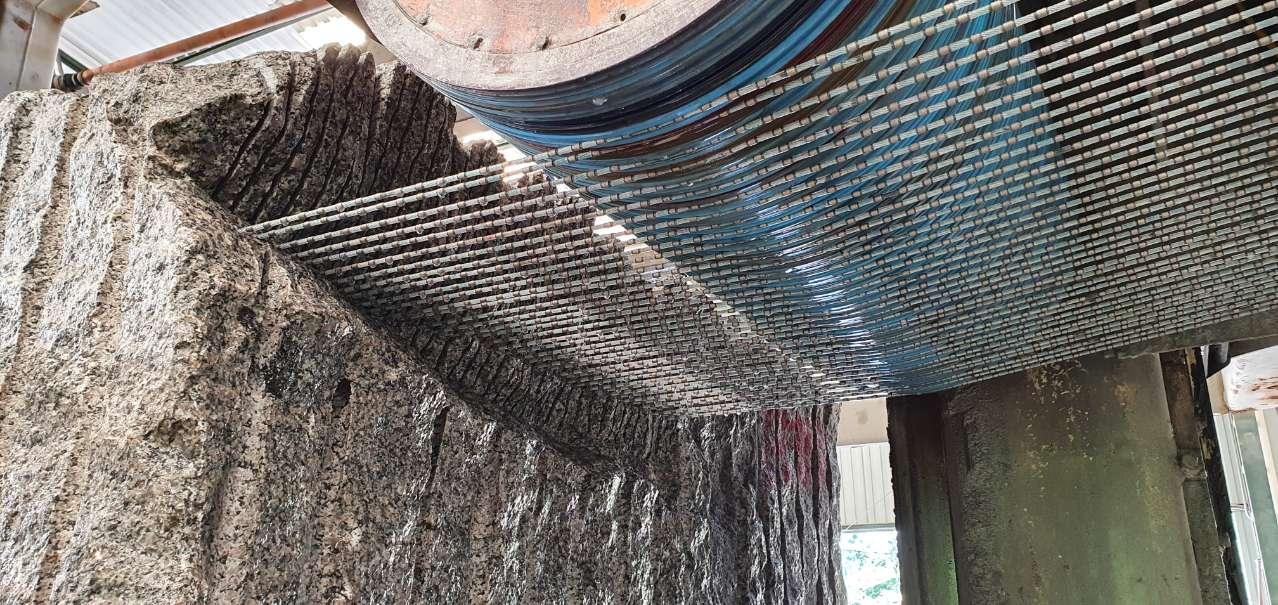
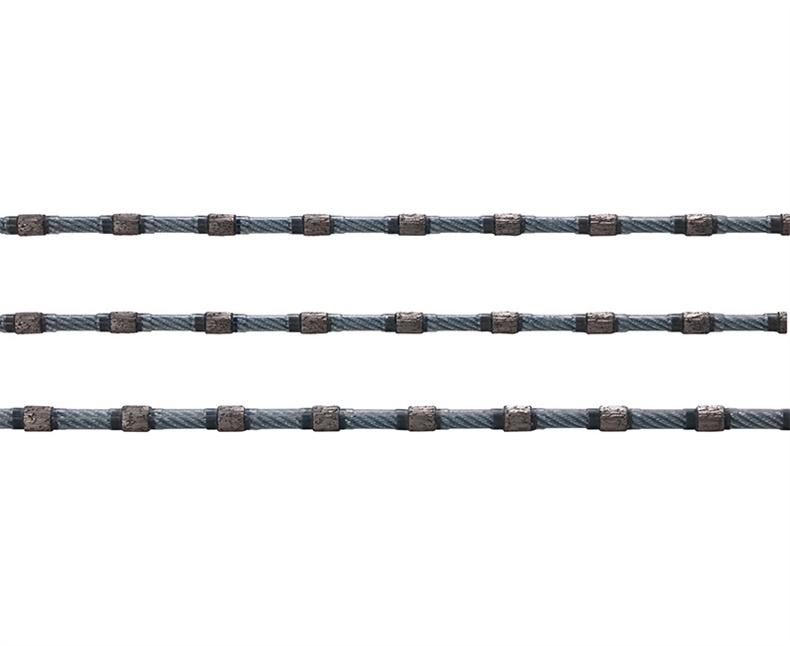
Before diving into cleaning and lubrication, it is crucial to understand the composition of diamond wire. Typically, diamond wire consists of a steel core wire coated with diamond segments that provide cutting power. The effectiveness of a diamond wire saw relies not only on the quality of the diamonds used but also on the maintenance practices applied. Neglecting care can lead to reduced performance, increased friction, and eventual wire failure.
Cleaning is a fundamental part of maintaining diamond wire. Contaminants such as concrete dust, slurry, and other particles can cling to the wire, causing blockages that hinder cutting efficiency. Furthermore, these particles can create additional wear on the diamonds, leading to a faster degradation of the wire. Regular cleaning helps to ensure that the diamond segments remain effective and that the wire operates smoothly.
To clean diamond wire effectively, you will need several tools and materials: a soft brush, high-pressure water source, cleaning solution (preferably biodegradable), and a cloth or sponge. If available, specialized cleaning equipment designed for diamond wire can enhance efficiency and safety. It is essential to choose non-abrasive cleaning materials to avoid damaging the wire.
Now that you understand the importance of cleaning, let’s go through the step-by-step process:
Start by rinsing the diamond wire with water. A high-pressure water source works best to remove loose debris. Ensure the water flows in the direction of the wire movement to dislodge contaminants effectively. Be careful not to apply too much pressure that could damage the wire.
After the initial rinse, apply a biodegradable cleaning solution to the wire. This solution should be specifically designed for heavy-duty cleaning without harming the wire’s integrity. Allow the cleaning solution to sit for a few minutes to break down any stubborn residues.
Using a soft brush, gently scrub the wire while focusing on areas that appear heavily soiled. Avoid using abrasive brushes that could scratch the steel core or diamond segments. It is important to maintain a delicate approach during this stage to preserve the wire's quality.
Following the scrubbing, conduct a thorough rinse with high-pressure water again. This step will wash away the cleaning solution and any loosened debris. Make sure to rinse until no suds remain, as residue can attract dirt and grime later.
After rinsing, it is crucial to dry the diamond wire completely to prevent rust formation. Use a clean cloth or sponge to wipe down the wire, removing any excess moisture. If possible, hang the wire in a well-ventilated area to allow it to air dry completely.
Lubrication is just as vital as cleaning. Proper lubrication minimizes friction between the wire and the material being cut, which not only enhances cutting efficiency but also extends the lifespan of the diamond wire. Additionally, lubrication helps to reduce heat buildup, preventing thermal damage to both the wire and the cutting material.
Selecting an appropriate lubricant is critical. Look for products that are specifically designed for diamond wire saws. These lubricants typically have properties that allow them to withstand high temperatures and pressures while providing consistent performance. Avoid using oils that are too viscous, as they may slow down the cutting process.
The following steps outline how to effectively lubricate diamond wire:
Ensure your chosen lubricant is ready for application. If it requires mixing, follow the manufacturer's instructions carefully. Having a spray applicator can help distribute the lubricant evenly along the wire.
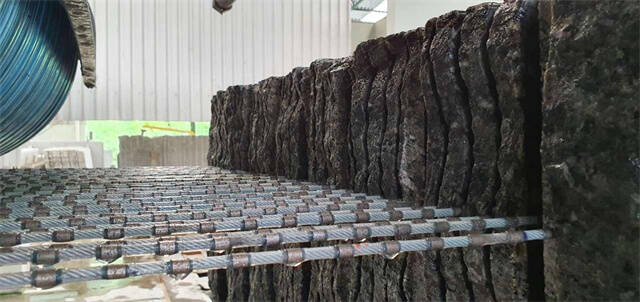
While the diamond wire is in operation, apply the lubricant directly onto the wire. Aim to have the lubricant penetrate the gaps between the diamond segments and the steel core. This ensures that every part of the wire receives adequate lubrication.
Keep an eye on the performance of the wire after lubrication. If you notice excessive noise or vibration, it may indicate insufficient lubrication. Adjust the application as necessary to achieve optimal results. Regular monitoring will help you understand when additional lubrication is needed.
To maintain the integrity of your diamond wire, consider the following best practices:
Conduct regular inspections of the diamond wire for signs of wear or damage. Early detection can prevent larger issues and prolong the life of the wire.
Establish a routine cleaning schedule based on usage frequency. More intensive use may require more frequent cleaning to maintain optimal performance.
When not in use, store diamond wire in a dry and cool environment. Avoid leaving it exposed to elements that could cause rust or deterioration.
In conclusion, cleaning and lubricating diamond wire is vital for ensuring its efficiency and longevity. By understanding the composition of diamond wire, utilizing the right tools, and following proper cleaning and lubrication techniques, you can significantly enhance the performance of your diamond wire saw. Regular maintenance not only improves cutting efficiency but also reduces operational costs in the long run. Incorporating these practices into your routine will ensure that your diamond wire remains in top condition, delivering exceptional results for all your cutting needs.