YOUR POSITION:HOME > Blog >

Can diamond wire cut through reinforced concrete?

Author:Huada Quarrying Machine FROM:Stone quarry machine manufacturer TIME:2026-08-21

MENU
    Practical decision guide

    Use “Can diamond wire cut through reinforced concrete?” as a decision brief for a reinforced concrete cutting equipment: define member dimensions, reinforcement, access, cut sequence, lifting plan, utilities and slurry control, verify tool speed, feed, cooling, anchoring, exclusion zones and the sequence used to release each section and retain a survey, engineered cutting plan, equipment schedule, lifting method and site acceptance record before approval.

    Equipment familyreinforced concrete cutting equipment
    Confirmmember dimensions, reinforcement, access, cut sequence, lifting plan, utilities and slurry control
    Retaina survey, engineered cutting plan, equipment schedule, lifting method and site acceptance record

    Technical context for Can diamond wire cut through reinforced concrete?

    Diamond wire cutting technology has become increasingly popular in various construction and demolition applications. One of the most pressing questions surrounding this technique is whether diamond wire can effectively cut through reinforced concrete. In this article, we will explore the mechanics of diamond wire cutting, its advantages over traditional methods, and its effectiveness in cutting through reinforced concrete structures.

    Understanding Diamond Wire Cutting

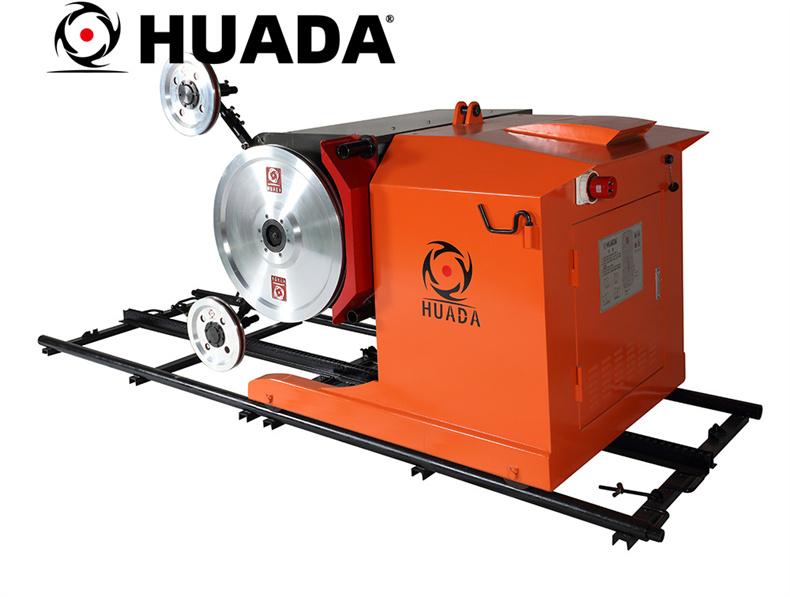
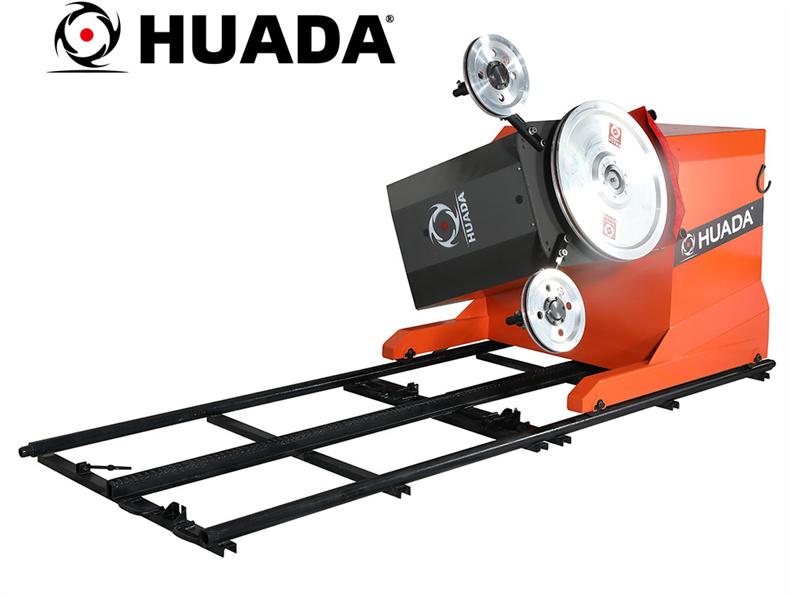
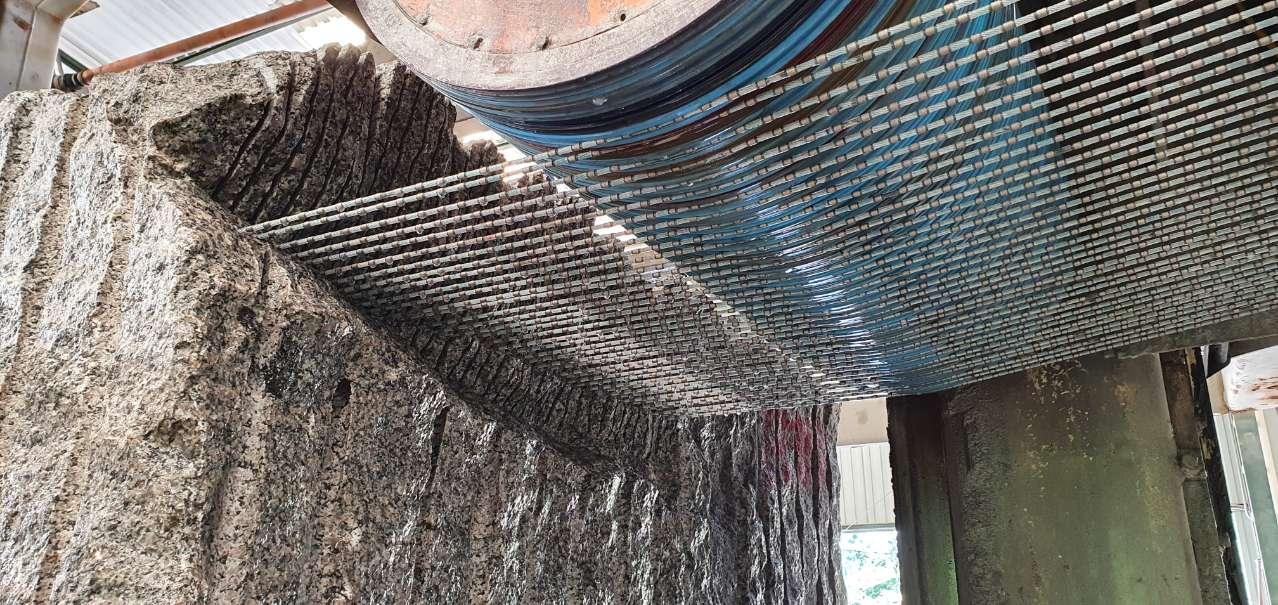
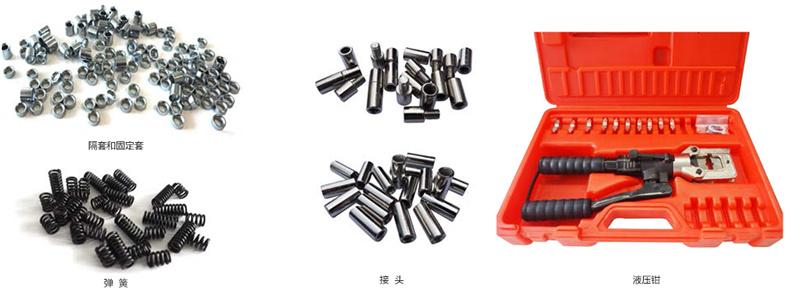
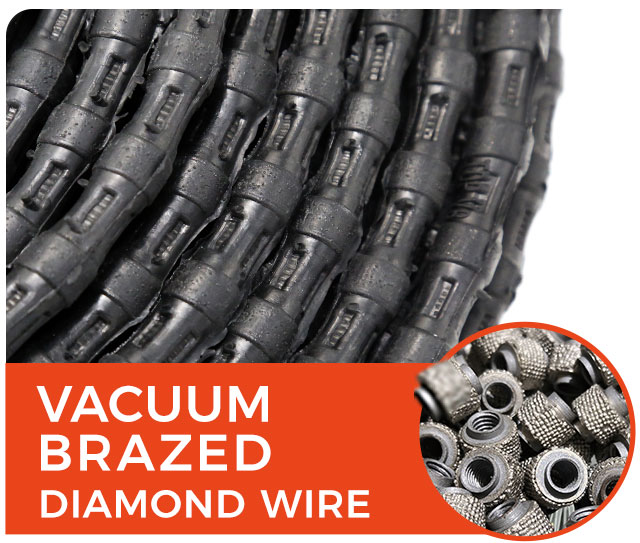
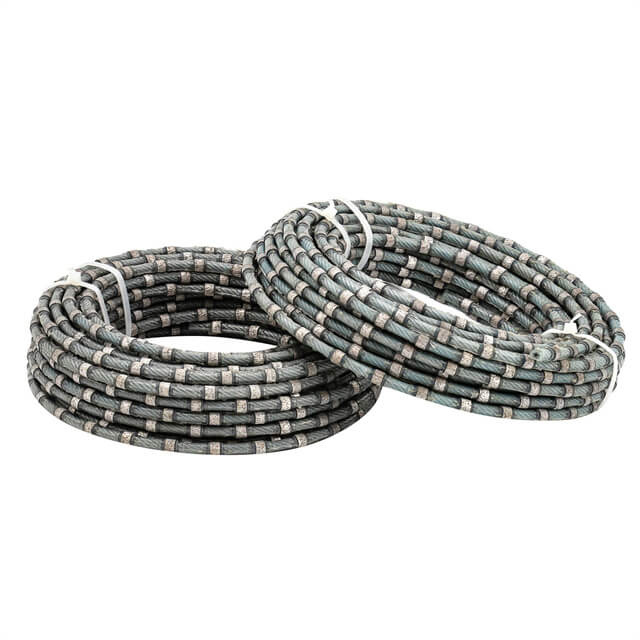
    Diamond wire cutting involves the use of a wire that is embedded with diamond segments. This method is particularly favored for its precision and efficiency. The wire is typically attached to a machine that allows it to move in a continuous loop, enabling it to cut through materials with minimal effort. The diamonds on the wire provide the necessary hardness to slice through tough materials like concrete, making it an ideal choice for construction and demolition projects.
    Advantages of Diamond Wire Cutting

    60ee97a36845a.jpg

    One of the main advantages of diamond wire cutting is its ability to minimize dust and debris. Traditional cutting methods, such as sawing or grinding, often produce significant amounts of dust, which can pose health risks to workers and environmental concerns. In contrast, diamond wire cutting produces less dust, making it a cleaner alternative. Additionally, this method offers greater precision, allowing for intricate cuts that are often required in complex structures.

    The Mechanism of Cutting Reinforced Concrete

    Reinforced concrete is composed of concrete and steel reinforcements, making it one of the toughest materials to cut. The diamond wire works by using the hard diamond particles to grind away at both the concrete and the steel rebar embedded within it. The process is relatively straightforward: as the wire moves, the diamonds chip away at the material, creating a clean cut without the vibrations that can damage surrounding structures.

    Effectiveness of Diamond Wire on Reinforced Concrete

    When it comes to cutting through reinforced concrete, diamond wire has proven to be highly effective. The speed and efficiency of the cutting process depend on several factors, including the size of the wire, the type of diamonds used, and the specific machine settings. Typically, a thicker wire with larger diamond segments is better suited for cutting through thick layers of concrete and steel. Moreover, diamond wire can operate at varying speeds, allowing operators to adjust according to the density and strength of the concrete.

    Applications in Construction and Demolition

    Diamond wire cutting is widely used in both construction and demolition projects. In construction, it allows for precise cuts in large concrete blocks, facilitating easier shaping and installation. In demolition scenarios, the technique enables the safe and efficient dismantling of structures without causing unnecessary damage to nearby buildings. Its versatility makes it an invaluable tool for contractors and engineers alike.

    Challenges and Limitations

    Despite its many advantages, diamond wire cutting does have some challenges. The initial investment in equipment can be high, and the operational costs may increase depending on the project scale. Additionally, while diamond wire is effective for cutting reinforced concrete, there are limitations in terms of the thickness of the material that can be efficiently cut. Very thick sections may require multiple passes or the use of additional cutting techniques.
    Comparison with Traditional Cutting Methods

    638eeb652a31e.jpg

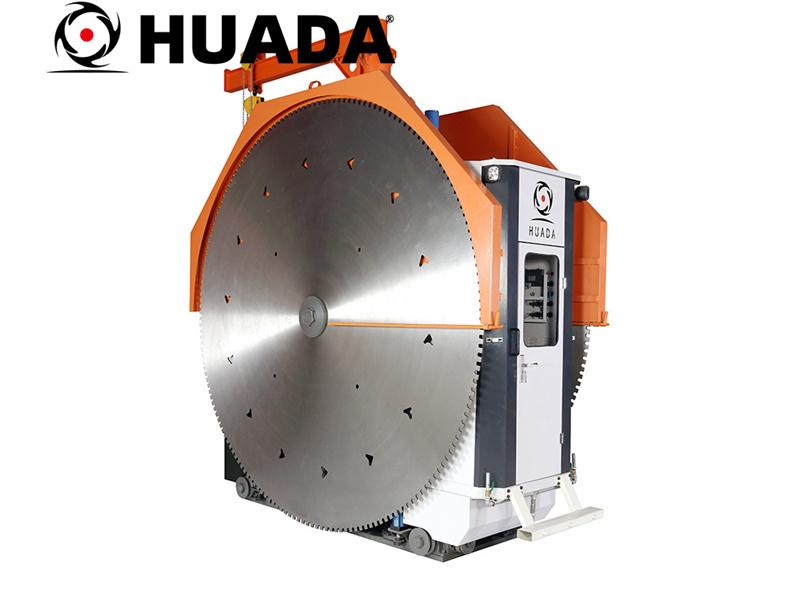
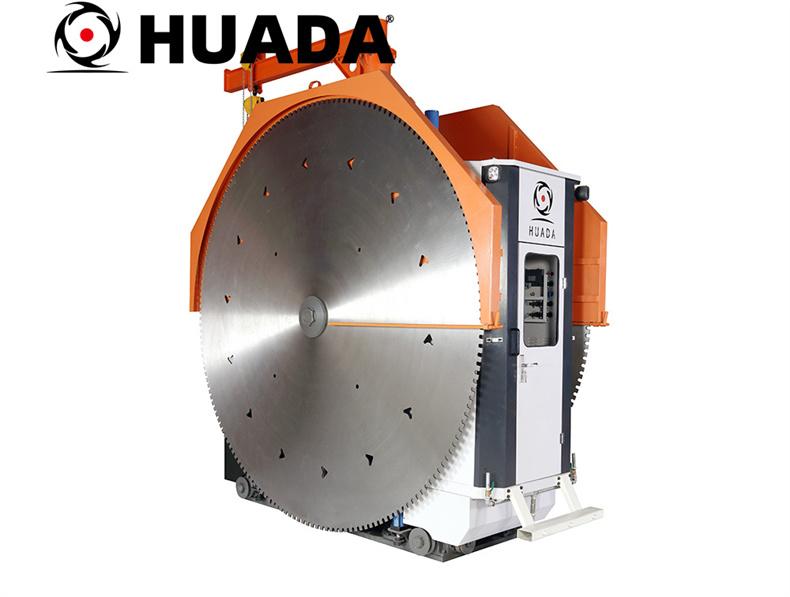
    When compared to traditional cutting methods, diamond wire cutting stands out due to its efficiency and cleanliness. Conventional saws and grinders often produce excessive noise and dust, which can hinder productivity and pose safety risks. Furthermore, diamond wire's ability to make precise cuts reduces the need for extensive finishing work, saving time and resources.

    Future of Diamond Wire Technology

    The future of diamond wire cutting technology looks promising. Innovations in diamond segment manufacturing and wire technology continue to enhance performance and efficiency. As demand for more sustainable and precise cutting methods grows, diamond wire cutting is likely to become even more prevalent in the construction and demolition industries. Ongoing research into improving cutting speeds and reducing costs will further solidify its position as a critical tool in these fields.
    Conclusion

    6272310c1df21.jpg

    In conclusion, diamond wire cutting is a highly effective method for cutting through reinforced concrete. Its advantages over traditional cutting methods, including reduced dust and increased precision, make it an ideal choice for a variety of applications. While there are challenges associated with cost and material thickness, the benefits often outweigh these limitations. As technology advances, we can expect to see even greater efficiency and adaptability in diamond wire cutting, making it an indispensable tool in the construction and demolition industries.

    Define the application before comparing equipment

    For “Can diamond wire cut through reinforced concrete?,” write down member dimensions, reinforcement, access, cut sequence, lifting plan, utilities and slurry control. This separates a real project requirement from a search phrase and gives every supplier the same boundary. The proposed reinforced concrete cutting equipment can then be checked against the material, site and required result instead of being accepted by name alone.

    Use evidence that can be retained

    A practical review of “Can diamond wire cut through reinforced concrete?” should retain a survey, engineered cutting plan, equipment schedule, lifting method and site acceptance record. Photographs and brochures help identify the offered configuration, but they do not replace a test condition, measured result or signed scope. Record settings for tool speed, feed, cooling, anchoring, exclusion zones and the sequence used to release each section so the accepted result can be repeated.

    Control the main operating risk

    The recurring risk in “Can diamond wire cut through reinforced concrete?” is starting the cut before services, reinforcement, support, lifting and released-section weight are confirmed. Set a stop condition, assign who checks the machine and tool, and keep changes traceable. If the result moves outside the agreed window, investigate the material, alignment, tooling and utilities before adding load or speed.

    Decision and acceptance table

    Decision pointWhat to defineEvidence to keep
    Applicationmember dimensions, reinforcement, access, cut sequence, lifting plan, utilities and slurry controlWritten job or product brief
    Operating windowtool speed, feed, cooling, anchoring, exclusion zones and the sequence used to release each sectionRecorded trial settings and observations
    Acceptancea survey, engineered cutting plan, equipment schedule, lifting method and site acceptance recordSigned sample, cut record or inspection note
    Risk controlstarting the cut before services, reinforcement, support, lifting and released-section weight are confirmedNamed corrective action and stop condition

    Buyer and operator checklist

    • Material and cut or hole dimensions for Can diamond wire cut through reinforced concrete?
    • Offered reinforced concrete cutting equipment configuration and included tooling
    • Power, water, compressed air, access and lifting requirements
    • Settings and checks covering tool speed, feed, cooling, anchoring, exclusion zones and the sequence used to release each section
    • Factory or site acceptance method and responsible people
    • Training, critical spares, manuals and service response boundary

    Frequently asked questions

    What should be confirmed first for Can diamond wire cut through reinforced concrete??

    For Can diamond wire cut through reinforced concrete?, start with member dimensions, reinforcement, access, cut sequence, lifting plan, utilities and slurry control. Those inputs determine whether the proposed reinforced concrete cutting equipment and tool are relevant.

    How should performance for Can diamond wire cut through reinforced concrete? be verified?

    For Can diamond wire cut through reinforced concrete?, use a survey, engineered cutting plan, equipment schedule, lifting method and site acceptance record. Keep the material, operating conditions and acceptance criteria with the result.

    Which settings matter during Can diamond wire cut through reinforced concrete??

    For Can diamond wire cut through reinforced concrete?, record tool speed, feed, cooling, anchoring, exclusion zones and the sequence used to release each section. A result without its settings is difficult to reproduce or compare.

    When should work on Can diamond wire cut through reinforced concrete? be paused?

    For Can diamond wire cut through reinforced concrete?, pause when the workpiece, support, guarding, utilities or cutting condition is unsafe, or when starting the cut before services, reinforcement, support, lifting and released-section weight are confirmed is observed.

    Manufacturer Address:No.54 Xinda Road,Luojiang District,Quanzhou City,Fujian Province,China
    Sales Tel:+8619859567581
    Supplier E-mail:hzj@huada-group.com

    NEW KEYWORD

    About Us

    Products

    Information