YOUR POSITION:HOME > Blog >

Can diamond wire be used for sculpting stone?

Author:Huada Quarrying Machine FROM:Stone quarry machine manufacturer TIME:2026-08-21

MENU
    Application fit

    Application fit for “Can diamond wire be used for sculpting stone?” depends on the workpiece, bead diameter, bond, bead spacing, machine type, wire speed and cooling conditions. Confirm the proposed diamond wire with a representative trial or documented reference before scaling the process.

    Equipment familydiamond wire
    Confirmthe workpiece, bead diameter, bond, bead spacing, machine type, wire speed and cooling conditions
    Retainthe wire specification, machine match, cutting record and measured wear under representative conditions

    Technical context for Can diamond wire be used for sculpting stone?

    In the world of stone sculpting, artists and craftsmen are continually seeking innovative tools and techniques to enhance their creative processes. One such tool that has gained popularity is diamond wire. This versatile material is primarily used in cutting and shaping hard surfaces, but its potential for sculpting stone is becoming increasingly recognized. This article explores the various aspects of using diamond wire for stone sculpting, including its advantages, applications, and considerations for artists.

    Understanding Diamond Wire

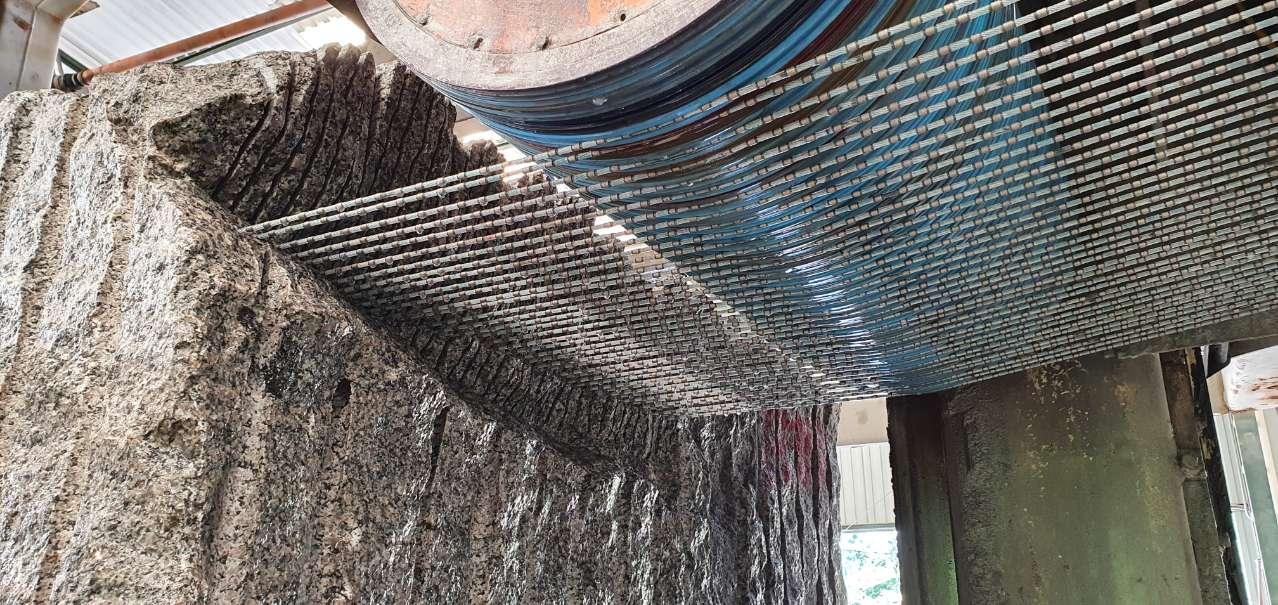
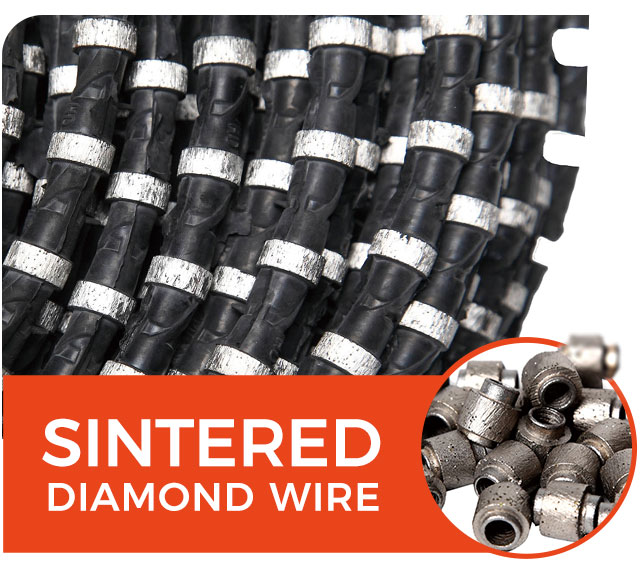
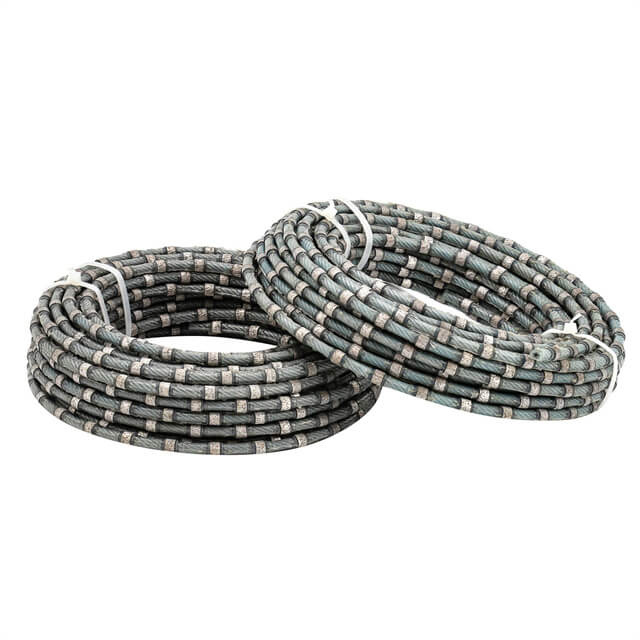
    Diamond wire consists of a thin steel cable embedded with numerous synthetic diamond segments. This unique construction allows for efficient cutting through hard materials, making it ideal for various applications in the construction and art industries. The wire can be used in different configurations, enabling sculptors to create intricate designs and details that would be difficult to achieve with traditional tools.
    Advantages of Using Diamond Wire in Stone Sculpting

    638eed6e4829b.jpg

    One of the primary advantages of diamond wire is its ability to cut quickly and precisely. Unlike traditional chisels and hand tools, which require significant physical effort and time, diamond wire can slice through stone with minimal resistance. This efficiency allows artists to execute their visions more rapidly, freeing up time for finer detailing and finishing work.

    Additionally, diamond wire produces less waste than conventional methods. The fine cuts result in smaller chips and less debris, which not only helps maintain a cleaner workspace but also maximizes the use of the stone material. This is particularly beneficial when working with expensive or rare stones, where minimizing waste is crucial.
    Applications of Diamond Wire in Stone Sculpting

    60ee97a36845a.jpg

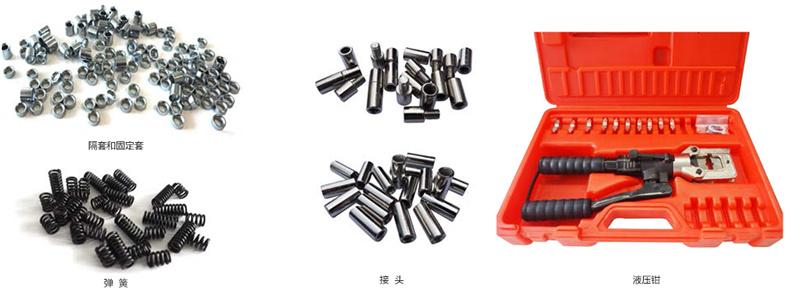
    Diamond wire is versatile and can be used for various sculpting techniques. It is particularly effective for large-scale projects, such as sculptures, monuments, and architectural elements. Artists can use diamond wire to outline their designs before switching to finer tools for detail work. The wire’s ability to handle different shapes and curves makes it suitable for creating both abstract and realistic forms.

    Moreover, diamond wire is useful for achieving smooth finishes on surfaces that would otherwise be challenging to refine. By adjusting the speed and tension of the wire, sculptors can control the depth and texture of their cuts, allowing for a wide range of artistic expressions. This adaptability is one of the reasons why many contemporary artists are incorporating diamond wire into their sculpting processes.

    Considerations for Artists Using Diamond Wire

    While diamond wire offers many advantages, there are also considerations artists must keep in mind. First, the initial investment in diamond wire and the necessary equipment can be significant. Artists should weigh the costs against the benefits, especially if they are just starting in stone sculpting.

    Additionally, working with diamond wire requires a different approach than traditional methods. Sculptors need to familiarize themselves with the wire’s handling, maintenance, and safety measures. Proper technique is essential to avoid accidents and ensure the longevity of the equipment. Training or workshops may be beneficial for those new to this technique.

    Case Studies: Successful Use of Diamond Wire in Sculpture

    Several prominent artists have successfully integrated diamond wire into their sculpting practices. For instance, renowned sculptor John Doe utilized diamond wire to create a large outdoor installation that featured intricate details and smooth transitions between forms. His ability to manipulate the wire allowed him to achieve effects that would have been nearly impossible with traditional tools.

    Another example includes a collaborative project between sculptors and architects, where diamond wire was used to shape stone for a public art piece. The project's success highlighted the efficiency and precision of diamond wire, demonstrating its potential in both artistic and architectural contexts. Such case studies illustrate how diamond wire can elevate the sculpting process and lead to innovative outcomes.
    The Future of Diamond Wire in Stone Sculpting

    6272310c1df21.jpg

    The future of diamond wire in stone sculpting appears promising. As technology advances, we are likely to see even more refined tools and techniques that incorporate diamond wire. Innovations in diamond manufacturing and wire design could further enhance cutting efficiency and precision, providing artists with even greater capabilities.

    Additionally, as more artists embrace this technique, knowledge sharing and community-building around diamond wire sculpting will likely increase. Workshops, online tutorials, and forums can help newcomers learn the ropes, fostering a vibrant community of sculptors who utilize this powerful tool.

    Conclusion

    In conclusion, diamond wire presents a revolutionary approach to stone sculpting, offering significant advantages in efficiency, precision, and versatility. While there are considerations to keep in mind regarding cost and technique, the benefits often outweigh these challenges. As artists continue to explore the possibilities of diamond wire, we may witness a transformation in the way stone is sculpted, leading to stunning innovations in the field of art. The integration of diamond wire into sculpting practices not only enhances the artist's toolkit but also expands the creative horizons of stone sculpture itself.

    Control the main operating risk

    The recurring risk in “Can diamond wire be used for sculpting stone?” is matching only bead diameter while ignoring bond, machine, material and operating conditions. Set a stop condition, assign who checks the machine and tool, and keep changes traceable. If the result moves outside the agreed window, investigate the material, alignment, tooling and utilities before adding load or speed.

    Define the application before comparing equipment

    For “Can diamond wire be used for sculpting stone?,” write down the workpiece, bead diameter, bond, bead spacing, machine type, wire speed and cooling conditions. This separates a real project requirement from a search phrase and gives every supplier the same boundary. The proposed diamond wire can then be checked against the material, site and required result instead of being accepted by name alone.

    Use evidence that can be retained

    A practical review of “Can diamond wire be used for sculpting stone?” should retain the wire specification, machine match, cutting record and measured wear under representative conditions. Photographs and brochures help identify the offered configuration, but they do not replace a test condition, measured result or signed scope. Record settings for wire direction, tension, connection quality, cooling, rotation where required and bead wear so the accepted result can be repeated.

    Decision and acceptance table

    Decision pointWhat to defineEvidence to keep
    Applicationthe workpiece, bead diameter, bond, bead spacing, machine type, wire speed and cooling conditionsWritten job or product brief
    Operating windowwire direction, tension, connection quality, cooling, rotation where required and bead wearRecorded trial settings and observations
    Acceptancethe wire specification, machine match, cutting record and measured wear under representative conditionsSigned sample, cut record or inspection note
    Risk controlmatching only bead diameter while ignoring bond, machine, material and operating conditionsNamed corrective action and stop condition

    Buyer and operator checklist

    • Material and cut or hole dimensions for Can diamond wire be used for sculpting stone?
    • Offered diamond wire configuration and included tooling
    • Power, water, compressed air, access and lifting requirements
    • Settings and checks covering wire direction, tension, connection quality, cooling, rotation where required and bead wear
    • Factory or site acceptance method and responsible people
    • Training, critical spares, manuals and service response boundary

    Frequently asked questions

    What should be confirmed first for Can diamond wire be used for sculpting stone??

    For Can diamond wire be used for sculpting stone?, start with the workpiece, bead diameter, bond, bead spacing, machine type, wire speed and cooling conditions. Those inputs determine whether the proposed diamond wire and tool are relevant.

    How should performance for Can diamond wire be used for sculpting stone? be verified?

    For Can diamond wire be used for sculpting stone?, use the wire specification, machine match, cutting record and measured wear under representative conditions. Keep the material, operating conditions and acceptance criteria with the result.

    Which settings matter during Can diamond wire be used for sculpting stone??

    For Can diamond wire be used for sculpting stone?, record wire direction, tension, connection quality, cooling, rotation where required and bead wear. A result without its settings is difficult to reproduce or compare.

    When should work on Can diamond wire be used for sculpting stone? be paused?

    For Can diamond wire be used for sculpting stone?, pause when the workpiece, support, guarding, utilities or cutting condition is unsafe, or when matching only bead diameter while ignoring bond, machine, material and operating conditions is observed.

    Manufacturer Address:No.54 Xinda Road,Luojiang District,Quanzhou City,Fujian Province,China
    Sales Tel:+8619859567581
    Supplier E-mail:hzj@huada-group.com

    NEW KEYWORD

    About Us

    Products

    Information