YOUR POSITION:HOME > Blog >

How do wire saw cutting machine handle curved cuts?

Author:Huada Quarrying Machine FROM:Stone quarry machine manufacturer TIME:2026-08-21

MENU
    Practical decision guide

    Use “How do wire saw cutting machine handle curved cuts?” as a decision brief for a wire saw machine: define the material, cut size, access, pulley layout, drive power, wire specification and required finish, verify wire speed, feed rate, tension, cooling-water delivery, guide-wheel alignment and cut clearance and retain a representative cut record, wire-consumption notes, surface condition and a configuration drawing before approval.

    Equipment familywire saw machine
    Confirmthe material, cut size, access, pulley layout, drive power, wire specification and required finish
    Retaina representative cut record, wire-consumption notes, surface condition and a configuration drawing

    Technical context for How do wire saw cutting machine handle curved cuts?

    Wire saw cutting machines have revolutionized the way various materials are sliced, especially in industries like stone and metal processing. Unlike traditional saws, wire saws employ a thin, flexible wire embedded with diamond particles to achieve precise cuts. This technology has proven particularly effective for making curved cuts, which can be challenging with conventional cutting methods. In this article, we will explore how wire saw cutting machines handle curved cuts, the advantages they offer, and the mechanics behind their operation.
    Understanding Wire Saw Technology

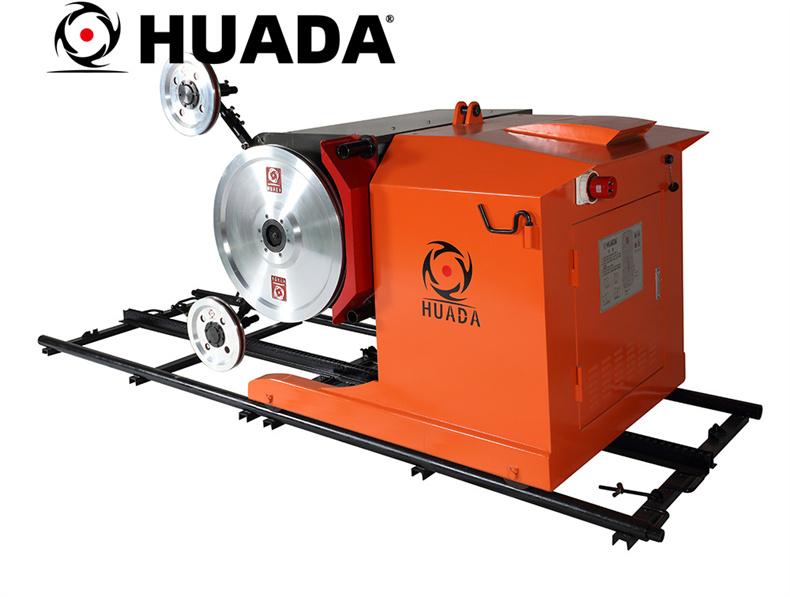
    Wire Saw.jpg

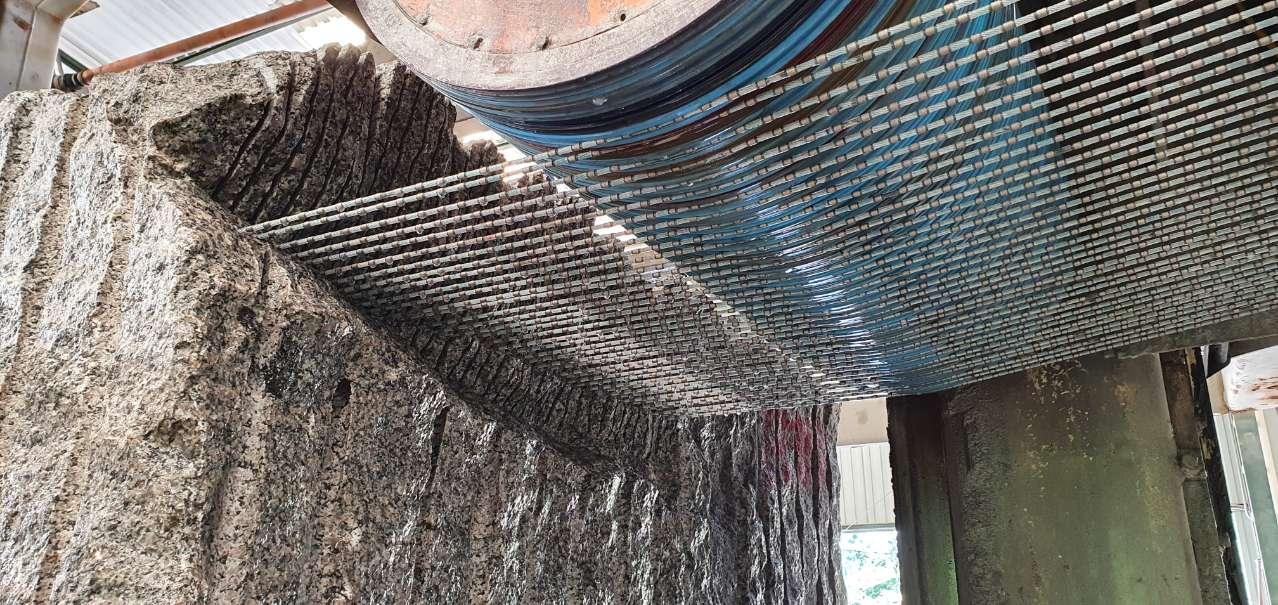
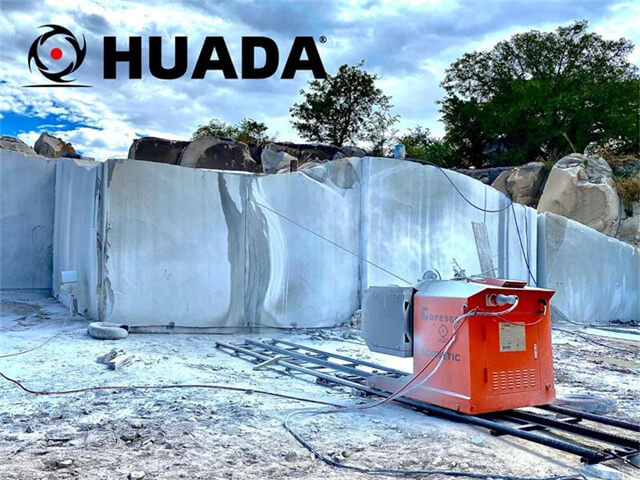
    Wire saws operate on a simple yet effective principle. The wire, often made from steel and coated with diamonds, moves rapidly over the material being cut. This high-speed movement allows for efficient cutting while minimizing waste. The flexibility of the wire enables it to navigate intricate shapes and curves, making it ideal for applications where precision is paramount. The use of diamond abrasives ensures that even hard materials can be cut with ease, resulting in smooth finishes and reduced post-processing work.

    The Mechanics of Curved Cuts

    When it comes to making curved cuts, the wire saw's design plays a crucial role. Unlike blade saws that have fixed cutting lines, wire saws can adjust their trajectory based on the required curve. This is achieved through a combination of tensioning systems and controlled movement of the wire. By manipulating the angle and tension of the wire, operators can guide it along complex paths, ensuring that the curve's radius is maintained accurately throughout the cut. This adaptability makes wire saws particularly advantageous in applications such as sculpting or architectural stone cutting.

    Advantages of Using Wire Saws for Curved Cuts

    One of the primary benefits of using wire saws for curved cuts is their precision. The thin profile of the wire allows for fine details to be preserved, making it ideal for artistic endeavors or intricate designs. Additionally, wire saws produce less kerf (the width of the cut) compared to traditional saws, which means less material is wasted. This efficiency translates to cost savings, particularly when working with expensive materials. Moreover, the ability to make smooth, clean cuts reduces the need for additional finishing processes, further enhancing productivity.
    Applications of Wire Saw Cutting Machines

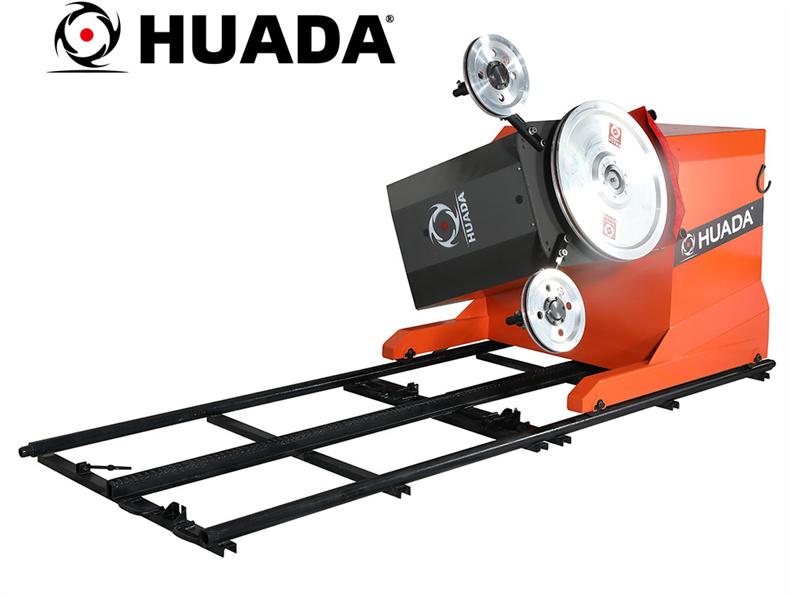
    6459af92aeac7.jpg

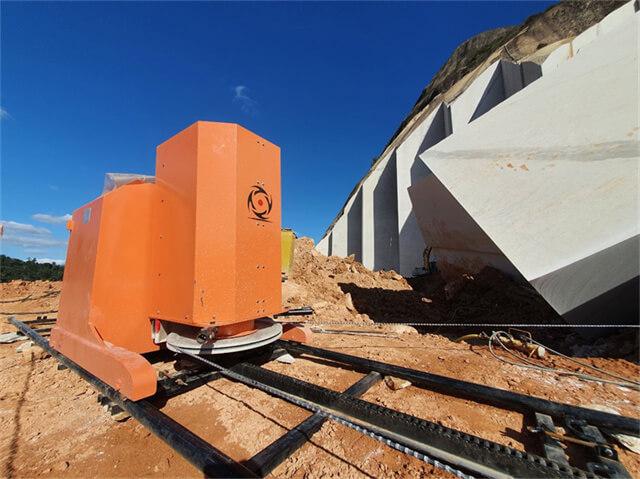
    Wire saw cutting machines find applications across various industries due to their versatility. In the stone industry, they are used to create detailed sculptures, monuments, and architectural elements. The automotive industry also utilizes wire saws for cutting complex components with high precision. Additionally, in the semiconductor industry, wire saws are employed to slice silicon wafers into thin, uniform sheets, critical for manufacturing electronic devices. The ability to perform curved cuts expands the functionality of wire saws, allowing them to cater to specialized projects that require intricate designs.

    The Role of Advanced Technology in Wire Saw Operations

    Recent advancements in technology have further enhanced the capabilities of wire saw cutting machines. Many modern machines are equipped with computer numerical control (CNC) systems that allow for automated cutting patterns. This automation not only increases efficiency but also ensures high repeatability and accuracy. Operators can input complex designs into the software, which translates them into precise movements for the wire saw. This integration of technology streamlines the cutting process, reducing human error and minimizing production times.
    Challenges in Making Curved Cuts

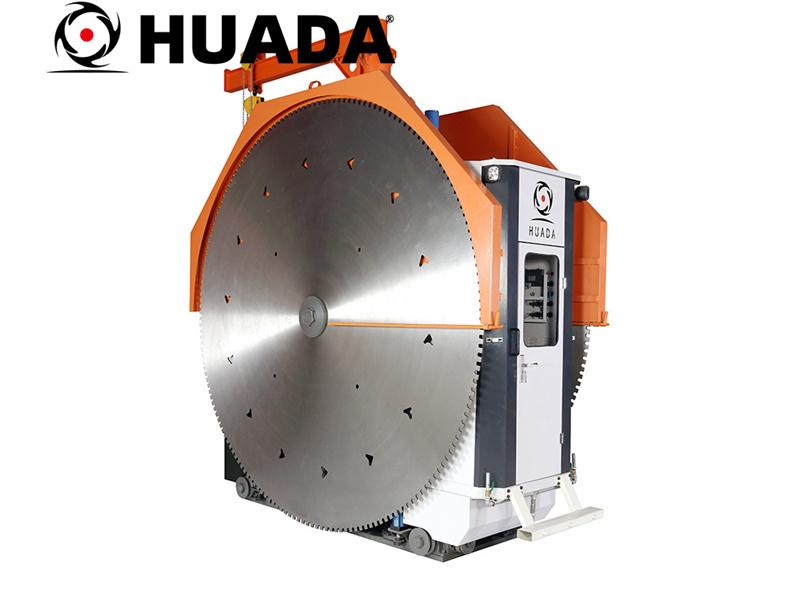
    Diamond Wire Cutting Machine.jpg

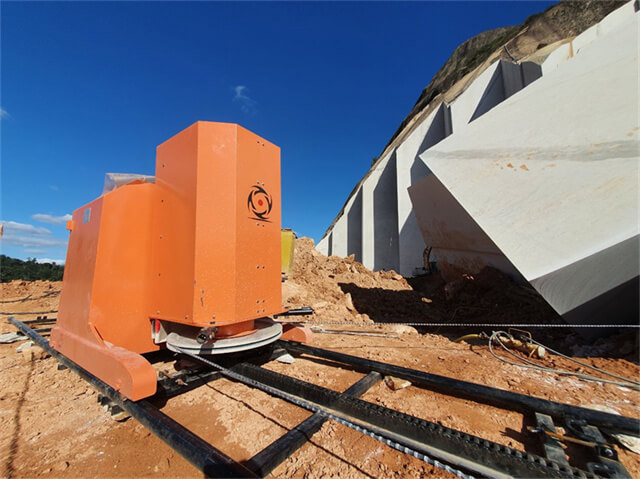
    While wire saws are highly effective for curved cuts, there are challenges associated with this method. Maintaining consistent tension on the wire is crucial; if the tension fluctuates, it can lead to irregular cuts. Additionally, the operator must have a keen understanding of the material properties, as harder materials may require different approaches compared to softer ones. Furthermore, achieving optimal cooling and lubrication during cutting is essential to prevent overheating and wear on the wire, which can affect performance and longevity.

    Future Trends in Wire Saw Technology

    The future of wire saw technology looks promising, with ongoing research focused on improving efficiency and cut quality. Innovations such as the development of new diamond coatings and advanced wire materials are expected to enhance the lifespan and performance of wire saws. Furthermore, the integration of artificial intelligence and machine learning could lead to smarter cutting solutions, where machines learn from previous cuts to optimize future operations. As industries continue to seek greater precision and efficiency, wire saw cutting machines will likely play an increasingly important role.

    Conclusion

    Wire saw cutting machines represent a significant advancement in cutting technology, especially for making curved cuts. Their flexibility, precision, and efficiency set them apart from traditional cutting methods, making them invaluable in various industries. As technology continues to evolve, these machines will become even more capable, enabling manufacturers and artisans to push the boundaries of design and fabrication. Understanding how wire saws handle curved cuts not only highlights their advantages but also underscores their potential to transform the cutting landscape in the years to come.

    Use evidence that can be retained

    A practical review of “How do wire saw cutting machine handle curved cuts?” should retain a representative cut record, wire-consumption notes, surface condition and a configuration drawing. Photographs and brochures help identify the offered configuration, but they do not replace a test condition, measured result or signed scope. Record settings for wire speed, feed rate, tension, cooling-water delivery, guide-wheel alignment and cut clearance so the accepted result can be repeated.

    Control the main operating risk

    The recurring risk in “How do wire saw cutting machine handle curved cuts?” is poor pulley alignment, inadequate cooling, unsuitable wire or an unstable feed setting. Set a stop condition, assign who checks the machine and tool, and keep changes traceable. If the result moves outside the agreed window, investigate the material, alignment, tooling and utilities before adding load or speed.

    Define the application before comparing equipment

    For “How do wire saw cutting machine handle curved cuts?,” write down the material, cut size, access, pulley layout, drive power, wire specification and required finish. This separates a real project requirement from a search phrase and gives every supplier the same boundary. The proposed wire saw machine can then be checked against the material, site and required result instead of being accepted by name alone.

    Decision and acceptance table

    Decision pointWhat to defineEvidence to keep
    Applicationthe material, cut size, access, pulley layout, drive power, wire specification and required finishWritten job or product brief
    Operating windowwire speed, feed rate, tension, cooling-water delivery, guide-wheel alignment and cut clearanceRecorded trial settings and observations
    Acceptancea representative cut record, wire-consumption notes, surface condition and a configuration drawingSigned sample, cut record or inspection note
    Risk controlpoor pulley alignment, inadequate cooling, unsuitable wire or an unstable feed settingNamed corrective action and stop condition

    Buyer and operator checklist

    • Material and cut or hole dimensions for How do wire saw cutting machine handle curved cuts?
    • Offered wire saw machine configuration and included tooling
    • Power, water, compressed air, access and lifting requirements
    • Settings and checks covering wire speed, feed rate, tension, cooling-water delivery, guide-wheel alignment and cut clearance
    • Factory or site acceptance method and responsible people
    • Training, critical spares, manuals and service response boundary

    Frequently asked questions

    What should be confirmed first for How do wire saw cutting machine handle curved cuts??

    For How do wire saw cutting machine handle curved cuts?, start with the material, cut size, access, pulley layout, drive power, wire specification and required finish. Those inputs determine whether the proposed wire saw machine and tool are relevant.

    How should performance for How do wire saw cutting machine handle curved cuts? be verified?

    For How do wire saw cutting machine handle curved cuts?, use a representative cut record, wire-consumption notes, surface condition and a configuration drawing. Keep the material, operating conditions and acceptance criteria with the result.

    Which settings matter during How do wire saw cutting machine handle curved cuts??

    For How do wire saw cutting machine handle curved cuts?, record wire speed, feed rate, tension, cooling-water delivery, guide-wheel alignment and cut clearance. A result without its settings is difficult to reproduce or compare.

    When should work on How do wire saw cutting machine handle curved cuts? be paused?

    For How do wire saw cutting machine handle curved cuts?, pause when the workpiece, support, guarding, utilities or cutting condition is unsafe, or when poor pulley alignment, inadequate cooling, unsuitable wire or an unstable feed setting is observed.

    Manufacturer Address:No.54 Xinda Road,Luojiang District,Quanzhou City,Fujian Province,China
    Sales Tel:+8619859567581
    Supplier E-mail:hzj@huada-group.com

    NEW KEYWORD

    About Us

    Products

    Information