YOUR POSITION:HOME > Blog >

Step-by-Step Guide for Using Diamond Wire Saw

Author:Huada Quarrying Machine FROM:Stone quarry machine manufacturer TIME:2026-08-21

MENU
    Practical decision guide

    Use “Step-by-Step Guide for Using Diamond Wire Saw” as a decision brief for a wire saw machine: define the material, cut size, access, pulley layout, drive power, wire specification and required finish, verify wire speed, feed rate, tension, cooling-water delivery, guide-wheel alignment and cut clearance and retain a representative cut record, wire-consumption notes, surface condition and a configuration drawing before approval.

    Equipment familywire saw machine
    Confirmthe material, cut size, access, pulley layout, drive power, wire specification and required finish
    Retaina representative cut record, wire-consumption notes, surface condition and a configuration drawing

    Technical context for Step-by-Step Guide for Using Diamond Wire Saw

    Introduction:

    The stone industry relies heavily on diamond wire saws for cutting and shaping stones. Diamond wire saws offer precise cutting, high efficiency, and reduced waste compared to traditional cutting methods. However, to make the most of this tool, it is essential to understand its proper usage. This step-by-step guide will provide a comprehensive overview of using a diamond wire saw effectively.
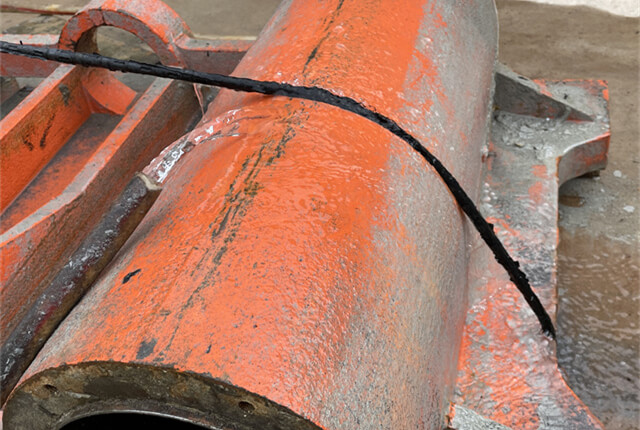
    Step 1: Selecting the Right Diamond Wire Saw

    wire saw to cut metal.jpg

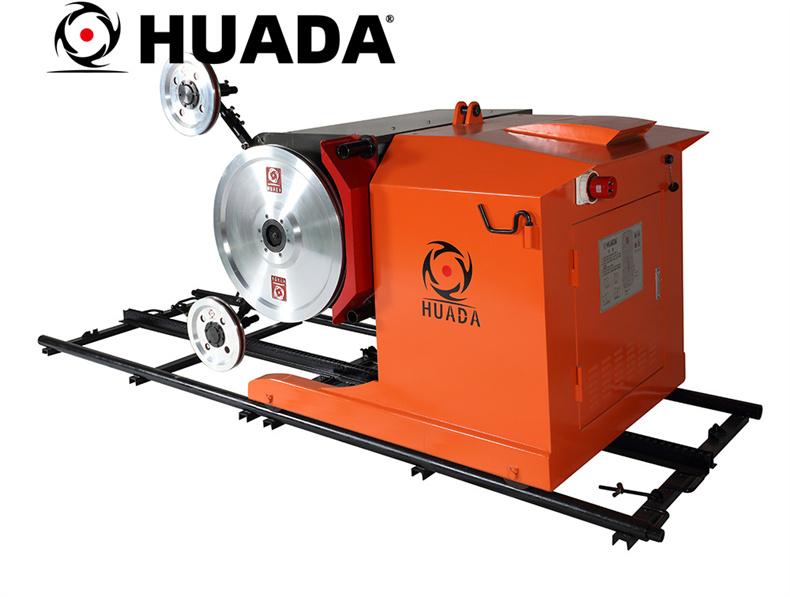
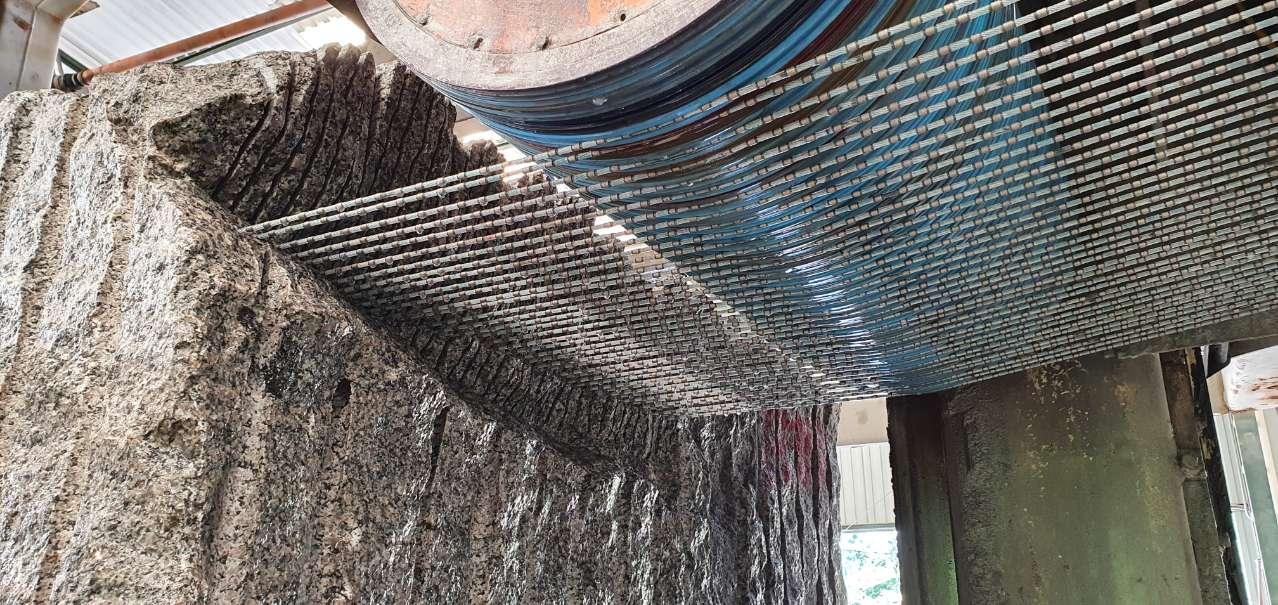
    Before starting any stone cutting project, it is crucial to select the appropriate diamond wire saw for the task. Consider the type and hardness of the stone, as well as the desired cut dimensions. Different saws have varying specifications, such as diamond concentration, wire diameter, and wire length. Choosing the right saw will ensure optimal performance and minimize the risk of damage to both the tool and the stone.

    Step 2: Preparing the Work Area

    concrete cutting diamond wire saw.jpg

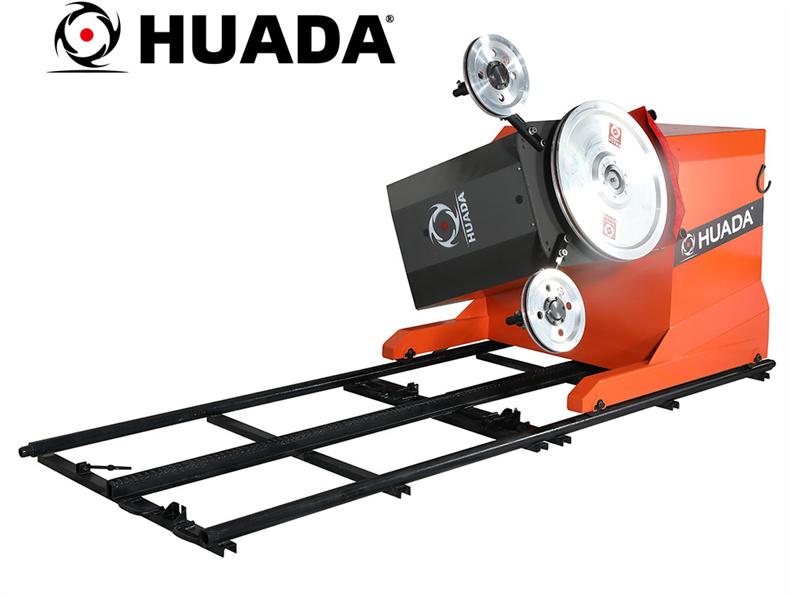
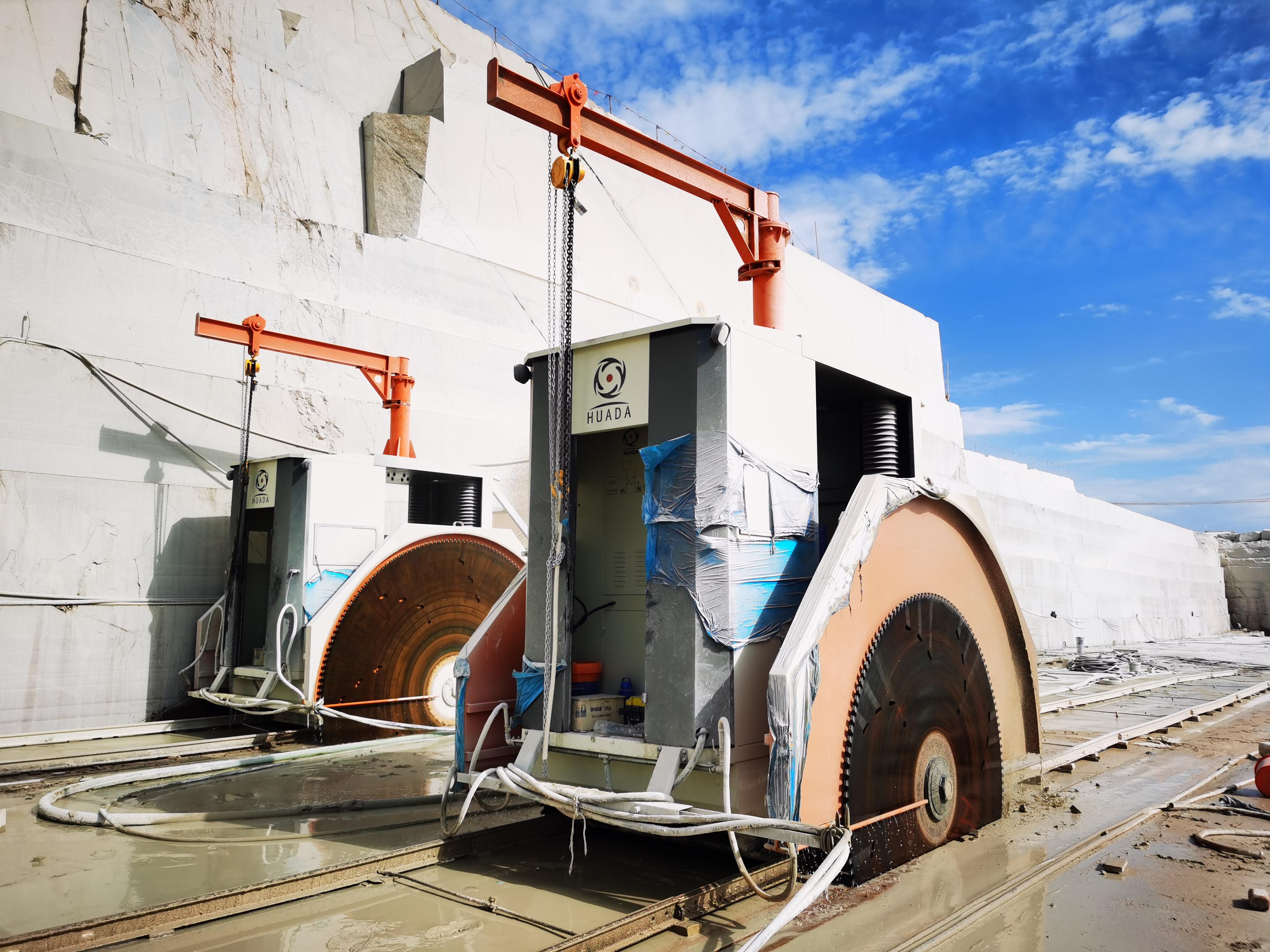
    Prior to using the diamond wire saw, it is important to prepare the work area adequately. Clear the area of any debris or obstacles that could hinder the cutting process. Ensure that the stone is securely positioned to prevent movement during cutting. Additionally, set up water cooling systems to control the temperature generated by the cutting process and to maximize the lifespan of the wire saw.
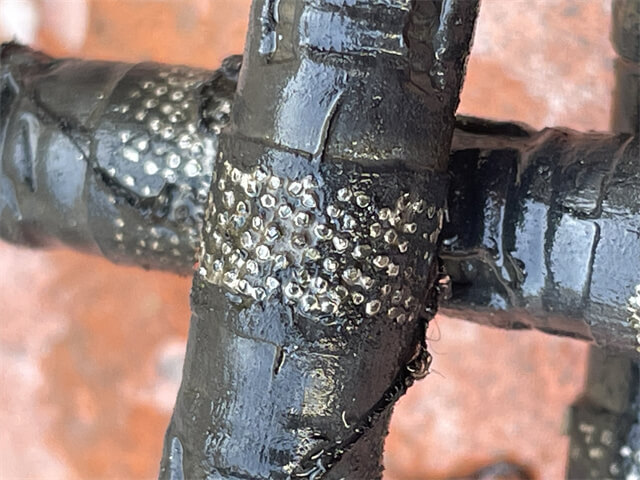
    Step 3: Operating the Diamond Wire Saw

    steel cutting wire.jpg

    When operating the diamond wire saw, it is crucial to follow these steps:

    A. Adjusting the Tension: Before starting the cutting process, adjust the tension of the wire to ensure that it is properly aligned and seated in the guide pulleys. This step is essential for maintaining stability and prolonging the life of the wire.

    B. Starting the Saw: Start the saw at a slow speed and gradually increase the cutting speed as the wire gets into motion. This allows for a smooth and controlled start, reducing the risk of wire breakage.

    C. Applying the Right Pressure: Apply consistent and appropriate pressure while cutting. Too much pressure can lead to excessive wear on the wire, while too little pressure may cause the wire to slip and reduce cutting efficiency. Experiment with different pressures until the optimal result is achieved.

    D. Cooling the Wire: Continuous cooling of the wire during cutting is crucial to prevent overheating. Utilize water cooling systems or apply coolants directly to the cutting area. This helps maintain the integrity of the wire and improves cutting performance.

    E. Regular Inspections: Periodically inspect the condition of the wire during cutting. Check for signs of wear, such as diamond loss or wire deformation, and replace or adjust the wire as necessary. Regular inspections ensure optimal cutting performance and reduce the risk of accidents.

    Conclusion:

    Using a diamond wire saw in the stone industry requires careful selection, proper preparation, and diligent operation. By following this step-by-step guide, you can maximize the effectiveness of the tool and achieve precise and efficient results. Remember to always prioritize safety and conduct regular maintenance to ensure the longevity of the diamond wire saw.

    Define the application before comparing equipment

    For “Step-by-Step Guide for Using Diamond Wire Saw,” write down the material, cut size, access, pulley layout, drive power, wire specification and required finish. This separates a real project requirement from a search phrase and gives every supplier the same boundary. The proposed wire saw machine can then be checked against the material, site and required result instead of being accepted by name alone.

    Use evidence that can be retained

    A practical review of “Step-by-Step Guide for Using Diamond Wire Saw” should retain a representative cut record, wire-consumption notes, surface condition and a configuration drawing. Photographs and brochures help identify the offered configuration, but they do not replace a test condition, measured result or signed scope. Record settings for wire speed, feed rate, tension, cooling-water delivery, guide-wheel alignment and cut clearance so the accepted result can be repeated.

    Control the main operating risk

    The recurring risk in “Step-by-Step Guide for Using Diamond Wire Saw” is poor pulley alignment, inadequate cooling, unsuitable wire or an unstable feed setting. Set a stop condition, assign who checks the machine and tool, and keep changes traceable. If the result moves outside the agreed window, investigate the material, alignment, tooling and utilities before adding load or speed.

    Decision and acceptance table

    Decision pointWhat to defineEvidence to keep
    Applicationthe material, cut size, access, pulley layout, drive power, wire specification and required finishWritten job or product brief
    Operating windowwire speed, feed rate, tension, cooling-water delivery, guide-wheel alignment and cut clearanceRecorded trial settings and observations
    Acceptancea representative cut record, wire-consumption notes, surface condition and a configuration drawingSigned sample, cut record or inspection note
    Risk controlpoor pulley alignment, inadequate cooling, unsuitable wire or an unstable feed settingNamed corrective action and stop condition

    Buyer and operator checklist

    • Material and cut or hole dimensions for Step-by-Step Guide for Using Diamond Wire Saw
    • Offered wire saw machine configuration and included tooling
    • Power, water, compressed air, access and lifting requirements
    • Settings and checks covering wire speed, feed rate, tension, cooling-water delivery, guide-wheel alignment and cut clearance
    • Factory or site acceptance method and responsible people
    • Training, critical spares, manuals and service response boundary

    Frequently asked questions

    What should be confirmed first for Step-by-Step Guide for Using Diamond Wire Saw?

    For Step-by-Step Guide for Using Diamond Wire Saw, start with the material, cut size, access, pulley layout, drive power, wire specification and required finish. Those inputs determine whether the proposed wire saw machine and tool are relevant.

    How should performance for Step-by-Step Guide for Using Diamond Wire Saw be verified?

    For Step-by-Step Guide for Using Diamond Wire Saw, use a representative cut record, wire-consumption notes, surface condition and a configuration drawing. Keep the material, operating conditions and acceptance criteria with the result.

    Which settings matter during Step-by-Step Guide for Using Diamond Wire Saw?

    For Step-by-Step Guide for Using Diamond Wire Saw, record wire speed, feed rate, tension, cooling-water delivery, guide-wheel alignment and cut clearance. A result without its settings is difficult to reproduce or compare.

    When should work on Step-by-Step Guide for Using Diamond Wire Saw be paused?

    For Step-by-Step Guide for Using Diamond Wire Saw, pause when the workpiece, support, guarding, utilities or cutting condition is unsafe, or when poor pulley alignment, inadequate cooling, unsuitable wire or an unstable feed setting is observed.

    Manufacturer Address:No.54 Xinda Road,Luojiang District,Quanzhou City,Fujian Province,China
    Sales Tel:+8619859567581
    Supplier E-mail:hzj@huada-group.com

    NEW KEYWORD

    About Us

    Products

    Information