Use “Practical Uses of Diamond Cutting Wire in Concrete Demolition” as a decision brief for a reinforced concrete cutting equipment: define member dimensions, reinforcement, access, cut sequence, lifting plan, utilities and slurry control, verify tool speed, feed, cooling, anchoring, exclusion zones and the sequence used to release each section and retain a survey, engineered cutting plan, equipment schedule, lifting method and site acceptance record before approval.
Technical context for Practical Uses of Diamond Cutting Wire in Concrete Demolition
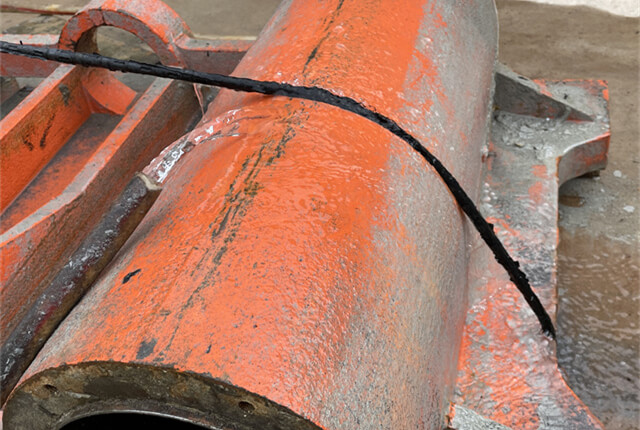
Practical Uses of Diamond Cutting Wire in Concrete Demolition
Introduction
The construction industry heavily relies on various materials, including concrete, to build structures that withstand the test of time. However, when it comes to demolition, breaking down concrete can be a challenging and time-consuming process. Traditional methods such as jackhammers or explosives often cause unnecessary vibrations, noise, and dust, posing risks to both workers and the surrounding environment. In recent years, diamond cutting wire has emerged as a practical and efficient solution for concrete demolition. This article explores the practical uses of diamond cutting wire and its benefits in the construction industry.
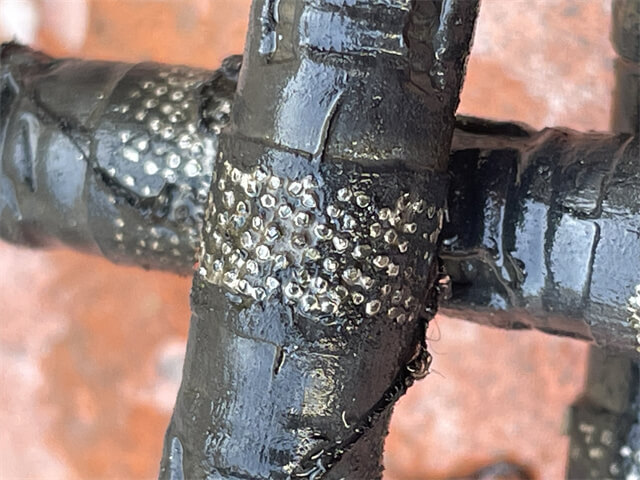
Enhancing Precision and Efficiency
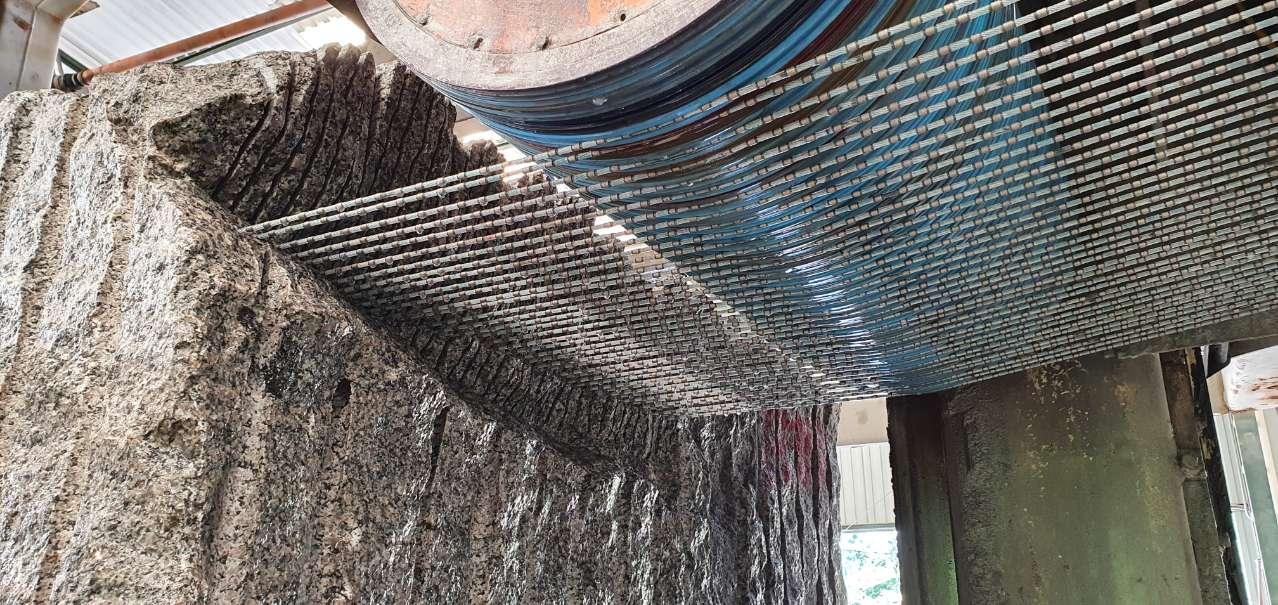
Diamond cutting wire is a cutting tool consisting of a thin wire embedded with diamond particles. It offers exceptional cutting precision and allows for intricate patterns or cuts. In concrete demolition, this technology enables workers to achieve precise and controlled cuts, even in complex structures. Whether it's removing a section of a wall, creating openings for windows or doors, or cutting trenches for utilities, diamond cutting wire ensures accurate and uniform results. The efficiency of diamond cutting wire also significantly reduces labor costs and project timelines, making it a preferred choice for contractors.
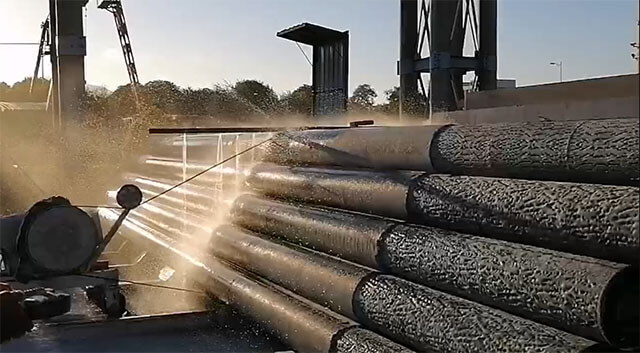
Reducing Vibrations, Noise, and Dust
Unlike traditional demolition methods, diamond cutting wire produces minimal vibrations, noise, and dust. This advantage is particularly crucial in urban areas where nearby buildings, infrastructure, or delicate structures require protection. By minimizing vibrations, diamond cutting wire reduces the risk of structural damage or cracks in adjacent structures. Additionally, the low noise level improves working conditions for construction workers while minimizing disturbance to the surrounding environment. Moreover, with the use of water during the cutting process, diamond cutting wire effectively controls and suppresses dust, ensuring a safer and cleaner working environment.
Versatile Applications
Diamond cutting wire finds extensive applications in concrete demolition. It is suitable for various types of concrete, including reinforced concrete, precast concrete, or even concrete with embedded steel. The versatility of this cutting tool allows it to be used in a wide range of projects, such as demolishing walls, beams, columns, or removing sections of pavement. Moreover, diamond cutting wire can be utilized in different industries, including construction, renovation, or restoration of historical structures. Its ability to cut through tough materials makes it an invaluable asset in the field of concrete demolition.
In conclusion, diamond cutting wire has revolutionized the concrete demolition process in the construction industry. Its precision, efficiency, and versatility make it a practical choice for contractors seeking to achieve accurate and controlled cuts. By minimizing vibrations, noise, and dust, diamond cutting wire greatly improves working conditions and reduces potential risks. As technology continues to advance, the use of diamond cutting wire is likely to expand further, offering more innovative solutions for concrete demolition challenges.

Use evidence that can be retained
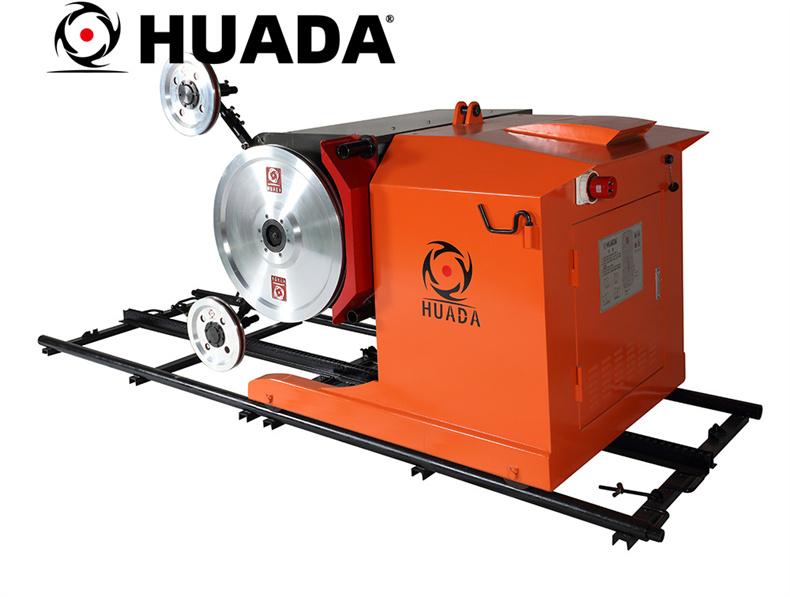
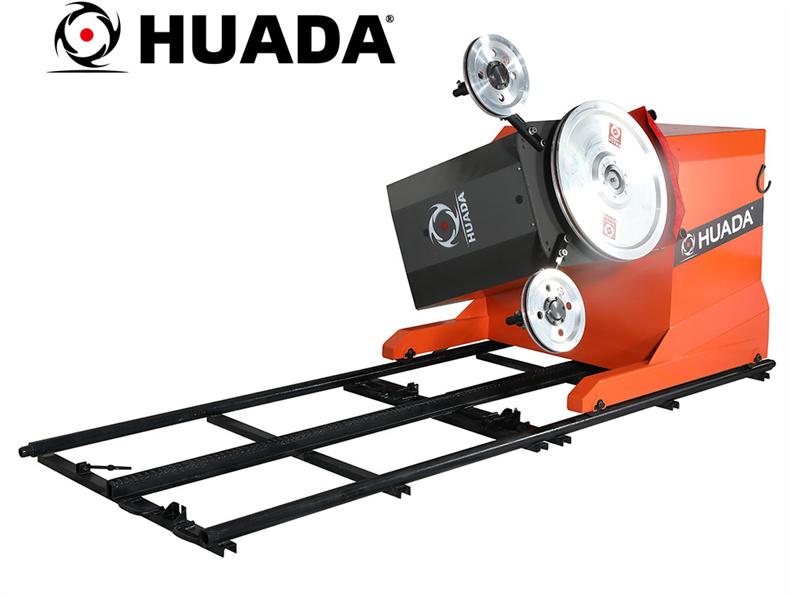
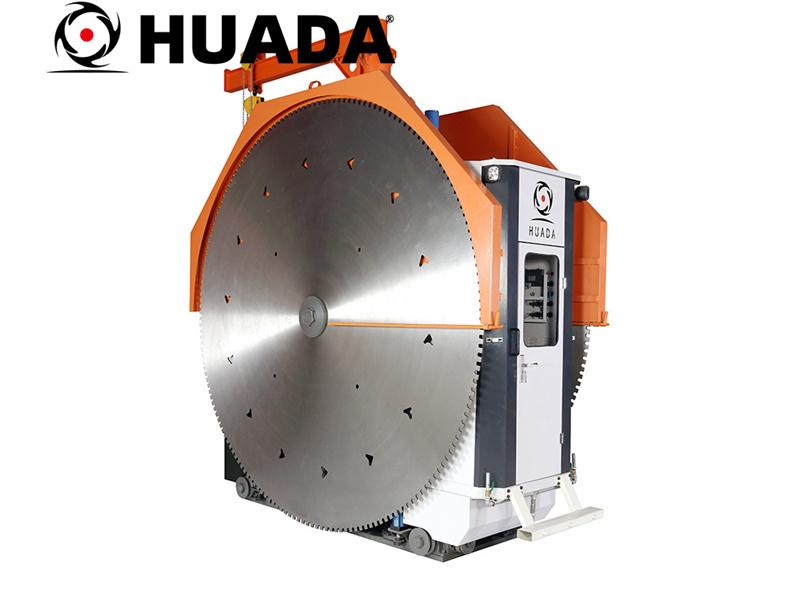
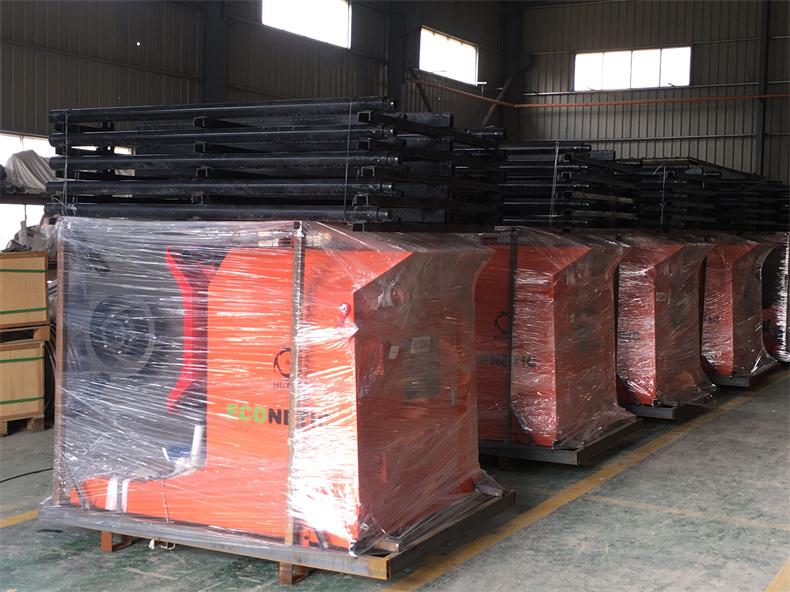
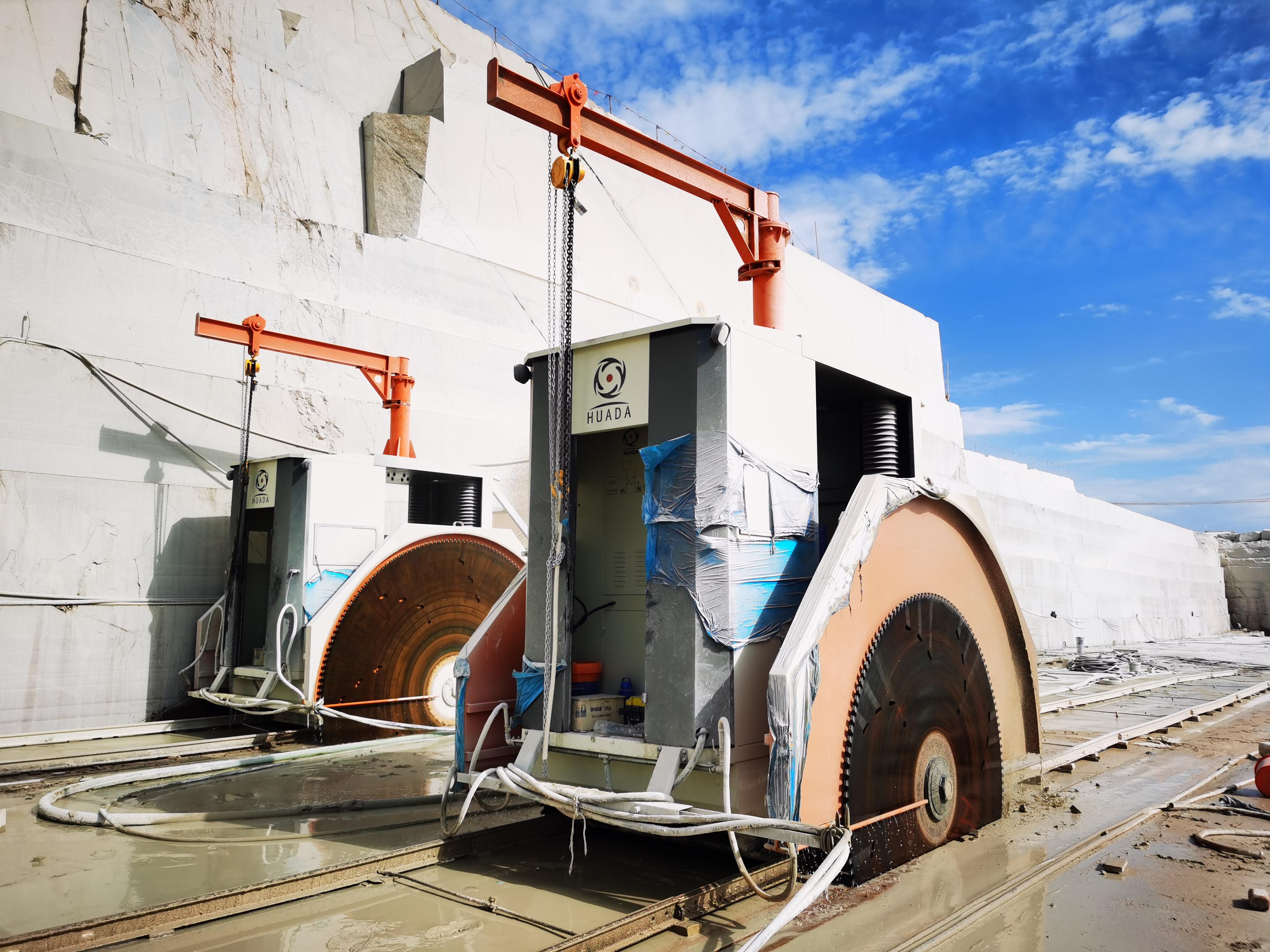
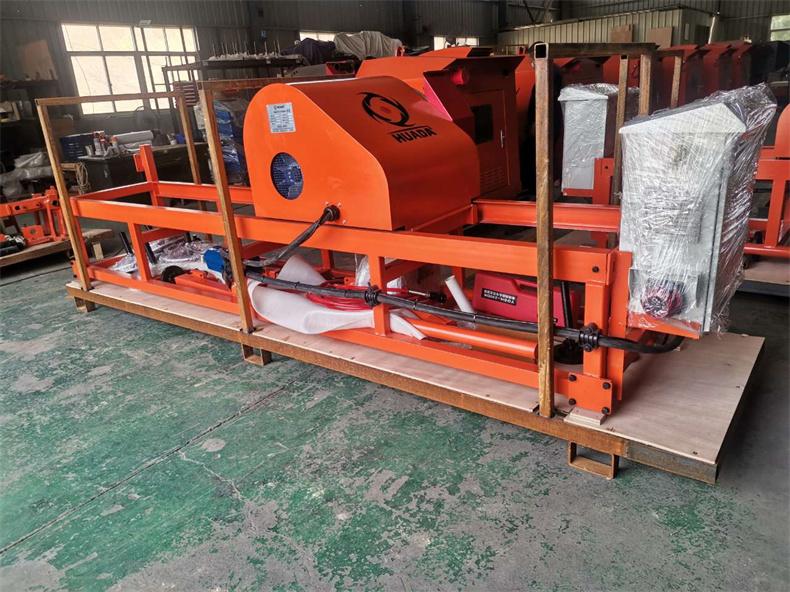
A practical review of “Practical Uses of Diamond Cutting Wire in Concrete Demolition” should retain a survey, engineered cutting plan, equipment schedule, lifting method and site acceptance record. Photographs and brochures help identify the offered configuration, but they do not replace a test condition, measured result or signed scope. Record settings for tool speed, feed, cooling, anchoring, exclusion zones and the sequence used to release each section so the accepted result can be repeated.
Control the main operating risk
The recurring risk in “Practical Uses of Diamond Cutting Wire in Concrete Demolition” is starting the cut before services, reinforcement, support, lifting and released-section weight are confirmed. Set a stop condition, assign who checks the machine and tool, and keep changes traceable. If the result moves outside the agreed window, investigate the material, alignment, tooling and utilities before adding load or speed.
Define the application before comparing equipment
For “Practical Uses of Diamond Cutting Wire in Concrete Demolition,” write down member dimensions, reinforcement, access, cut sequence, lifting plan, utilities and slurry control. This separates a real project requirement from a search phrase and gives every supplier the same boundary. The proposed reinforced concrete cutting equipment can then be checked against the material, site and required result instead of being accepted by name alone.
Decision and acceptance table
| Decision point | What to define | Evidence to keep |
|---|---|---|
| Application | member dimensions, reinforcement, access, cut sequence, lifting plan, utilities and slurry control | Written job or product brief |
| Operating window | tool speed, feed, cooling, anchoring, exclusion zones and the sequence used to release each section | Recorded trial settings and observations |
| Acceptance | a survey, engineered cutting plan, equipment schedule, lifting method and site acceptance record | Signed sample, cut record or inspection note |
| Risk control | starting the cut before services, reinforcement, support, lifting and released-section weight are confirmed | Named corrective action and stop condition |
Buyer and operator checklist
- Material and cut or hole dimensions for Practical Uses of Diamond Cutting Wire in Concrete Demolition
- Offered reinforced concrete cutting equipment configuration and included tooling
- Power, water, compressed air, access and lifting requirements
- Settings and checks covering tool speed, feed, cooling, anchoring, exclusion zones and the sequence used to release each section
- Factory or site acceptance method and responsible people
- Training, critical spares, manuals and service response boundary
Frequently asked questions
What should be confirmed first for Practical Uses of Diamond Cutting Wire in Concrete Demolition?
For Practical Uses of Diamond Cutting Wire in Concrete Demolition, start with member dimensions, reinforcement, access, cut sequence, lifting plan, utilities and slurry control. Those inputs determine whether the proposed reinforced concrete cutting equipment and tool are relevant.
How should performance for Practical Uses of Diamond Cutting Wire in Concrete Demolition be verified?
For Practical Uses of Diamond Cutting Wire in Concrete Demolition, use a survey, engineered cutting plan, equipment schedule, lifting method and site acceptance record. Keep the material, operating conditions and acceptance criteria with the result.
Which settings matter during Practical Uses of Diamond Cutting Wire in Concrete Demolition?
For Practical Uses of Diamond Cutting Wire in Concrete Demolition, record tool speed, feed, cooling, anchoring, exclusion zones and the sequence used to release each section. A result without its settings is difficult to reproduce or compare.
When should work on Practical Uses of Diamond Cutting Wire in Concrete Demolition be paused?
For Practical Uses of Diamond Cutting Wire in Concrete Demolition, pause when the workpiece, support, guarding, utilities or cutting condition is unsafe, or when starting the cut before services, reinforcement, support, lifting and released-section weight are confirmed is observed.