Use “Key Technical Features of Concrete Demolition Saw” as a decision brief for a reinforced concrete cutting equipment: define member dimensions, reinforcement, access, cut sequence, lifting plan, utilities and slurry control, verify tool speed, feed, cooling, anchoring, exclusion zones and the sequence used to release each section and retain a survey, engineered cutting plan, equipment schedule, lifting method and site acceptance record before approval.
Technical context for Key Technical Features of Concrete Demolition Saw
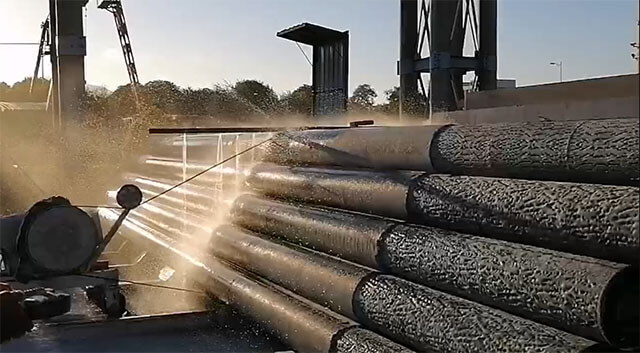
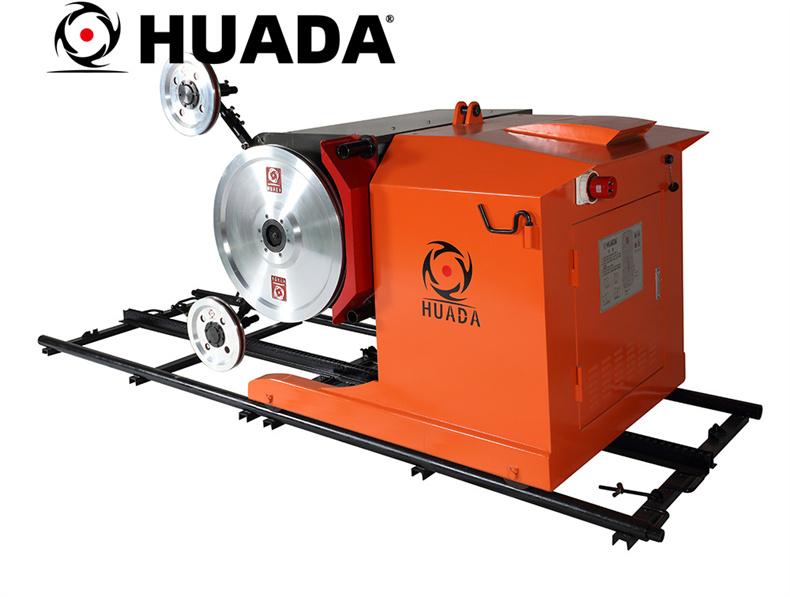
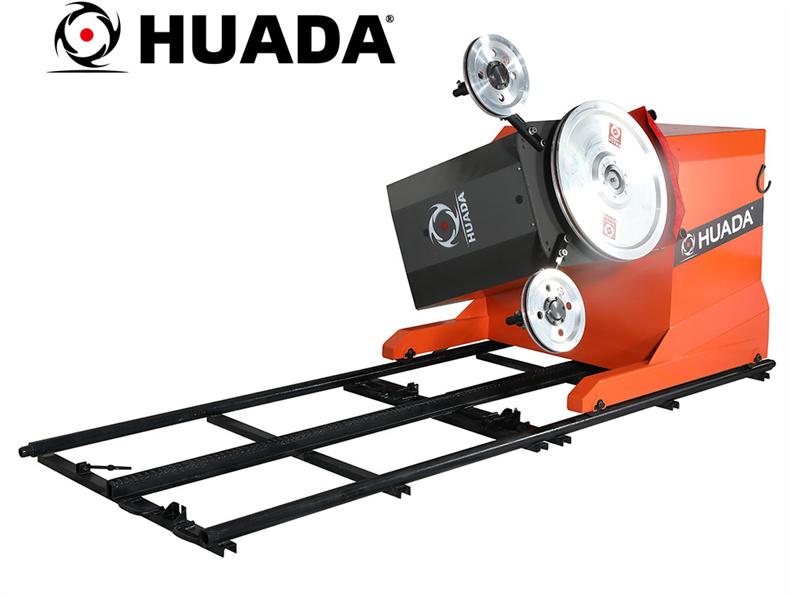
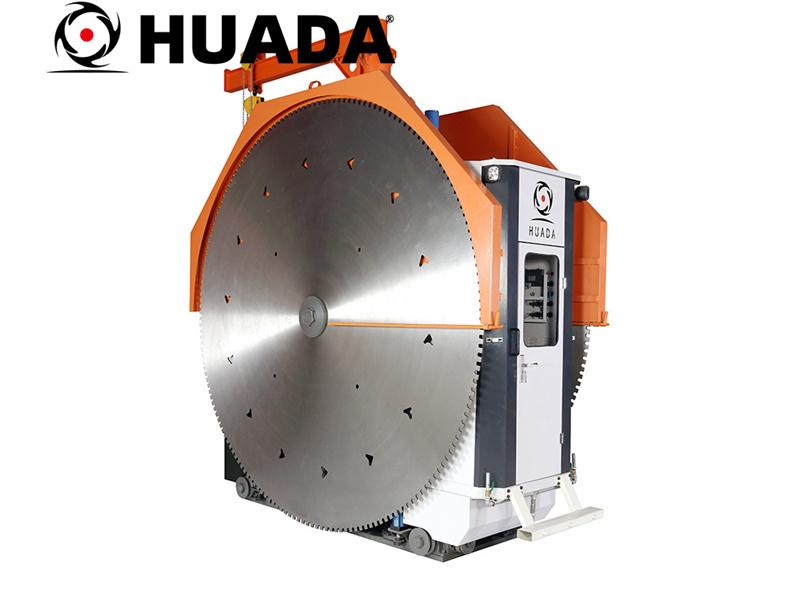
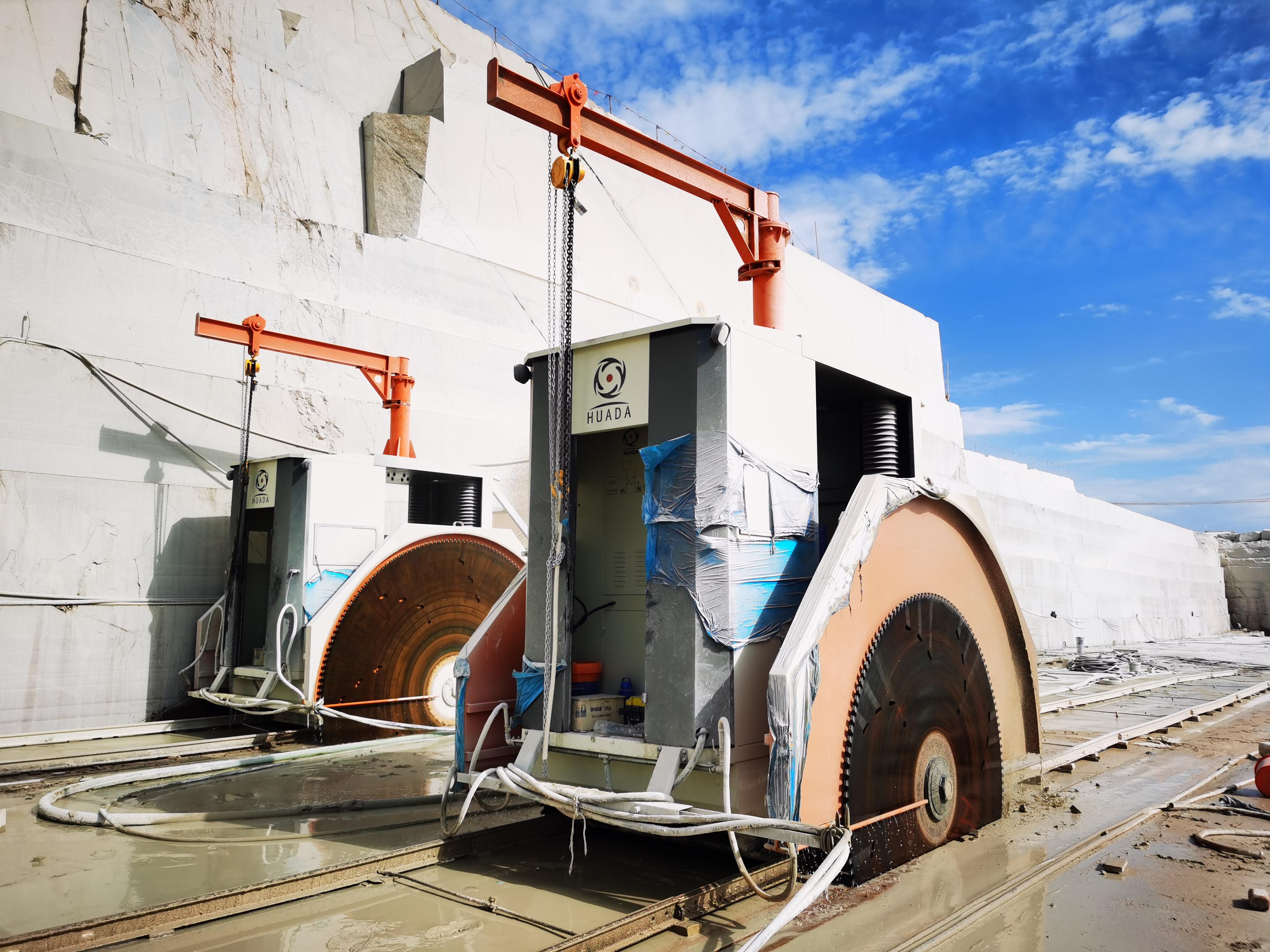
Concrete demolition saw is a vital tool in the stone industry. It is specifically designed to cut through concrete materials, making it an essential equipment for various construction and renovation projects. The key technical features of a concrete demolition saw play a crucial role in ensuring efficiency, accuracy, and safety in the cutting process. In this article, we will explore these key technical features and their significance in the stone industry.
1. Power and Motor
The power and motor of a concrete demolition saw are fundamental to its performance. These saws are typically equipped with powerful engines that provide high torque and RPM (revolutions per minute) to cut through tough concrete materials effortlessly. The power output is measured in horsepower (HP) or watts (W), and a higher power rating indicates a more capable saw. Additionally, the motor should have sufficient cooling mechanisms to prevent overheating during prolonged use. A robust power and motor system ensures efficient cutting and extends the tool's lifespan.
2. Diamond Blades
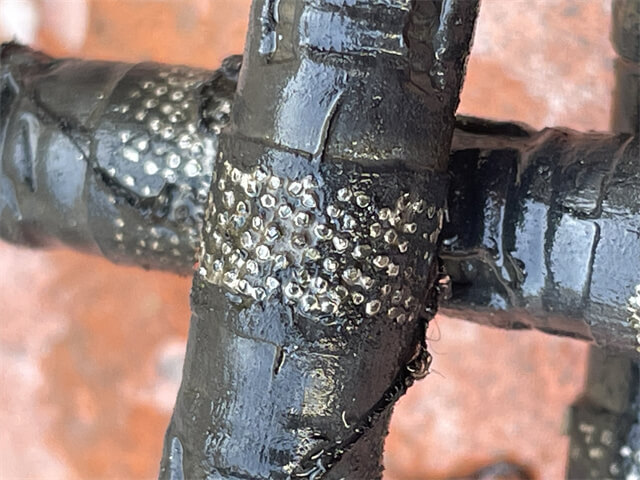
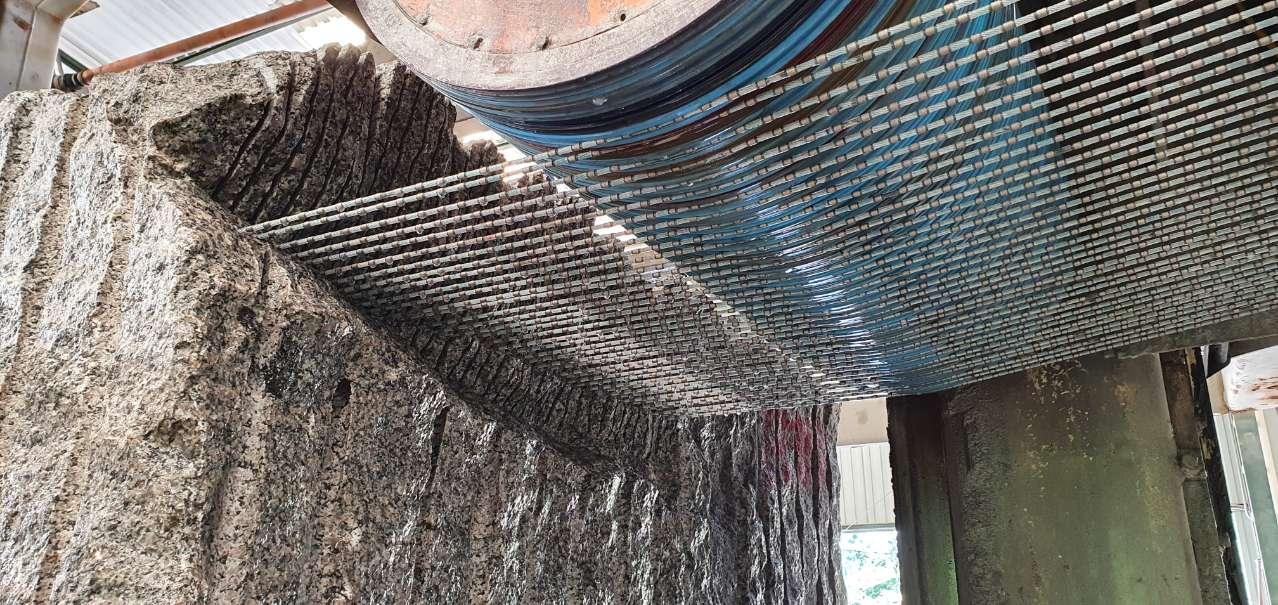
Diamond blades are the cutting tools used in concrete demolition saws. These blades are embedded with synthetic diamond crystals, which are the most durable and abrasive-resistant materials available. The quality and design of diamond blades greatly impact the saw's cutting speed, precision, and longevity. The size and configuration of the diamond segments on the blade surface determine the depth and smoothness of the cuts. Moreover, laser-welded or sintered diamond blades offer enhanced durability and better heat dissipation, allowing for continuous cutting without blade deformation or loss of cutting efficiency.
3. Dust Management
Concrete cutting generates a significant amount of dust that can be hazardous to both workers and the environment. Effective dust management is thus a critical feature of concrete demolition saws. These saws are equipped with built-in dust collection systems or can be connected to external vacuum devices to minimize airborne dust particles. Some models include a water suppression system that sprays water on the cutting blade, reducing dust generation and improving visibility during operation. Proper dust management not only ensures a healthier work environment but also contributes to the efficient functioning of the equipment by preventing clogging and overheating.
In conclusion, the key technical features of a concrete demolition saw, including power and motor, diamond blades, and dust management mechanisms, play a vital role in the stone industry. These features collectively enable efficient, precise, and safe cutting of concrete materials, ensuring the success of various construction and renovation projects. Therefore, understanding and utilizing these technical features are essential for professionals in the stone industry to maximize productivity and maintain high standards of workmanship.
Use evidence that can be retained
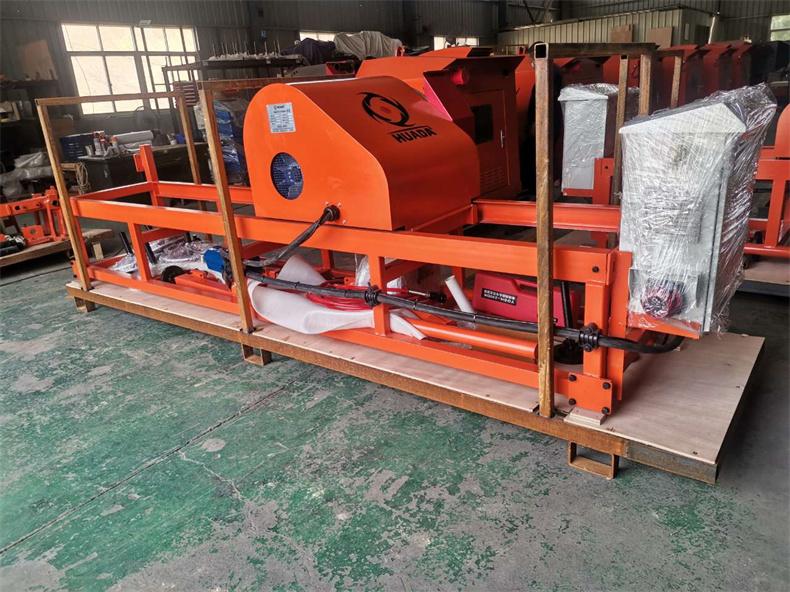
A practical review of “Key Technical Features of Concrete Demolition Saw” should retain a survey, engineered cutting plan, equipment schedule, lifting method and site acceptance record. Photographs and brochures help identify the offered configuration, but they do not replace a test condition, measured result or signed scope. Record settings for tool speed, feed, cooling, anchoring, exclusion zones and the sequence used to release each section so the accepted result can be repeated.
Control the main operating risk
The recurring risk in “Key Technical Features of Concrete Demolition Saw” is starting the cut before services, reinforcement, support, lifting and released-section weight are confirmed. Set a stop condition, assign who checks the machine and tool, and keep changes traceable. If the result moves outside the agreed window, investigate the material, alignment, tooling and utilities before adding load or speed.
Define the application before comparing equipment
For “Key Technical Features of Concrete Demolition Saw,” write down member dimensions, reinforcement, access, cut sequence, lifting plan, utilities and slurry control. This separates a real project requirement from a search phrase and gives every supplier the same boundary. The proposed reinforced concrete cutting equipment can then be checked against the material, site and required result instead of being accepted by name alone.
Decision and acceptance table
| Decision point | What to define | Evidence to keep |
|---|---|---|
| Application | member dimensions, reinforcement, access, cut sequence, lifting plan, utilities and slurry control | Written job or product brief |
| Operating window | tool speed, feed, cooling, anchoring, exclusion zones and the sequence used to release each section | Recorded trial settings and observations |
| Acceptance | a survey, engineered cutting plan, equipment schedule, lifting method and site acceptance record | Signed sample, cut record or inspection note |
| Risk control | starting the cut before services, reinforcement, support, lifting and released-section weight are confirmed | Named corrective action and stop condition |
Buyer and operator checklist
- Material and cut or hole dimensions for Key Technical Features of Concrete Demolition Saw
- Offered reinforced concrete cutting equipment configuration and included tooling
- Power, water, compressed air, access and lifting requirements
- Settings and checks covering tool speed, feed, cooling, anchoring, exclusion zones and the sequence used to release each section
- Factory or site acceptance method and responsible people
- Training, critical spares, manuals and service response boundary
Frequently asked questions
What should be confirmed first for Key Technical Features of Concrete Demolition Saw?
For Key Technical Features of Concrete Demolition Saw, start with member dimensions, reinforcement, access, cut sequence, lifting plan, utilities and slurry control. Those inputs determine whether the proposed reinforced concrete cutting equipment and tool are relevant.
How should performance for Key Technical Features of Concrete Demolition Saw be verified?
For Key Technical Features of Concrete Demolition Saw, use a survey, engineered cutting plan, equipment schedule, lifting method and site acceptance record. Keep the material, operating conditions and acceptance criteria with the result.
Which settings matter during Key Technical Features of Concrete Demolition Saw?
For Key Technical Features of Concrete Demolition Saw, record tool speed, feed, cooling, anchoring, exclusion zones and the sequence used to release each section. A result without its settings is difficult to reproduce or compare.
When should work on Key Technical Features of Concrete Demolition Saw be paused?
For Key Technical Features of Concrete Demolition Saw, pause when the workpiece, support, guarding, utilities or cutting condition is unsafe, or when starting the cut before services, reinforcement, support, lifting and released-section weight are confirmed is observed.