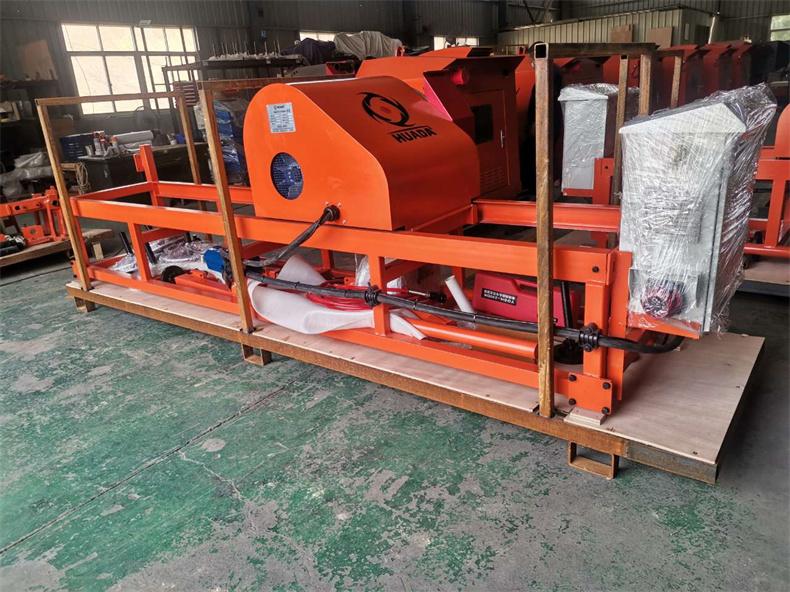

Claim marginalia
Three application labels survive in the archived article: reinforced-concrete demolition, concrete-block cutting or shaping, and concrete surface removal. This edition places a margin note beside each label. The notes preserve what the source named while preventing those names from becoming a method, capability statement, or project result.
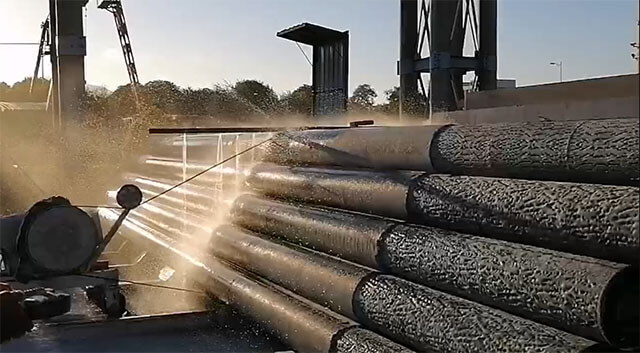
Three labels with their evidence margins
Reinforced-concrete demolition
This wording is present as an application heading in the archive.
Margin: no identified wire, reinforcement range, structure, engineered plan, or completed project establishes a demolition or reinforcement-cutting capability.
Concrete-block cutting or shaping
The phrase records a second historical topic.
Margin: the source identifies no block, machine, angle, geometry, facade, test, or accepted shape, so it supports no shaping or precision conclusion.
Concrete surface removal
This is the third application label retained from the old prose.
Margin: no floor, wall, surface system, underlying structure, renovation project, or preservation record is identified.
What an evidence annotation would have to identify
- Wire identity
- An exact, attributable record rather than a generic title or image.
- Material qualification
- The specific material and reinforcement context addressed by that record.
- Machine identity
- A documented machine relationship, not an inference from mixed media.
- Structural-plan identity
- A project-bound assessment and plan owned by the relevant qualified parties.
- Project identity
- A dated site record with a stated scope and attributable result.
None of these identities is supplied by the frozen source. Listing the missing evidence does not provide a demolition, cutting, shaping, or removal procedure.
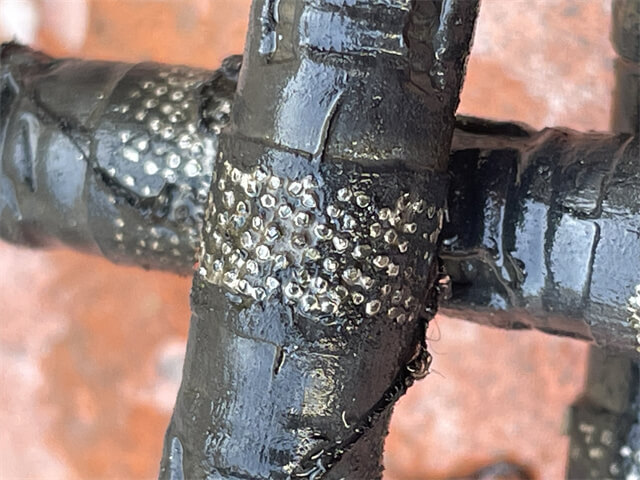
Claims struck from the readable record
The archive does not establish effortless reinforcement cutting, precise or controlled demolition, exact angles, intricate shapes, facade work, floor or wall removal, reduced vibration, crack prevention, preservation of an underlying structure, lower dust or debris, safer work, higher productivity, or future adoption. Each would require direct, attributable evidence that is absent here.
Why the image sequence remains visibly mixed
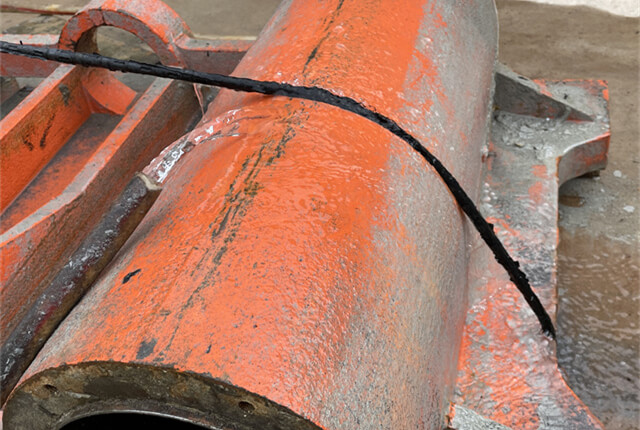
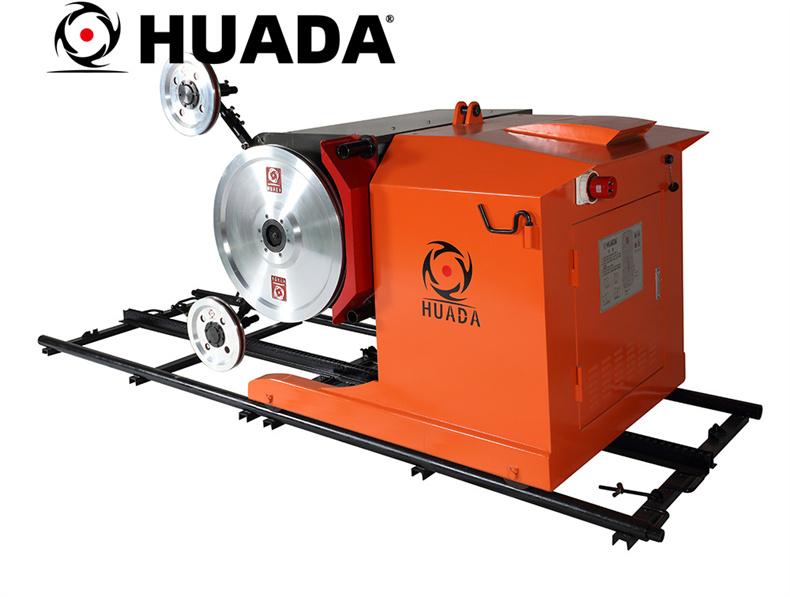
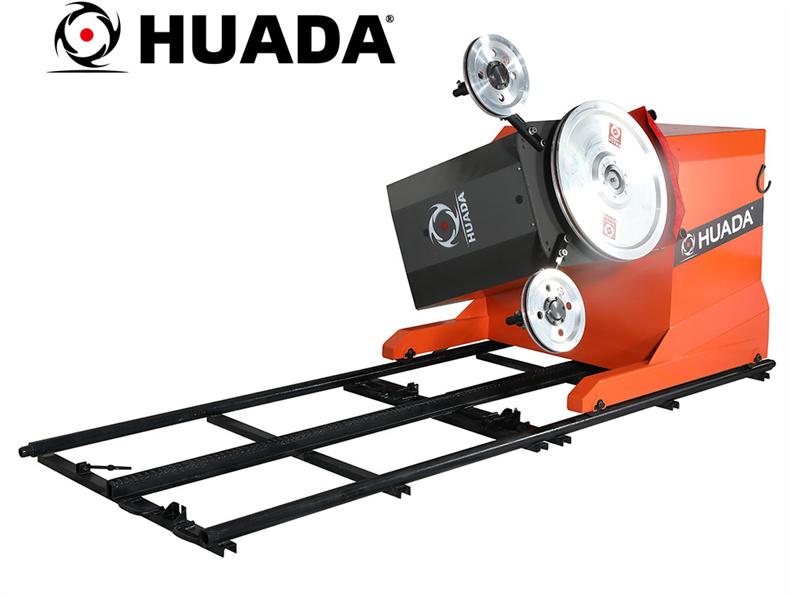
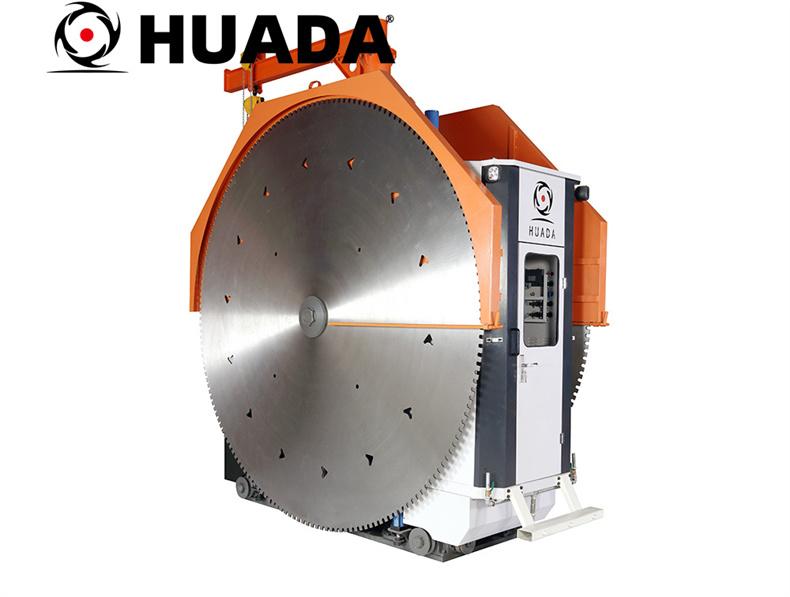
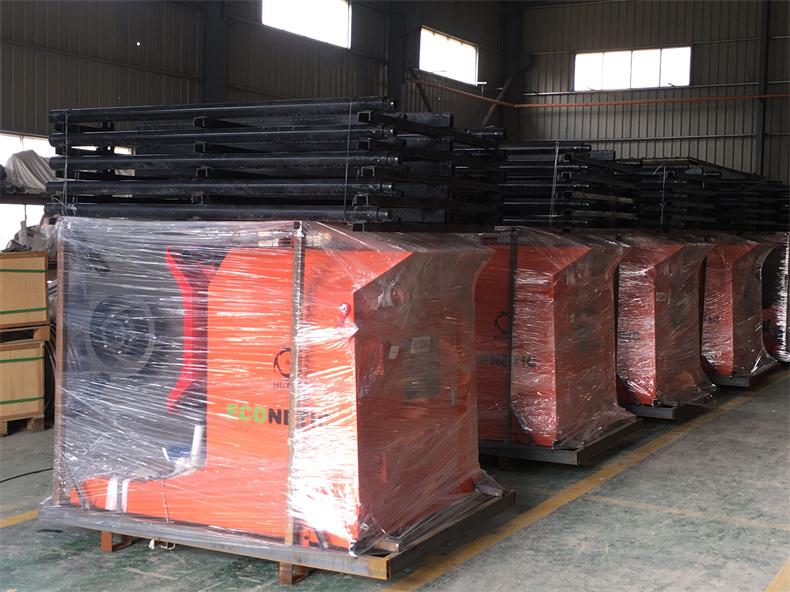
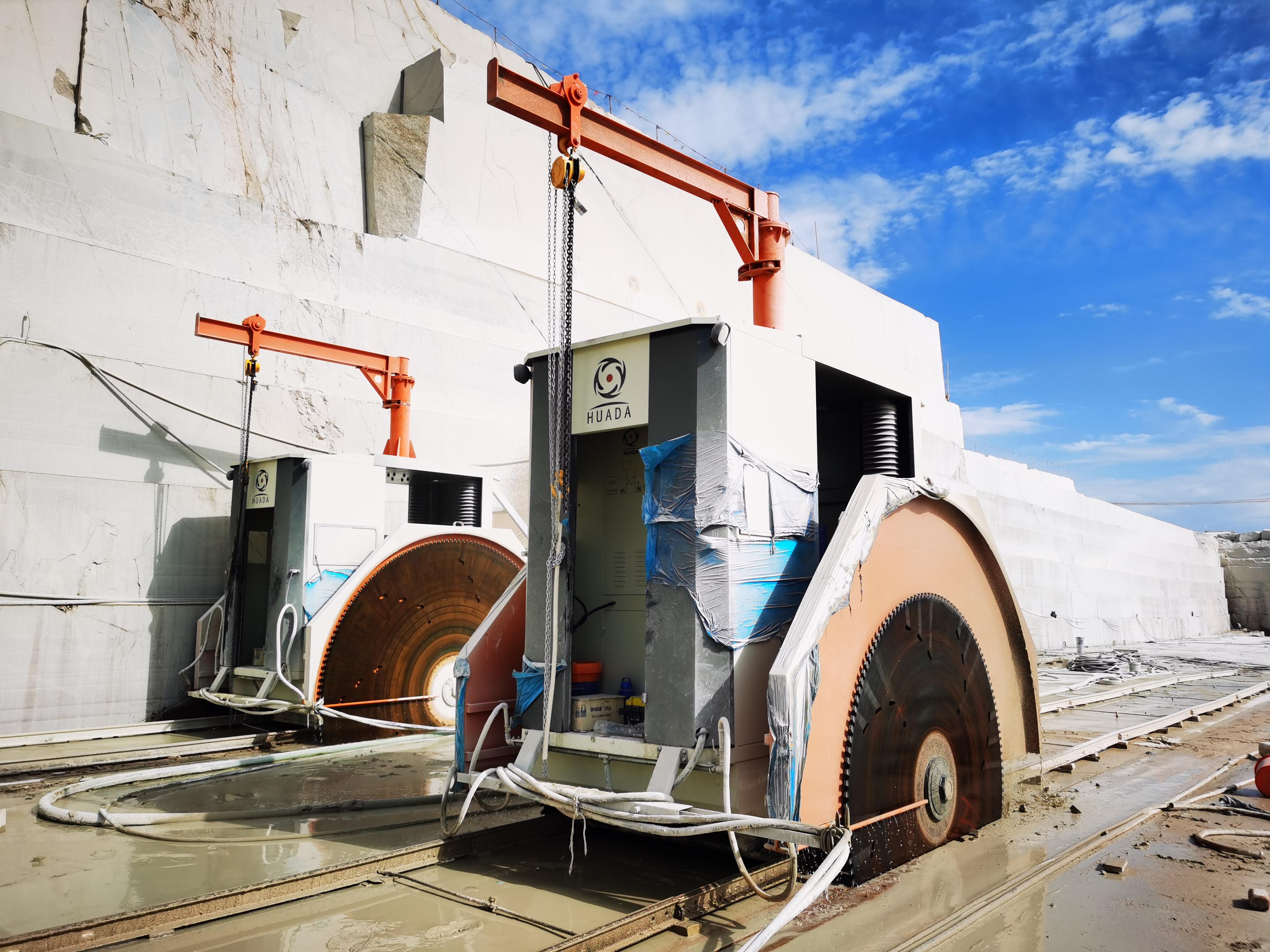
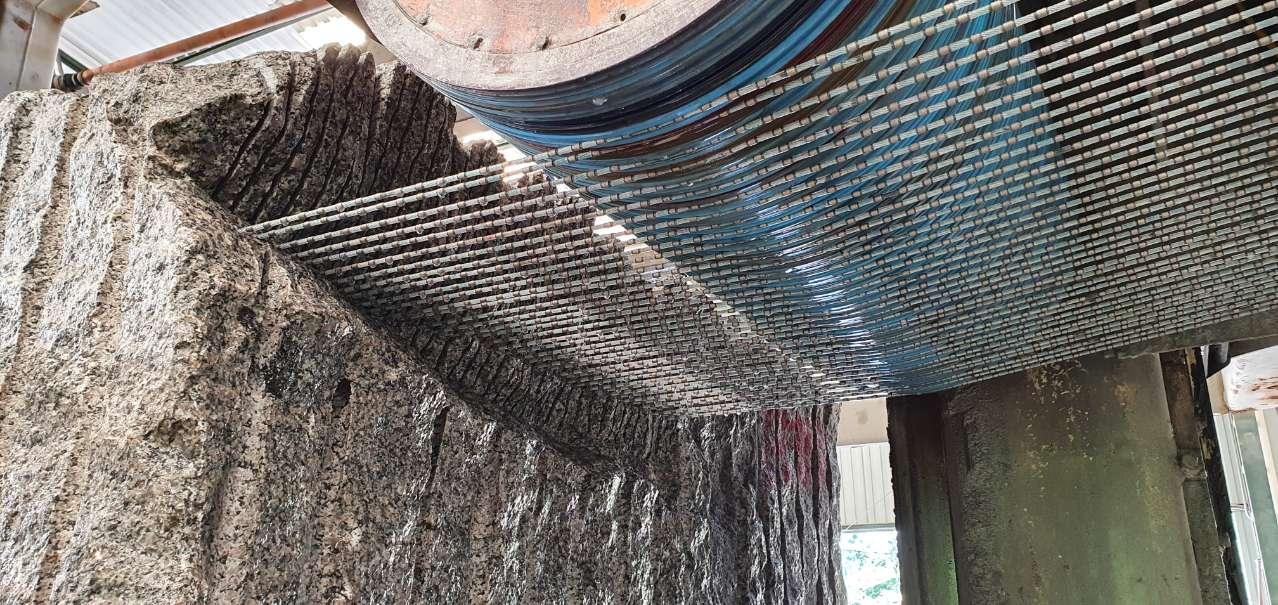
The first retained image uses concrete-related wording; the next two use steel and metal wording. Their exact order is preserved as historical evidence. The mix is a reason to withhold material and product inference, not a reason to merge the three images into a single capability claim.