Use “Essential Knowledge about Concrete Cutting Equipment” as a decision brief for a reinforced concrete cutting equipment: define member dimensions, reinforcement, access, cut sequence, lifting plan, utilities and slurry control, verify tool speed, feed, cooling, anchoring, exclusion zones and the sequence used to release each section and retain a survey, engineered cutting plan, equipment schedule, lifting method and site acceptance record before approval.
Technical context for Essential Knowledge about Concrete Cutting Equipment
The concrete cutting industry plays a vital role in various construction projects, such as building renovations, road repairs, and infrastructure development. To efficiently and safely cut through concrete, professionals rely on specialized equipment. In this article, we will explore essential knowledge about concrete cutting equipment, including its types, applications, and key considerations.
Types of Concrete Cutting Equipment
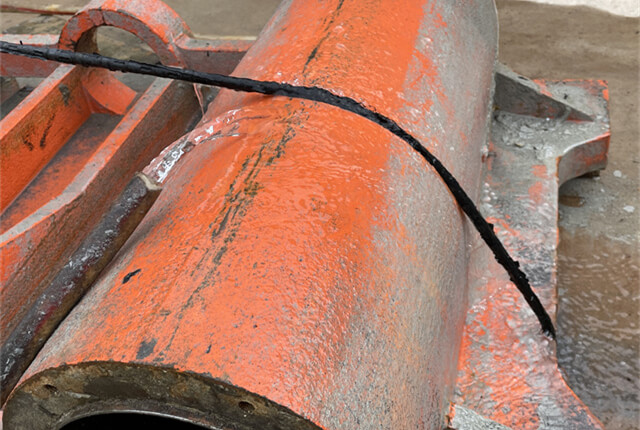
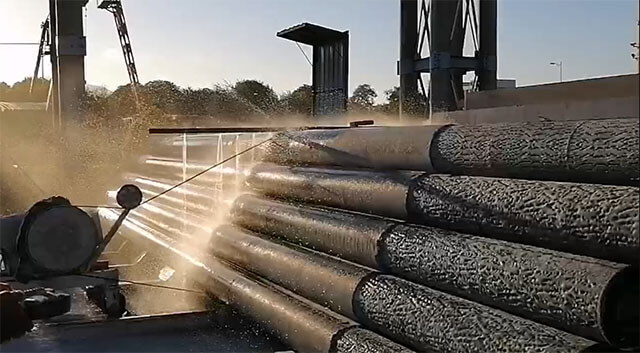
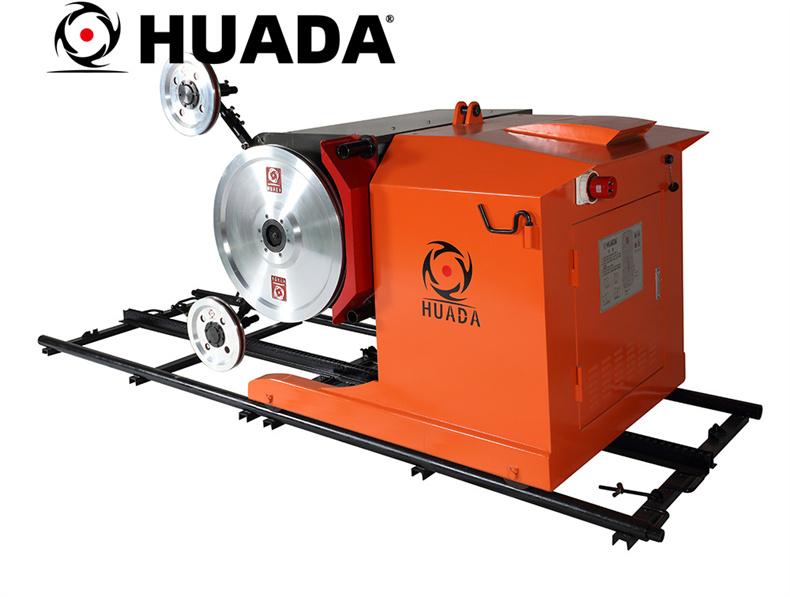
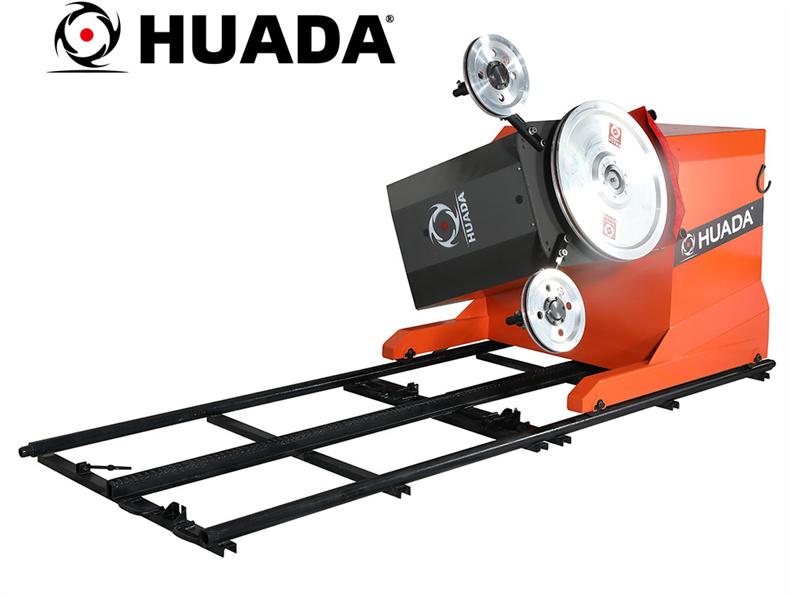
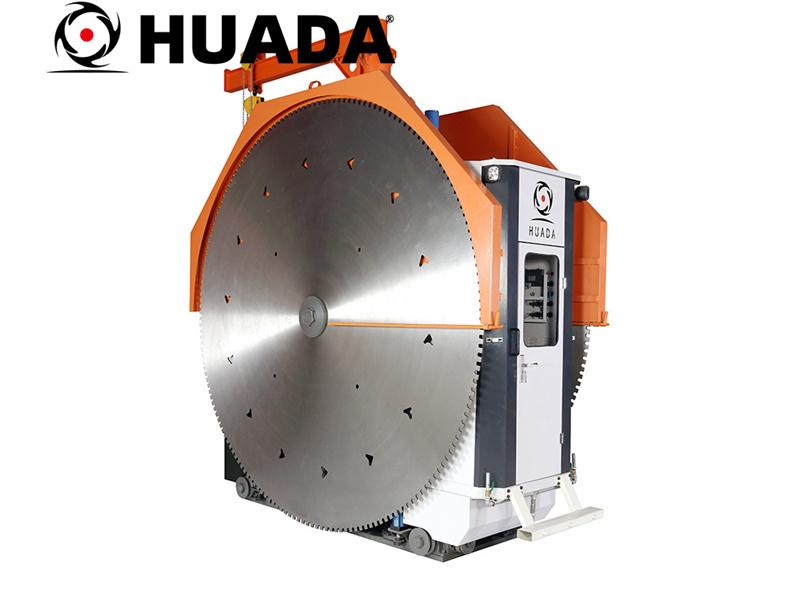
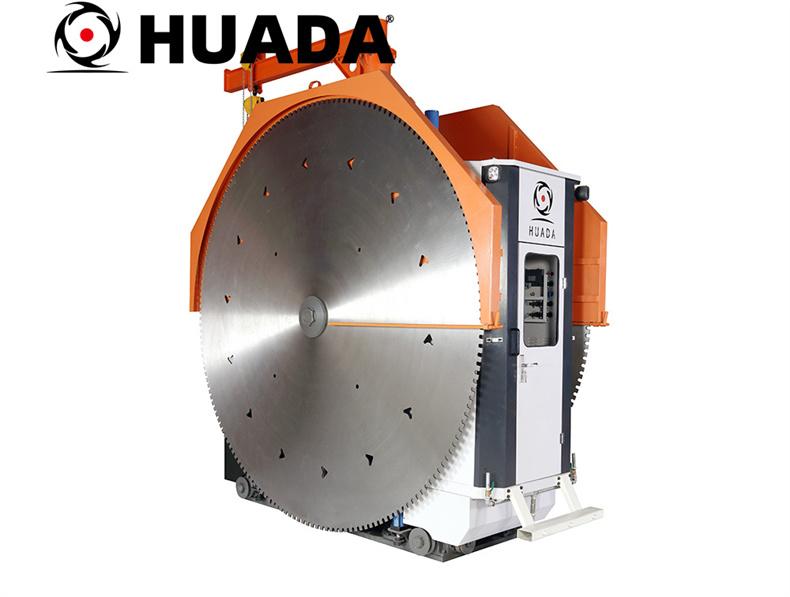
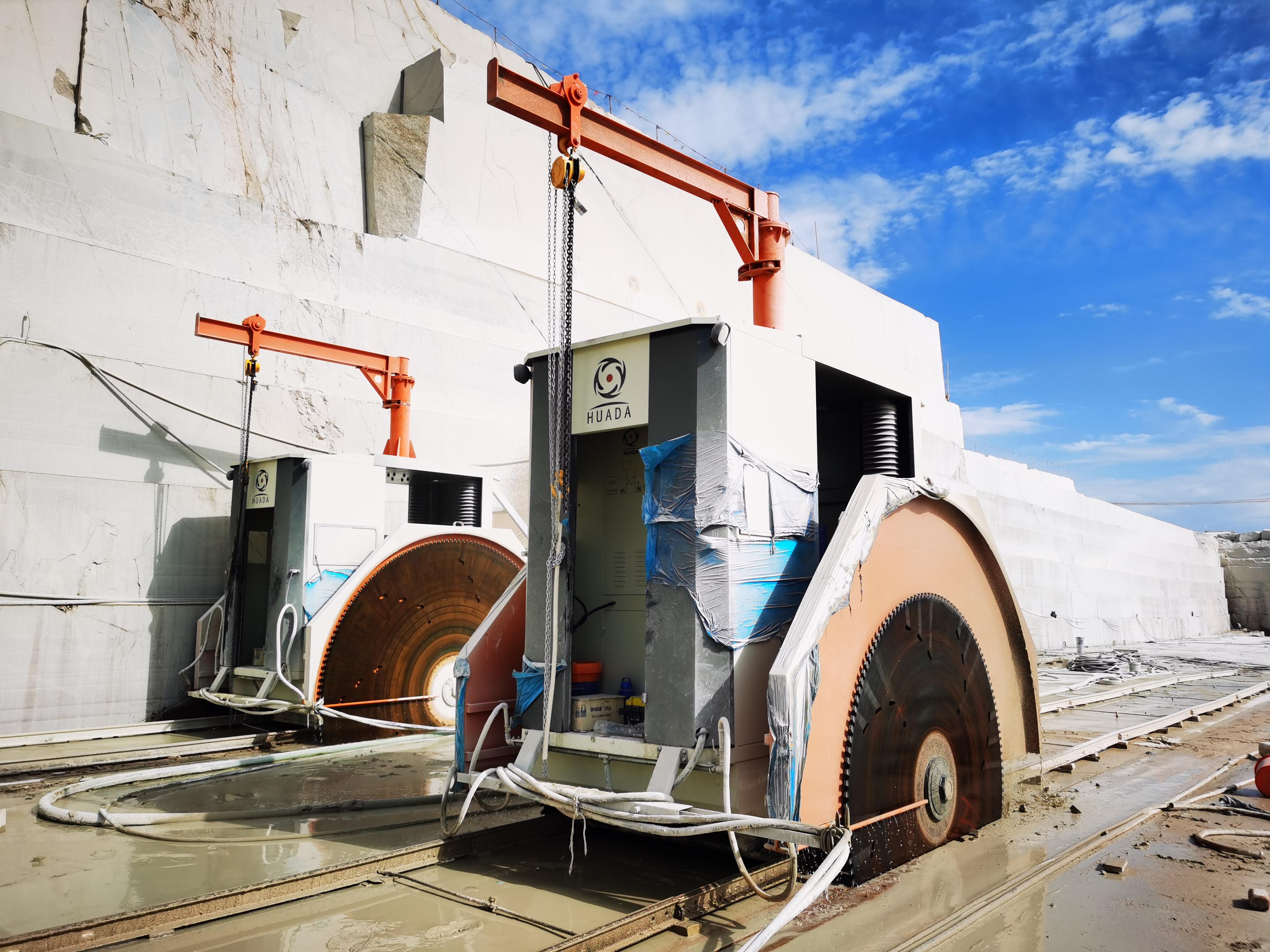
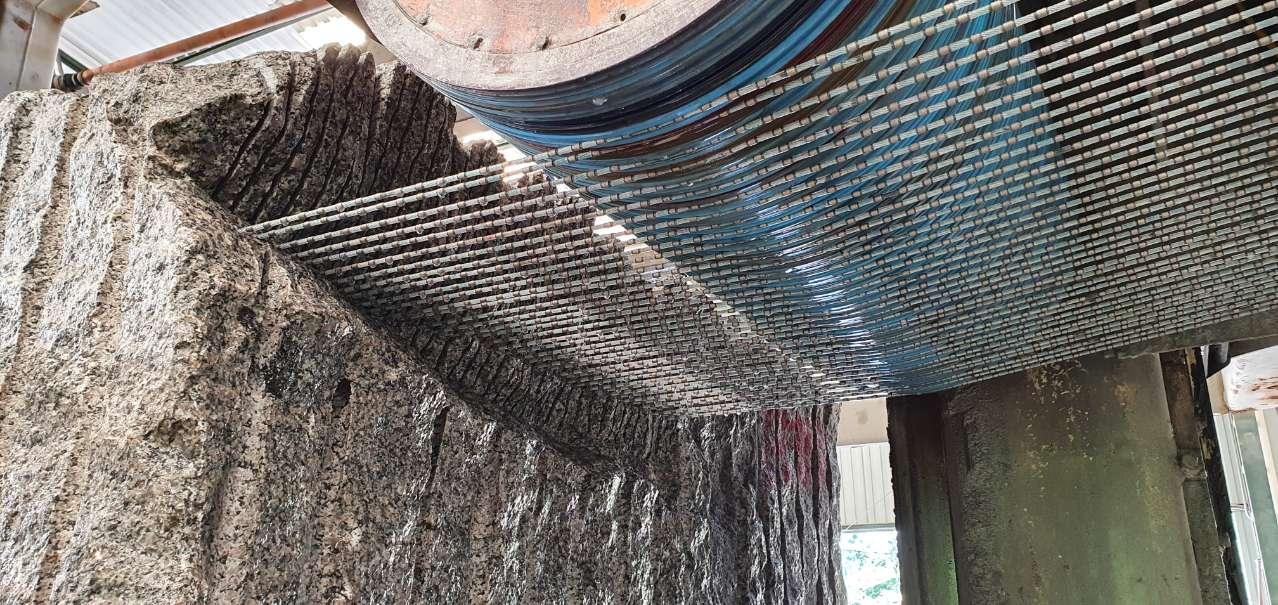
Concrete cutting equipment encompasses a wide range of tools designed for different purposes. One commonly used tool is the diamond blade saw, which features diamond segments attached to the edge of the blade. This type of saw is ideal for making precise and clean cuts in concrete surfaces. Another popular option is the wire saw, which uses a wire with diamond beads to cut through reinforced concrete or challenging materials. Additionally, wall saws, floor saws, and handheld saws are widely used for specific cutting requirements.
Applications of Concrete Cutting Equipment
Concrete cutting equipment finds applications in various industries and projects. In construction, it is crucial for creating doorways, windows, and openings in concrete walls and slabs. In road maintenance, these tools are used to repair damaged or deteriorated sections of concrete highways and pavements. Additionally, concrete cutting equipment plays a vital role in demolition projects, where it enables efficient removal of concrete structures or buildings.
Key Considerations when Choosing Concrete Cutting Equipment
When selecting concrete cutting equipment, several factors need to be considered. Firstly, the size and scope of the project should determine the type of equipment required. The material being cut, such as plain concrete or reinforced concrete, also plays a crucial role in choosing the right cutting tool. Moreover, power source options (electric, hydraulic, or pneumatic) and portability factors should be evaluated based on the project's specific needs. Additionally, considering the cutting speed, blade quality, and safety features are essential to ensure optimal performance and operator protection.
In summary,
concrete cutting equipment is an indispensable tool in the construction and maintenance industries. The types of equipment available, such as diamond blade saws and wire saws, cater to various cutting needs. Whether it is for creating openings in concrete structures or repairing roads, these tools offer precise and efficient cutting solutions. Remember to consider factors like project size, material type, power source, and safety features when choosing the appropriate concrete cutting equipment for your specific needs.
Control the main operating risk
The recurring risk in “Essential Knowledge about Concrete Cutting Equipment” is starting the cut before services, reinforcement, support, lifting and released-section weight are confirmed. Set a stop condition, assign who checks the machine and tool, and keep changes traceable. If the result moves outside the agreed window, investigate the material, alignment, tooling and utilities before adding load or speed.
Define the application before comparing equipment
For “Essential Knowledge about Concrete Cutting Equipment,” write down member dimensions, reinforcement, access, cut sequence, lifting plan, utilities and slurry control. This separates a real project requirement from a search phrase and gives every supplier the same boundary. The proposed reinforced concrete cutting equipment can then be checked against the material, site and required result instead of being accepted by name alone.
Use evidence that can be retained
A practical review of “Essential Knowledge about Concrete Cutting Equipment” should retain a survey, engineered cutting plan, equipment schedule, lifting method and site acceptance record. Photographs and brochures help identify the offered configuration, but they do not replace a test condition, measured result or signed scope. Record settings for tool speed, feed, cooling, anchoring, exclusion zones and the sequence used to release each section so the accepted result can be repeated.
Decision and acceptance table
| Decision point | What to define | Evidence to keep |
|---|---|---|
| Application | member dimensions, reinforcement, access, cut sequence, lifting plan, utilities and slurry control | Written job or product brief |
| Operating window | tool speed, feed, cooling, anchoring, exclusion zones and the sequence used to release each section | Recorded trial settings and observations |
| Acceptance | a survey, engineered cutting plan, equipment schedule, lifting method and site acceptance record | Signed sample, cut record or inspection note |
| Risk control | starting the cut before services, reinforcement, support, lifting and released-section weight are confirmed | Named corrective action and stop condition |
Buyer and operator checklist
- Material and cut or hole dimensions for Essential Knowledge about Concrete Cutting Equipment
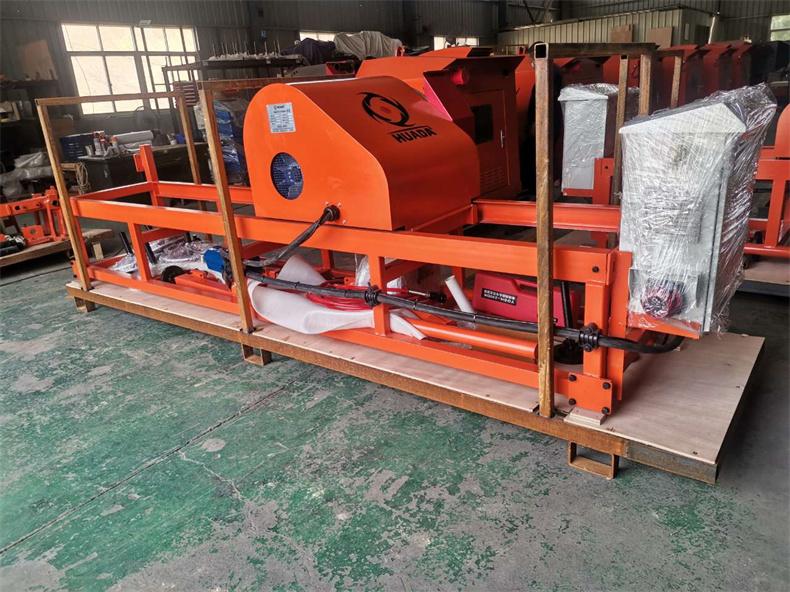
- Offered reinforced concrete cutting equipment configuration and included tooling
- Power, water, compressed air, access and lifting requirements
- Settings and checks covering tool speed, feed, cooling, anchoring, exclusion zones and the sequence used to release each section
- Factory or site acceptance method and responsible people
- Training, critical spares, manuals and service response boundary
Frequently asked questions
What should be confirmed first for Essential Knowledge about Concrete Cutting Equipment?
For Essential Knowledge about Concrete Cutting Equipment, start with member dimensions, reinforcement, access, cut sequence, lifting plan, utilities and slurry control. Those inputs determine whether the proposed reinforced concrete cutting equipment and tool are relevant.
How should performance for Essential Knowledge about Concrete Cutting Equipment be verified?
For Essential Knowledge about Concrete Cutting Equipment, use a survey, engineered cutting plan, equipment schedule, lifting method and site acceptance record. Keep the material, operating conditions and acceptance criteria with the result.
Which settings matter during Essential Knowledge about Concrete Cutting Equipment?
For Essential Knowledge about Concrete Cutting Equipment, record tool speed, feed, cooling, anchoring, exclusion zones and the sequence used to release each section. A result without its settings is difficult to reproduce or compare.
When should work on Essential Knowledge about Concrete Cutting Equipment be paused?
For Essential Knowledge about Concrete Cutting Equipment, pause when the workpiece, support, guarding, utilities or cutting condition is unsafe, or when starting the cut before services, reinforcement, support, lifting and released-section weight are confirmed is observed.