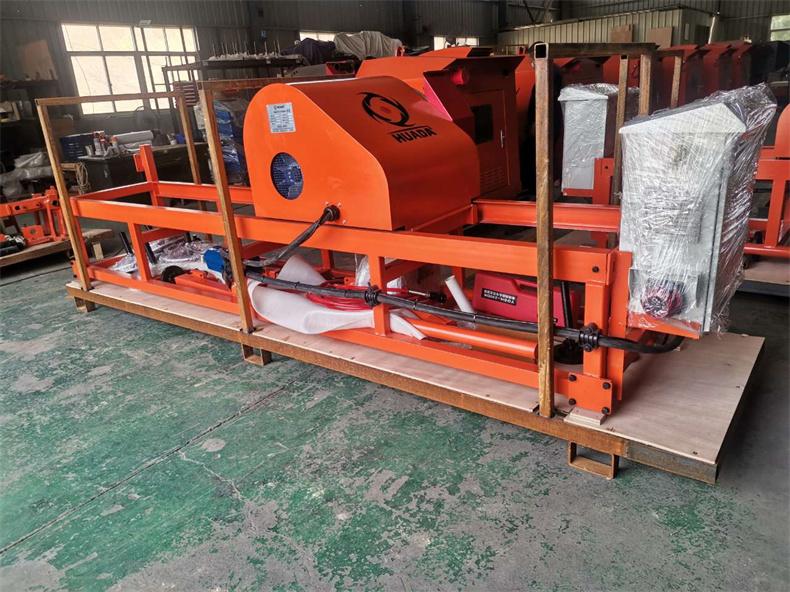

The frozen page is retained as an evidence-limited map with three lanes: a general construction description, two type names used by the archive, and several application categories. None of those lanes is a current Huada product specification or a performance claim.
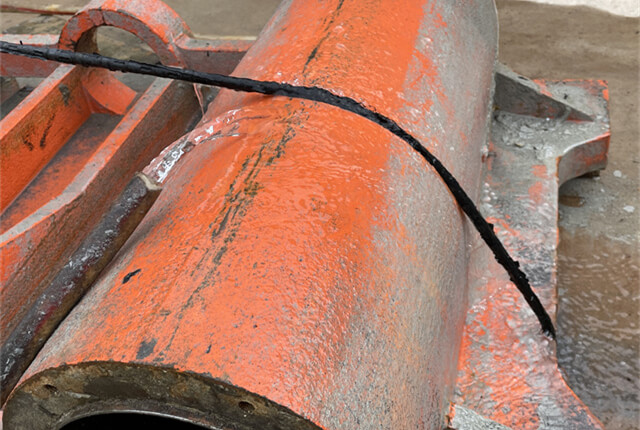
Lane one: archived construction description
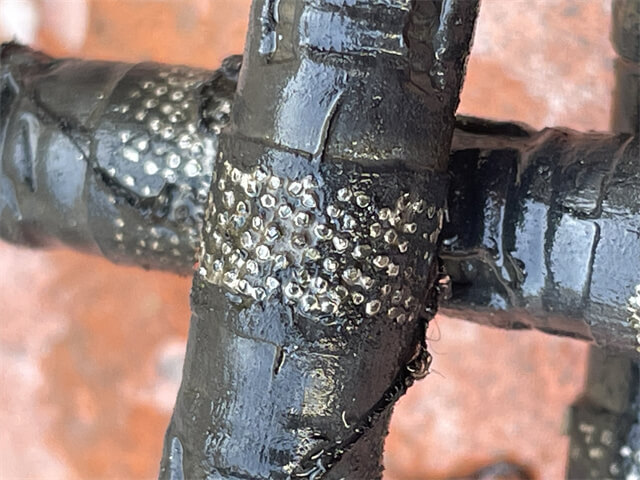
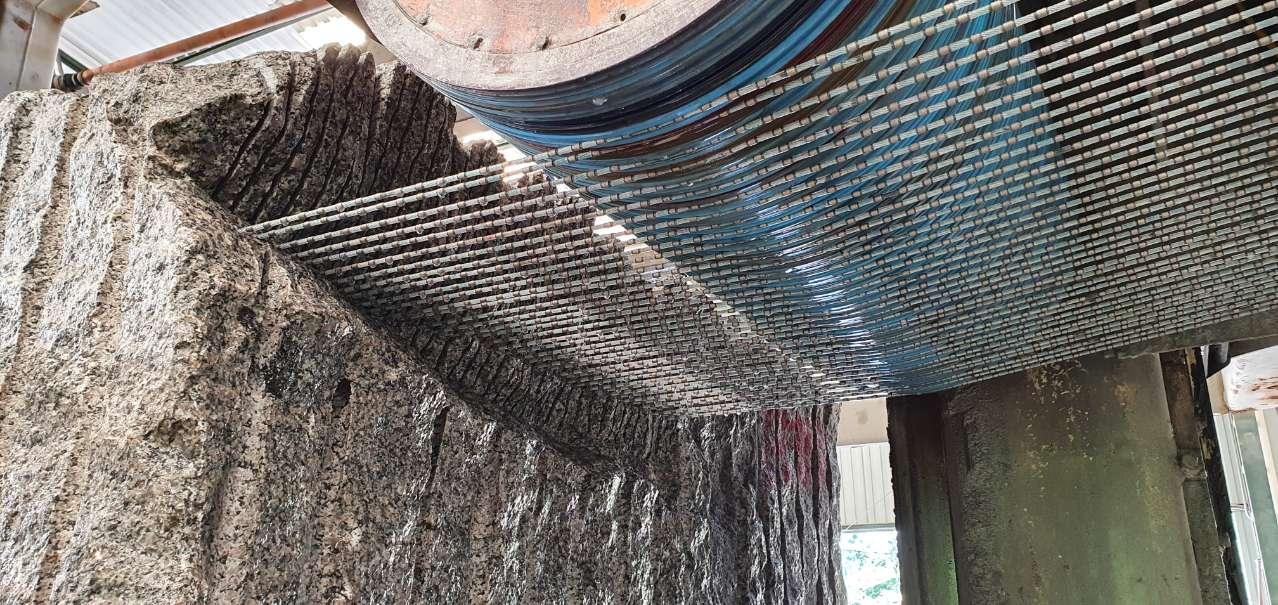
The source describes a steel cable carrying diamond-bearing beads. It also says bead arrangement and density can vary according to application. This is a broad historical description only. No cable dimension, bead geometry, diamond concentration, bond, connection, model identity or operating limit is bound to the page.
Lane two: type names, without a suitability ranking
The archived article names electroplated and sintered wire as two categories. That taxonomy is preserved as the archive's wording, not presented as exhaustive or universal. The frozen evidence does not support comparative claims about price, material suitability, efficiency, durability or reinforced-concrete performance, so this candidate does not repeat them.
A type name alone cannot answer which current wire is offered, how it is constructed, or whether it applies to a particular job. Those questions require a current first-party technical record linked to the actual product and application.
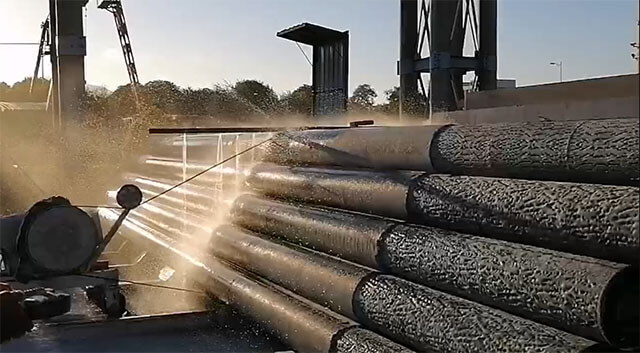
Lane three: application categories in the historical overview
The archive lists slab cutting, contouring or shaping, and concrete demolition or dismantling as application examples. It supplies no Huada model, job record, material condition, configuration or measured outcome for those examples. They are therefore retained as historical categories rather than recommendations or proof of precision, control, low damage, versatility or efficiency.
Category is not qualification
Being named in an archive does not establish that a current wire fits a material, reinforcement condition, machine or project. No operating sequence or selection rule is created from the list.
Evidence the archive does not contain
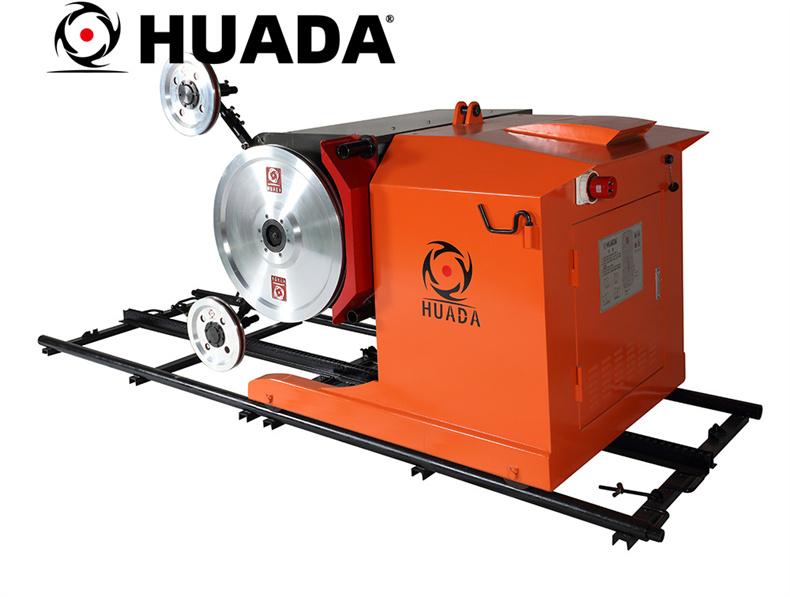
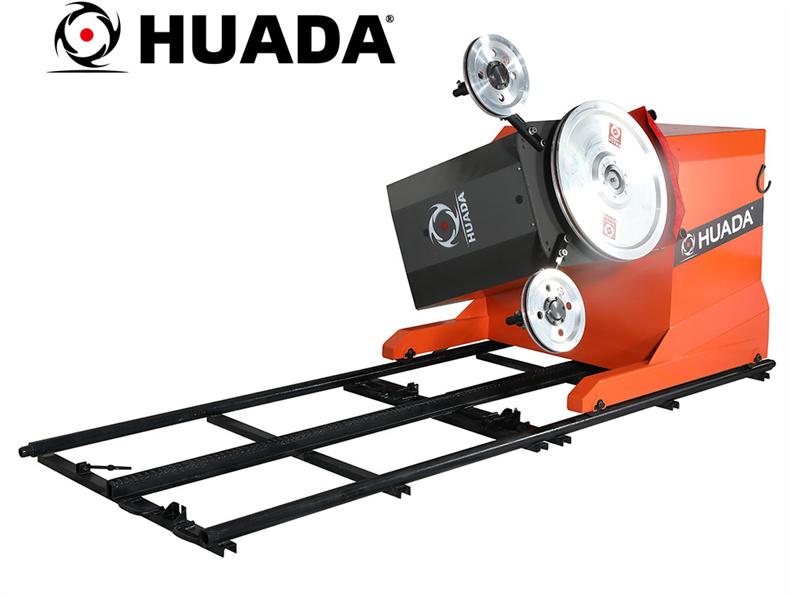
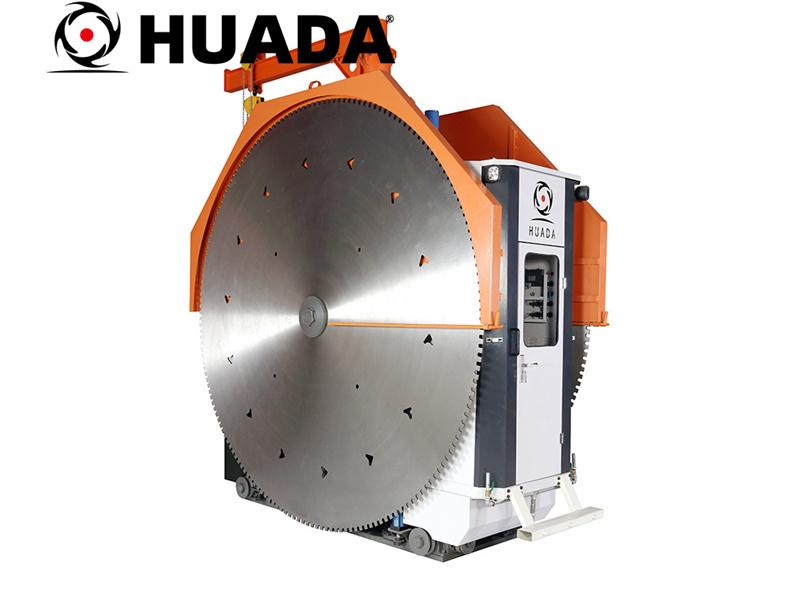
The historical text does not identify a current product model; provide bead, cable or bond specifications; define application limits; or bind the three images to a tested concrete-cutting result. It also does not establish whether the two type labels cover every available construction. These absences prevent the page from functioning as a product sheet or selection guide.