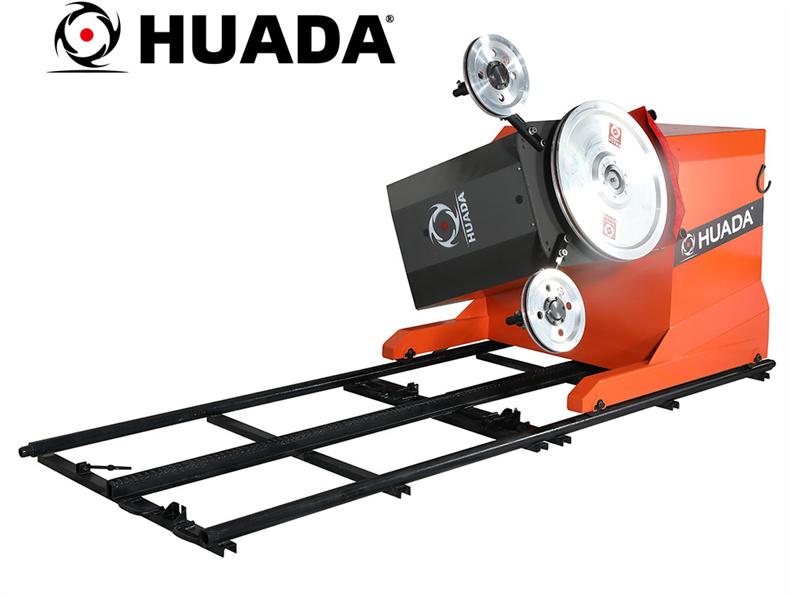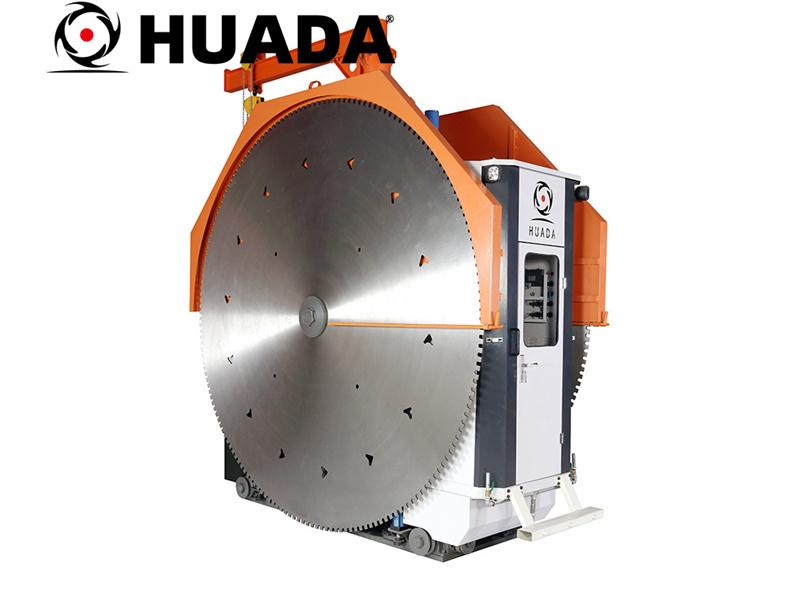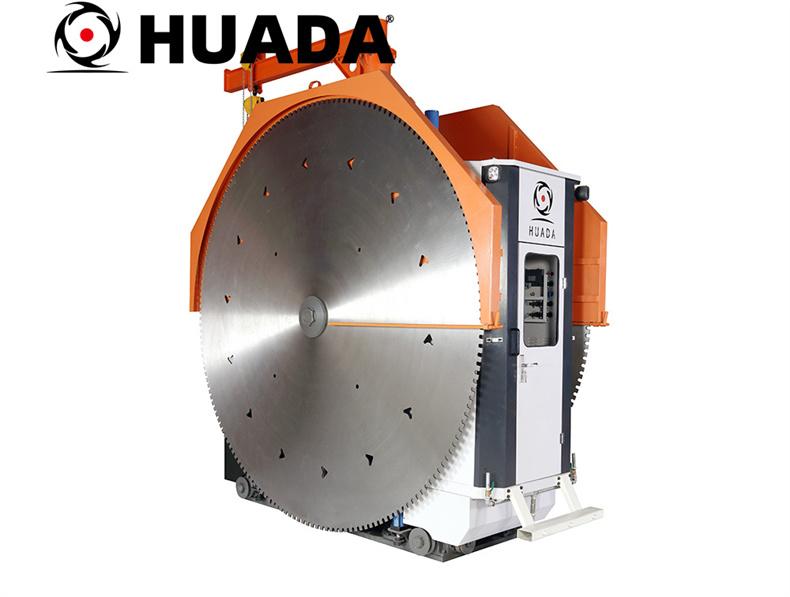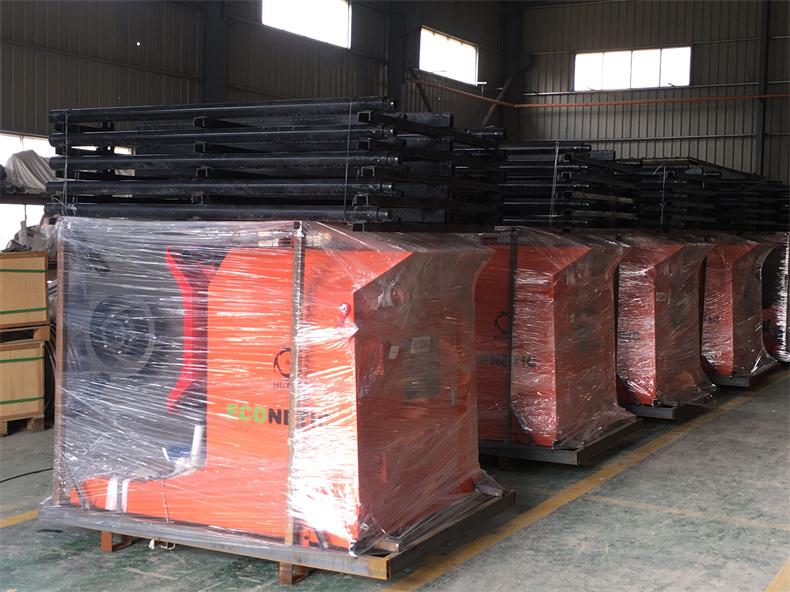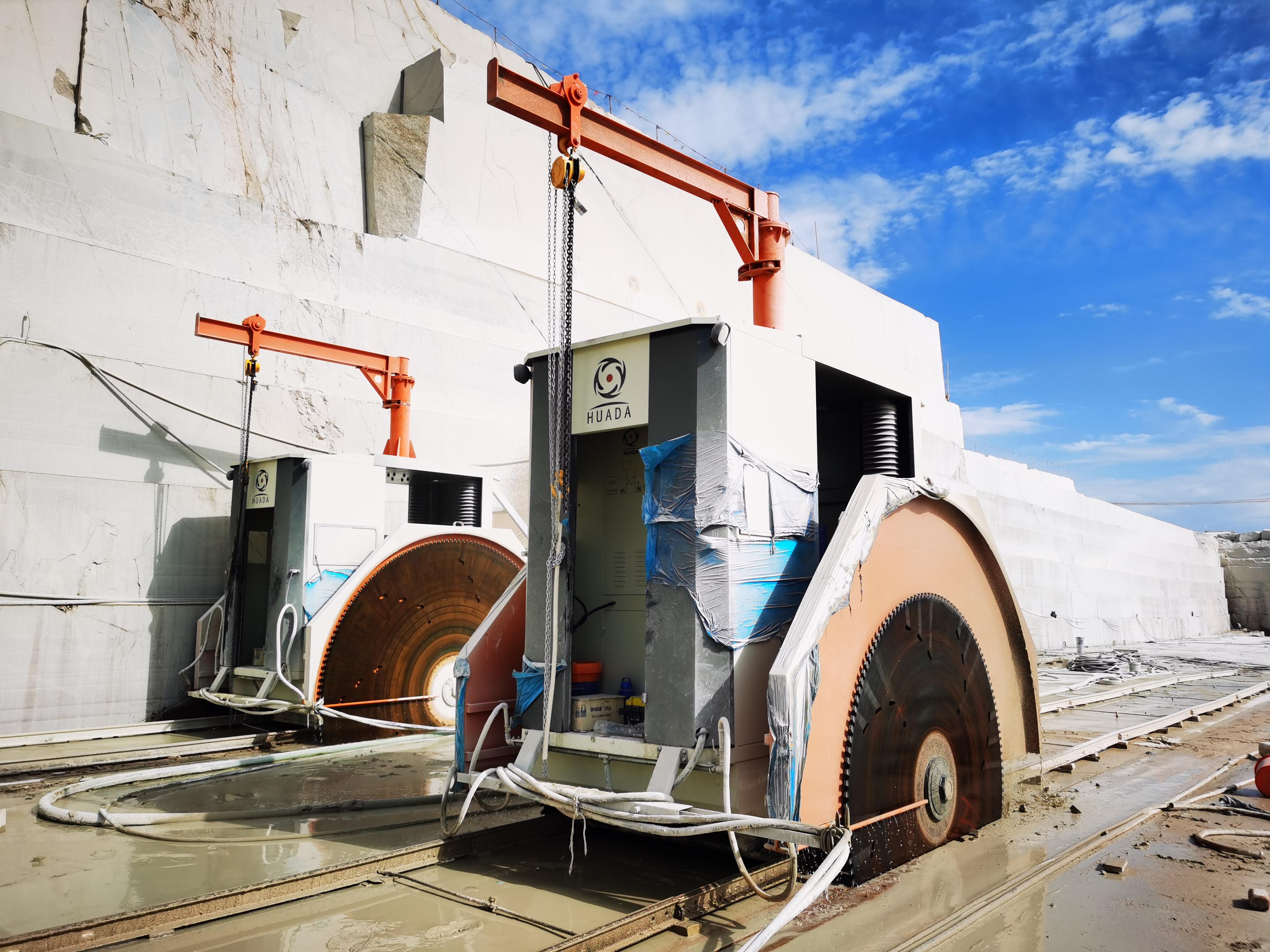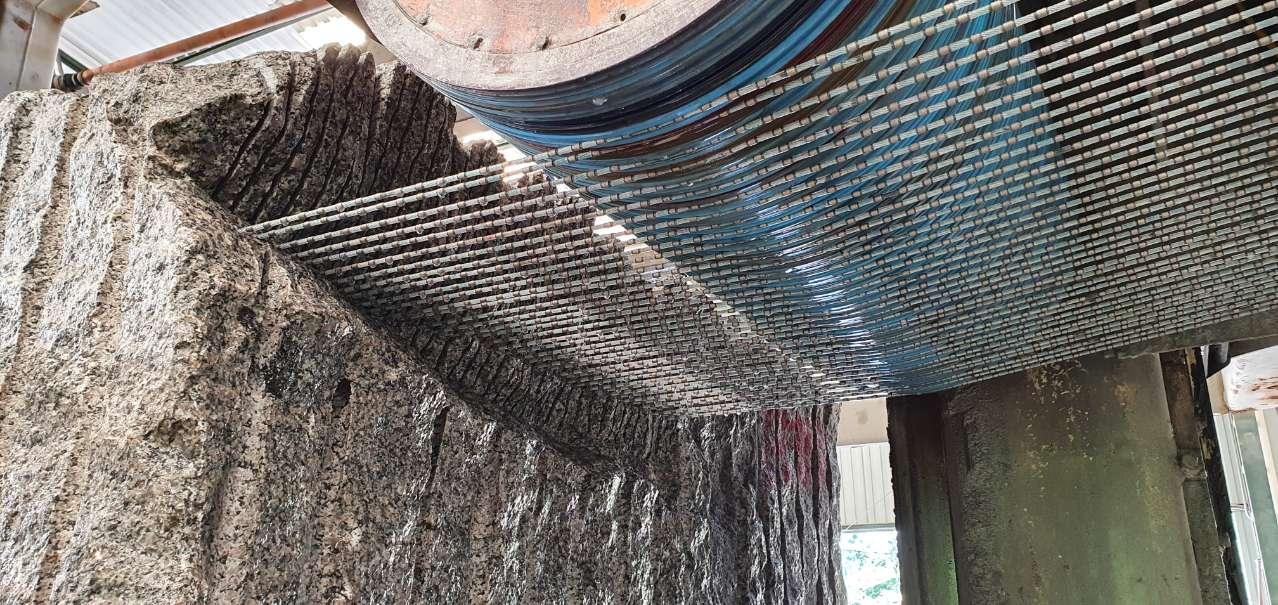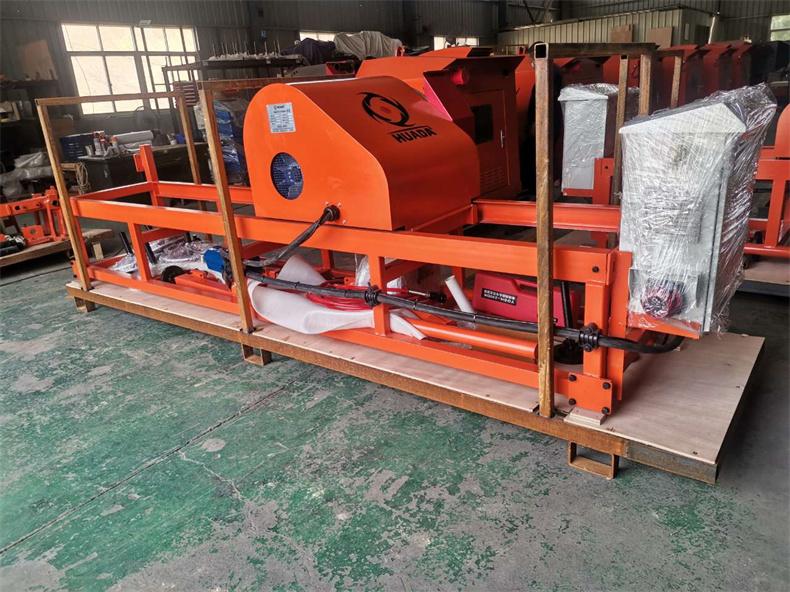
Application fit for “Application of Metal Cutting Equipment in Reinforced Concrete” depends on member dimensions, reinforcement, access, cut sequence, lifting plan, utilities and slurry control. Confirm the proposed reinforced concrete cutting equipment with a representative trial or documented reference before scaling the process.
Technical context for Application of Metal Cutting Equipment in Reinforced Concrete
The application of metal cutting equipment in the reinforced concrete industry has revolutionized the way construction projects are carried out. With advancements in technology and the increasing demand for durable and efficient construction materials, metal cutting equipment plays a crucial role in shaping and refining reinforced concrete structures. This article will explore the various aspects of the application of metal cutting equipment in the reinforced concrete industry.
1. Precise Cutting Techniques
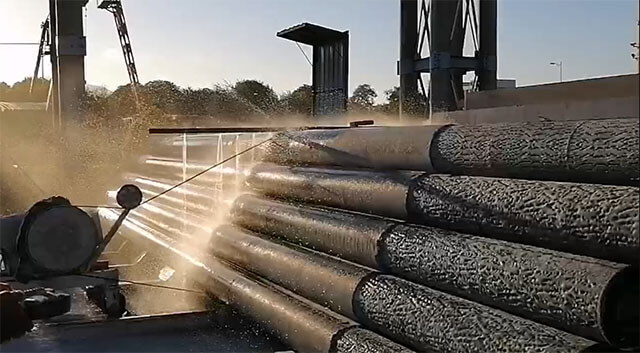
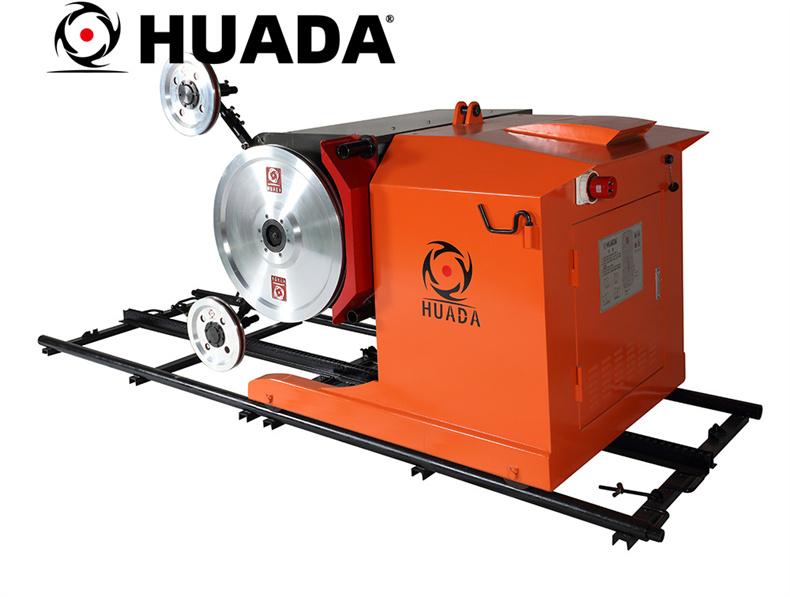
Metal cutting equipment, such as diamond wire saws and abrasive waterjets, have enabled precise cutting techniques in the reinforced concrete industry. These tools can cut through dense and tough materials with accuracy, allowing construction professionals to create intricate designs and shapes. The use of diamond wire saws, for example, ensures clean cuts without causing damage or cracks to the surrounding areas. This precision is essential in creating reinforced concrete structures that can withstand heavy loads and provide long-lasting stability.
2. Increased Efficiency and Productivity
Another significant advantage of using metal cutting equipment in the reinforced concrete industry is the increased efficiency and productivity it provides. Traditional methods of cutting concrete were time-consuming and labor-intensive, often requiring manual labor and multiple workers. Metal cutting equipment eliminates the need for such manual labor and reduces the time required to complete a project. For instance, abrasive waterjets can cut through reinforced concrete at a rapid pace, significantly speeding up the construction process. This increased efficiency allows construction projects to be completed within shorter timeframes, saving both time and resources.
3. Safety and Environmental Benefits
The application of metal cutting equipment in the reinforced concrete industry also brings safety and environmental benefits. Traditional methods, such as using jackhammers or explosives, pose significant risks to workers' safety and cause pollution. Metal cutting equipment reduces these risks by providing controlled and precise cutting techniques. Additionally, the use of waterjets in cutting reinforced concrete minimizes dust and airborne particles, creating a safer and healthier working environment. Moreover, metal cutting equipment is often powered by electricity, reducing reliance on fossil fuels and minimizing carbon emissions, thus contributing to a greener and more sustainable construction industry.
In conclusion, the application of metal cutting equipment has revolutionized the reinforced concrete industry by offering precise cutting techniques, increasing efficiency and productivity, and providing safety and environmental benefits. As technology continues to advance, we can expect further innovations and improvements in metal cutting equipment, enhancing the construction industry's capabilities and possibilities.
Use evidence that can be retained
A practical review of “Application of Metal Cutting Equipment in Reinforced Concrete” should retain a survey, engineered cutting plan, equipment schedule, lifting method and site acceptance record. Photographs and brochures help identify the offered configuration, but they do not replace a test condition, measured result or signed scope. Record settings for tool speed, feed, cooling, anchoring, exclusion zones and the sequence used to release each section so the accepted result can be repeated.
Control the main operating risk
The recurring risk in “Application of Metal Cutting Equipment in Reinforced Concrete” is starting the cut before services, reinforcement, support, lifting and released-section weight are confirmed. Set a stop condition, assign who checks the machine and tool, and keep changes traceable. If the result moves outside the agreed window, investigate the material, alignment, tooling and utilities before adding load or speed.
Define the application before comparing equipment
For “Application of Metal Cutting Equipment in Reinforced Concrete,” write down member dimensions, reinforcement, access, cut sequence, lifting plan, utilities and slurry control. This separates a real project requirement from a search phrase and gives every supplier the same boundary. The proposed reinforced concrete cutting equipment can then be checked against the material, site and required result instead of being accepted by name alone.
Decision and acceptance table
| Decision point | What to define | Evidence to keep |
|---|---|---|
| Application | member dimensions, reinforcement, access, cut sequence, lifting plan, utilities and slurry control | Written job or product brief |
| Operating window | tool speed, feed, cooling, anchoring, exclusion zones and the sequence used to release each section | Recorded trial settings and observations |
| Acceptance | a survey, engineered cutting plan, equipment schedule, lifting method and site acceptance record | Signed sample, cut record or inspection note |
| Risk control | starting the cut before services, reinforcement, support, lifting and released-section weight are confirmed | Named corrective action and stop condition |
Buyer and operator checklist
- Material and cut or hole dimensions for Application of Metal Cutting Equipment in Reinforced Concrete
- Offered reinforced concrete cutting equipment configuration and included tooling
- Power, water, compressed air, access and lifting requirements
- Settings and checks covering tool speed, feed, cooling, anchoring, exclusion zones and the sequence used to release each section
- Factory or site acceptance method and responsible people
- Training, critical spares, manuals and service response boundary
Frequently asked questions
What should be confirmed first for Application of Metal Cutting Equipment in Reinforced Concrete?
For Application of Metal Cutting Equipment in Reinforced Concrete, start with member dimensions, reinforcement, access, cut sequence, lifting plan, utilities and slurry control. Those inputs determine whether the proposed reinforced concrete cutting equipment and tool are relevant.
How should performance for Application of Metal Cutting Equipment in Reinforced Concrete be verified?
For Application of Metal Cutting Equipment in Reinforced Concrete, use a survey, engineered cutting plan, equipment schedule, lifting method and site acceptance record. Keep the material, operating conditions and acceptance criteria with the result.
Which settings matter during Application of Metal Cutting Equipment in Reinforced Concrete?
For Application of Metal Cutting Equipment in Reinforced Concrete, record tool speed, feed, cooling, anchoring, exclusion zones and the sequence used to release each section. A result without its settings is difficult to reproduce or compare.
When should work on Application of Metal Cutting Equipment in Reinforced Concrete be paused?
For Application of Metal Cutting Equipment in Reinforced Concrete, pause when the workpiece, support, guarding, utilities or cutting condition is unsafe, or when starting the cut before services, reinforcement, support, lifting and released-section weight are confirmed is observed.