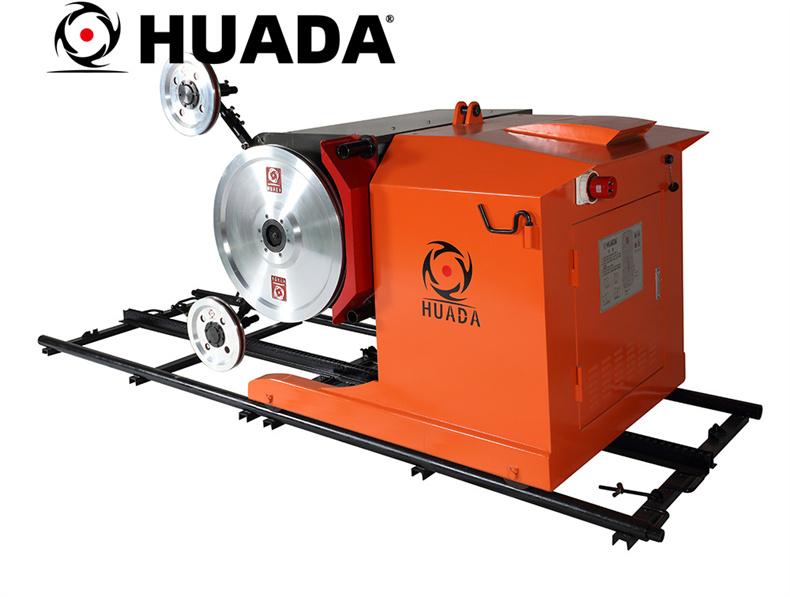
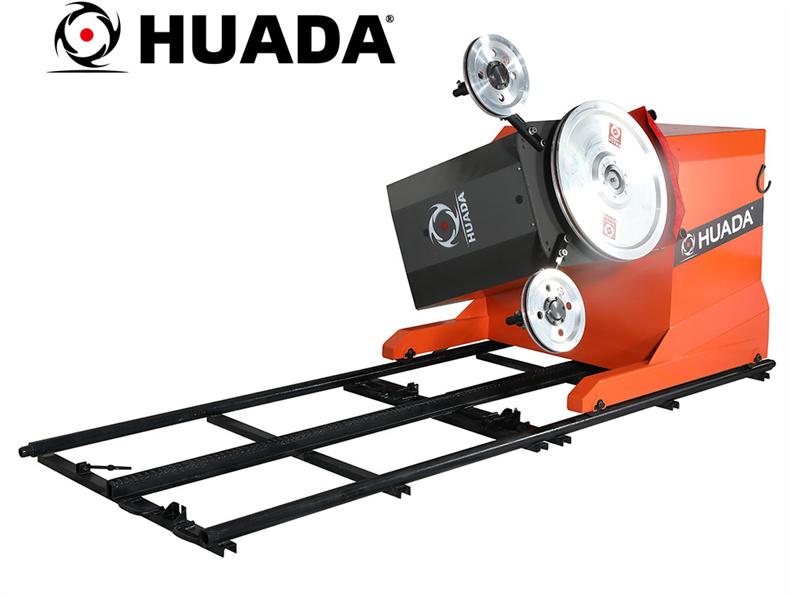
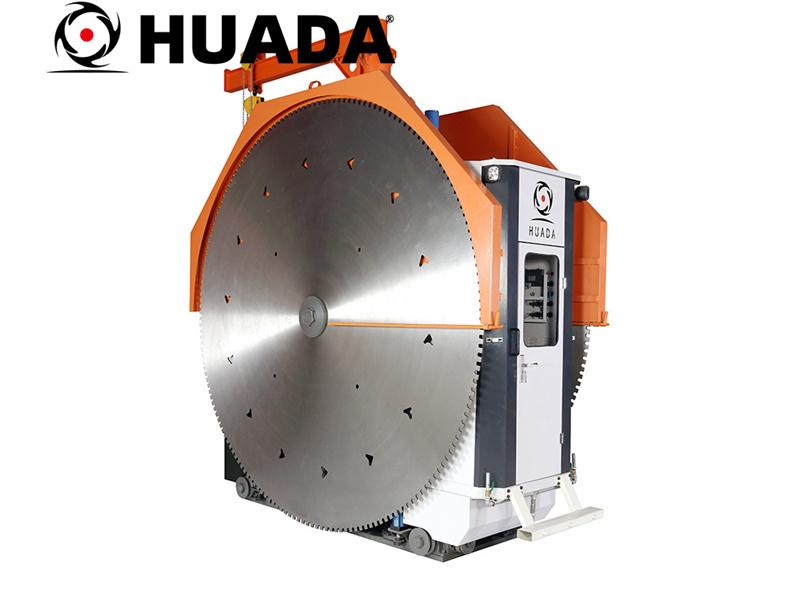
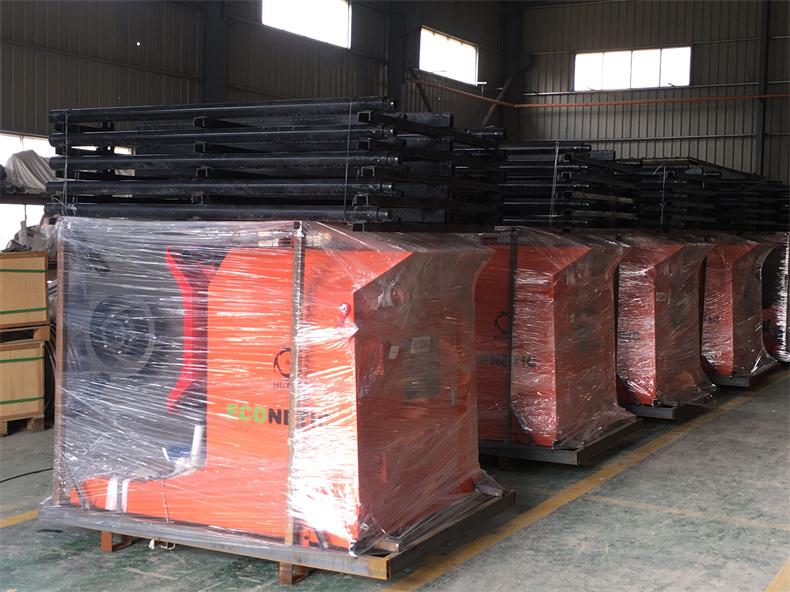
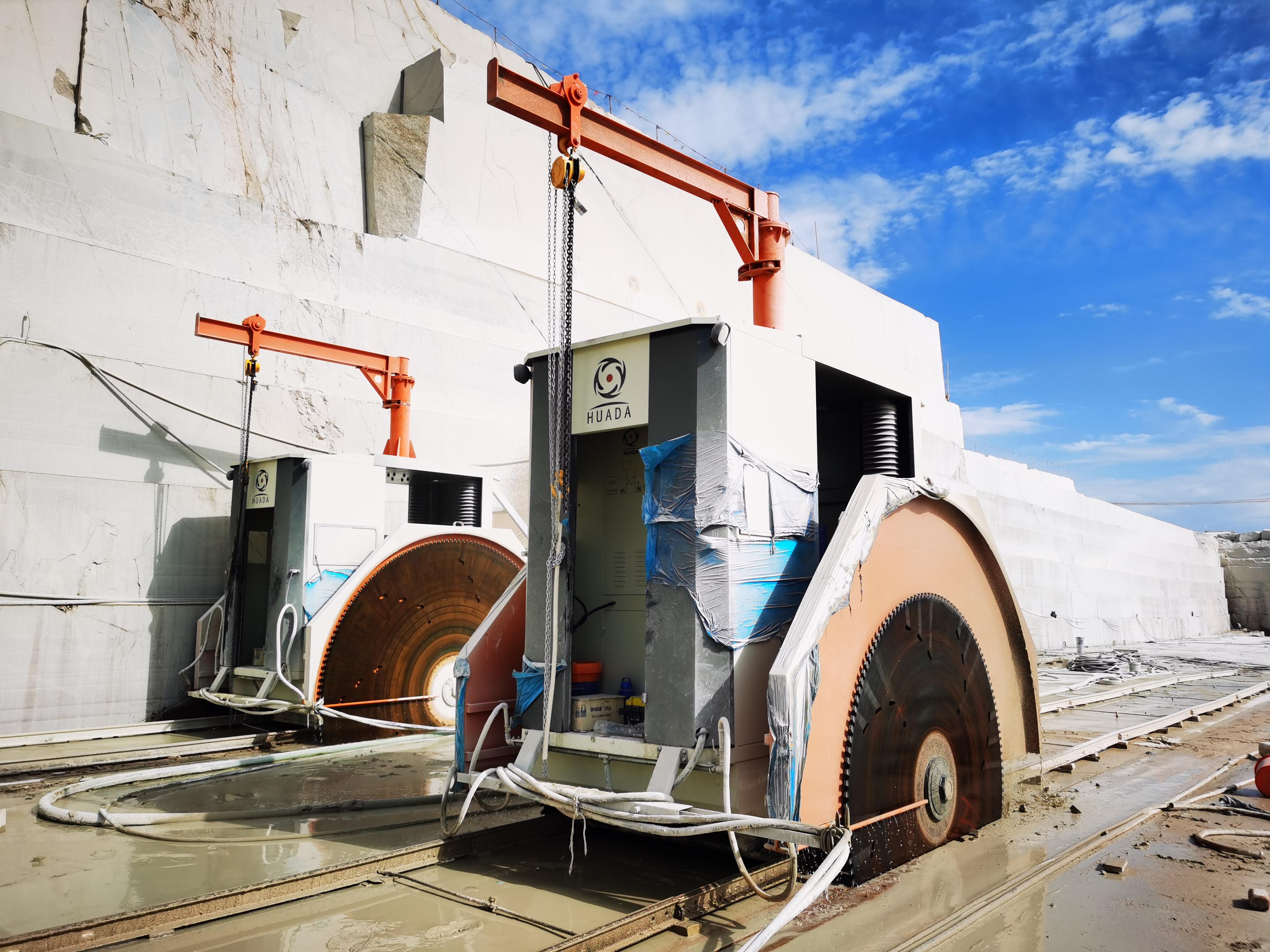
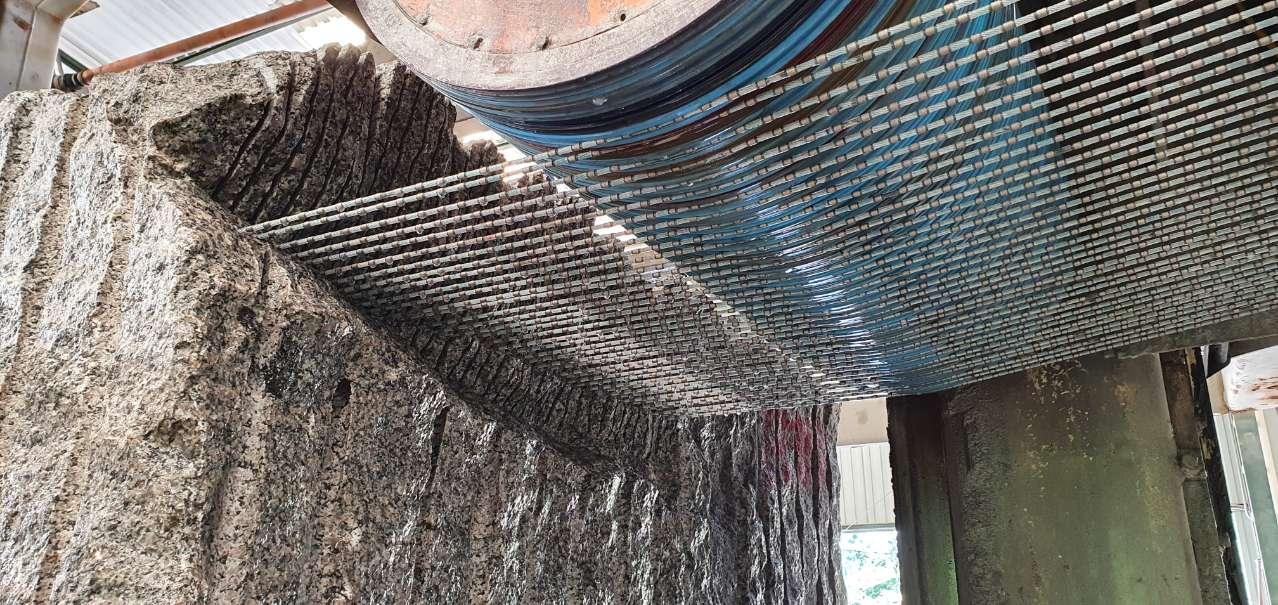
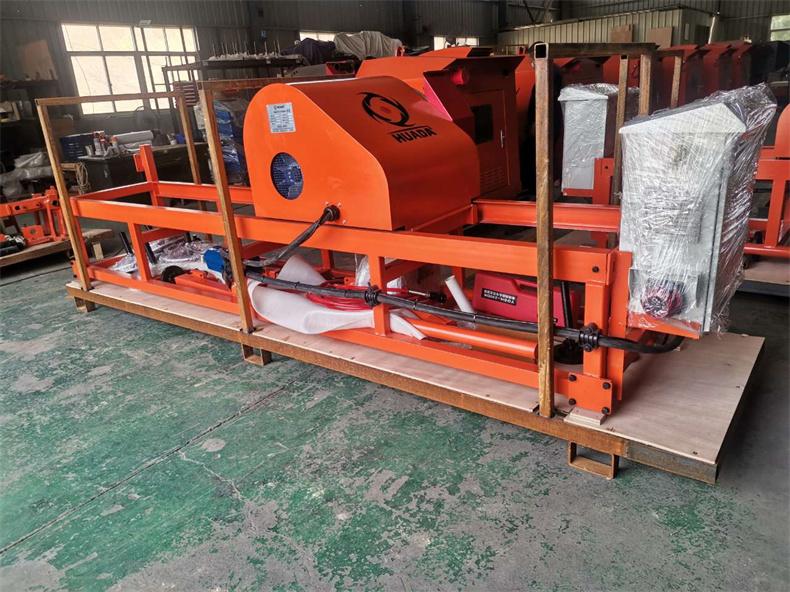
For “How to Use a Double Blade Stone Cutting Machine?,” prepare the work, verify blade condition, segment match, travel alignment, feed rate, cooling flow and rail stability, start inside the approved operating window and record the result. Do not compensate for comparing headline blade diameter without confirming usable depth, stone match and rail installation by increasing feed or load.
Technical context for How to Use a Double Blade Stone Cutting Machine?
Introduction:
Stone cutting is an essential process in the mining industry to extract and shape stones for various purposes. One of the most widely used machines for stone cutting is the double blade stone cutting machine. This powerful tool utilizes two parallel blades to efficiently cut through large blocks of stone, providing precise and accurate results. In this article, we will guide you on how to use a double blade stone cutting machine effectively.
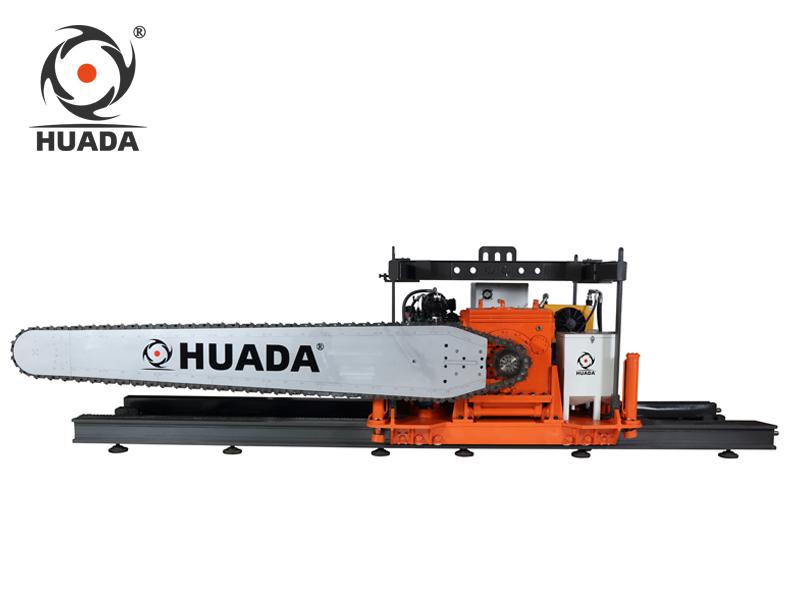
1. Preparing the Machine
Before operating the double blade stone cutting machine, it is crucial to ensure that it is properly set up and prepared. Here are the steps to follow:
- Inspect the machine: Check all components of the machine, including the blades, motors, and hydraulic systems, for any signs of damage or malfunction. Ensure that everything is in good working condition.
- Install the blades: Carefully mount the diamond-tipped blades onto the machine's blade holders, making sure they are securely fastened. It is essential to choose the appropriate blade type and size depending on the type of stone you are cutting.
- Adjust the cutting parameters: Set the desired cutting depth, speed, and water flow rate according to the specifications provided by the manufacturer. These parameters may vary depending on the hardness and thickness of the stone.
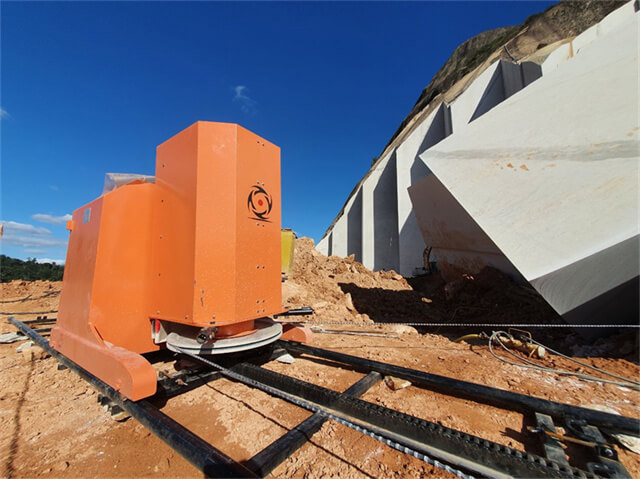
2. Operating the Machine
Once the machine is prepared, you can begin operating it to cut the stone blocks. Follow these steps:
- Position the stone block: Place the stone block on the cutting table of the machine, ensuring that it is properly aligned and secured with clamps or other holding mechanisms. This step is crucial to maintain stability during the cutting process.
- Start the machine: Turn on the power supply and activate the blade rotation. Gradually increase the cutting speed until you reach the desired rate. Pay attention to any vibrations or unusual noises, as they may indicate a problem that needs to be addressed.
- Begin the cutting process: Slowly lower the blades onto the stone block, allowing them to penetrate the surface. Move the stone block back and forth along the cutting table, maintaining a steady pace to ensure even cutting. Keep the water flow rate constant to prevent overheating and facilitate debris removal.
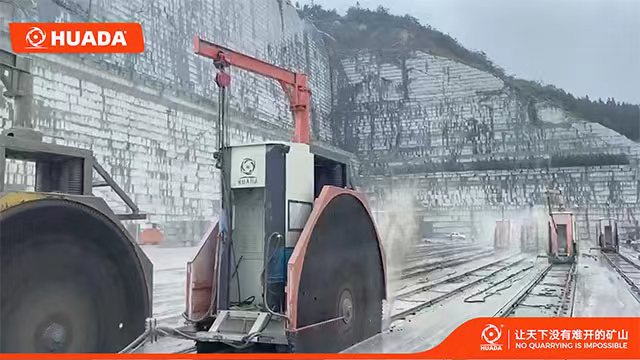
3. Safety Precautions
When using a double blade stone cutting machine, it is essential to prioritize safety. Here are some important precautions to take:
- Wear protective gear: Always wear safety goggles, gloves, and a dust mask to shield yourself from flying debris and dust particles. Additionally, wear ear protection to minimize noise-related risks.
- Follow proper lifting techniques: When handling heavy stone blocks, use appropriate lifting equipment and techniques to prevent strains or injuries. Seek assistance if needed.
- Maintain a clean work environment: Regularly clean the cutting area to remove excess debris and ensure optimal machine performance. Avoid clutter or obstacles that could cause accidents.
Conclusion:
Using a double blade stone cutting machine can greatly enhance the efficiency and precision of stone cutting processes. By following the proper setup procedures, operating guidelines, and safety precautions outlined in this article, you can effectively utilize this powerful tool for your mining operations. Always consult the manufacturer's instructions and seek professional guidance when needed. Happy stone cutting!

Use evidence that can be retained
A practical review of “How to Use a Double Blade Stone Cutting Machine?” should retain a site layout, blade and segment specification, representative cutting result and utility schedule. Photographs and brochures help identify the offered configuration, but they do not replace a test condition, measured result or signed scope. Record settings for blade condition, segment match, travel alignment, feed rate, cooling flow and rail stability so the accepted result can be repeated.
Control the main operating risk
The recurring risk in “How to Use a Double Blade Stone Cutting Machine?” is comparing headline blade diameter without confirming usable depth, stone match and rail installation. Set a stop condition, assign who checks the machine and tool, and keep changes traceable. If the result moves outside the agreed window, investigate the material, alignment, tooling and utilities before adding load or speed.
Define the application before comparing equipment
For “How to Use a Double Blade Stone Cutting Machine?,” write down stone hardness, block plan, blade diameter, cutting depth, rail layout, power and site utilities. This separates a real project requirement from a search phrase and gives every supplier the same boundary. The proposed double blade quarrying machine can then be checked against the material, site and required result instead of being accepted by name alone.
Decision and acceptance table
| Decision point | What to define | Evidence to keep |
|---|---|---|
| Application | stone hardness, block plan, blade diameter, cutting depth, rail layout, power and site utilities | Written job or product brief |
| Operating window | blade condition, segment match, travel alignment, feed rate, cooling flow and rail stability | Recorded trial settings and observations |
| Acceptance | a site layout, blade and segment specification, representative cutting result and utility schedule | Signed sample, cut record or inspection note |
| Risk control | comparing headline blade diameter without confirming usable depth, stone match and rail installation | Named corrective action and stop condition |
Buyer and operator checklist
- Material and cut or hole dimensions for How to Use a Double Blade Stone Cutting Machine?
- Offered double blade quarrying machine configuration and included tooling
- Power, water, compressed air, access and lifting requirements
- Settings and checks covering blade condition, segment match, travel alignment, feed rate, cooling flow and rail stability
- Factory or site acceptance method and responsible people
- Training, critical spares, manuals and service response boundary
Frequently asked questions
What should be confirmed first for How to Use a Double Blade Stone Cutting Machine??
For How to Use a Double Blade Stone Cutting Machine?, start with stone hardness, block plan, blade diameter, cutting depth, rail layout, power and site utilities. Those inputs determine whether the proposed double blade quarrying machine and tool are relevant.
How should performance for How to Use a Double Blade Stone Cutting Machine? be verified?
For How to Use a Double Blade Stone Cutting Machine?, use a site layout, blade and segment specification, representative cutting result and utility schedule. Keep the material, operating conditions and acceptance criteria with the result.
Which settings matter during How to Use a Double Blade Stone Cutting Machine??
For How to Use a Double Blade Stone Cutting Machine?, record blade condition, segment match, travel alignment, feed rate, cooling flow and rail stability. A result without its settings is difficult to reproduce or compare.
When should work on How to Use a Double Blade Stone Cutting Machine? be paused?
For How to Use a Double Blade Stone Cutting Machine?, pause when the workpiece, support, guarding, utilities or cutting condition is unsafe, or when comparing headline blade diameter without confirming usable depth, stone match and rail installation is observed.