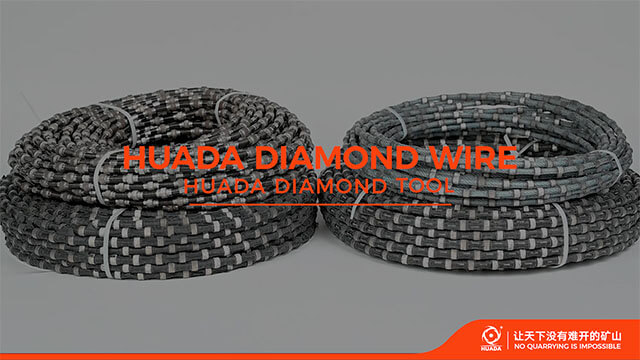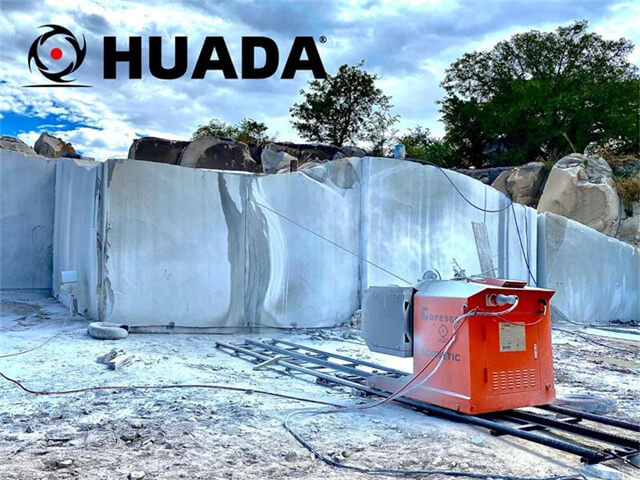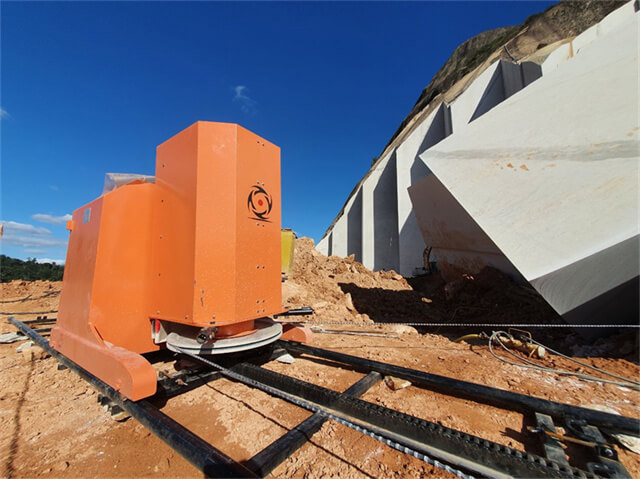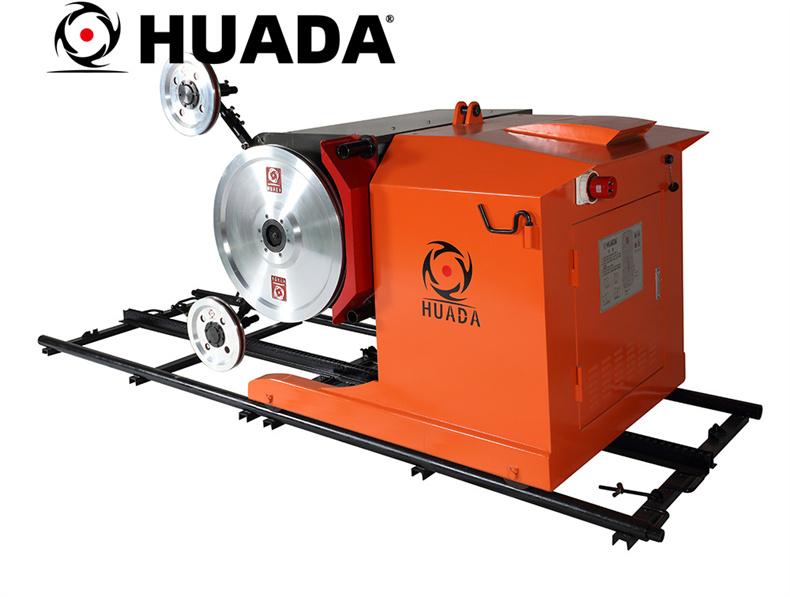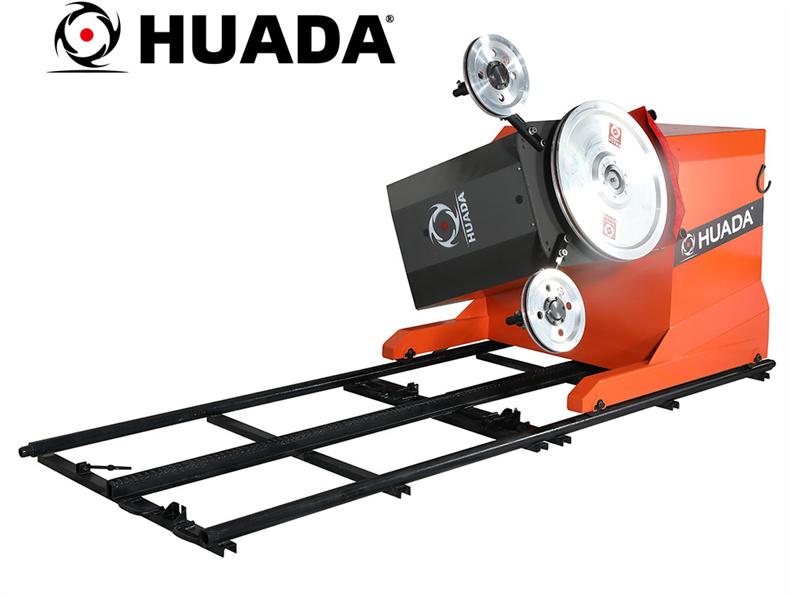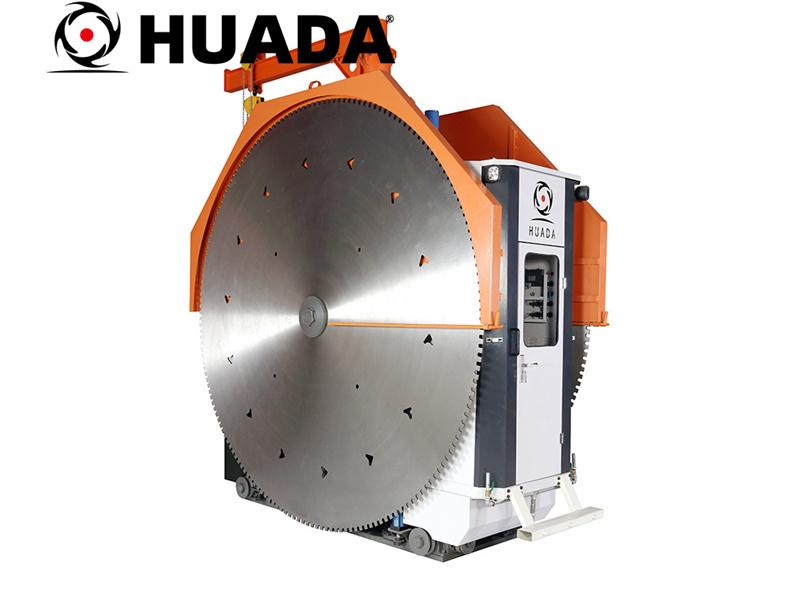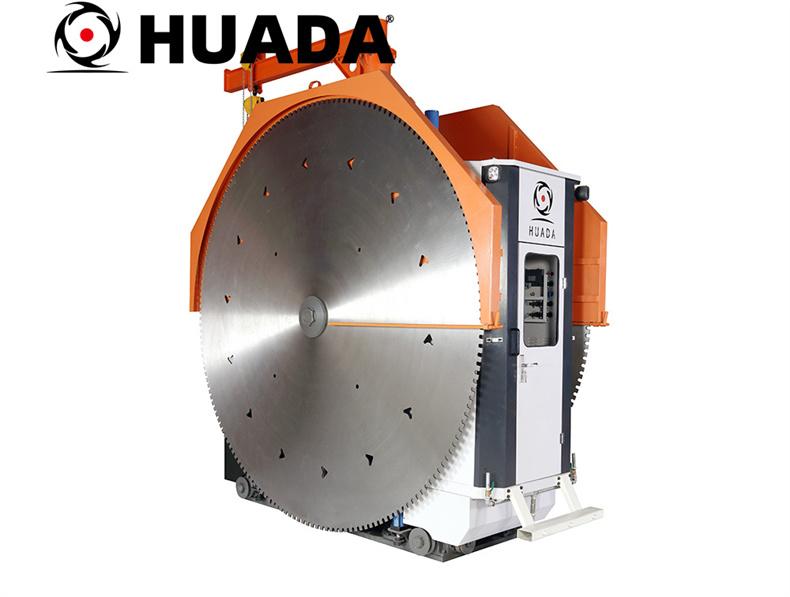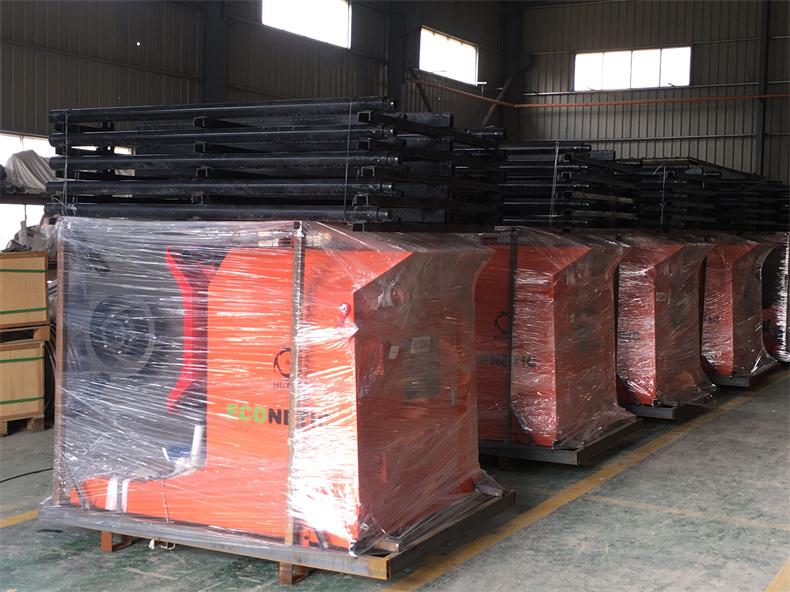
Application fit for “Versatile Applications of Diamond Wire for Stone Industries” depends on the workpiece, bead diameter, bond, bead spacing, machine type, wire speed and cooling conditions. Confirm the proposed diamond wire with a representative trial or documented reference before scaling the process.
Technical context for Versatile Applications of Diamond Wire for Stone Industries
Diamond wire is a cutting tool made from steel wire coated with diamond grains, widely used in various industries for its versatility and efficiency. In the stone industry, diamond wire has revolutionized the way stones are processed, providing significant advantages over traditional cutting methods. This article will explore the versatile applications of diamond wire in the stone industry, highlighting its benefits and potential.
Enhanced Quarrying and Extraction
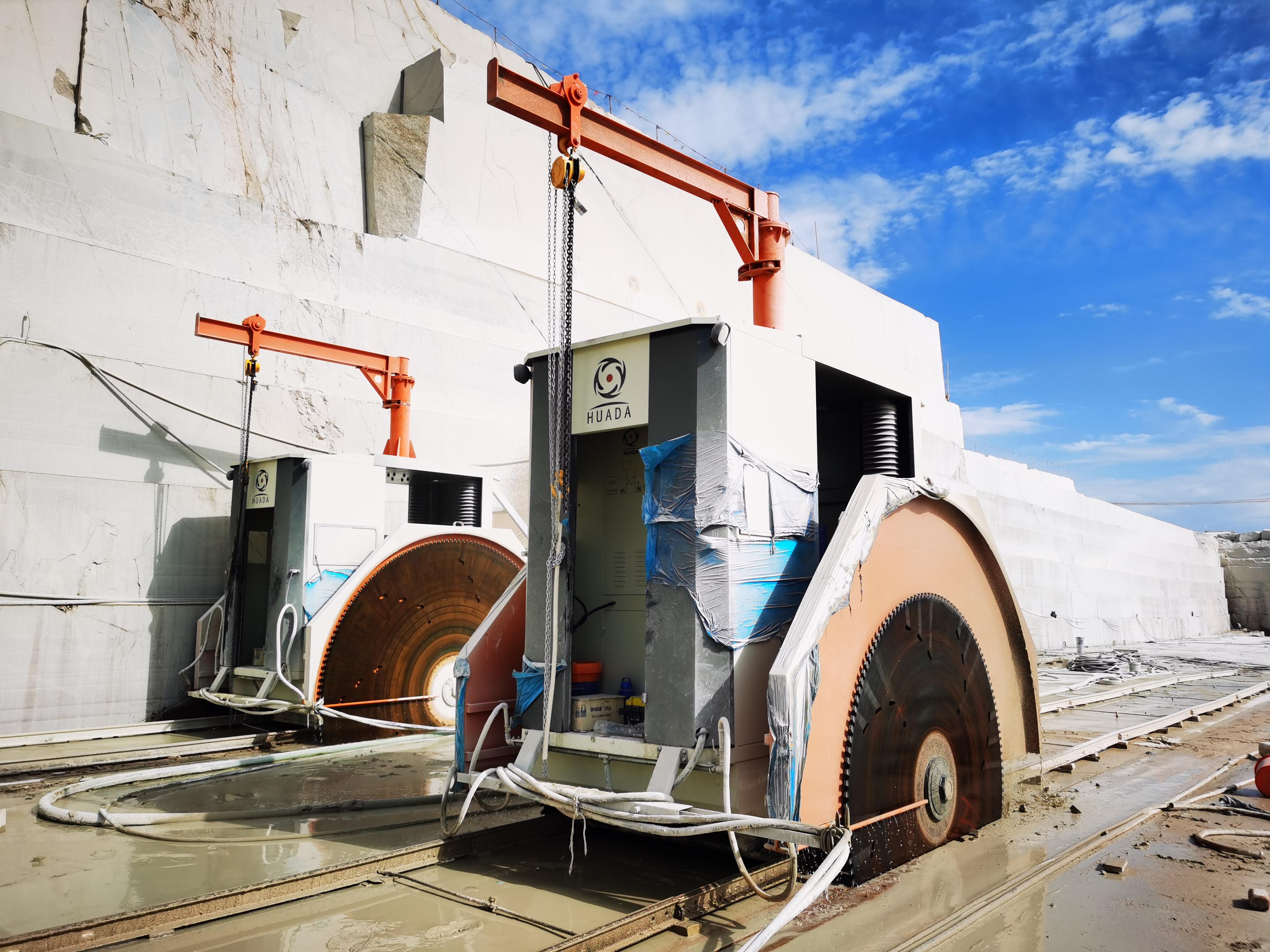
The first and foremost application of diamond wire in the stone industry is in quarrying and extraction processes. Traditional methods such as drilling and blasting can be time-consuming, expensive, and environmentally harmful. Diamond wire offers a more efficient alternative by allowing precise and controlled cutting of stones. It minimizes waste and reduces the impact on the environment. Moreover, diamond wire's ability to cut through any type of stone, including granite, marble, and limestone, makes it an ideal choice for extracting blocks of various sizes and shapes.
Precise Stone Cutting and Shaping
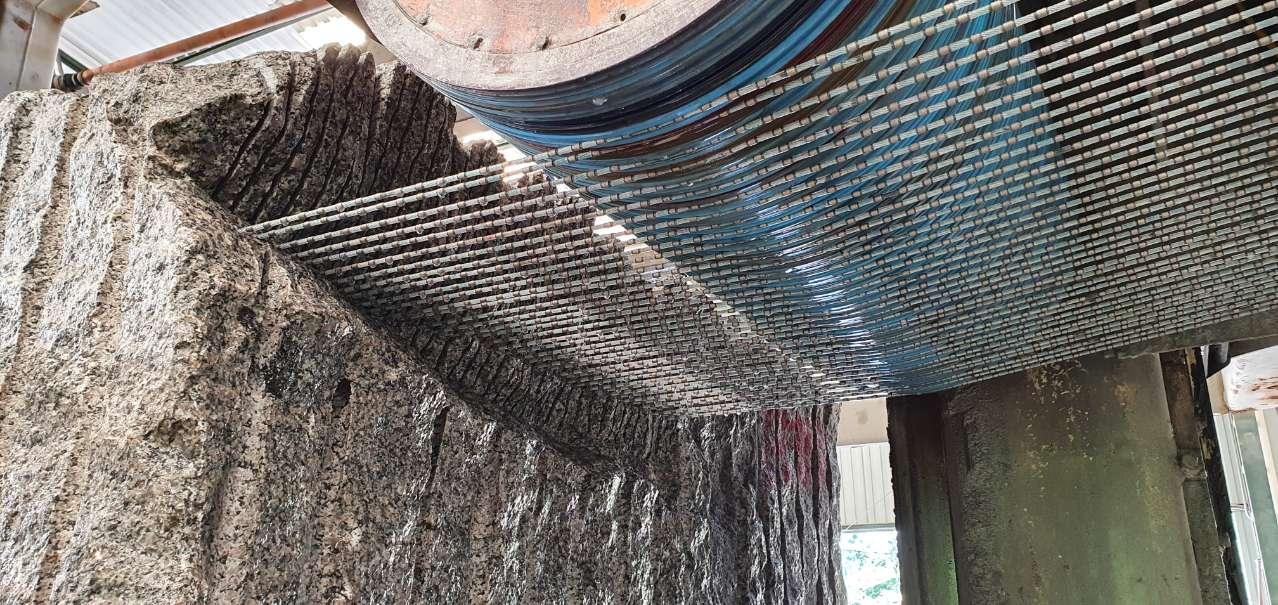
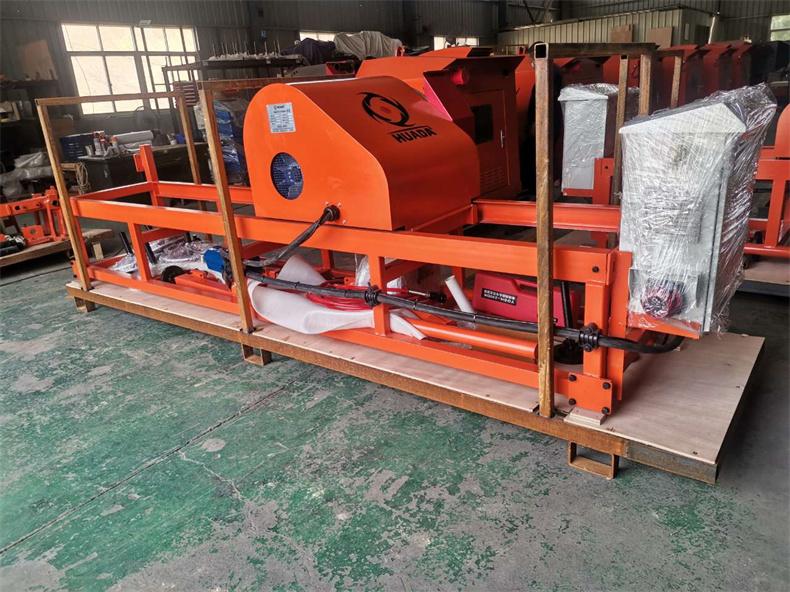
Diamond wire is widely used in stone cutting and shaping processes due to its exceptional precision and flexibility. With diamond wire saw machines, intricate designs and complex shapes can be achieved effortlessly. Whether it is cutting large blocks into slabs or shaping stones for specific architectural requirements, diamond wire ensures clean and smooth cuts. The adjustable cutting speed and tension control allow operators to customize the cutting process according to the stone's characteristics, resulting in minimal material loss and higher productivity.
Efficient Stone Processing
Besides quarrying and cutting, diamond wire also plays a significant role in stone processing and finishing stages. It is widely utilized in the production of countertops, tiles, and other stone products. Diamond wire saw machines enable precise cutting of slabs into desired sizes and shapes, ensuring consistent quality throughout the production process. Additionally, diamond wire offers the advantage of reducing material waste during processing, as its thin kerf helps maximize the utilization of the stone and minimize the generation of by-products. This improves efficiency, reduces costs, and enhances the overall sustainability of the stone industry.
In conclusion, diamond wire has revolutionized the stone industry with its versatile applications. From quarrying and extraction to precise cutting and shaping, diamond wire offers numerous benefits over traditional cutting methods. Its ability to efficiently cut through various types of stones, along with its precision and flexibility, makes it an invaluable tool in the stone industry. Furthermore, diamond wire enhances the efficiency of stone processing, promoting sustainability by reducing waste and maximizing material utilization. As technology continues to advance, it is expected that diamond wire will continue to play a crucial role in the development and growth of the stone industry.
Use evidence that can be retained
A practical review of “Versatile Applications of Diamond Wire for Stone Industries” should retain the wire specification, machine match, cutting record and measured wear under representative conditions. Photographs and brochures help identify the offered configuration, but they do not replace a test condition, measured result or signed scope. Record settings for wire direction, tension, connection quality, cooling, rotation where required and bead wear so the accepted result can be repeated.
Control the main operating risk
The recurring risk in “Versatile Applications of Diamond Wire for Stone Industries” is matching only bead diameter while ignoring bond, machine, material and operating conditions. Set a stop condition, assign who checks the machine and tool, and keep changes traceable. If the result moves outside the agreed window, investigate the material, alignment, tooling and utilities before adding load or speed.
Define the application before comparing equipment
For “Versatile Applications of Diamond Wire for Stone Industries,” write down the workpiece, bead diameter, bond, bead spacing, machine type, wire speed and cooling conditions. This separates a real project requirement from a search phrase and gives every supplier the same boundary. The proposed diamond wire can then be checked against the material, site and required result instead of being accepted by name alone.
Decision and acceptance table
| Decision point | What to define | Evidence to keep |
|---|---|---|
| Application | the workpiece, bead diameter, bond, bead spacing, machine type, wire speed and cooling conditions | Written job or product brief |
| Operating window | wire direction, tension, connection quality, cooling, rotation where required and bead wear | Recorded trial settings and observations |
| Acceptance | the wire specification, machine match, cutting record and measured wear under representative conditions | Signed sample, cut record or inspection note |
| Risk control | matching only bead diameter while ignoring bond, machine, material and operating conditions | Named corrective action and stop condition |
Buyer and operator checklist
- Material and cut or hole dimensions for Versatile Applications of Diamond Wire for Stone Industries
- Offered diamond wire configuration and included tooling
- Power, water, compressed air, access and lifting requirements
- Settings and checks covering wire direction, tension, connection quality, cooling, rotation where required and bead wear
- Factory or site acceptance method and responsible people
- Training, critical spares, manuals and service response boundary
Frequently asked questions
What should be confirmed first for Versatile Applications of Diamond Wire for Stone Industries?
For Versatile Applications of Diamond Wire for Stone Industries, start with the workpiece, bead diameter, bond, bead spacing, machine type, wire speed and cooling conditions. Those inputs determine whether the proposed diamond wire and tool are relevant.
How should performance for Versatile Applications of Diamond Wire for Stone Industries be verified?
For Versatile Applications of Diamond Wire for Stone Industries, use the wire specification, machine match, cutting record and measured wear under representative conditions. Keep the material, operating conditions and acceptance criteria with the result.
Which settings matter during Versatile Applications of Diamond Wire for Stone Industries?
For Versatile Applications of Diamond Wire for Stone Industries, record wire direction, tension, connection quality, cooling, rotation where required and bead wear. A result without its settings is difficult to reproduce or compare.
When should work on Versatile Applications of Diamond Wire for Stone Industries be paused?
For Versatile Applications of Diamond Wire for Stone Industries, pause when the workpiece, support, guarding, utilities or cutting condition is unsafe, or when matching only bead diameter while ignoring bond, machine, material and operating conditions is observed.