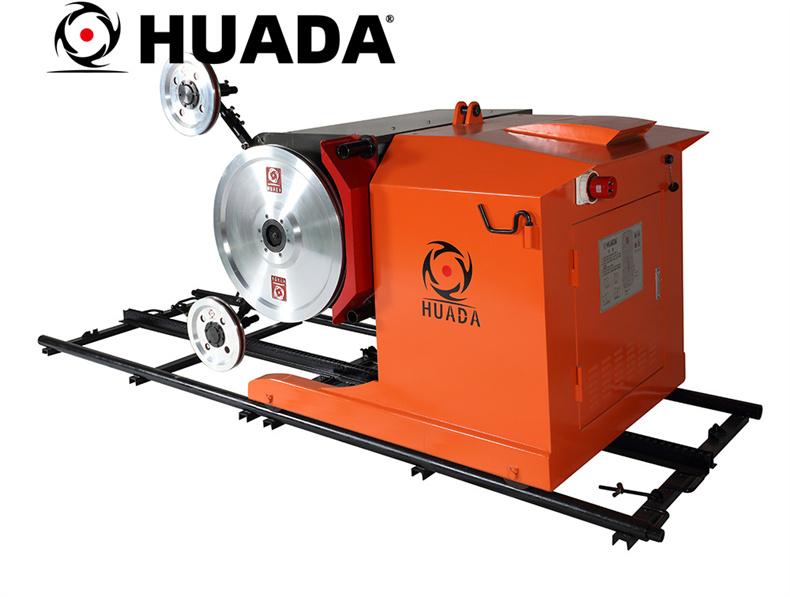
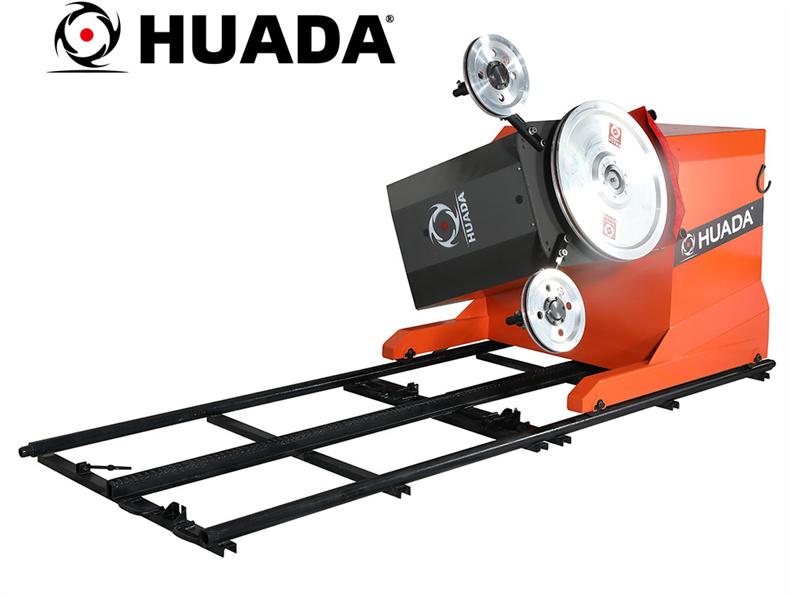
Use “Essential Product Knowledge for Diamond Wire Saw Cutting” as a decision brief for a wire saw machine: define the material, cut size, access, pulley layout, drive power, wire specification and required finish, verify wire speed, feed rate, tension, cooling-water delivery, guide-wheel alignment and cut clearance and retain a representative cut record, wire-consumption notes, surface condition and a configuration drawing before approval.
Technical context for Essential Product Knowledge for Diamond Wire Saw Cutting
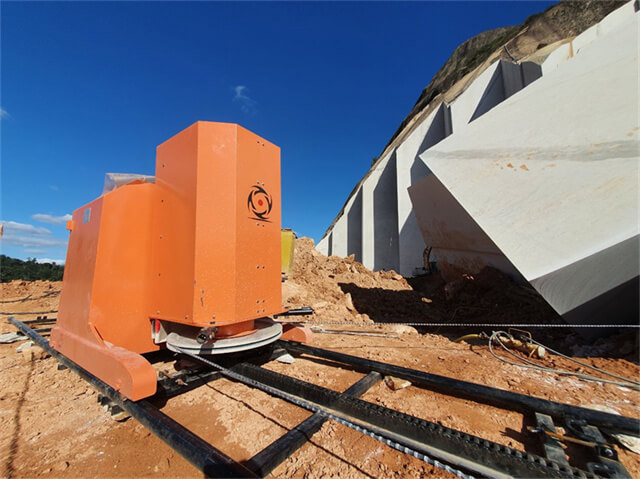
Essential Product Knowledge for Diamond Wire Saw Cutting
Introduction
Diamond wire saw cutting is a widely used technique in various industries, including mining, construction, and stone processing. It offers precision cutting with minimal material wastage. However, to achieve optimal results and ensure safety, it is crucial to have a solid understanding of the essential product knowledge related to diamond wire saw cutting. This article aims to provide an overview of the key aspects that professionals should consider when using diamond wire saws.
Wire Selection
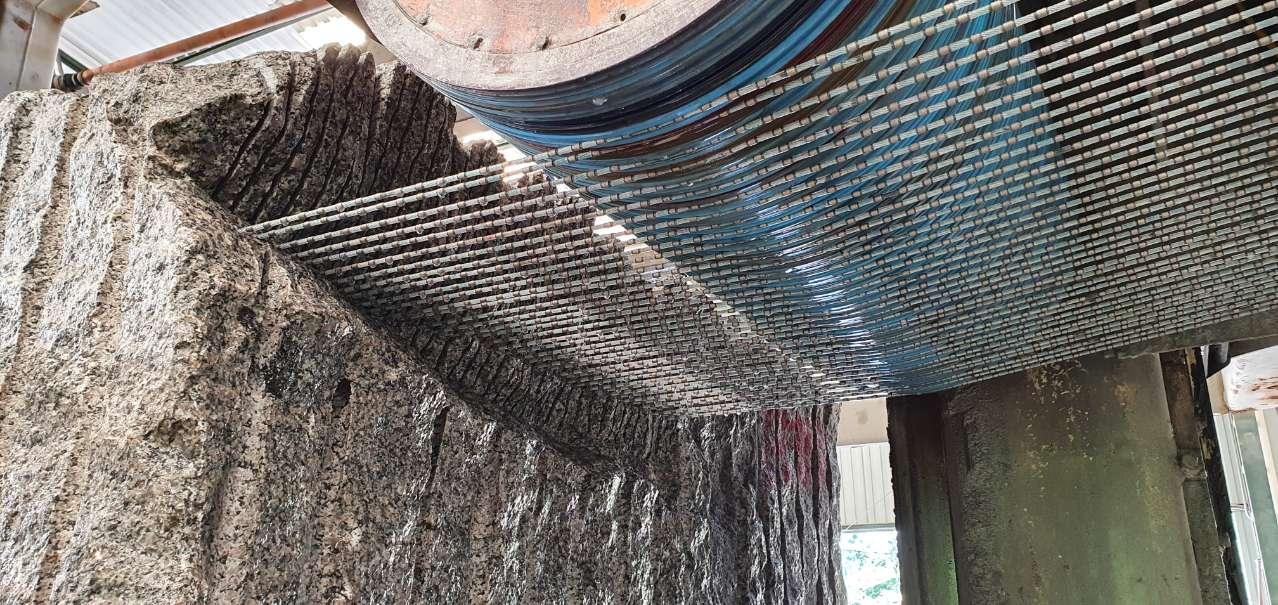
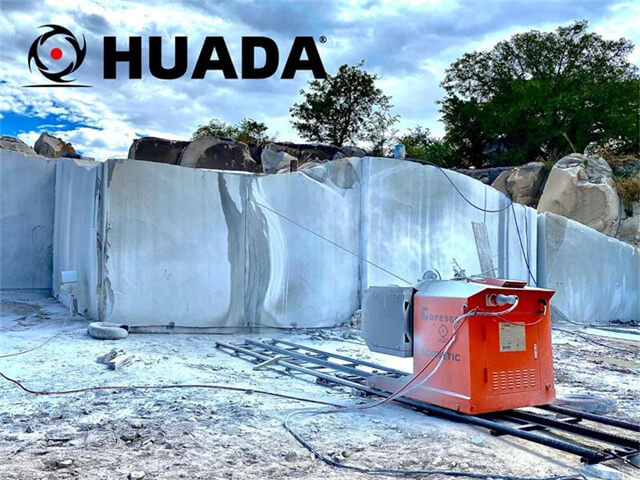
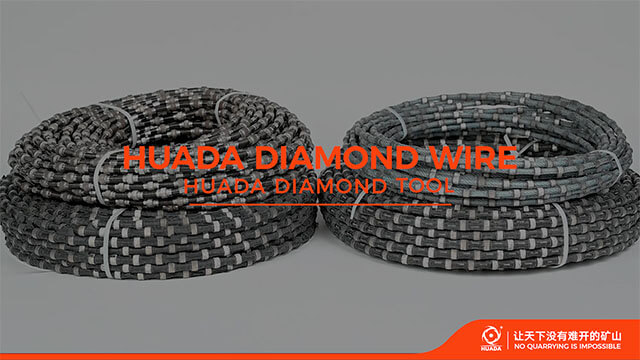
Choosing the right wire for a diamond wire saw is of utmost importance as it significantly affects the cutting performance. There are several factors to consider when selecting a wire, such as diameter, diamond grit size, and bond type. The wire diameter determines the cutting speed and stability, with thicker wires offering higher stability but slower cutting speeds. Diamond grit size influences the wire's ability to cut different materials, with finer grit sizes suitable for harder materials. The bond type affects the wire's durability and lifespan. It is essential to choose a wire that matches the specific cutting requirements and the material being worked on.
Wire Tensioning and Maintenance
Proper wire tensioning is critical for achieving accurate cuts and ensuring the wire's longevity. Over-tensioning or under-tensioning can lead to premature wear or breakage. Regular tension monitoring during operation is essential. Additionally, routine maintenance is necessary to prolong the wire's lifespan. This includes cleaning the wire after use to remove debris and lubricating it to reduce friction and heat generation. Inspecting the wire for any signs of damage, such as wear or cuts, is crucial to prevent accidents and maintain cutting efficiency.
Safety Considerations
Safety should always be a top priority when using diamond wire saws. Operators must wear appropriate personal protective equipment (PPE), including gloves, safety glasses, and hearing protection. Adequate training on the correct use of the equipment is vital to minimize the risk of accidents. It is crucial to follow manufacturer guidelines and instructions for safe operation. Regularly inspecting the saw and its components, such as the wire, pulleys, and tensioning system, helps identify and address any potential hazards. Lastly, ensuring proper ventilation in the working area is important to mitigate the risks associated with dust and fumes generated during cutting.
Conclusion
Having a comprehensive understanding of essential product knowledge for diamond wire saw cutting is crucial for achieving optimal results and ensuring safety. Wire selection, including considering diameter, diamond grit size, and bond type, plays a significant role in determining cutting performance. Proper wire tensioning and regular maintenance are necessary to prolong the wire's lifespan and ensure accurate cuts. Lastly, prioritizing safety through the use of PPE, adequate training, and regular equipment inspections is paramount. By following these guidelines, professionals can maximize the effectiveness and efficiency of diamond wire saw cutting operations.

Define the application before comparing equipment
For “Essential Product Knowledge for Diamond Wire Saw Cutting,” write down the material, cut size, access, pulley layout, drive power, wire specification and required finish. This separates a real project requirement from a search phrase and gives every supplier the same boundary. The proposed wire saw machine can then be checked against the material, site and required result instead of being accepted by name alone.
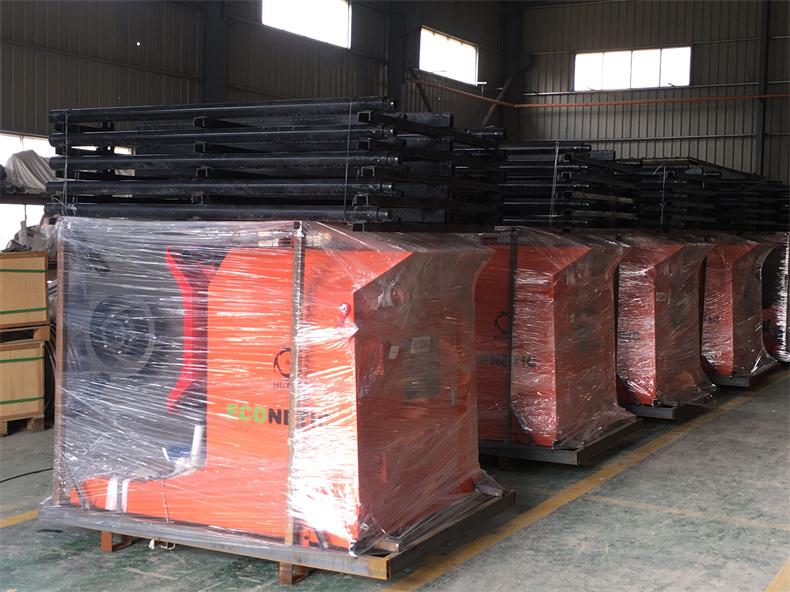
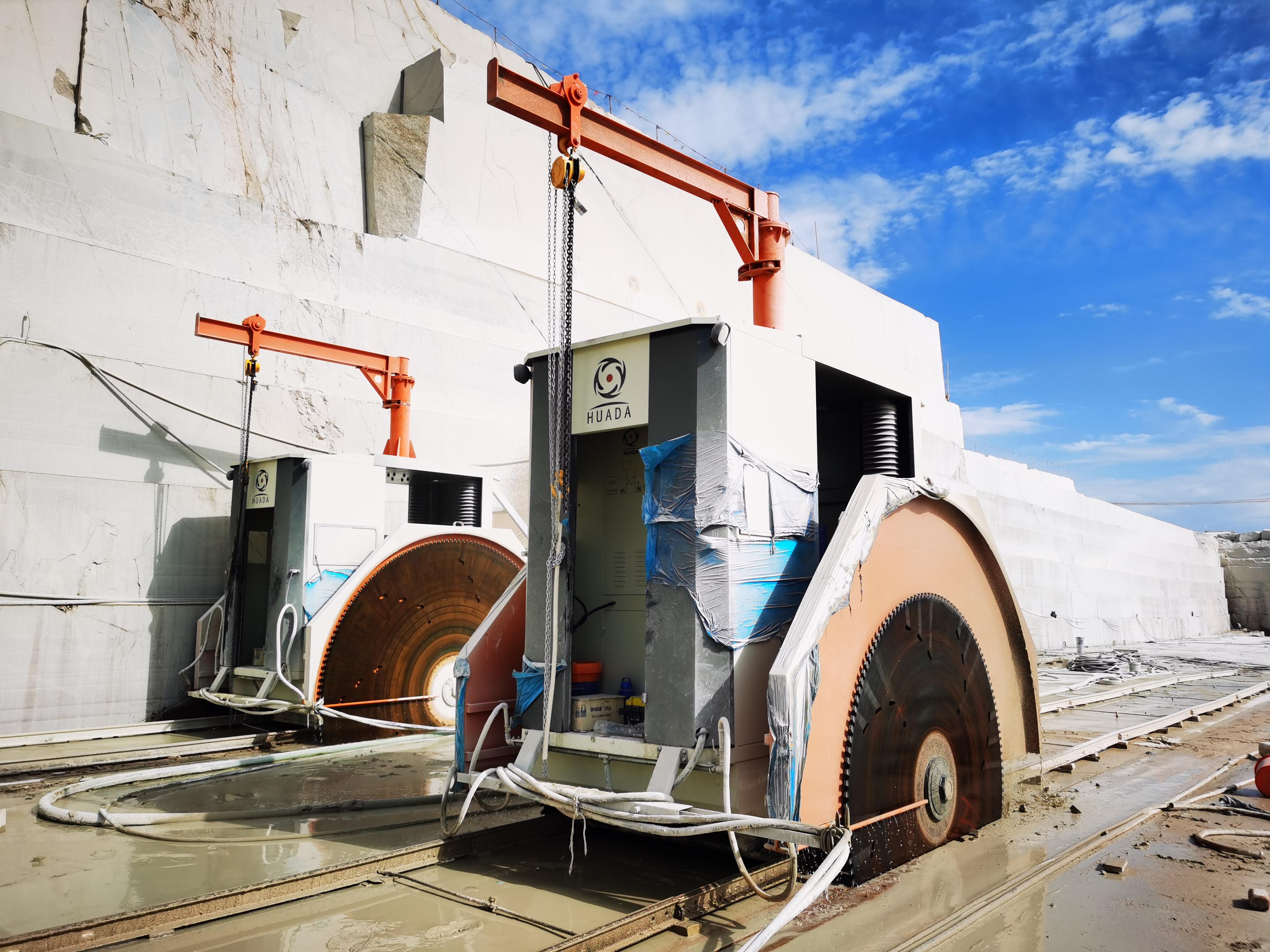
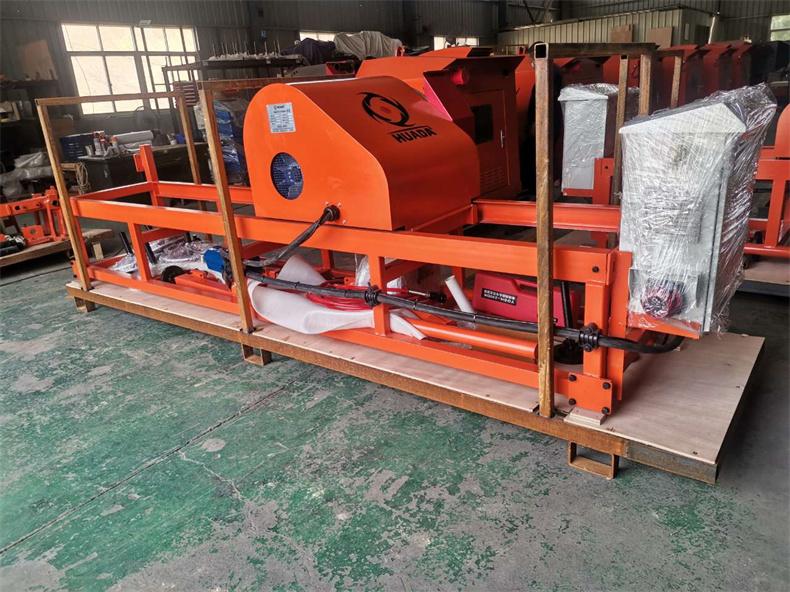
Use evidence that can be retained
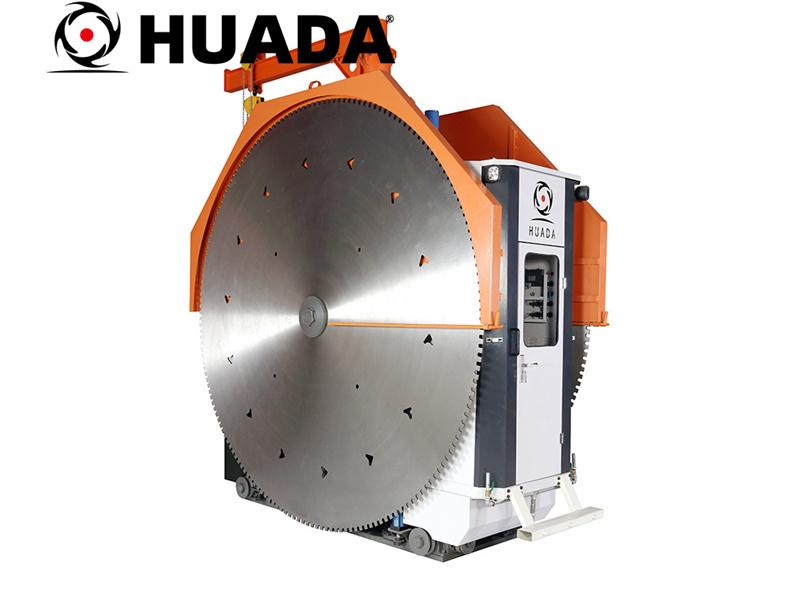
A practical review of “Essential Product Knowledge for Diamond Wire Saw Cutting” should retain a representative cut record, wire-consumption notes, surface condition and a configuration drawing. Photographs and brochures help identify the offered configuration, but they do not replace a test condition, measured result or signed scope. Record settings for wire speed, feed rate, tension, cooling-water delivery, guide-wheel alignment and cut clearance so the accepted result can be repeated.
Control the main operating risk
The recurring risk in “Essential Product Knowledge for Diamond Wire Saw Cutting” is poor pulley alignment, inadequate cooling, unsuitable wire or an unstable feed setting. Set a stop condition, assign who checks the machine and tool, and keep changes traceable. If the result moves outside the agreed window, investigate the material, alignment, tooling and utilities before adding load or speed.
Decision and acceptance table
| Decision point | What to define | Evidence to keep |
|---|---|---|
| Application | the material, cut size, access, pulley layout, drive power, wire specification and required finish | Written job or product brief |
| Operating window | wire speed, feed rate, tension, cooling-water delivery, guide-wheel alignment and cut clearance | Recorded trial settings and observations |
| Acceptance | a representative cut record, wire-consumption notes, surface condition and a configuration drawing | Signed sample, cut record or inspection note |
| Risk control | poor pulley alignment, inadequate cooling, unsuitable wire or an unstable feed setting | Named corrective action and stop condition |
Buyer and operator checklist
- Material and cut or hole dimensions for Essential Product Knowledge for Diamond Wire Saw Cutting
- Offered wire saw machine configuration and included tooling
- Power, water, compressed air, access and lifting requirements
- Settings and checks covering wire speed, feed rate, tension, cooling-water delivery, guide-wheel alignment and cut clearance
- Factory or site acceptance method and responsible people
- Training, critical spares, manuals and service response boundary
Frequently asked questions
What should be confirmed first for Essential Product Knowledge for Diamond Wire Saw Cutting?
For Essential Product Knowledge for Diamond Wire Saw Cutting, start with the material, cut size, access, pulley layout, drive power, wire specification and required finish. Those inputs determine whether the proposed wire saw machine and tool are relevant.
How should performance for Essential Product Knowledge for Diamond Wire Saw Cutting be verified?
For Essential Product Knowledge for Diamond Wire Saw Cutting, use a representative cut record, wire-consumption notes, surface condition and a configuration drawing. Keep the material, operating conditions and acceptance criteria with the result.
Which settings matter during Essential Product Knowledge for Diamond Wire Saw Cutting?
For Essential Product Knowledge for Diamond Wire Saw Cutting, record wire speed, feed rate, tension, cooling-water delivery, guide-wheel alignment and cut clearance. A result without its settings is difficult to reproduce or compare.
When should work on Essential Product Knowledge for Diamond Wire Saw Cutting be paused?
For Essential Product Knowledge for Diamond Wire Saw Cutting, pause when the workpiece, support, guarding, utilities or cutting condition is unsafe, or when poor pulley alignment, inadequate cooling, unsuitable wire or an unstable feed setting is observed.