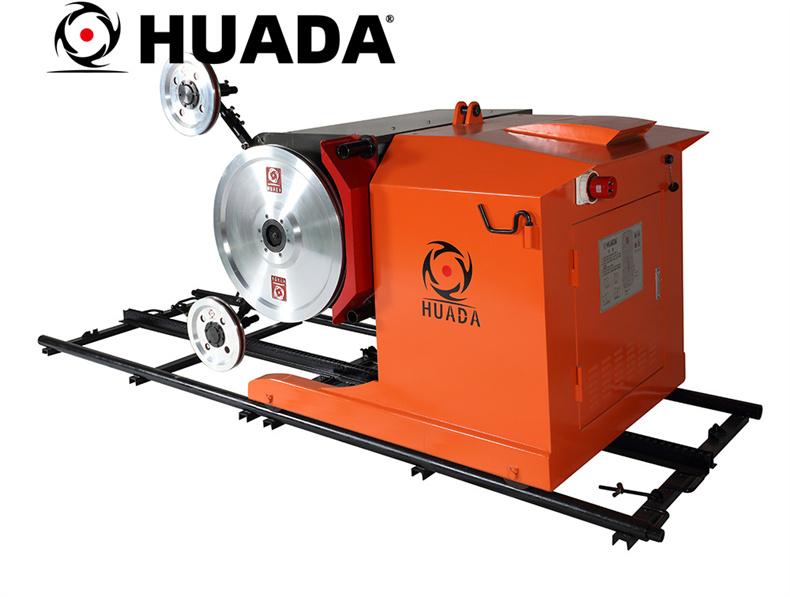
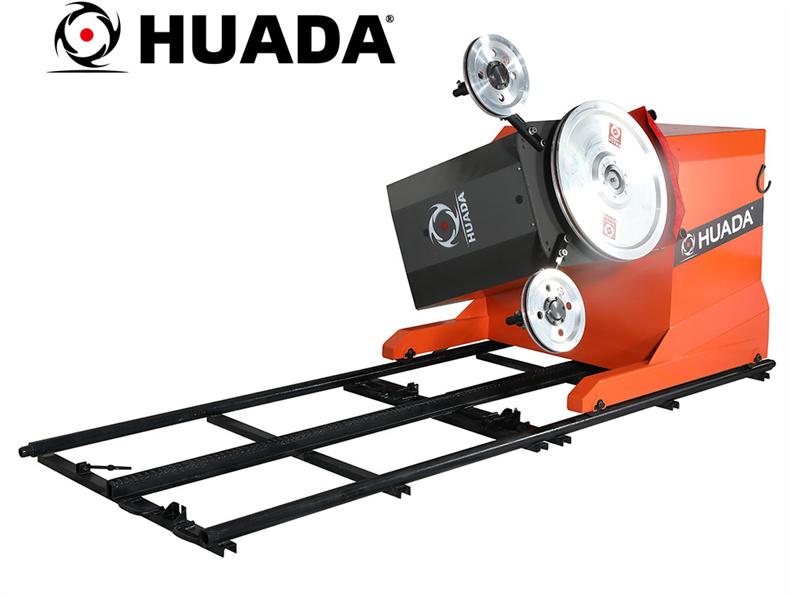
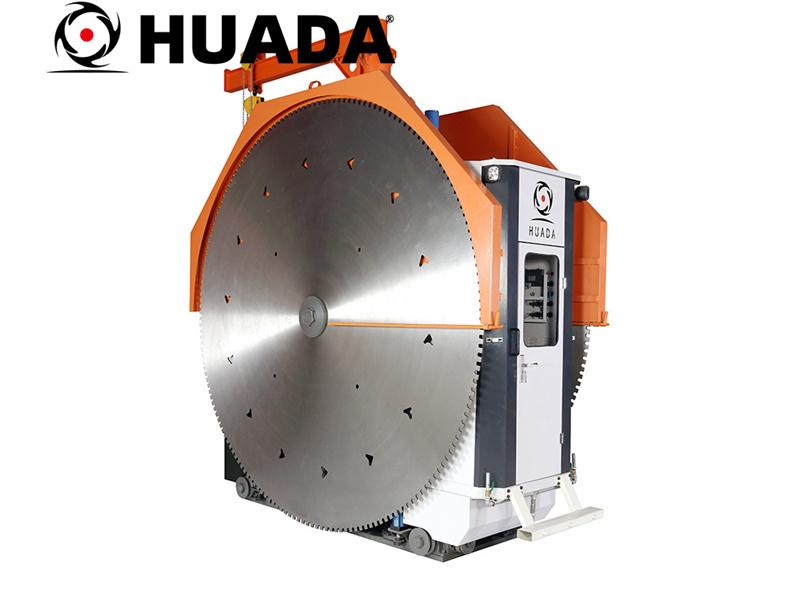
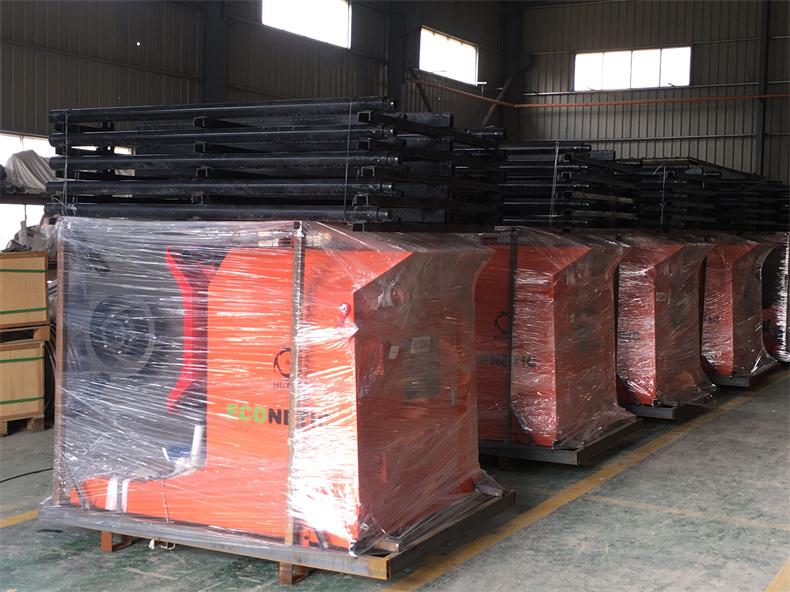
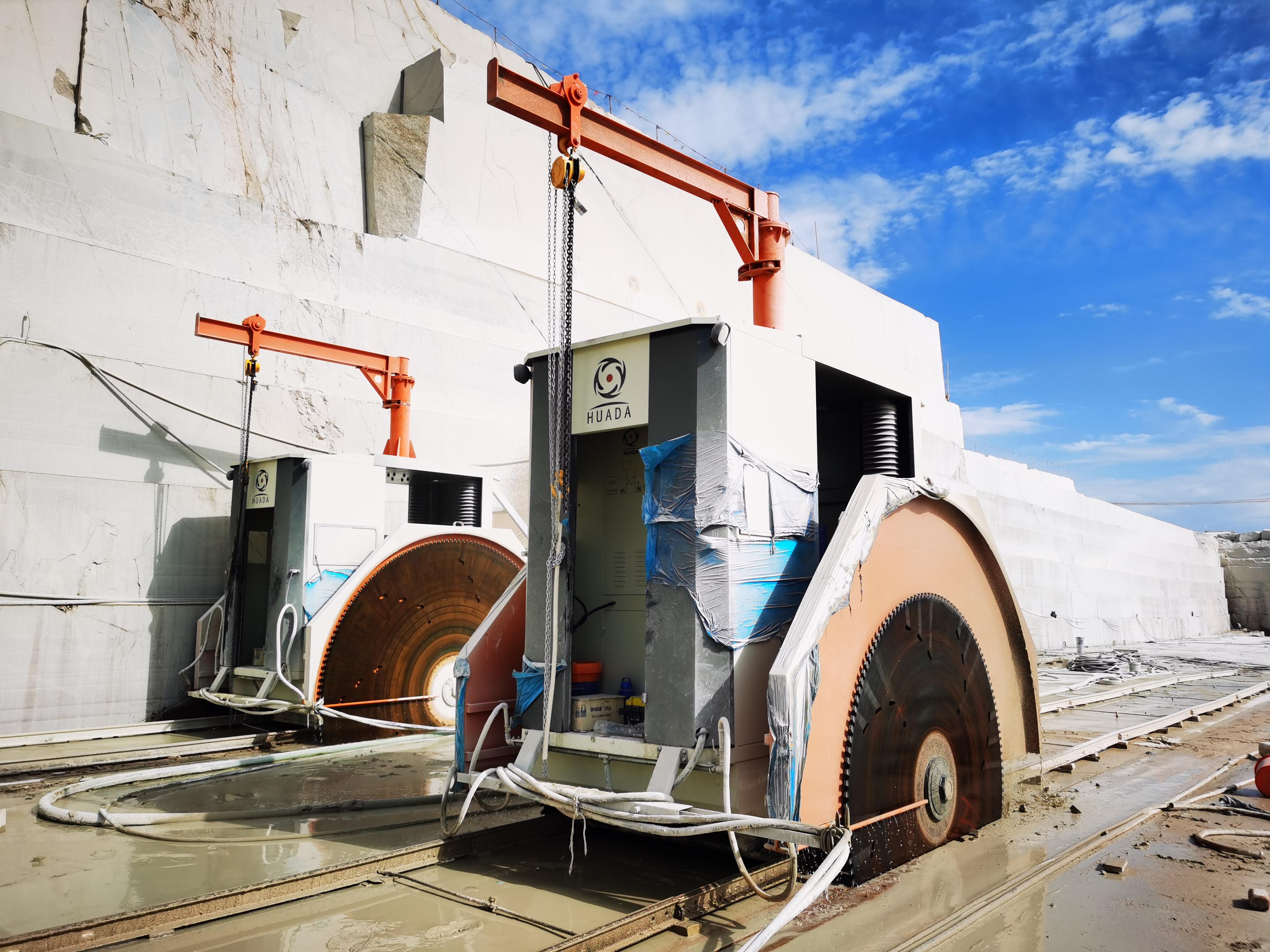
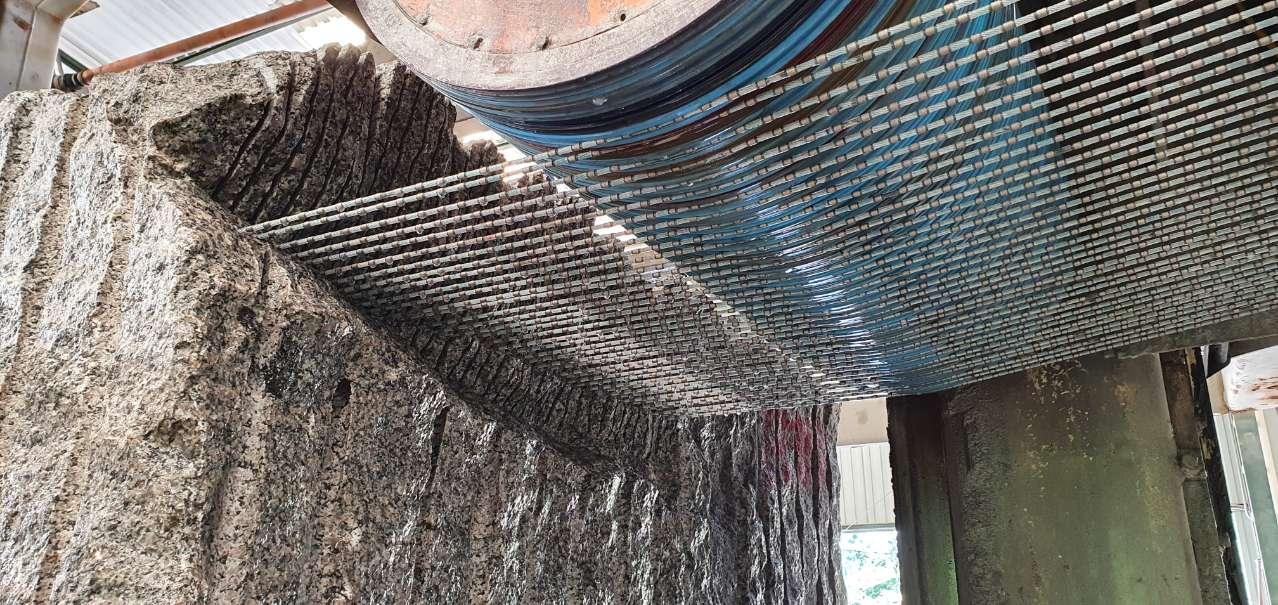
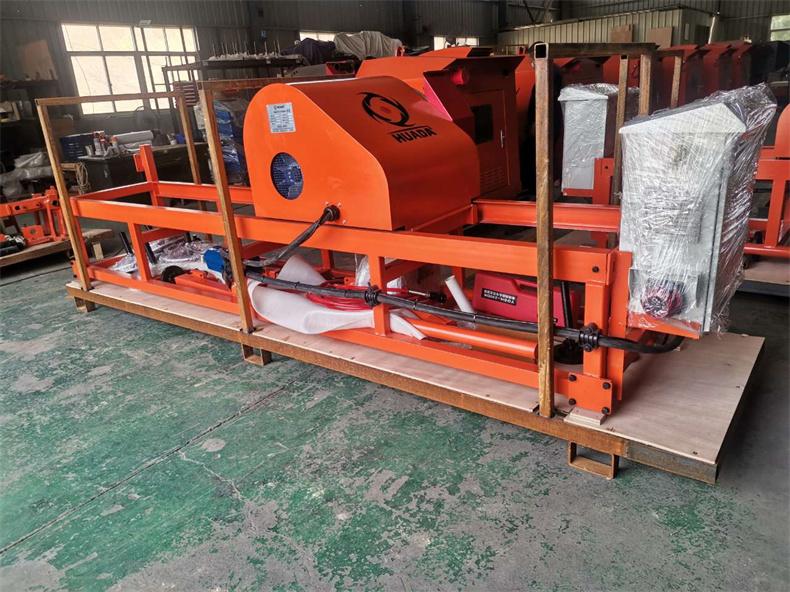
Application fit for “Exploring the Applications of Chain Saw Machine for Granite” depends on stone type, bench geometry, required cut depth, chain and arm configuration, power source and site access. Confirm the proposed stone chain saw machine with a representative trial or documented reference before scaling the process.
Technical context for Exploring the Applications of Chain Saw Machine for Granite
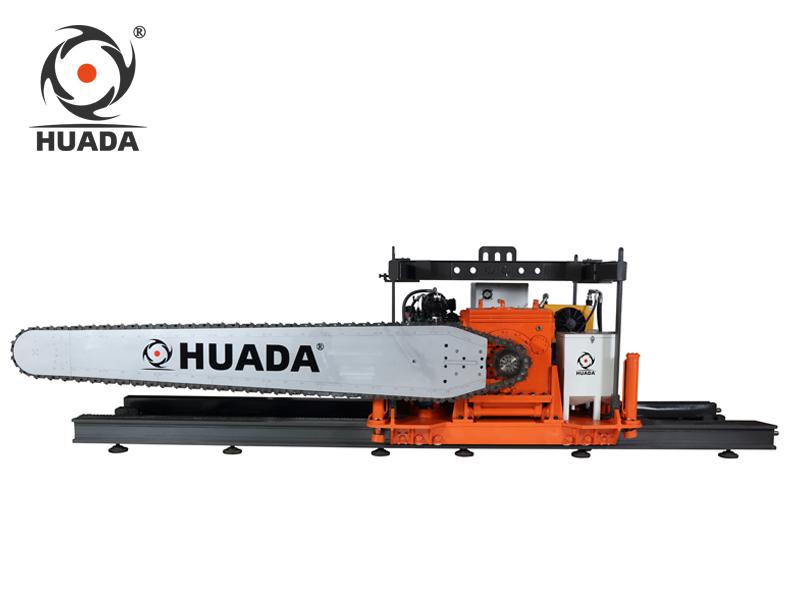
Exploring the Applications of Chain Saw Machine for Granite
Introduction
In recent years, the use of chain saw machines for granite mining has gained significant popularity in the construction industry. These powerful machines have revolutionized the process of extracting granite from quarries, offering numerous advantages over traditional methods. This article aims to explore the applications and benefits of chain saw machines in granite mining.
Enhanced Efficiency and Precision
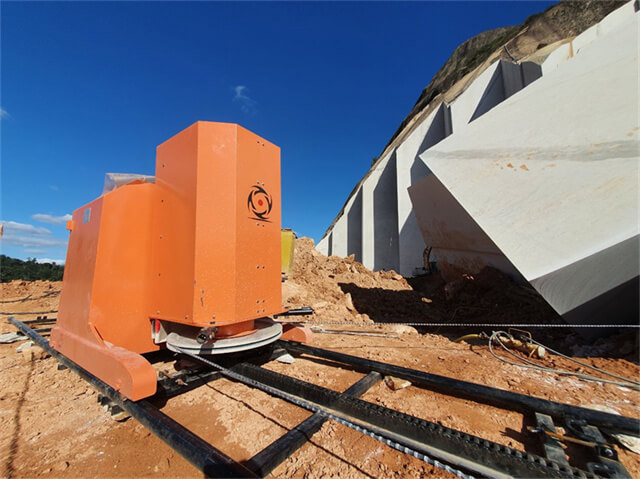
The first and foremost advantage of using chain saw machines for granite mining is the enhanced efficiency and precision they provide. Traditional methods involved manual labor and the use of heavy machinery, which often resulted in uneven cuts and wastage of resources. However, with the introduction of chain saw machines, operators can now make precise cuts along designated lines, minimizing material wastage. The machines are equipped with diamond-tipped blades that can cut through granite with great accuracy and speed, thereby improving productivity in the mining process.
Moreover, these machines are highly maneuverable, allowing operators to navigate even the most challenging terrains. They can be easily adjusted to cut through different angles, ensuring that the extracted granite blocks meet the desired specifications. This level of precision not only saves time but also reduces the need for additional processing, making the chain saw machine a cost-effective solution for granite mining.
Improved Safety and Environmental Impact
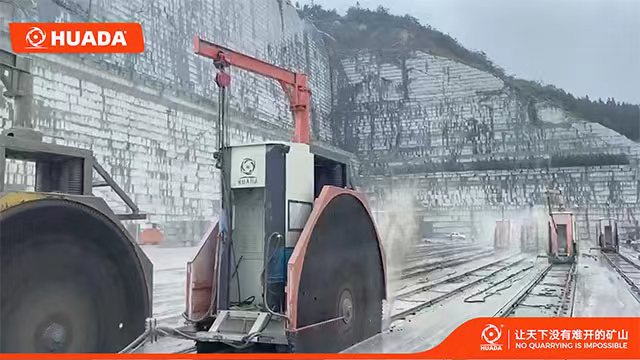
Another significant advantage of chain saw machines is the improved safety they offer to workers. Traditional granite mining methods involved the use of explosives, which posed serious risks to laborers. With chain saw machines, the need for explosives is eliminated, reducing the chances of accidents and injuries. Operators can maintain a safe distance from the cutting area while controlling the machine with precision.
In addition to enhanced safety, chain saw machines also have a positive impact on the environment. The use of explosives had adverse effects on the surrounding ecosystem, causing air and noise pollution. By replacing traditional methods with chain saw machines, mining operations can significantly reduce their carbon footprint. These machines operate quietly and generate fewer emissions, promoting sustainable practices in the industry.
Versatility and Cost-effectiveness
Chain saw machines for granite mining offer a high level of versatility, making them suitable for various applications. Whether it is cutting large blocks for monuments or creating intricate designs for countertops, these machines can handle the task efficiently. Their ability to make precise cuts and adjust to different angles allows for flexibility in design, catering to the diverse requirements of the construction industry.
Furthermore, chain saw machines prove to be cost-effective in the long run. With increased efficiency, reduced material wastage, and minimized processing needs, mining companies can save both time and resources. Additionally, the machines require minimal maintenance, resulting in lower operational costs. The initial investment in acquiring the equipment is offset by the long-term benefits it provides.
Conclusion
The applications of chain saw machines for granite mining are diverse and offer significant advantages over traditional methods. From enhanced efficiency and precision to improved safety and environmental impact, these machines have revolutionized the way granite is extracted from quarries. Their versatility and cost-effectiveness further contribute to their appeal in the construction industry. As technology continues to advance, we can expect further innovations in chain saw machines, making them an indispensable tool for granite mining.

Define the application before comparing equipment
For “Exploring the Applications of Chain Saw Machine for Granite,” write down stone type, bench geometry, required cut depth, chain and arm configuration, power source and site access. This separates a real project requirement from a search phrase and gives every supplier the same boundary. The proposed stone chain saw machine can then be checked against the material, site and required result instead of being accepted by name alone.
Use evidence that can be retained
A practical review of “Exploring the Applications of Chain Saw Machine for Granite” should retain a stone-specific trial, chain and insert specification, cut geometry and maintenance plan. Photographs and brochures help identify the offered configuration, but they do not replace a test condition, measured result or signed scope. Record settings for chain condition, lubrication or cooling, guide-arm alignment, feed pressure and cutting direction so the accepted result can be repeated.
Control the main operating risk
The recurring risk in “Exploring the Applications of Chain Saw Machine for Granite” is using a chain, feed setting or guide-arm arrangement that is not matched to the stone and cut. Set a stop condition, assign who checks the machine and tool, and keep changes traceable. If the result moves outside the agreed window, investigate the material, alignment, tooling and utilities before adding load or speed.
Decision and acceptance table
| Decision point | What to define | Evidence to keep |
|---|---|---|
| Application | stone type, bench geometry, required cut depth, chain and arm configuration, power source and site access | Written job or product brief |
| Operating window | chain condition, lubrication or cooling, guide-arm alignment, feed pressure and cutting direction | Recorded trial settings and observations |
| Acceptance | a stone-specific trial, chain and insert specification, cut geometry and maintenance plan | Signed sample, cut record or inspection note |
| Risk control | using a chain, feed setting or guide-arm arrangement that is not matched to the stone and cut | Named corrective action and stop condition |
Buyer and operator checklist
- Material and cut or hole dimensions for Exploring the Applications of Chain Saw Machine for Granite
- Offered stone chain saw machine configuration and included tooling
- Power, water, compressed air, access and lifting requirements
- Settings and checks covering chain condition, lubrication or cooling, guide-arm alignment, feed pressure and cutting direction
- Factory or site acceptance method and responsible people
- Training, critical spares, manuals and service response boundary
Frequently asked questions
What should be confirmed first for Exploring the Applications of Chain Saw Machine for Granite?
For Exploring the Applications of Chain Saw Machine for Granite, start with stone type, bench geometry, required cut depth, chain and arm configuration, power source and site access. Those inputs determine whether the proposed stone chain saw machine and tool are relevant.
How should performance for Exploring the Applications of Chain Saw Machine for Granite be verified?
For Exploring the Applications of Chain Saw Machine for Granite, use a stone-specific trial, chain and insert specification, cut geometry and maintenance plan. Keep the material, operating conditions and acceptance criteria with the result.
Which settings matter during Exploring the Applications of Chain Saw Machine for Granite?
For Exploring the Applications of Chain Saw Machine for Granite, record chain condition, lubrication or cooling, guide-arm alignment, feed pressure and cutting direction. A result without its settings is difficult to reproduce or compare.
When should work on Exploring the Applications of Chain Saw Machine for Granite be paused?
For Exploring the Applications of Chain Saw Machine for Granite, pause when the workpiece, support, guarding, utilities or cutting condition is unsafe, or when using a chain, feed setting or guide-arm arrangement that is not matched to the stone and cut is observed.