Use “Essential Product Knowledge of Double Blade Cutting Machine” as a decision brief for a double blade quarrying machine: define stone hardness, block plan, blade diameter, cutting depth, rail layout, power and site utilities, verify blade condition, segment match, travel alignment, feed rate, cooling flow and rail stability and retain a site layout, blade and segment specification, representative cutting result and utility schedule before approval.
Technical context for Essential Product Knowledge of Double Blade Cutting Machine
Essential Product Knowledge of Double Blade Cutting Machine
Introduction
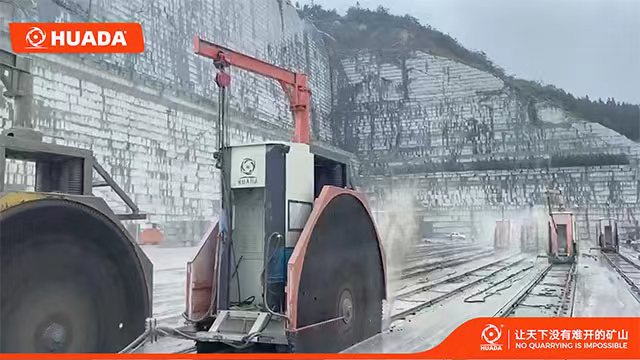
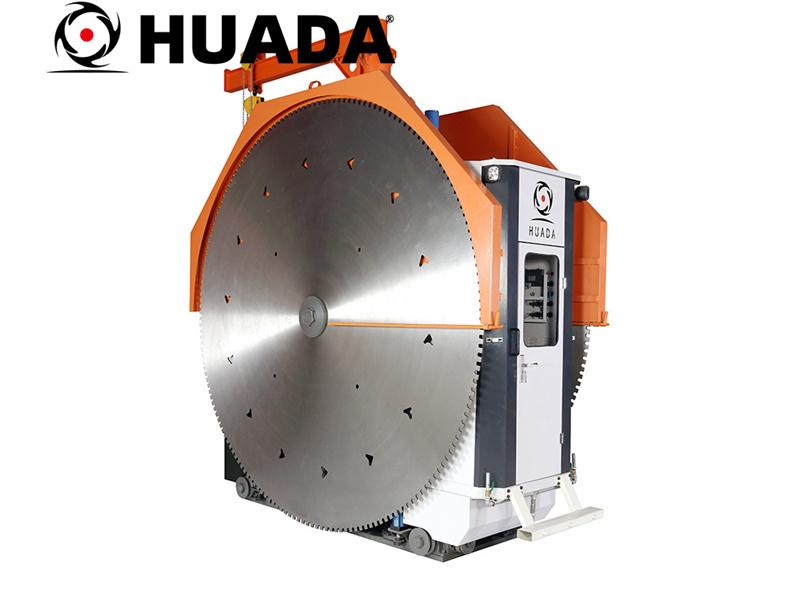
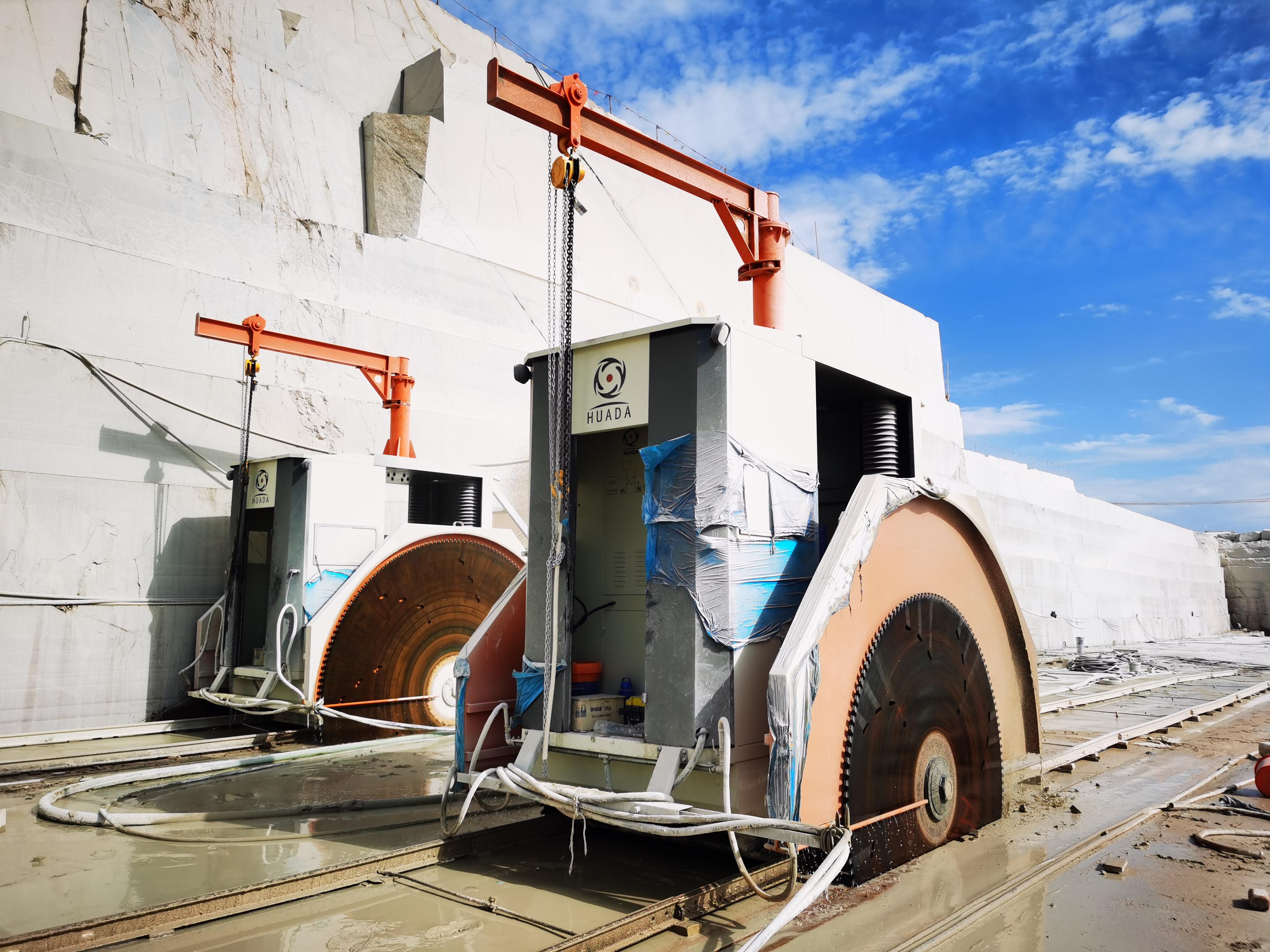
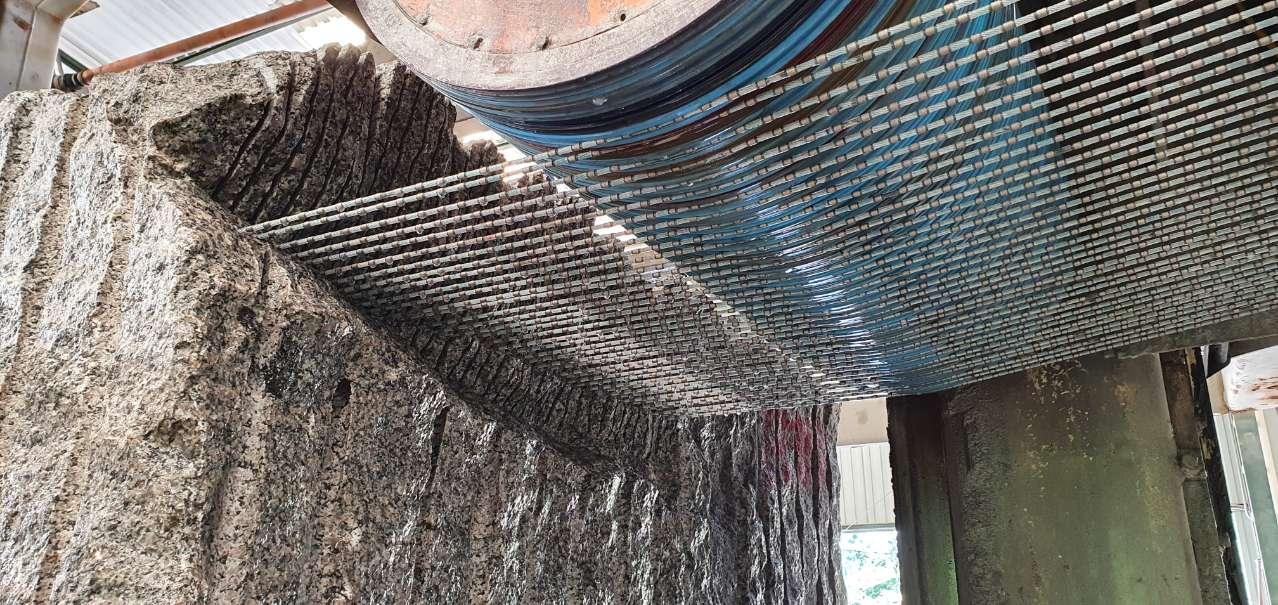
The double blade cutting machine is a crucial tool in the mining industry for extracting stone materials. It utilizes two circular blades to cut through blocks of stone effectively and efficiently. This article aims to provide a comprehensive understanding of the essential product knowledge of the double blade cutting machine, including its components, operation principles, and maintenance requirements.
Component Overview
The double blade cutting machine consists of several key components that work together to ensure smooth and precise cutting operations. The primary components include:
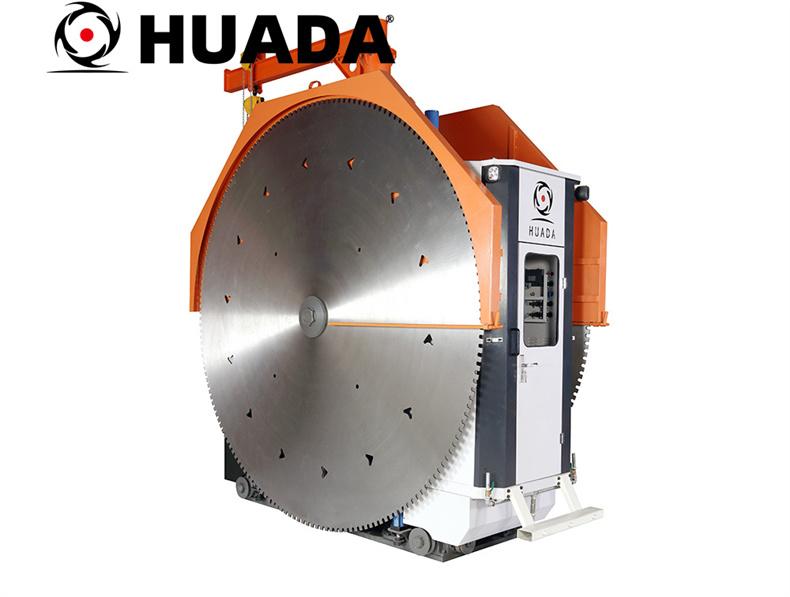
- Two circular blades: These sharp blades are responsible for cutting through stone blocks. They are made of high-quality materials and have diamond segments for enhanced durability.
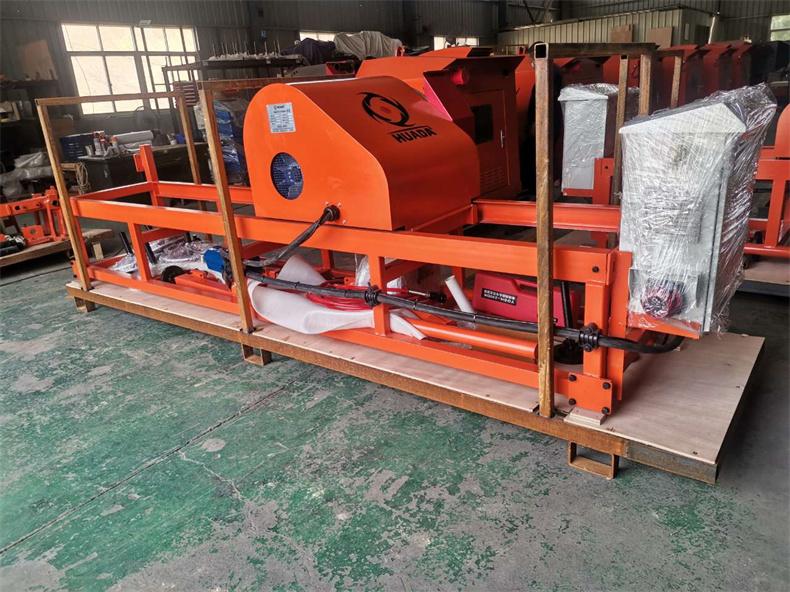
- Motor: The motor provides the necessary power to drive the blades in a rotating motion. It is essential to choose a motor with sufficient horsepower to handle the cutting requirements.
- Frame: The frame supports the blades and ensures stability during cutting operations. It is typically made of sturdy materials, such as steel, to withstand the immense pressure exerted by the blades.
- Control panel: The control panel allows operators to adjust various parameters, such as blade speed and cutting depth. It should be user-friendly and equipped with safety features to prevent accidents.
Operation Principles
The double blade cutting machine operates on the principle of rotational motion and precision cutting. The process involves the following steps:
1. Block positioning: The stone block is securely positioned on the cutting platform and clamped to prevent movement during cutting.
2. Adjusting parameters: Operators set the desired cutting depth and blade speed on the control panel based on the stone's characteristics and cutting requirements.
3. Blade rotation: The motor drives the blades to rotate at high speed, creating a cutting edge that gradually penetrates the stone block.
4. Cutting progress: As the blades cut deeper into the stone, the machine moves along the pre-determined path, ensuring even and precise cutting.
5. Completion and cleanup: Once the cutting is complete, the machine stops, and the stone blocks are removed from the cutting platform. Any debris or dust is cleaned up to maintain a safe and productive working environment.
Maintenance Requirements
To ensure optimal performance and prolong the lifespan of the double blade cutting machine, regular maintenance is essential. These maintenance tasks include:
- Blade inspection and replacement: The blades should be regularly inspected for any signs of wear or damage. If necessary, they should be replaced promptly to maintain cutting efficiency.
- Lubrication: The moving parts of the machine, such as the motor and bearings, should be lubricated regularly to reduce friction and prevent premature wear.
- Cleaning: Dust and debris can accumulate in various parts of the machine, affecting its performance. Regular cleaning helps maintain proper functioning and prevents clogging.
- Calibration: It is crucial to periodically calibrate the machine to ensure accurate cutting depth and blade alignment.
In conclusion, the double blade cutting machine is a vital tool in the stone mining industry. Understanding its components, operation principles, and maintenance requirements is essential for operators to maximize its efficiency and durability. By following proper maintenance procedures and operating guidelines, the double blade cutting machine can greatly contribute to the success of stone extraction operations.
Use evidence that can be retained
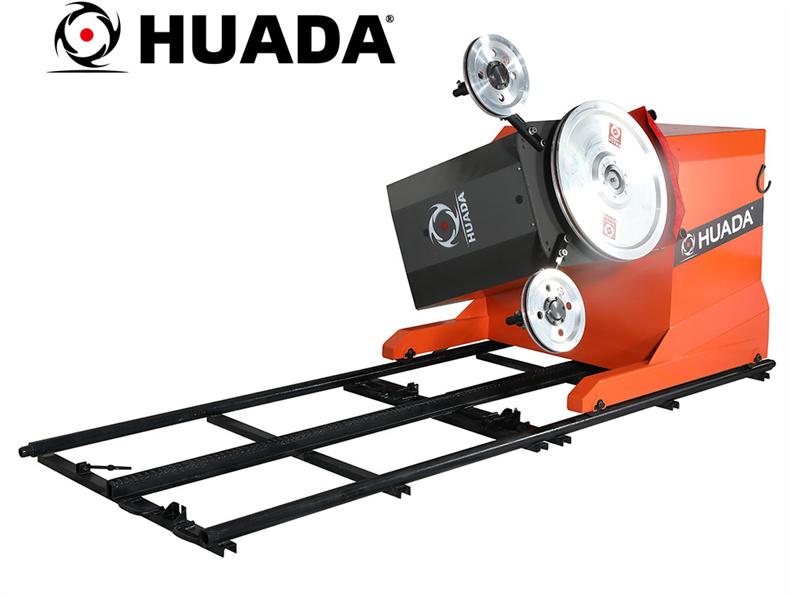
A practical review of “Essential Product Knowledge of Double Blade Cutting Machine” should retain a site layout, blade and segment specification, representative cutting result and utility schedule. Photographs and brochures help identify the offered configuration, but they do not replace a test condition, measured result or signed scope. Record settings for blade condition, segment match, travel alignment, feed rate, cooling flow and rail stability so the accepted result can be repeated.
Control the main operating risk
The recurring risk in “Essential Product Knowledge of Double Blade Cutting Machine” is comparing headline blade diameter without confirming usable depth, stone match and rail installation. Set a stop condition, assign who checks the machine and tool, and keep changes traceable. If the result moves outside the agreed window, investigate the material, alignment, tooling and utilities before adding load or speed.
Define the application before comparing equipment
For “Essential Product Knowledge of Double Blade Cutting Machine,” write down stone hardness, block plan, blade diameter, cutting depth, rail layout, power and site utilities. This separates a real project requirement from a search phrase and gives every supplier the same boundary. The proposed double blade quarrying machine can then be checked against the material, site and required result instead of being accepted by name alone.
Decision and acceptance table
| Decision point | What to define | Evidence to keep |
|---|---|---|
| Application | stone hardness, block plan, blade diameter, cutting depth, rail layout, power and site utilities | Written job or product brief |
| Operating window | blade condition, segment match, travel alignment, feed rate, cooling flow and rail stability | Recorded trial settings and observations |
| Acceptance | a site layout, blade and segment specification, representative cutting result and utility schedule | Signed sample, cut record or inspection note |
| Risk control | comparing headline blade diameter without confirming usable depth, stone match and rail installation | Named corrective action and stop condition |
Buyer and operator checklist
- Material and cut or hole dimensions for Essential Product Knowledge of Double Blade Cutting Machine
- Offered double blade quarrying machine configuration and included tooling
- Power, water, compressed air, access and lifting requirements
- Settings and checks covering blade condition, segment match, travel alignment, feed rate, cooling flow and rail stability
- Factory or site acceptance method and responsible people
- Training, critical spares, manuals and service response boundary
Frequently asked questions
What should be confirmed first for Essential Product Knowledge of Double Blade Cutting Machine?
For Essential Product Knowledge of Double Blade Cutting Machine, start with stone hardness, block plan, blade diameter, cutting depth, rail layout, power and site utilities. Those inputs determine whether the proposed double blade quarrying machine and tool are relevant.
How should performance for Essential Product Knowledge of Double Blade Cutting Machine be verified?
For Essential Product Knowledge of Double Blade Cutting Machine, use a site layout, blade and segment specification, representative cutting result and utility schedule. Keep the material, operating conditions and acceptance criteria with the result.
Which settings matter during Essential Product Knowledge of Double Blade Cutting Machine?
For Essential Product Knowledge of Double Blade Cutting Machine, record blade condition, segment match, travel alignment, feed rate, cooling flow and rail stability. A result without its settings is difficult to reproduce or compare.
When should work on Essential Product Knowledge of Double Blade Cutting Machine be paused?
For Essential Product Knowledge of Double Blade Cutting Machine, pause when the workpiece, support, guarding, utilities or cutting condition is unsafe, or when comparing headline blade diameter without confirming usable depth, stone match and rail installation is observed.