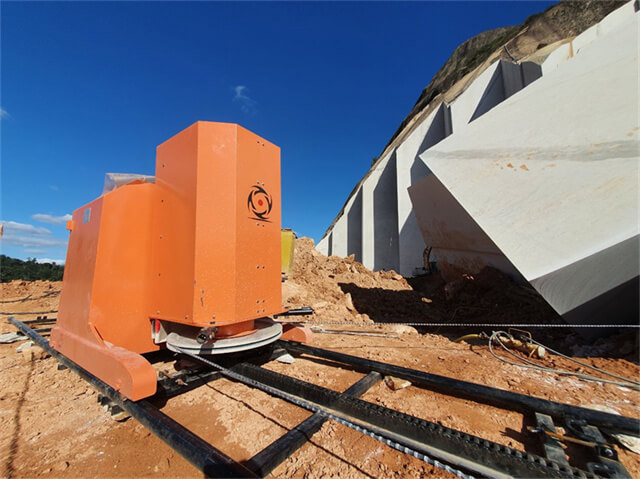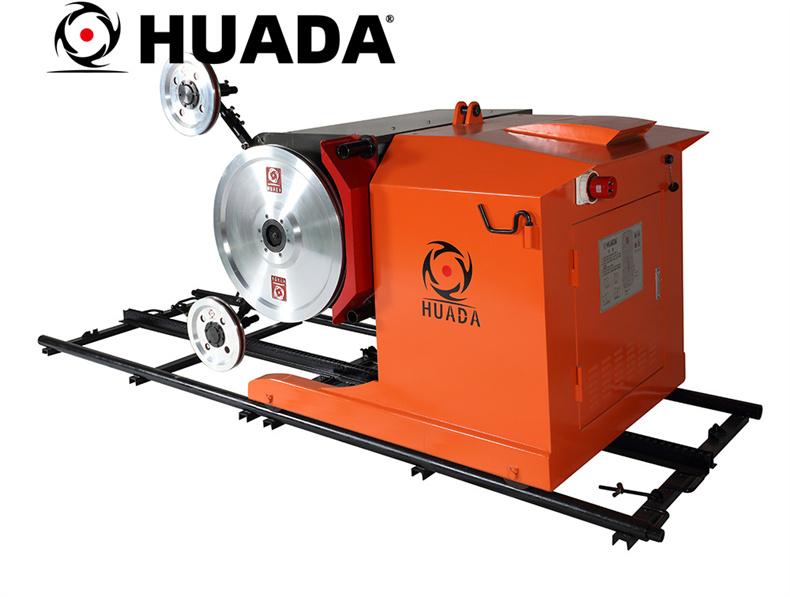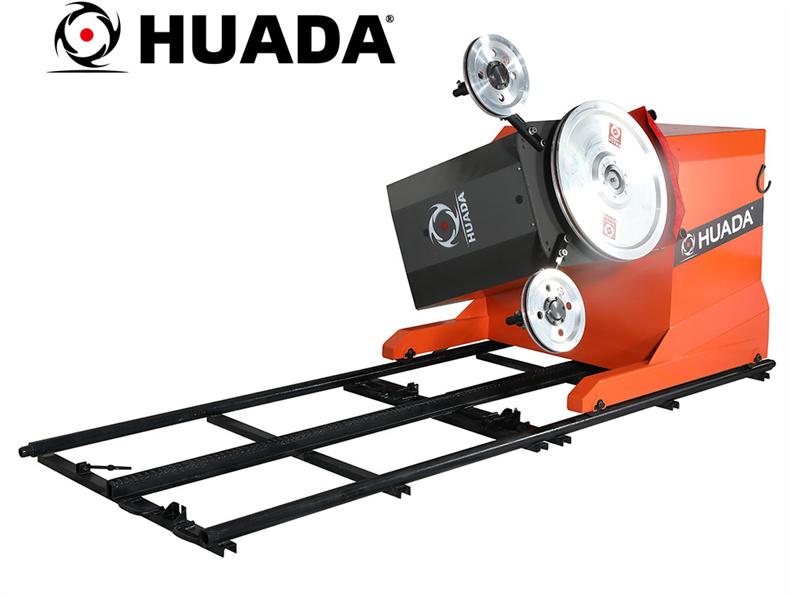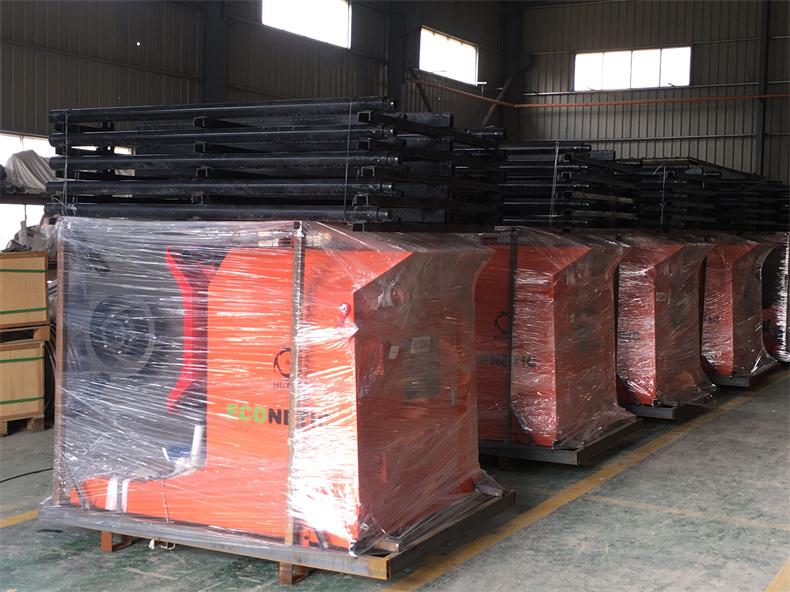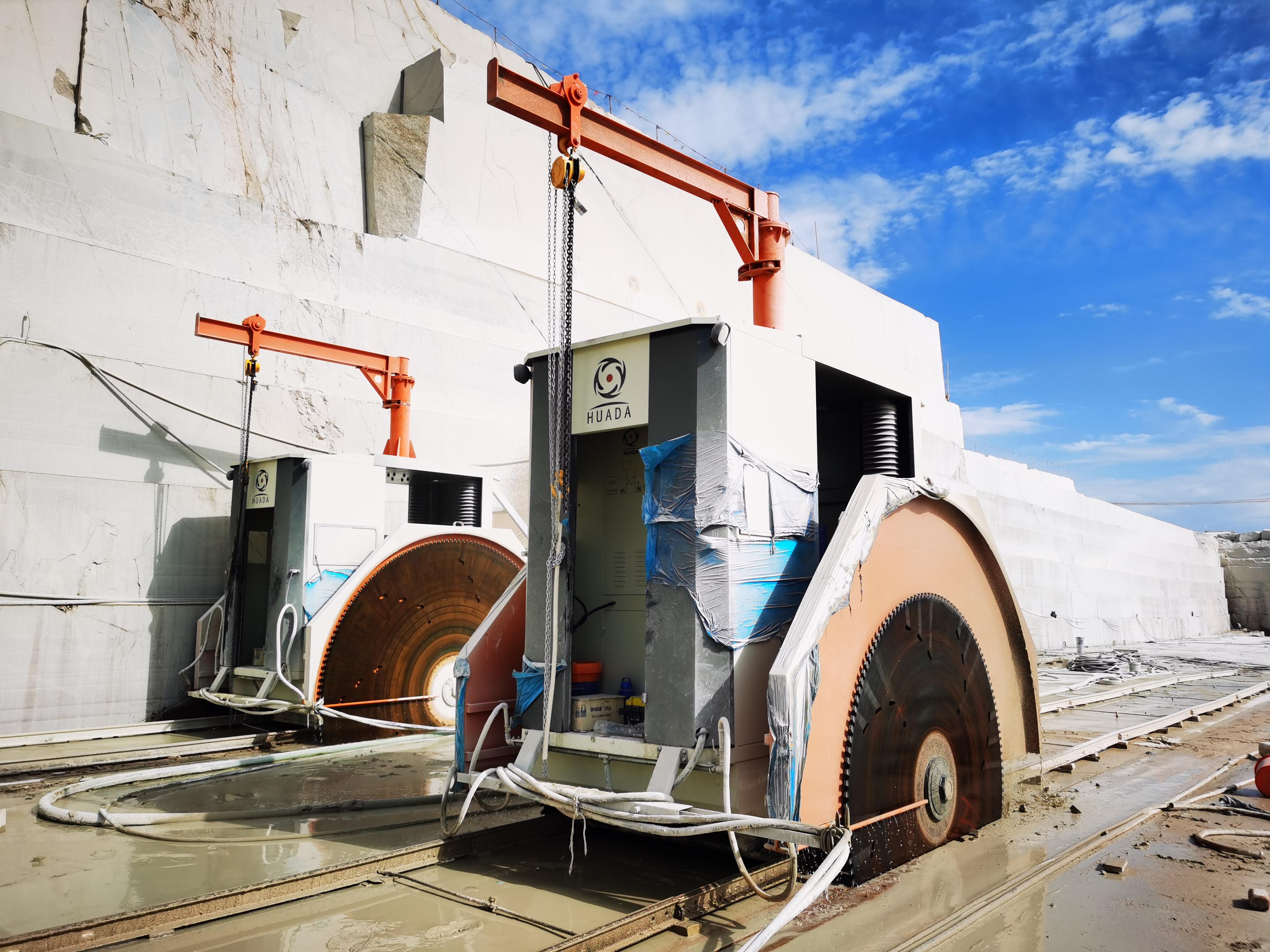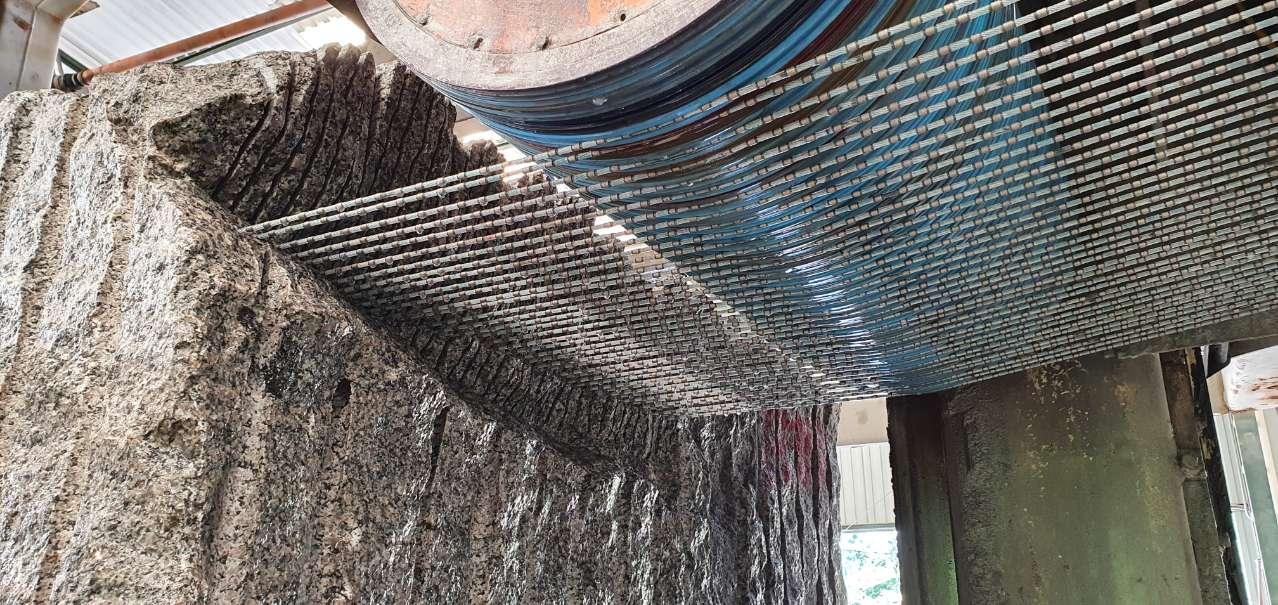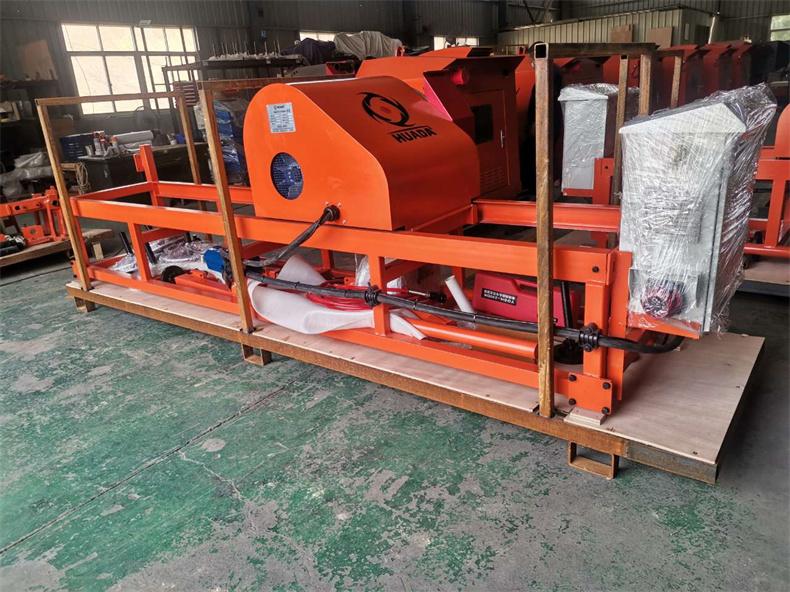

The historical article names quarrying, construction, and monument restoration as broad application domains. It does not identify an exact machine or wire, a verified rock, a named site, a dated project, or a conservation record. This provenance triptych retains those three labels and the locked media sequence while keeping every mechanism, procedure, capability, and outcome outside the factual record.
Quarrying appears as an archive label
The source establishes only that the word quarrying was part of the former article. No quarry, stone record, equipment identity, dated observation, or attributable project file connects that label to a current claim.
Construction remains a context heading
Construction is preserved as source vocabulary. The archive supplies no named building or bridge, material specification, responsible organization, design record, or completed work that would support a factual application statement.
Monument restoration is not a conservation finding
The restoration label does not establish that any monument was assessed, altered, replicated, or preserved. A photograph and a broad heading cannot replace an attributable conservation file for one named object and date.
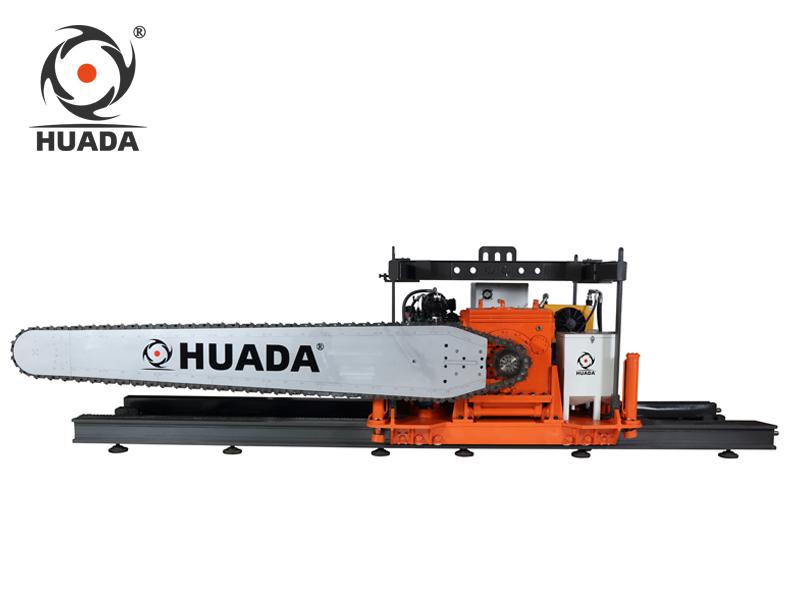
What the mixed media actually disclose
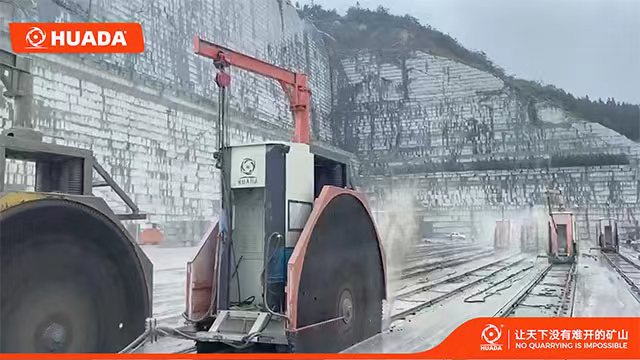
The three retained files document the article's media history. Their chain-saw, double-blade, and wire-machine filenames point to different equipment categories, which prevents the sequence from proving one product identity. The archived record supplies no source citation that establishes rock type, location, project ownership, or a measured result.
Questions an attributable record would have to answer
- Which exact subject is being claimed?
- A source would need to identify the product or wire and connect it to the same dated record.
- Which material and place does the record cover?
- The cited file would need a traceable material identity and a named site rather than a general industry label.
- Which project owns the conclusion?
- Construction wording would require an attributable project, responsible organization, and conclusion within a declared scope.
- Which conservation authority supports the restoration wording?
- A named monument, survey, treatment record, date, and responsible conservator would be needed before a conservation statement could be published.